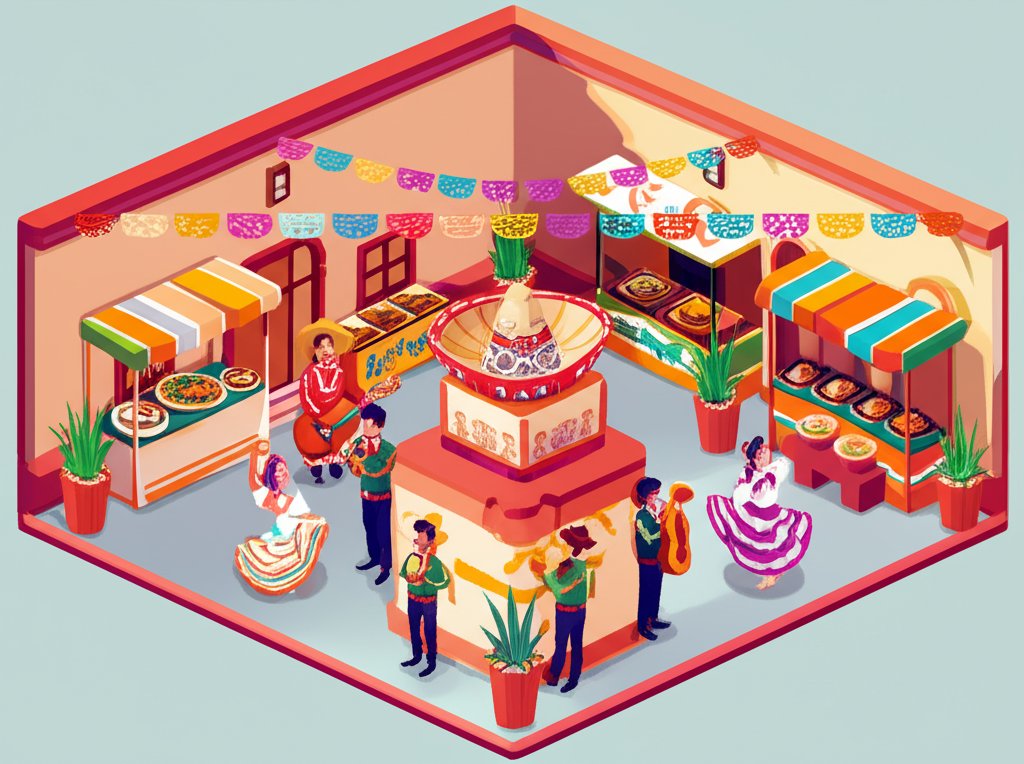
Step into a city where the echoes of history dance with a vibrant present, where every cobblestone whispers tales of the past, and every celebration pulses with the heart of Mexico. Guadalajara, the sprawling capital of Jalisco, is more than just a metropolitan hub; it’s a living museum of traditional customs and a proud guardian of cultural heritage. If you’re yearning to truly understand the soul of Mexico, a deep dive into the unique Guadalajara customs is an absolute necessity. This article will guide you through the rich tapestry of traditions, from the melodic strumming of mariachi guitars to the intricate artistry of charrería, revealing why Guadalajara stands as a world-class emblem of Mexican identity. Prepare to immerse yourself in an experience that goes far beyond the typical tourist trail, uncovering the authentic spirit that makes Guadalajara truly unforgettable.
The Enduring Spirit of Guadalajara: A Tapestry of Tradition
Guadalajara, founded in 1542, has grown from a colonial outpost into a bustling metropolis, yet it has steadfastly preserved its profound connection to its roots. Its status as a Gamma+ global city is bolstered by its role as one of Mexico’s most important cultural centers. The city’s cultural heritage is not merely a collection of old buildings; it’s a dynamic, lived experience woven into the daily lives of its people, the “Tapatíos.”
Exploring Guadalajara’s traditions offers a glimpse into the broader spectrum of Mexican identity and helps visitors appreciate the nuances of these deeply rooted cultural traits, as further explored in our guide.
A Historical Heartbeat: How Guadalajara’s Past Shapes its Present
The history of Guadalajara is one of resilience and growth. From its early days as the capital of Nueva Galicia, thriving on silver discoveries, to its crucial role in the Mexican War of Independence, the city has witnessed and shaped pivotal moments in Mexico’s history. This deep historical grounding provides the bedrock for its enduring traditional customs. The colonial architecture, the layout of its historic center, and the very names of its streets all contribute to an atmosphere where tradition is palpable. Understanding this historical context is key to appreciating the depth of Guadalajara customs.
Defining “Guadalajara Customs”: More Than Just Events
When we speak of Guadalajara customs, we refer to the collective practices, beliefs, and values passed down through generations. These aren’t just isolated events but intricate layers of social, religious, artistic, and culinary traditions that define the city’s unique character. They encompass everything from grand festivals to the way families gather for Sunday meals, from the craftsmanship of local artisans to the respect shown to elders. Unlike the vague concept of “traditional customs” found in non-cultural contexts (like car forums), in Guadalajara, this term points to a vibrant, living heritage that locals cherish and share.
Melodies, Horsemanship, and Culinary Delights: Icons of Jalisco’s Heritage
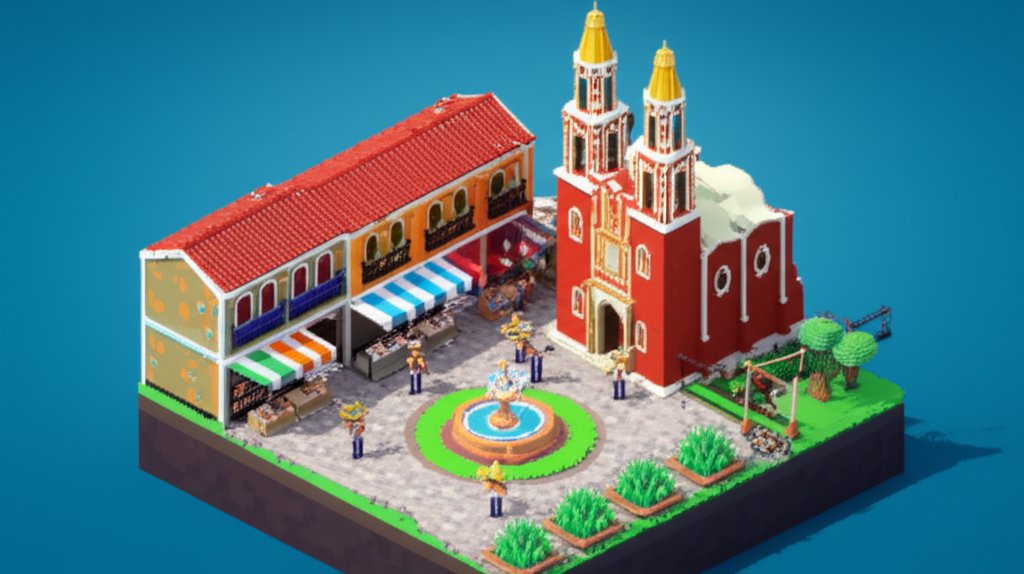
Guadalajara is often called the “birthplace of Mariachi and Tequila,” and for good reason. These and other aspects form the very core of Jalisco’s cultural heritage, offering a sensory feast for anyone exploring Guadalajara customs.
Mariachi: The Soulful Soundtrack of Mexico
No sound is more synonymous with Mexico than the joyful, melancholic, and utterly captivating melodies of Mariachi. Originating in the state of Jalisco, Mariachi music is a cornerstone of Guadalajara’s traditional customs. The International Mariachi and Charrería Encounter, held annually in Guadalajara, draws thousands of musicians and enthusiasts from around the world. It’s a testament to the city’s commitment to preserving this UNESCO-recognized intangible cultural heritage. Witnessing a Mariachi band perform in a plaza or cantina is an immersive experience, reflecting the deep emotions and storytelling inherent in these treasured Guadalajara customs. The intricate blend of trumpets, violins, guitars, and the guitarrón tells stories of love, heartbreak, patriotism, and daily life, making it the undeniable soundtrack of the Tapatío spirit.
Charrería: The Art of the Mexican Cowboy
Complementing Mariachi, Charrería is Mexico’s national sport and another magnificent display of Guadalajara’s traditional customs. More than just a rodeo, Charrería is an exquisite art form, showcasing the refined horsemanship and deep respect for equestrian traditions that embody the Mexican cowboy, or charro. Events involve dazzling demonstrations of rope work (floreo de reata), precise riding, and controlled maneuvers, all performed in elaborate, handcrafted attire. The lienzo charro (rodeo arena) in Guadalajara becomes a stage for these awe-inspiring displays, where families gather to celebrate a heritage passed down through generations. It’s a living historical performance, a martial art, and a profound expression of cultural heritage that continues to thrive in Guadalajara.
Tequila: From Agave Fields to Global Icon
While the town of Tequila, Jalisco, is the official origin, Guadalajara is the gateway to the “Tequila Trail” and a central hub for understanding this iconic spirit. The process of cultivating blue agave, harvesting its piña, and distilling the spirit is an age-old traditional custom. Experiencing a tequila tasting, learning about the artisanal process, or simply enjoying a paloma (tequila and grapefruit soda) is an integral part of understanding Guadalajara customs. The Tequila culture is deeply embedded in the region’s agricultural cultural heritage, supporting communities and defining a significant aspect of Mexican identity.
Birria and Beyond: Guadalajara’s Culinary Cultural Heritage
Food is an intimate expression of cultural heritage, and Guadalajara boasts a rich culinary landscape. Birria, a savory stew typically made with goat or beef, slow-cooked to perfection and served with tortillas, onions, and cilantro, is Guadalajara’s signature dish. It’s a quintessential Guadalajara custom to enjoy birria for breakfast or lunch, especially from a street-side birrieria.
Beyond birria, explore other famous traditional customs through food:
These dishes are more than just meals; they are part of social rituals, family gatherings, and celebrations, deeply embedding them within Guadalajara’s cultural heritage.
A Calendar of Celebrations: Guadalajara’s Vibrant Festivals
The city’s calendar is punctuated by an array of festivals that showcase its traditional customs and deep-seated cultural heritage. These events are not merely tourist attractions but authentic expressions of the community’s joy, faith, and pride in its history.
The October Festival: A Month-Long Extravaganza
Dating back to 1965, the Fiestas de Octubre (October Festival) is one of the largest and most anticipated annual events in Guadalajara. For an entire month, the city transforms into a grand celebration of Mexico’s diverse culture. From concerts featuring national and international artists to artisan markets, traditional dance performances, culinary showcases, and amusement park rides, the October Festival encapsulates a broad spectrum of Guadalajara customs. It’s a vibrant display of community spirit, attracting both locals and tourists eager to experience the city’s festive heart. This festival serves as a comprehensive window into the lively cultural heritage of Jalisco.
Feasting and Founding: Guadalajara’s Anniversary Fair
Every year on February 14th, Guadalajara commemorates its founding in 1542. This anniversary is celebrated with a grand fair that fills the air with music, dance, and a palpable sense of historical pride. It’s an important traditional custom where Tapatíos gather to honor their city’s legacy, reflecting on its journey and celebrating its vibrant present. The fair typically features parades, cultural performances, and family-friendly activities, highlighting the enduring connection between the people and their beloved city.
Mayo Cultural Festival: A Beacon for Arts and Culture
Established in 1998, the Festival Cultural de Mayo is a collaborative effort dedicated to promoting arts and cultural heritage. This festival showcases a sophisticated side of Guadalajara customs, with an emphasis on music, dance, theater, literature, and visual arts from both Mexico and international guests. It’s an opportunity for visitors to engage with contemporary expressions rooted in traditional influences, demonstrating how Guadalajara’s culture continues to evolve while honoring its past. This event underscores the city’s commitment to being a significant cultural center.
Religious Devotion: The Procession of the Virgin of Zapopan
Deeply rooted in faith, the Romería de la Virgen de Zapopan is one of Guadalajara’s most cherished religious traditional customs and a significant expression of its cultural heritage. Taking place on October 12th, this annual pilgrimage sees millions of devout followers escorting the revered statue of the Virgin of Zapopan from the Guadalajara Cathedral back to her basilica in Zapopan. This massive procession, declared a UNESCO Intangible Cultural Heritage of Humanity, is a powerful testament to the unbreakable bond between the people of Guadalajara and their spiritual traditions. It’s a profound display of faith and community, showcasing the deep devotion that underpins many Guadalajara customs.
Day of the Dead (Día de Muertos): Honoring Ancestors with Joy
While celebrated across Mexico, Día de Muertos (November 1st and 2nd) holds a special place in Guadalajara’s traditional customs. This vibrant celebration is far from somber; it’s a joyful remembrance of departed loved ones, seen as a time for families to reunite with the spirits of their ancestors. Elaborate altars (ofrendas) are decorated with marigolds, candles, photographs, and the favorite foods and drinks of the deceased. Public spaces in Guadalajara come alive with parades featuring catrinas (elegantly dressed skeletons), sugar skulls, and traditional music. It’s a powerful and beautiful expression of cultural heritage, blending indigenous beliefs with Catholic traditions, showcasing a unique perspective on life and death.
Beyond the Spectacle: Daily Life and Enduring Guadalajara Customs
Beyond the grand festivals and iconic traditions, Guadalajara’s cultural heritage is also evident in the quieter, everyday aspects of life. These subtle yet significant traditional customs offer a deeper insight into the heart of the city.
Artisan Crafts: Talavera, Leather, and Textiles
The artistry and craftsmanship of Jalisco are a vital part of Guadalajara customs. Visit Tlaquepaque and Tonalá, neighboring municipalities recognized for their rich artisan traditions. Here, you can witness the creation of:
These crafts are not just souvenirs; they are tangible expressions of Mexico’s cultural heritage, each piece telling a story of skill, dedication, and generations of artistic practice.
Family Values and Social Etiquette
Family is paramount in Guadalajara, a common traditional custom across Mexico. Sundays are often reserved for large family meals, reinforcing community bonds. Politeness and respect for elders are ingrained in social etiquette. Greetings are warm and personal, often including a handshake or a hug. Understanding these social nuances is key to appreciating the fabric of Guadalajara customs and immersing yourself respectfully in the local culture. The warmth and hospitality of the Tapatíos are a direct reflection of these deeply held values.
Traditional Architecture and Urban Life
Wandering through Guadalajara’s historic center reveals its architectural cultural heritage. From the majestic Metropolitan Cathedral to the grand Government Palace and the neoclassical Teatro Degollado, these buildings narrate the city’s history. Plazas like the Plaza de Armas and Plaza Guadalajara serve as central gathering points, where locals relax, socialize, and enjoy the city’s rhythm – a quintessential traditional custom of Latin American urban life. The fusion of Spanish colonial and indigenous influences in the architecture reflects the complex, layered history of Mexico.
Preserving a Priceless Legacy: The Future of Guadalajara’s Cultural Heritage

The dedication to preserving Guadalajara’s traditional customs and cultural heritage is evident in various ongoing efforts. These initiatives ensure that these invaluable traditions continue to thrive for future generations.
Community Efforts and Government Initiatives
Local communities, cultural organizations, and government bodies actively work to document, promote, and safeguard Guadalajara customs. Programs focus on teaching traditional crafts, music, and dance to younger generations, ensuring the continuity of these practices. Public institutions support historical research, restoration of heritage sites, and the organization of cultural events. This collaborative approach highlights the collective commitment to maintaining Guadalajara’s unique identity as a cultural beacon in Mexico.
Experiencing Authentic Guadalajara Customs Responsibly
For visitors, engaging with Guadalajara’s traditional customs offers an unparalleled travel experience. To do so responsibly means:
By actively participating and appreciating these traditions, you contribute to their vitality and help ensure that Guadalajara’s cultural heritage remains a living, breathing testament to Mexico’s rich past and vibrant future.
Conclusion: Embrace the Heart of Mexico in Guadalajara
Guadalajara stands as a magnificent testament to Mexico’s rich traditional customs and profound cultural heritage. From the iconic sounds of Mariachi and the breathtaking artistry of Charrería to the flavorful depths of its cuisine and the vibrant energy of its festivals, the city offers an unparalleled journey into the very soul of a nation. The Guadalajara customs are not relics of a forgotten era; they are the pulsating heartbeat of a living culture, constantly evolving yet steadfastly rooted in its glorious past.
To visit Guadalajara is to embark on an adventure that engages all your senses, challenges your perceptions, and leaves you with an indelible appreciation for the beauty and resilience of Mexican tradition. So, pack your bags, open your heart, and get ready to uncover Guadalajara’s vibrant traditional customs & heritage. The authentic spirit of Mexico awaits you in this captivating city.
FAQ: Your Guide to Guadalajara’s Vibrant Culture
Q1: What are the most iconic traditional customs associated with Guadalajara?
A1: The most iconic traditional customs of Guadalajara include Mariachi music, Charrería (Mexican horsemanship), Tequila production and culture, and distinctive culinary traditions like Birria and Tortas Ahogadas. These are deeply ingrained in the city’s cultural heritage.
Q2: How does Guadalajara celebrate its founding anniversary?
A2: Guadalajara celebrates its founding on February 14, 1542, with an annual fair that features music, dance, parades, and cultural performances, embodying a significant Guadalajara custom of civic pride and celebration.
Q3: What is the significance of the Procession of the Virgin of Zapopan?
A3: The Procession of the Virgin of Zapopan is a massive annual religious pilgrimage (October 12th) that involves millions of devotees escorting the Virgin’s statue. It’s a profound traditional custom and a UNESCO-recognized Intangible Cultural Heritage, showcasing the deep spiritual cultural heritage of the people of Guadalajara and Mexico.
Q4: What is the October Festival (Fiestas de Octubre) in Guadalajara?
A4: The October Festival is a month-long celebration (dating back to 1965) that is one of the largest and most anticipated festivals in Guadalajara. It features concerts, artisan markets, traditional dances, and food, offering a comprehensive look at diverse Guadalajara customs and cultural heritage.
Q5: Is Tequila considered a traditional custom of Guadalajara?
A5: While the town of Tequila is where the spirit originates, Guadalajara is the cultural and economic hub for Tequila and the gateway to the “Tequila Trail.” The cultivation of agave, distillation process, and the social rituals surrounding Tequila consumption are significant traditional customs and a crucial part of Jalisco’s cultural heritage, deeply tied to Guadalajara.
Q6: What kind of traditional crafts can visitors find in Guadalajara?
A6: Visitors to Guadalajara can find a rich array of traditional crafts, especially in the nearby towns of Tlaquepaque and Tonalá. These include Talavera pottery, hand-blown glass, intricate leather goods, and various textiles, all representing important Guadalajara customs and aspects of Mexico’s cultural heritage.
Q7: How important is family in Guadalajara’s traditional customs?
A7: Family plays a central role in Guadalajara’s traditional customs. Sundays are typically dedicated to large family gatherings and meals, and there is a strong emphasis on respect for elders and close community bonds. This family-centric approach is a cornerstone of Guadalajara’s cultural heritage.
Q8: What is Charrería and why is it important in Guadalajara?
A8: Charrería is Mexico’s national sport, an elaborate display of horsemanship, rope skills, and traditional Mexican attire. It’s an important traditional custom in Guadalajara, seen as an art form and a celebration of the charro (Mexican cowboy) heritage, often featured in events like the International Mariachi and Charrería Encounter. It’s a key part of Guadalajara’s cultural heritage.
Q9: Does Guadalajara celebrate Día de Muertos (Day of the Dead)?
A9: Yes, Guadalajara beautifully observes Día de Muertos (November 1st and 2nd) with colorful altars, parades featuring catrinas, and family gatherings to honor deceased loved ones. It’s a vibrant and meaningful traditional custom that blends indigenous and Catholic beliefs, showcasing a unique facet of Mexico’s cultural heritage.
Q10: How can I responsibly experience Guadalajara’s traditional customs?
A10: To responsibly experience Guadalajara customs, support local artisans by buying directly from them, attend authentic cultural and religious events with respect, try to learn some basic Spanish, and be mindful of local social etiquette. Engaging actively and respectfully contributes to the preservation of Guadalajara’s cultural heritage.
“@context”: “https://schema.org”,
“@type”: “FAQPage”,
“mainEntity”: [
“@type”: “Question”,
“name”: “What are the most iconic traditional customs associated with Guadalajara?”,
“acceptedAnswer”: {
“@type”: “Answer”,
“text”: “The most iconic traditional customs of Guadalajara include Mariachi music, Charrería (Mexican horsemanship), Tequila production and culture, and distinctive culinary traditions like Birria and Tortas Ahogadas. These are deeply ingrained in the city’s cultural heritage.”
“@type”: “Question”,
“name”: “How does Guadalajara celebrate its founding anniversary?”,
“acceptedAnswer”: {
“@type”: “Answer”,
“text”: “Guadalajara celebrates its founding on February 14, 1542, with an annual fair that features music, dance, parades, and cultural performances, embodying a significant Guadalajara custom of civic pride and celebration.”
“@type”: “Question”,
“name”: “What is the significance of the Procession of the Virgin of Zapopan?”,
“acceptedAnswer”: {
“@type”: “Answer”,
“text”: “The Procession of the Virgin of Zapopan is a massive annual religious pilgrimage (October 12th) that involves millions of devotees escorting the Virgin’s statue. It’s a profound traditional custom and a UNESCO-recognized Intangible Cultural Heritage, showcasing the deep spiritual cultural heritage of the people of Guadalajara and Mexico.”
“@type”: “Question”,
“name”: “What is the October Festival (Fiestas de Octubre) in Guadalajara?”,
“acceptedAnswer”: {
“@type”: “Answer”,
“text”: “The October Festival is a month-long celebration (dating back to 1965) that is one of the largest and most anticipated festivals in Guadalajara. It features concerts, artisan markets, traditional dances, and food, offering a comprehensive look at diverse Guadalajara customs and cultural heritage.”
“@type”: “Question”,
“name”: “Is Tequila considered a traditional custom of Guadalajara?”,
“acceptedAnswer”: {
“@type”: “Answer”,
“text”: “While the town of Tequila is where the spirit originates, Guadalajara is the cultural and economic hub for Tequila and the gateway to the ‘Tequila Trail.’ The cultivation of agave, distillation process, and the social rituals surrounding Tequila consumption are significant traditional customs and a crucial part of Jalisco’s cultural heritage, deeply tied to Guadalajara.”
“@type”: “Question”,
“name”: “What kind of traditional crafts can visitors find in Guadalajara?”,
“acceptedAnswer”: {
“@type”: “Answer”,
“text”: “Visitors to Guadalajara can find a rich array of traditional crafts, especially in the nearby towns of Tlaquepaque and Tonalá. These include Talavera pottery, hand-blown glass, intricate leather goods, and various textiles, all representing important Guadalajara customs and aspects of Mexico’s cultural heritage.”
“@type”: “Question”,
“name”: “How important is family in Guadalajara’s traditional customs?”,
“acceptedAnswer”: {
“@type”: “Answer”,
“text”: “Family plays a central role in Guadalajara’s traditional customs. Sundays are typically dedicated to large family gatherings and meals, and there is a strong emphasis on respect for elders and close community bonds. This family-centric approach is a cornerstone of Guadalajara’s cultural heritage.”
“@type”: “Question”,
“name”: “What is Charrería and why is it important in Guadalajara?”,
“acceptedAnswer”: {
“@type”: “Answer”,
“text”: “Charrería is Mexico’s national sport, an elaborate display of horsemanship, rope skills, and traditional Mexican attire. It’s an important traditional custom in Guadalajara, seen as an art form and a celebration of the charro (Mexican cowboy) heritage, often featured in events like the International Mariachi and Charrería Encounter. It’s a key part of Guadalajara’s cultural heritage.”
“@type”: “Question”,
“name”: “Does Guadalajara celebrate Día de Muertos (Day of the Dead)?”,
“acceptedAnswer”: {
“@type”: “Answer”,
“text”: “Yes, Guadalajara beautifully observes Día de Muertos (November 1st and 2nd) with colorful altars, parades featuring catrinas, and family gatherings to honor deceased loved ones. It’s a vibrant and meaningful traditional custom that blends indigenous and Catholic beliefs, showcasing a unique facet of Mexico’s cultural heritage.”
“@type”: “Question”,
“name”: “How can I responsibly experience Guadalajara’s traditional customs?”,
“acceptedAnswer”: {
“@type”: “Answer”,
“text”: “To responsibly experience Guadalajara customs, support local artisans by buying directly from them, attend authentic cultural and religious events with respect, try to learn some basic Spanish, and be mindful of local social etiquette. Engaging actively and respectfully contributes to the preservation of Guadalajara’s cultural heritage.”










