
Culture. It’s the invisible framework that shapes our perceptions, dictates our behaviors, and ultimately defines our societies. From the bustling streets of Tokyo to the serene landscapes of the Andes, cultural traits manifest in countless ways, influencing everything from family dynamics to political systems. But what exactly are these traits, and why are they so crucial to understanding the world around us? This article delves into the fascinating world of cultural traits, exploring their origins, their impact on cross-cultural interactions, and the vital role they play in fostering a more harmonious and interconnected global community. Understanding cultural traits is not just an academic exercise; it’s a fundamental skill for navigating the complexities of modern life, building bridges across divides, and creating a more inclusive and equitable future for all.
What Are Cultural Traits?
Cultural traits are the individual components of a cultural complex, the smallest units of culture that can be identified. Think of them as the building blocks of a society’s identity. They encompass a vast range of elements, from tangible objects like tools and clothing to intangible aspects like beliefs, values, and customs. Cultural traits are learned, shared, and transmitted across generations, constantly evolving in response to internal and external influences.
Tangible and Intangible Traits
Cultural traits can be broadly categorized into two main types: tangible and intangible. Tangible traits are the physical objects and artifacts that represent a culture, such as clothing styles, culinary traditions, architectural designs, and technological innovations. Intangible traits, on the other hand, are the non-physical aspects of culture, including language, religious beliefs, social norms, ethical values, artistic expressions, and patterns of communication. Both tangible and intangible traits are deeply intertwined, each influencing and shaping the other.
The Role of Socialization
Socialization is the process through which individuals learn and internalize the cultural traits of their society. This process begins in early childhood, primarily within the family unit, and continues throughout life through interactions with peers, educators, media, and other social institutions. Socialization is crucial for transmitting cultural knowledge and ensuring the continuity of traditions across generations. It also plays a significant role in shaping individual identity and promoting social cohesion. A look into unique filipino culture will reveal the strong emphasis on family and respect for elders, traits deeply ingrained through socialization.
The Building Blocks of Society: Why Cultural Traits Matter
Cultural traits are not merely superficial characteristics; they are the foundational elements upon which societies are built. They shape social norms, influence individual behavior, and provide a framework for understanding the world. By understanding cultural traits, we gain valuable insights into the values, beliefs, and motivations that drive human actions.
Shaping Social Norms and Customs
Cultural traits play a significant role in shaping social norms and customs, the unwritten rules that govern behavior within a society. These norms dictate acceptable ways of interacting, communicating, and conducting oneself in various social situations. Customs, such as greetings, celebrations, and rituals, are often rooted in cultural traditions and reinforce social bonds. Understanding these norms and customs is essential for navigating social interactions effectively and avoiding unintentional offense.
Influencing Individual Identity and Group Belonging
Cultural traits also contribute significantly to individual identity and group belonging. They provide a sense of shared history, common values, and collective identity that binds people together. Individuals often identify strongly with their cultural group and derive a sense of pride and belonging from participating in its traditions and customs. However, it’s crucial to recognize that individuals can belong to multiple cultural groups simultaneously, and their identities can be fluid and multifaceted. Exploring the native american breechcloth reveals its powerful symbolic role in identity and tradition.
The Impact of Cultural Traits on Cross-Cultural Communication
In an increasingly interconnected world, cross-cultural communication is essential for building relationships, fostering collaboration, and resolving conflicts. However, differences in cultural traits can often lead to misunderstandings, misinterpretations, and communication breakdowns. Understanding the potential pitfalls and developing effective communication strategies are crucial for navigating diverse cultural contexts.
Direct vs. Indirect Communication Styles
One of the most significant differences in cultural traits is the distinction between direct and indirect communication styles. In direct communication cultures, such as those of Germany and the United States, individuals tend to be explicit, straightforward, and assertive in their communication. They value clarity and efficiency and may perceive indirect communication as evasive or dishonest. In contrast, indirect communication cultures, such as those of Japan and many Latin American countries, prioritize harmony, politeness, and saving face. Individuals in these cultures often communicate through subtle cues, nonverbal signals, and contextual references. Directness may be perceived as rude or confrontational.
Individualism vs. Collectivism
Another important cultural dimension is the distinction between individualism and collectivism. Individualistic cultures, such as those of the United States and Australia, emphasize individual autonomy, achievement, and self-reliance. Individuals are encouraged to pursue their own goals and interests, even if it means deviating from group norms. Collectivistic cultures, such as those of China and South Korea, prioritize group harmony, loyalty, and interdependence. Individuals are expected to prioritize the needs of the group over their own and to conform to social expectations. This can significantly impact how people approach teamwork, decision-making, and conflict resolution. Organizations like the indian cultural societies in the US play a vital role in preserving collectivist values and traditions.
High-Context vs. Low-Context Communication
High-context and low-context communication styles are closely related to directness and indirectness. In high-context cultures, such as those of Japan and the Arab world, much of the meaning is conveyed through nonverbal cues, shared history, and contextual understanding. Explicit communication is often unnecessary or even considered impolite. In low-context cultures, such as those of Germany and Scandinavia, communication is more explicit, direct, and reliant on verbal explanations. The speaker is responsible for conveying the message clearly and unambiguously. Navigating these differences is key to effective multiculturalism thrive today.
Developing Cross-Cultural Communication Skills
Developing effective cross-cultural communication skills is an ongoing process that requires conscious effort, self-awareness, and a willingness to learn and adapt. By cultivating these skills, individuals can enhance their ability to build relationships, navigate diverse cultural contexts, and foster understanding and collaboration across cultures.
Active Listening and Empathy
Active listening is a crucial skill for cross-cultural communication. It involves paying close attention to both verbal and nonverbal cues, asking clarifying questions, and demonstrating genuine interest in understanding the other person’s perspective. Empathy, the ability to understand and share the feelings of another person, is equally important. By putting ourselves in the other person’s shoes and trying to see the world from their point of view, we can bridge cultural divides and build stronger connections.
Cultural Sensitivity and Awareness
Cultural sensitivity and awareness involve recognizing and respecting cultural differences and avoiding stereotypes and generalizations. It requires learning about different cultural values, beliefs, and customs and being mindful of how our own cultural biases may influence our perceptions and interpretations. By cultivating cultural sensitivity, we can avoid unintentional offense and create a more inclusive and welcoming environment for people from all backgrounds. Visiting places like the mashantucket pequot museum can provide valuable insights into different cultures and histories.
Adaptability and Flexibility
Adaptability and flexibility are essential for navigating diverse cultural contexts. It involves being open to new experiences, willing to adjust our communication style, and prepared to encounter unexpected situations. By embracing adaptability, we can demonstrate respect for cultural differences and build stronger relationships with people from different backgrounds.
Examples of Cultural Traits in Different Societies
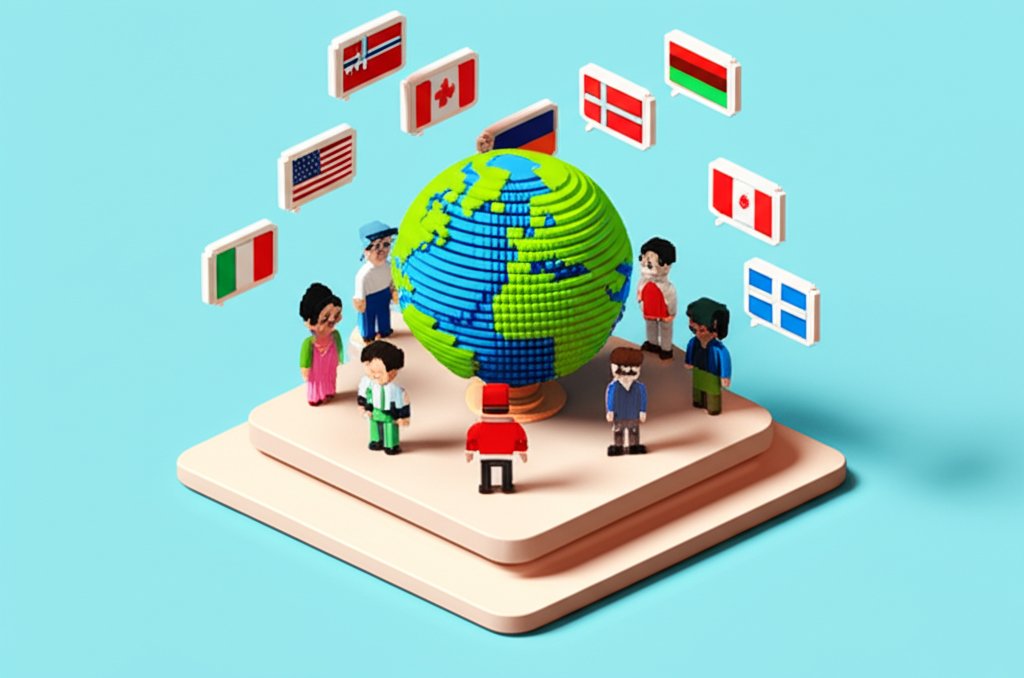
Cultural traits manifest in diverse ways across different societies, reflecting unique histories, environments, and social structures. Exploring specific examples can provide valuable insights into the richness and complexity of human cultures.
Collectivism in East Asia
In many East Asian societies, such as China, Japan, and South Korea, collectivism is a dominant cultural trait. Group harmony, social responsibility, and deference to authority are highly valued. Individuals are expected to prioritize the needs of the group over their own and to conform to social expectations. This can be seen in various aspects of life, from family dynamics to business practices. Understanding this emphasis on collective well-being is crucial for effective communication and collaboration in these cultures.
Individualism in Western Cultures
In contrast, individualism is a prominent cultural trait in many Western cultures, such as the United States, Canada, and Australia. Individual autonomy, self-reliance, and personal achievement are highly valued. Individuals are encouraged to pursue their own goals and interests, even if it means deviating from group norms. This emphasis on individual freedom and independence has shaped various aspects of Western societies, from political systems to economic structures.
The Significance of Honor in Mediterranean Cultures
In some Mediterranean cultures, such as those of Spain, Italy, and Greece, honor is a central cultural value. Honor encompasses reputation, integrity, and social standing. Maintaining one’s honor and defending it against perceived insults or slights is of paramount importance. This can influence various aspects of social behavior, from family relationships to business negotiations. Knowing about the MHA Nation’s vibrant resilience shows a similar importance placed on honor and community.
The Challenges of Cultural Relativism

Cultural relativism is the principle that an individual human’s beliefs and activities should be understood by others in terms of that individual’s own culture. It emphasizes the importance of understanding cultural practices within their specific context and avoiding judgments based on one’s own cultural standards. While cultural relativism is a valuable tool for promoting understanding and tolerance, it also presents certain challenges.
Avoiding Ethnocentrism
Ethnocentrism is the tendency to view one’s own culture as superior to others and to judge other cultures based on one’s own cultural values. Cultural relativism helps us avoid ethnocentrism by encouraging us to suspend judgment and to understand cultural practices from the perspective of those who practice them. However, it’s important to recognize that cultural relativism does not mean that all cultural practices are equally valid or morally acceptable.
The Limits of Tolerance
Cultural relativism raises questions about the limits of tolerance. Are there certain cultural practices that should not be tolerated, even if they are deeply ingrained in a particular culture? This is a complex and controversial issue, with no easy answers. However, many argue that certain universal human rights, such as the right to life, liberty, and freedom from torture, should be upheld regardless of cultural context. The legacy of the bentinck family uncover highlights how even seemingly benign cultural practices can have complex ethical implications.
The Future of Cross-Cultural Communication in a Globalized World
In an increasingly globalized world, cross-cultural communication will become even more critical for fostering understanding, collaboration, and peace. As people from different cultures interact more frequently, it’s essential to develop the skills and knowledge necessary to navigate diverse cultural contexts effectively.
Promoting Cultural Diversity and Inclusion
Promoting cultural diversity and inclusion is essential for creating a more equitable and harmonious global community. It involves valuing and celebrating cultural differences and ensuring that all individuals have equal opportunities to participate fully in society, regardless of their cultural background. By embracing cultural diversity, we can tap into a wealth of perspectives, ideas, and experiences that can enrich our lives and strengthen our communities.
Leveraging Technology for Cross-Cultural Exchange
Technology can play a vital role in facilitating cross-cultural exchange and promoting understanding. Online platforms, social media, and virtual reality can connect people from different cultures, enabling them to share their experiences, learn from each other, and build relationships. However, it’s important to be mindful of the potential for miscommunication and cultural misunderstandings in online interactions and to use technology responsibly and ethically.
Conclusion: Embracing Cultural Understanding for a Better Future
Understanding cultural traits is fundamental to navigating the complexities of our interconnected world. By recognizing the diverse ways in which cultures shape our perceptions, behaviors, and interactions, we can foster empathy, build bridges across divides, and create a more inclusive and harmonious global community. As we move forward, let us embrace cultural understanding as a guiding principle, striving to learn from each other, celebrate our differences, and work together to build a better future for all. Take the first step today to learn about a different culture, engage in conversations with people from diverse backgrounds, and challenge your own assumptions and biases. The journey towards cultural understanding is a lifelong endeavor, but it is a journey that is well worth taking.
FAQ Section
What is the difference between culture and ethnicity?
Culture refers to the shared values, beliefs, behaviors, and material objects that characterize a group of people. Ethnicity, on the other hand, refers to a shared ancestry, heritage, or national origin. While culture and ethnicity are often related, they are not the same thing. People from the same ethnic group may share a common culture, but they can also have different cultural practices.
How can I improve my cross-cultural communication skills?
Improving cross-cultural communication skills requires conscious effort, self-awareness, and a willingness to learn and adapt. Some effective strategies include active listening, empathy, cultural sensitivity, adaptability, and a willingness to ask clarifying questions. It’s also helpful to learn about different cultural values, beliefs, and customs and to be mindful of how your own cultural biases may influence your perceptions and interpretations.
What are some common sources of cultural misunderstandings?
Common sources of cultural misunderstandings include differences in communication styles (direct vs. indirect), values (individualism vs. collectivism), nonverbal cues, and assumptions about social norms. It’s important to be aware of these potential pitfalls and to approach cross-cultural interactions with humility and a willingness to learn.











1 thought on “Understanding Cultural Traits: A Deep Dive into the Building Blocks of Society”
Comments are closed.