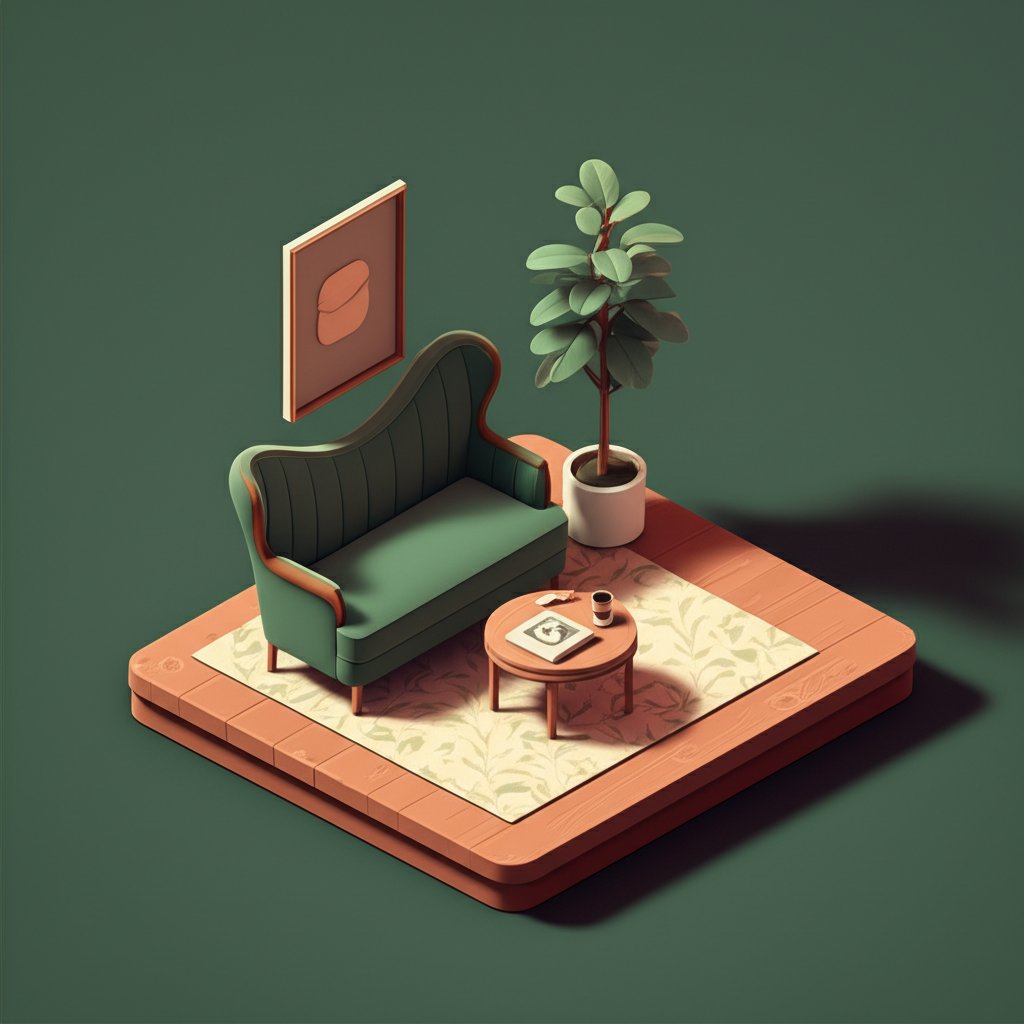
Step into a world where timeless elegance meets unparalleled comfort. The camel back sofa, with its distinctive graceful curve, has long been a symbol of sophisticated design, whispering tales of grand estates and intimate gatherings. More than just a piece of furniture, a camelback sofa is an investment in style, history, and enduring appeal. Whether you’re a seasoned interior designer or just beginning to curate your dream living space, this master guide will delve deep into the rich legacy, varied styles, and practical considerations for choosing and styling the perfect camel back sofa to dominate your home’s aesthetic. Prepare to uncover everything you need to know to make an informed and inspired choice, ensuring your living room reflects both timeless charm and contemporary flair.
The Iconic Camel Back Sofa: Definition and Distinctive Features

At first glance, the camel back sofa stands out with an unmistakable silhouette. Its unique design has captivated homeowners and designers for centuries, enduring through countless shifts in interior trends. But what exactly defines this elegant piece, and what are its core characteristics?
What Exactly is a Camelback Sofa?
A camelback sofa is characterized by its gracefully arched back, which rises to a prominent hump (or sometimes two smaller humps) in the center, resembling the silhouette of a camel’s back. This distinctive curve is not merely decorative; it provides an ergonomic contour that offers surprising comfort and support. Unlike many modern sofas, the back of a camel back sofa is typically tight and upholstered, meaning there are no loose cushions. This creates a neat, tailored, and formal appearance, contributing to its refined aesthetic.
Anatomy of Elegance: Key Design Elements
Beyond the signature curved back, several other design elements contribute to the classic camel back sofa’s allure and versatility:
- Rolled Arms: While not universally present, traditional camel back sofas often feature elegantly rolled arms. These can be tightly scrolled or more gently flared, adding to the classic, inviting feel. Modern interpretations might opt for track arms or even armless designs for a sleeker profile.
- Exposed Legs: Most camelback sofas sit on exposed, often decorative, wooden legs. These can range from straight, tapered legs for a more contemporary look to intricate cabriole, Queen Anne, or ball-and-claw feet that echo their historical origins. The finish of the legs (dark mahogany, light oak, painted) significantly influences the overall style.
- Tight Upholstery: The back and often the arms of a
camelback sofaare typically tightly upholstered, giving it a crisp, formal, and impeccably tailored appearance. While seat cushions might be loose, the overall structure emphasizes a clean, defined form. - Overall Proportions: The elegance of a camel back sofa often lies in its balanced proportions. It tends to be a more upright piece than a sprawling sectional, making it an excellent choice for formal living rooms, studies, or spaces where a refined seating option is desired.
These defining features combine to create a sofa that is both visually striking and inherently sophisticated, making the camel back sofa a truly timeless piece of furniture.
A Rich Tapestry: The Storied History of Camel Back Sofas
The enduring appeal of camel back sofas isn’t just about their aesthetic; it’s deeply rooted in a fascinating history that spans centuries. Understanding its origins illuminates why this particular sofa style continues to captivate design enthusiasts today.
Origins in 18th Century England: The Chippendale Influence
The birth of the camel back sofa can be traced back to the mid-18th century in England, flourishing during the Georgian era. It is widely attributed to none other than Thomas Chippendale, one of the most celebrated furniture designers of all time. Chippendale’s designs, characterized by elegant lines, intricate carvings, and sophisticated forms, defined an era of unparalleled craftsmanship.
The original camel back sofa designs were crafted for the opulent drawing-rooms and grand estates of the British aristocracy. They were symbols of status and refined taste, often featuring luxurious silks, damasks, and velvets, complete with elaborate wooden frames and decorative legs. Chippendale’s genius lay in his ability to combine comfort with an imposing, yet graceful, aesthetic, making the camelback an instant classic.
Evolution Through Eras: From Grand Estates to Modern Homes
While its origins are firmly planted in 18th-century English aristocratic homes, the camelback sofa didn’t remain static. As design trends evolved, so too did interpretations of this iconic piece:
- 19th Century Adaptations: The 19th century saw variations emerge, sometimes with slightly softer curves or different leg styles, but always retaining the fundamental “humped” back.
- 20th Century Revival: The mid-20th century, particularly the American Federal and Colonial Revival movements, brought the camel back sofa back into prominent popularity. Designers and manufacturers began producing more accessible versions, adapting the classic silhouette to suit changing lifestyles and smaller living spaces. This period saw the introduction of simpler lines, more durable upholstery fabrics, and less ornate detailing, making the style appealing to a broader audience.
- Contemporary Transformations: Today, contemporary designers continue to reimagine the
camelback sofa. They experiment with unexpected materials like sleek metals for legs, bold graphic fabrics, or even minimalist, armless versions that retain only the signature back curve. These modern adaptations prove the design’s incredible versatility and its ability to seamlessly integrate into virtually any interior, from ultra-modern lofts to cozy farmhouses.
Enduring Popularity: Why They Remain a Design Favorite
The longevity of camel back sofas is a testament to several immutable qualities:
- Timeless Elegance: The gracefully curved back possesses an inherent classicism that transcends fleeting trends. It’s a design that feels both historical and perpetually fresh.
- Versatility: Despite its formal origins, a
camelback sofacan be dressed up or down. Its defined silhouette provides a strong anchor in a room, allowing for diverse styling with accessories. - Quality Craftsmanship: Historically, and often today, camel back sofas are associated with high-quality construction. Their tailored nature demands precision, making well-made versions durable investments.
- Defined Presence: Unlike plush, overstuffed sofas, a camelback offers a more structured and upright seating experience, making it ideal for conversation areas or formal living spaces.
From the grand estates of Georgian England to minimalist urban apartments, the camel back sofa has consistently proven its ability to adapt and remains a beloved staple in interior design history.
Exploring Diverse Camel Back Sofa Styles for Every Aesthetic
One of the most remarkable aspects of the camel back sofa is its adaptability. While maintaining its signature curved back, the style has been interpreted in countless ways, allowing it to seamlessly integrate into a vast array of interior design aesthetics. Understanding these variations is key to finding the camel back sofa that perfectly complements your personal taste and existing décor.
Deciding where to place such a distinctive piece can be tricky, especially if you’re trying to avoid an awkward living room centerpiece, but understanding how to handle an awkward bulwark in room can help you integrate your camelback seamlessly.
Classic & Traditional Camel Back Sofas
These are the direct descendants of Chippendale’s original designs, exuding a sense of historical grandeur and refined formality.
- Key Characteristics: Expect rich, luxurious fabrics like velvet, brocade, damask, or polished leather. Details often include ornate wooden carvings on the legs or frame, classic rolled arms (sometimes with pleating or tufting), and decorative nailhead trim. The legs are typically more elaborate, featuring Queen Anne, cabriole, or ball-and-claw feet.
- Ideal Setting: Perfect for formal living rooms, libraries, or traditional studies. They pair beautifully with antique furniture, Persian rugs, heavy drapes, and crystal chandeliers, creating an atmosphere of stately elegance.
Modern & Contemporary Camelback Sofas
For those who appreciate the classic silhouette but prefer a cleaner, more minimalist aesthetic, modern camelback sofas offer a fresh interpretation.
- Key Characteristics: These versions strip away much of the ornamentation. Fabrics lean towards clean linens, solid-colored velvets, durable performance fabrics, or sleek leathers in neutral or bold contemporary hues. Arms might be streamlined track arms, subtle rolled arms, or even absent. Legs are often straight, tapered, or made of polished metal, emphasizing simplicity and clean lines.
- Ideal Setting: Fits well in minimalist, mid-century modern, or urban contemporary spaces. They can be a sophisticated anchor in a room with abstract art, geometric patterns, and industrial or minimalist lighting.
Transitional Camel Back Sofa Designs
Transitional styles perfectly bridge the gap between traditional and modern, offering a versatile option that can lean either way depending on the surrounding décor.
- Key Characteristics: These
camel back sofastypically feature a slightly simplified version of the classic curve, with less ornate details than traditional models but more warmth than stark contemporary ones. Fabrics might be textured neutrals, subtly patterned weaves, or softened velvets. Arms are often gracefully rolled but without excessive embellishment, and legs are usually straight or gently tapered. - Ideal Setting: Excellent for homes that blend different styles, creating a cohesive look without being overly formal or too modern. They provide a comfortable elegance that’s adaptable to evolving tastes.
Regional Interpretations: English, French, and American Influences
The camelback sofa also boasts subtle regional variations, each adding its unique flavor to the core design:
- English Country Camelbacks: Often characterized by a slightly deeper seat, plush cushions, and a more relaxed, inviting feel. Upholstery might feature chintz, floral patterns, or durable tweed, evoking a cozy cottage or country estate vibe. The arms might be more generously rolled.
- French Camelbacks (Canapés): French interpretations, often referred to as “canapés à la reine” (queen’s sofa), tend to be more delicate and refined. They may feature finely carved exposed wood frames, often with gilded accents or intricate floral motifs. Fabrics are typically luxurious silks, damasks, or rich brocades in lighter, more elegant color palettes. The curves can be softer and more undulating.
- American Federal Camelbacks: Drawing heavily from the English Georgian style but with an American adaptation, these sofas often incorporate elements of Neoclassical design. They might feature slightly more robust proportions, finely carved wooden details inspired by ancient Greek and Roman motifs (like reeding or fluting), and upholstery in plainer silks, chintzes, or leather.
By understanding these diverse styles, you can envision how a camel back sofa can truly become a statement piece tailored to your individual aesthetic, whether your home whispers of old-world charm, modern simplicity, or an eclectic blend of both.
Your Guide to Choosing the Perfect Camel Back Sofa
Selecting a camel back sofa is an exciting journey that blends discerning taste with practical considerations. To ensure you find a piece that not only looks stunning but also functions perfectly in your home, consider these essential factors carefully.
Size and Scale: Fitting Your Space
The elegance of a camelback sofa can be undermined if its size is disproportionate to your room.
- Measure Everything: Before you even begin browsing, meticulously measure your room’s dimensions. Consider the length, width, and height of the sofa relative to walls, windows, and other furniture. Don’t forget to measure doorways, hallways, and stairwells to ensure the sofa can actually get into your home!
- Seating Capacity: How many people do you typically need to seat? Camel back sofas come in various lengths, from cozy two-seaters (loveseats) to generous three-seaters, and even longer custom pieces.
- Room Flow: A large camel back sofa can anchor a spacious living room, while a smaller version might be perfect for a study, entryway, or a cozy reading nook. Ensure there’s ample space for movement around the sofa and for other furniture pieces.
Fabric & Upholstery: Durability, Style, and Lifestyle
The choice of fabric profoundly impacts the camel back sofa’s aesthetic, comfort, and longevity.
- Luxury & Softness:
- Velvet: Offers a rich, opulent feel and a beautiful sheen, perfect for formal or glamorous spaces. It’s surprisingly durable but can attract pet hair.
- Silk/Damask: Ideal for highly formal, traditional pieces, known for their delicate beauty. Less practical for high-traffic areas.
- Classic & Durable:
- Linen: Provides a natural, airy, and relaxed elegance, suitable for transitional or modern spaces. It wrinkles easily but gains character over time.
- Cotton: Versatile and breathable, available in many weaves and patterns. Generally durable but can stain.
- Wool/Tweed: Offers warmth, texture, and excellent durability, great for English country or traditional styles.
- Leather: A classic choice for durability and a sophisticated look. It ages beautifully, is easy to clean, and excellent for homes with children or pets (though scratching can occur).
- Performance Fabrics: For busy households with kids and pets, look for performance fabrics specifically designed to resist stains, fading, and wear. These include treated synthetics that mimic the look and feel of natural fibers.
- Color and Pattern: Consider your existing color palette. A neutral camel back sofa offers flexibility, while a bold color or pattern can make a powerful statement.
Construction & Craftsmanship: An Investment in Quality
A camelback sofa is an investment, and its quality greatly depends on its internal construction.
- Frame: Look for a frame made from kiln-dried hardwood (like oak, maple, birch). Kiln-drying removes moisture, preventing warping and cracking. Joints should be doweled, screwed, or corner-blocked for strength, not just stapled or glued.
- Springs:
- Eight-Way Hand-Tied Springs: The gold standard, offering superior comfort and durability. Each spring is individually tied to its neighbors and the frame.
- Sinuous (No-Sag) Springs: S-shaped wires running front to back. A good, durable option, especially for more affordable pieces.
- Avoid sofas with simple web suspension if possible, as it tends to sag faster.
- Cushions: High-density foam wrapped in down or synthetic fibers provides a good balance of support and softness. Test the cushions for firmness and rebound. Removable cushion covers are a plus for cleaning.
- Craftsmanship: Examine the stitching – it should be tight, even, and straight. Check for alignment of patterns if the fabric is patterned. These details indicate a well-made piece.
Leg Styles and Finishes: The Foundation of Your Camelback Sofa
The legs of your camel back sofa contribute significantly to its overall style.
- Traditional: Ball-and-claw, Queen Anne, or cabriole legs speak to classical elegance. Often in dark wood finishes like mahogany, cherry, or walnut.
- Transitional/Modern: Tapered, block, saber, or simple turned legs offer a cleaner look. Can be in lighter wood tones, painted, or even polished metal finishes.
- Finish: Ensure the wood finish is smooth, consistent, and durable.
New vs. Vintage: Pros and Cons
Decide whether to buy a new camel back sofa or find a vintage gem.
- New: Offers customization in fabric, finish, and sometimes dimensions. Comes with warranties and the assurance of modern construction standards.
- Vintage: Provides unparalleled character and often superior craftsmanship from an earlier era. Can be more eco-friendly and potentially more affordable, but may require reupholstering or repair. Inspect carefully for frame integrity, insect damage, or significant wear.
By paying attention to these detailed aspects, you’ll be well-equipped to select a camel back sofa that not only elevates your home’s design but also serves as a comfortable, cherished piece for years to come.
Styling Your Camel Back Sofa: From Classic to Contemporary
Once you’ve invested in the perfect camel back sofa, the real fun begins: styling it to complement your unique home aesthetic. Despite its historic roots, the camel back sofa is remarkably versatile, capable of anchoring a range of design schemes from traditionally opulent to strikingly modern.
Creating a Traditional Sanctuary
Embrace the inherent formality and elegance of your camel back sofa by leaning into classic design principles.
- Complementary Furniture: Pair your sofa with other traditional pieces such as antique wooden coffee tables, side tables with carved details, or wingback chairs.
- Rich Fabrics & Textures: Layer with opulent fabrics. Think velvet throw pillows in jewel tones, a cashmere throw, or a classic Persian or Oriental rug underfoot.
- Lighting: Incorporate classic lamps with silk or fabric shades, perhaps brass or crystal bases, to cast a warm, inviting glow.
- Art & Accessories: Adorn walls with framed oil paintings, historical prints, or tapestries. Display classic decorative objects like porcelain vases, silver trays, or antique books on shelves and tables.
- Color Palette: Stick to deep, rich colors like forest green, burgundy, navy, or gold, balanced with warm neutrals.
By combining these elements, you’ll create a sophisticated and cohesive traditional sanctuary that highlights the timeless beauty of your camel back sofa.
Embracing Modern Sophistication
Don’t let the historical lineage of the camel back sofa deter you from integrating it into a contemporary space. With a few strategic choices, it can become a focal point of sleek sophistication.
- Streamlined Partners: Opt for modern, clean-lined furniture pieces. Think glass or polished metal coffee tables, minimalist side tables, and accent chairs with modern profiles.
- Sleek Fabrics & Colors: If your
camelback sofais upholstered in a neutral linen, a sleek leather, or a solid-colored velvet, it’s already halfway there. Choose throw pillows in geometric patterns, solid bold colors, or unexpected textures like faux fur. - Minimalist Accessories: Keep accessories sparse and intentional. A large abstract piece of art above the sofa, a sculptural floor lamp, and a few thoughtfully placed objects can enhance a modern vibe.
- Lighting: Embrace modern lighting fixtures – pendant lights, track lighting, or minimalist table lamps with clean lines.
- Area Rugs: A contemporary rug with a geometric pattern, abstract design, or even a plain, textured neutral can ground the space.
This approach transforms the classic form of the camel back sofa into a surprisingly fresh and chic statement piece, proving its adaptability and enduring design power.
Developing Eclectic Charm
The camel back sofa truly shines in an eclectic setting, serving as a classic anchor amidst a curated mix of styles, eras, and cultures.
- Mix and Match: Don’t be afraid to pair your
camel back sofawith an unexpected rattan side chair, a rustic wooden trunk as a coffee table, or industrial-style lighting. The key is finding common threads (e.g., color, texture, scale) to tie disparate elements together. - Bold Art & Textiles: Introduce vibrant, large-scale artwork, patterned pillows from different cultures (e.g., Moroccan, globally inspired prints), or a vintage kilim rug. These elements create visual interest and personality.
- Unexpected Accents: Incorporate unique finds from antique markets, global travels, or local artisan shops. A vintage globe, a collection of artisanal pottery, or a quirky sculpture can add layers of interest.
- Layered Lighting: Combine different types of lighting – a mid-century modern floor lamp with a traditional table lamp and a bohemian string of fairy lights – to create depth and mood.
An eclectic approach allows your camel back sofa to tell a richer story, showcasing your individuality and a thoughtfully collected aesthetic.
Accessorizing Your Camel Back Sofa: Pillows, Throws, and Rugs
Thoughtful accessorizing can transform the comfort and visual appeal of your camel back sofa.
- Throw Pillows: These are your easiest way to introduce color, pattern, and texture. Choose pillows that complement or contrast your sofa’s upholstery. For traditional looks, consider damask, embroidered, or solid velvet pillows. For modern, opt for geometric, abstract, or textured solids. An odd number (three or five) often looks best.
- Throws: A luxurious throw draped over an arm or artfully folded on the seat adds an inviting touch and practical warmth. Cashmere, wool, faux fur, or chunky knit throws can enhance comfort and visual appeal.
- Area Rugs: An area rug helps define the seating area and adds warmth, texture, and color. Ensure the rug is large enough for at least the front legs of your
camel back sofaand any accompanying chairs to sit on it, creating a unified zone.
By meticulously considering how your camel back sofa interacts with its surrounding elements, you can craft a living space that is both visually stunning and deeply personal, making it the undisputed star of your home.
Care and Maintenance for Lifelong Elegance
A camel back sofa is an investment in style and comfort, and with proper care, it can remain a cherished piece for generations. Understanding how to maintain its pristine condition, protect its upholstery, and address common issues will ensure your camel back sofa retains its elegance for years to come.
Routine Cleaning Tips
Consistent, gentle cleaning is key to prolonging the life and beauty of your camel back sofa.
- Regular Vacuuming: At least once a week, gently vacuum your sofa using a brush attachment. This removes dust, crumbs, and pet hair that can otherwise wear down fabric fibers over time. Pay special attention to crevices and seams.
- Brush Fabric Gently: For certain fabrics like velvet or chenille, a soft-bristled brush can help restore the pile and remove embedded dust. Always brush in the direction of the nap.
- Rotate Cushions: If your
camelback sofahas removable seat cushions, flip and rotate them weekly or bi-weekly. This ensures even wear and helps maintain their shape and firmness.
Fabric-Specific Care
Different upholstery materials require tailored care approaches. Always refer to your sofa’s care tag (usually found under a cushion or on the frame) for specific instructions, which typically use a cleaning code (W for water-based, S for solvent-based, WS for both, X for vacuum only).
- Leather: Dust regularly with a soft cloth. For spills, wipe immediately with a clean, damp cloth. Condition leather every 6-12 months with a specialized leather conditioner to prevent drying and cracking. Keep away from direct sunlight and heat sources.
- Velvet: Velvet can be delicate. Vacuum with a low-suction setting or use a soft brush. For spills, blot gently – do not rub. For deeper cleaning, professional velvet cleaners are recommended. Avoid harsh chemicals.
- Linen/Cotton: These natural fibers can be more susceptible to staining but are generally durable. For spills, blot immediately with a clean, dry cloth. Spot clean according to the care code. Removable linen covers can often be professionally dry cleaned.
- Performance Fabrics: These are designed for easy cleaning. Most spills can be blotted with a clean cloth and a mild soap-and-water solution. Always test any cleaning solution on an inconspicuous area first.
Protecting Your Investment
Beyond routine cleaning, proactive measures can significantly extend the life of your camel back sofa.
- Guard Against Sunlight: Direct sunlight can cause upholstery fabrics to fade and leather to dry out and crack. Position your sofa away from uncovered windows, or use blinds, curtains, or UV-filtering window films to protect it.
- Pet Protection: If you have pets, consider using washable throw blankets or furniture covers to protect the camel back sofa from fur, claws, and potential accidents. Regularly trim pet nails.
- Prevent Spills: Consider applying a fabric protector (if compatible with your upholstery) or simply enforce a “no food or drink” rule on the sofa. Always have coasters for drinks.
- Professional Cleaning: Schedule professional cleaning every 12-24 months, especially for high-traffic sofas. Professionals have the expertise and equipment to deep clean without damaging the fabric.
By diligently following these care and maintenance guidelines, your camel back sofa will not only beautiful but also comfortable and durable, ready to grace your home with its timeless presence for many years to come.
Conclusion: The Enduring Legacy of Camel Back Sofas
Throughout centuries of shifting interior design trends, the camel back sofa has steadfastly held its ground as a paragon of elegance, comfort, and versatile style. From its aristocratic 18th-century English origins, attributed to the legendary Thomas Chippendale, to its modern-day reinventions, the distinctive curved back and refined silhouette of the camel back sofa have proven to be truly timeless.
This master guide has journeyed through the rich history, diverse styles, and critical considerations for selecting and styling these magnificent pieces. We’ve explored how a camel back sofa can seamlessly anchor a traditional sanctuary, bring modern sophistication to a contemporary space, or add eclectic charm to a personalized home. We’ve also armed you with the knowledge to assess construction quality, choose the perfect fabric, and ensure the longevity of your investment through proper care.
More than just furniture, investing in a camel back sofa is about bringing a piece of design history into your home. It’s about choosing an item that offers not only exceptional aesthetic appeal but also a comfortable, enduring foundation for gathering with loved ones, curling up with a good book, or simply relaxing in style. As you embark on finding your perfect camel back sofa, remember that you’re not just buying a couch; you’re acquiring a legacy, a statement piece that will continue to offer both beauty and functionality, elevating your living space for years to come. Embrace the journey, and enjoy the timeless allure of your chosen camelback sofa.
FAQ: Your Top Questions About Camel Back Sofas Answered
What makes a camelback sofa unique?
The most distinctive feature of a camel back sofa is its gracefully curved back, which rises to a prominent hump (or sometimes two) in the center, resembling a camel’s back. This unique silhouette, combined with typically tight upholstery, rolled arms (often), and exposed legs, gives it a formal yet elegant appearance that sets it apart from other sofa styles.
Are camel back sofas comfortable?
Yes, camel back sofas can be very comfortable. While their tight backs and upright design might appear more formal, well-constructed versions offer excellent lumbar support due to the contoured back. Modern designs often incorporate plush seat cushions and quality springing systems to ensure supreme comfort, making them suitable for both conversation and relaxation.
Can a camelback sofa work in a modern home?
Absolutely! While rooted in traditional design, modern camelback sofas feature cleaner lines, updated fabrics (like linen or sleek leather), and minimalist leg styles that blend seamlessly into contemporary, transitional, or even minimalist interiors. Pairing a classic camel back sofa with modern accessories and a neutral palette can create a sophisticated, eclectic look.
What types of fabrics are best for camel back sofas?
The best fabric depends on your lifestyle and desired aesthetic. For traditional elegance, velvet, silk, damask, or polished leather are excellent choices. For more casual or modern settings, linen, cotton, or durable performance fabrics work beautifully. Choose a fabric that complements your home’s décor and can withstand the wear and tear of your household.
How do you incorporate a camel back sofa into a small space?
For a small space, consider a two-seater camel back sofa (loveseat size) or one with a slightly shallower depth to maintain open floor space. Opt for lighter-colored upholstery to make the room feel larger, and choose legs that are slender or slightly raised to create a sense of airiness. Avoid overly ornate traditional styles that might feel heavy in a compact room.
What is the difference between a camelback and a Chesterfield sofa?
While both are classic English sofa styles, they have distinct features. A camel back sofa is defined by its signature curved back that rises in the center. A Chesterfield sofa, on the other hand, is characterized by its deep button tufting across the back and arms, arms that are traditionally rolled and the same height as the back, and often nailhead trim. Chesterfield sofas tend to have a more robust and masculine presence compared to the camelback’s elegant curves.










