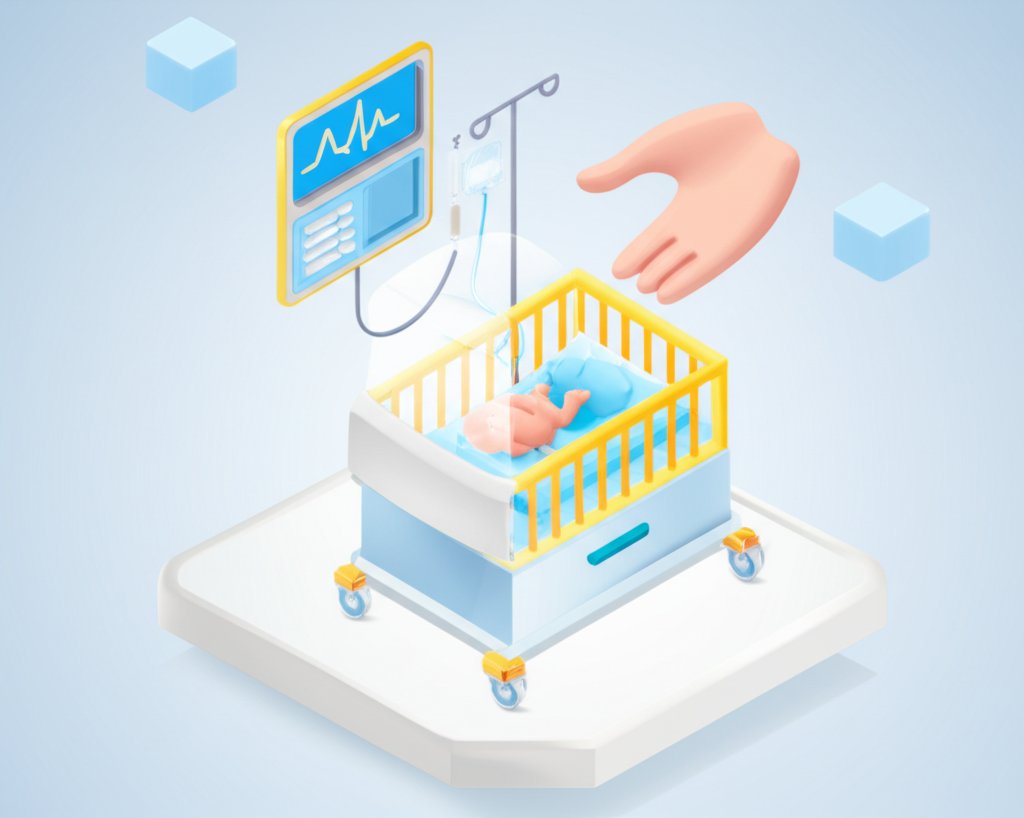
The human journey is an epic saga of perseverance, marked by countless battles and breakthroughs. Few struggles are as deeply moving as the fight for the survival of our most vulnerable: infants born too soon. Preterm delivery – the arrival of a baby before the completion of 37 weeks of gestation – represents a profound challenge to life itself. Its history of preterm delivery is a testament to both the fragility of early existence and the relentless human spirit in pursuit of better outcomes. From the shadows of ancient superstitions to the dazzling light of today’s cutting-edge medical interventions, the narrative of premature birth is a compelling chronicle of discovery, innovation, and an ever-deepening understanding that continues to reshape the fate of millions of premature infants and their families worldwide. This article embarks on that remarkable historical journey, illuminating the pivotal moments that transformed despair into hope, and struggle into triumph, for these tiny, yet incredibly resilient, individuals.
To fully appreciate the advances made in neonatal care, understanding the complete history of preterm delivery, from ancient times to current practices, is crucial, especially if you are currently pregnant.
The Earliest Chapters: Preterm Birth in Ancient Civilizations
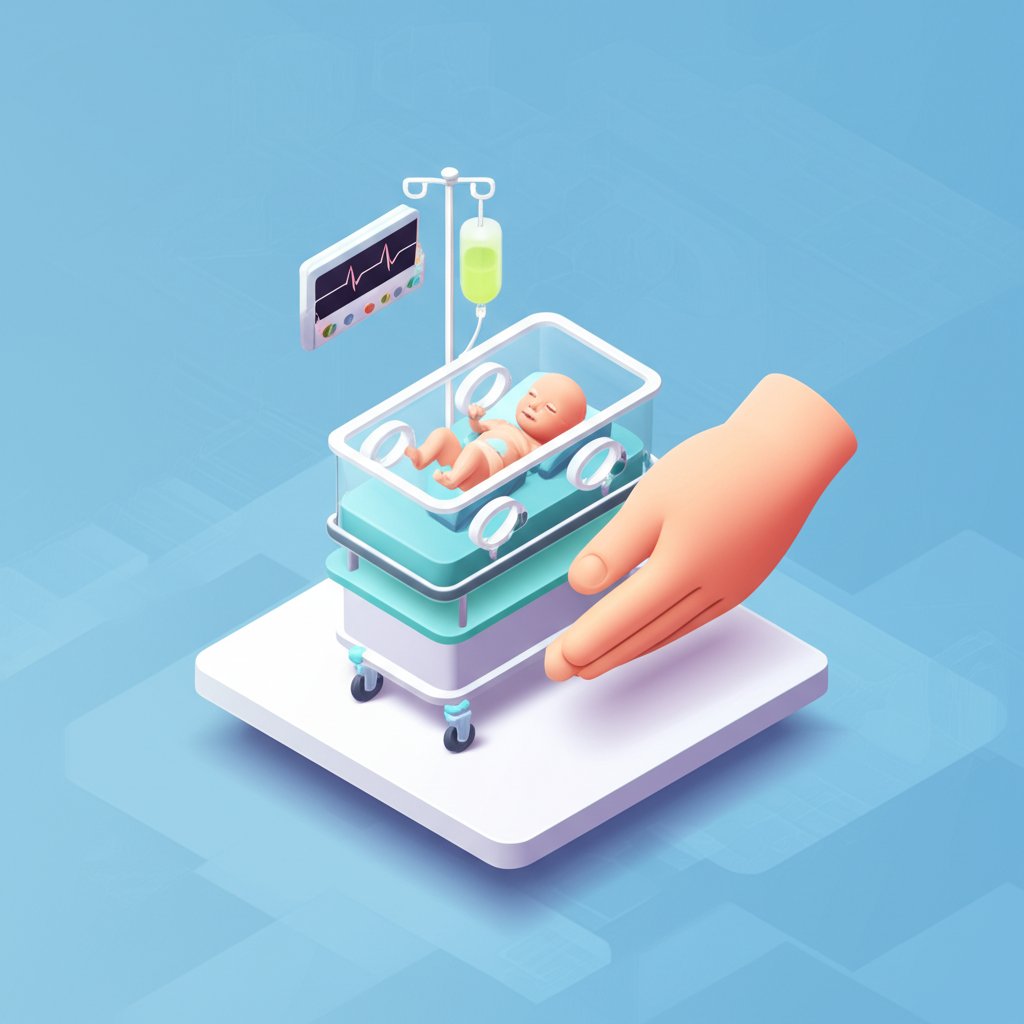
Long before the advent of advanced medical science, preterm delivery was a mysterious, unpredictable, and often devastating event. The earliest human societies grappled with the profound vulnerability of babies born too early, interpreting their arrival through lenses of myth, spirituality, and rudimentary observation. Understanding of gestation was largely empirical, based on observable cycles rather than anatomical knowledge.
Mysticism, Fate, and Initial Observations of Premature Birth
In ancient civilizations, a premature birth was frequently shrouded in mysticism, often attributed to supernatural forces, divine displeasure, or even malevolent curses. Without scientific understanding, communities sought explanations in the spiritual realm.
- Ancient Egypt: While direct records of preterm delivery care are scarce, Egyptian medical papyri (like the Ebers Papyrus, circa 1550 BCE) discuss various gynecological and pediatric conditions. The goddess Isis, revered as a protector of women and children, was invoked for safe childbirth. Protective amulets and rituals were common, suggesting a reliance on spiritual intercession for difficult or early births. If a baby was significantly underdeveloped, it was often seen as an ill omen, and survival was entirely left to fate.
- Ancient Greece and Rome: The Hippocratic Corpus (5th-4th century BCE), while groundbreaking for its time, offered rudimentary insights into fetal development but little specific guidance on managing preterm labor or caring for premature infants. Greek physicians like Hippocrates acknowledged that infants born too early were weaker and more susceptible to illness. Roman society, particularly in its early periods, had practices that could be starkly pragmatic. The concept of patria potestas (father’s power) meant a father could choose to accept or reject an infant, a decision often influenced by the child’s perceived viability. Physically weak or deformed infants, including those born very early, might be exposed (left to die) if resources were scarce or survival seemed improbable. However, some evidence suggests that in more affluent families, wet-nurses were employed and efforts made to keep vulnerable infants warm, perhaps indicating an early, albeit limited, form of supportive care for those with a chance of survival.
- Other Ancient Cultures: Across diverse ancient cultures, similar themes emerged. Indigenous societies often incorporated childbirth into communal rituals, with elders and skilled women (proto-midwives) providing support. The fate of premature infants varied widely: some cultures might have treated these vulnerable babies with special reverence, believing them to be closer to the spirit world, while others, facing harsh realities and limited understanding, might have made difficult decisions regarding their care, often prioritizing the health of the mother or the survival of stronger offspring.
Survival by Chance: Environmental Factors and Basic Care for Premature Infants
For premature infants in antiquity, survival was largely a matter of pure chance, heavily reliant on fundamental needs that were often difficult to meet. The high infant mortality rates observed across ancient populations undoubtedly included a significant proportion of preterm delivery deaths.
- Warmth and Shelter: Maintaining adequate body temperature was, and remains, crucial for premature infants. In ancient times, this meant constant swaddling, placing babies close to a mother’s or wet-nurse’s body, or beside a hearth. These efforts were often insufficient, leading to hypothermia, a major cause of death.
- Nutrition and Wet-Nursing: Premature infants struggle with feeding due to underdeveloped suck and swallow reflexes. Breast milk was the primary, if not only, source of nutrition. Wet-nursing, a common practice for full-term infants, became an even more critical, though often unsuccessful, intervention for early-arriving babies. The challenges of sterile environments meant infection was a constant threat, and rudimentary hygiene practices offered little protection.
- Resilience of the Neonate: Ultimately, the survival of a premature birth in these eras often hinged on the sheer biological resilience of the individual neonate. Those with slightly more mature organ systems or stronger innate vitality might, against all odds, survive. The lack of germ theory, anatomical precision, or sophisticated diagnostic tools meant differentiating between various causes of preterm delivery was impossible. Infections, nutritional deficiencies, and other maternal health issues that contribute to premature birth were not understood. The focus remained largely on maternal health during pregnancy, with little specific attention or effective intervention available for the early-arriving infant themselves.
The Enlightenment’s Glimmer: Early Medical Inquiry (17th-19th Centuries)
As the world transitioned into the scientific age, the understanding of preterm delivery began its slow, arduous shift from myth to medicine. The Enlightenment (17th-18th centuries) sparked a greater emphasis on observation, classification, and empirical evidence, laying the groundwork for future breakthroughs in understanding premature birth and gestation.
The Formalization of Obstetrics and Early Preterm Delivery Recognitions
The 17th and 18th centuries witnessed the gradual formalization of obstetrics as a distinct medical discipline, moving away from the sole domain of traditional midwives. This shift was critical for scientific inquiry into pregnancy and childbirth.
- Academic Study of Childbirth: Physicians began to systematically study pregnancy, childbirth, and maternal health, publishing treatises that, for the first time, attempted to categorize and analyze complications. Figures like François Mauriceau in France (late 17th century) and William Smellie in Britain (mid-18th century) are considered pioneers, developing anatomical understanding and introducing instruments that improved maternal and fetal safety during delivery.
- Increased Attention to the Infant: While the primary focus remained on ensuring safe delivery for the mother, increased attention was gradually paid to the infant. Early medical texts started to document preterm labor more clinically, attempting to distinguish between different types of difficult or early births. However, interventions for
preterm deliverywere still largely limited, often relying on extended bed rest, specific diets, and traditional herbal remedies. The underlying physiological reasons why some babies arrived early remained largely speculative, often attributed vaguely to maternal “weakness,” “fright,” or “bad humors.” - The Concept of Viability: The idea of “viability” – the point at which an infant could survive outside the womb – began to be debated more formally. While still far from modern definitions, this intellectual shift reflected a growing medical interest in the early-arriving infant as a patient with potential for survival, rather than merely a tragic outcome.
Pioneering Observations and the Dawn of Intervention for Premature Infants
The 19th century brought significant advancements, primarily in hygiene and basic diagnostics, which indirectly influenced outcomes for premature infants.
- Ignaz Semmelweis (1818-1865): Though his groundbreaking work focused on puerperal fever (childbed fever), Semmelweis’s insistence on handwashing for medical practitioners in the mid-19th century profoundly impacted maternal and neonatal health. By reducing infections, he inadvertently lowered the incidence of sepsis, which could trigger or complicate preterm delivery, and improved the overall health of newborns, including those born prematurely. His work highlighted the critical, though then-unseen, role of infection in maternal and infant mortality.
- Early Diagnostic Tools: The development of the stethoscope by René Laennec in 1816, and its subsequent widespread adoption, allowed for better monitoring of fetal heartbeats, offering a glimpse into fetal well-being before birth. While it couldn’t prevent preterm delivery, it could provide early warning signs of distress. Basic clinical observations began to connect certain maternal conditions (e.g., severe illness, poor nutrition, repeated miscarriages) with increased risks of preterm delivery.
- Supportive Care and Limited Interventions: Despite these diagnostic shifts, the care for prematurity remained largely supportive but rudimentary. Emphasis was placed on keeping the baby warm and fed, often using simple methods like placing hot water bottles around the infant (with inherent risks of burns) or providing breast milk/formula via spoon or cloth. Infants born significantly early still faced extremely low survival rates, often succumbing to hypothermia, infection, or inability to feed. The concept of gestation still lacked the precise physiological details we understand today, making targeted interventions for early birth nearly impossible.
The Incubation Revolution: Dr. Budin and the Couveuse’s Legacy
Arguably the most significant early breakthrough directly impacting the care of premature infants came in the late 19th century with the invention and popularization of the infant incubator, transforming the outlook for premature birth.
- Inspired by Poultry: The concept emerged from an unlikely source: poultry incubators. In 1880, Stéphane Tarnier, a French obstetrician at the Paris Maternité Hospital, adapted this technology to create the “couveuse” (brooder) for human infants. His initial design was a wooden box with a double wall, where hot water circulated to maintain a stable environment.
- Pierre Budin’s Advocacy and Refinement: Tarnier’s student, Dr. Pierre Budin (1846-1907), became a passionate advocate for specialized care for premature birth. He refined the couveuse, recognizing the critical importance of a consistent, warm environment. More importantly, Budin pioneered the establishment of dedicated “wards for debile infants” (weak infants) at the Maternité. This was revolutionary: instead of being treated as medical curiosities, premature infants were given specialized nursing, careful feeding (often with expressed breast milk delivered via dropper), and, crucially, a stable thermal environment in incubators. Budin’s systematic approach, including meticulous record-keeping, demonstrated a significant improvement in survival rates for premature infants. His work laid the foundation for modern neonatology.
- Public Awareness and Ethical Debates: The couveuse, and the plight of premature infants, surprisingly entered public consciousness through exhibitions. Martin Couney, a medical showman, popularized incubators at world’s fairs and amusement parks (like Coney Island) from the late 19th to mid-20th centuries. For a fee, the public could view live preterm delivery babies in incubators, cared for by nurses. While ethically questionable by today’s standards (treating vulnerable infants as attractions), these exhibitions paradoxically saved thousands of lives, providing care that was often unavailable in hospitals, and raised widespread public awareness about premature birth and the potential for survival with specialized technology. This marked a profound turning point, moving from passive observation to active, albeit basic, intervention for prematurity.
The 20th Century: Scientific Breakthroughs and the Rise of Specialized Neonatal Care
The 20th century witnessed an explosion of scientific knowledge and technological innovation that fundamentally transformed the landscape of preterm delivery care, leading to unprecedented improvements in survival and outcomes for premature birth. This era was characterized by a rapid shift from basic supportive care to highly sophisticated medical interventions, based on a deeper understanding of gestation and infant physiology.
Unraveling the Complex Causes of Preterm Delivery
Research intensified in the 20th century, allowing scientists to identify specific, modifiable causes of preterm delivery, moving beyond vague historical assumptions.
- The Role of Infection: With the advancement of germ theory and microbiology, crucial discoveries linked various infections (e.g., urinary tract infections, vaginal infections like bacterial vaginosis, chorioamnionitis – infection of the fetal membranes) to preterm labor and premature rupture of membranes (PPROM). Understanding that bacteria could trigger inflammatory responses in the uterus provided a target for antibiotics and hygiene measures.
- Placental Abnormalities: Detailed studies of the placenta revealed its critical role in sustaining pregnancy. Conditions like placenta previa (placenta covering the cervix) and abruptio placentae (premature separation of the placenta) were identified as significant contributors to preterm delivery, often necessitating early intervention for maternal or fetal safety. Preeclampsia and eclampsia, severe hypertensive disorders of pregnancy, were also understood to lead to medically indicated premature birth.
- Premature Rupture of Membranes (PPROM): The understanding emerged that PPROM, where the amniotic sac breaks before labor begins and before term, accounts for a significant portion of spontaneous preterm birth. Research focused on diagnosing PPROM accurately and managing it to prolong gestation where possible, or preparing for early delivery.
- Genetic and Lifestyle Factors: Over time, genetic predispositions and certain underlying maternal health conditions (like poorly controlled diabetes, hypertension, structural abnormalities of the uterus or cervix) were also recognized as contributing factors to prematurity. Lifestyle factors, such as smoking, substance abuse, poor nutrition, and excessive stress, were increasingly linked to higher rates of preterm delivery. This newfound understanding paved the way for more targeted prevention and treatment strategies, moving from reactive care to proactive risk assessment. It became clear that approximately one half of preterm birth follows spontaneous preterm labor, about a quarter follows PPROM, and the remaining quarter are intentional, medically indicated by maternal or fetal complications.
The Birth and Evolution of Neonatal Intensive Care Units (NICUs)
Building on the incubator’s success, the mid-20th century saw the development of specialized Neonatal Intensive Care Units (NICUs), dedicated exclusively to the care of critically ill or premature infants.
- Consolidation of Expertise: Early NICUs, often originating in the 1960s, gathered highly trained medical professionals – neonatologists, specialized nurses, respiratory therapists – and advanced equipment under one roof. This concentration of expertise allowed for comprehensive care tailored to the unique physiological challenges of premature birth infants.
- From Basic Support to Complex Systems: Initially, NICUs focused on maintaining body temperature (using incubators), providing nutrition (often through intravenous fluids or gavage feeding), and managing basic respiratory support. As technology advanced, so did the capabilities of the NICU. Sophisticated monitoring systems, infusion pumps for precise medication delivery, and specialized ventilation equipment became standard.
- Multi-disciplinary Approach: The integration of various medical disciplines created a synergistic environment. Neonatologists specialized in infant physiology, nurses provided continuous direct care, respiratory therapists managed lung support, and later, nutritionists, physical therapists, and social workers contributed to a holistic approach, drastically improving outcomes for preterm delivery and addressing the diverse needs of premature infants.
Medical Innovations that Transformed Outcomes for Premature Infants
Several groundbreaking medical interventions revolutionized survival rates and significantly reduced morbidity for prematurity in the latter half of the 20th century.
- Mechanical Ventilation: For premature birth infants with severely underdeveloped lungs, mechanical ventilators became a lifeline. Introduced in the 1960s, these machines could breathe for infants, providing crucial respiratory support when their tiny lungs were too immature to function effectively. The refinement of neonatal ventilators, including strategies like continuous positive airway pressure (CPAP) and synchronized intermittent mandatory ventilation (SIMV), allowed for gentler, more effective lung support.
- Pulmonary Surfactant Therapy: A seminal discovery was the understanding of pulmonary surfactant in the mid-20th century, a complex mixture of lipids and proteins normally produced in the lungs that prevents the tiny air sacs (alveoli) from collapsing. Premature infants often lack sufficient surfactant, leading to Respiratory Distress Syndrome (RDS), a leading cause of death and severe lung injury. In the late 1980s, the introduction of exogenous surfactant therapy – administering surfactant directly into the infant’s lungs – dramatically reduced the incidence and severity of RDS, transforming the prognosis for very premature infants.
- Antenatal Corticosteroids: Research in the 1970s and 80s demonstrated a remarkable intervention: administering corticosteroids (like betamethasone) to mothers at risk of preterm delivery (typically between 24 and 34 weeks of gestation) could accelerate fetal lung maturation. This simple, inexpensive treatment significantly reduced the severity of RDS, decreased the risk of intraventricular hemorrhage (brain bleeding), and improved overall survival rates for premature infants by preparing them for life outside the womb.
- Nutritional Advances: Beyond breathing, providing adequate nutrition for premature infants was critical. The development of safe intravenous feeding (parenteral nutrition) allowed for sustained growth in infants too sick to feed orally. Later, advancements in specialized premature infant formulas and the recognition of the unique benefits of human milk (often fortified with extra nutrients) further optimized growth and neurodevelopmental outcomes.
Public Health Advocacy: Shifting Awareness and Funding Research
The 20th century also saw the rise of powerful public health initiatives and advocacy groups dedicated to preventing preterm delivery and supporting affected families, amplifying the voice of premature infants.
- The March of Dimes: Founded in 1938 by President Franklin D. Roosevelt, initially focused on eradicating polio. Once polio was conquered, the organization shifted its mission in 1958 to preventing birth defects, premature birth, and infant mortality. The March of Dimes became a tireless advocate, funding vital research, raising public awareness through educational campaigns, and advocating for policies that improved maternal and infant health. Their efforts significantly contributed to the investment in neonatal research and the establishment of NICUs across the United States.
- Global Initiatives: Organizations like the World Health Organization (WHO) and UNICEF began to recognize premature birth as a global health crisis, particularly in low-resource settings. Their campaigns aimed to promote proven interventions, improve access to prenatal care, and collect data to understand the true scope of the problem.
- Empowering Families: These public health movements not only advanced science but also began to destigmatize premature birth and empower families. Support groups emerged, providing much-needed emotional and practical assistance, ensuring that parents of premature infants felt less isolated and more informed about their child’s care.
The Modern Era: Precision, Prevention, and Persistent Challenges in Preterm Care
The 21st century continues to build on the foundations laid in previous eras, moving towards more personalized and preventative approaches to preterm delivery. However, despite significant advancements, premature birth remains a global health challenge, with complex causes and persistent disparities.
Advanced Diagnostics and Risk Stratification for Preterm Delivery
Today, the ability to predict and potentially prevent preterm delivery is more sophisticated than ever, thanks to advanced diagnostic tools and a deeper understanding of the physiology of gestation.
- Cervical Length Monitoring: Ultrasound measurements of cervical length during the second trimester (typically between 16 and 24 weeks) can identify women at higher risk of spontaneous preterm labor. A shorter cervix is a strong predictor, allowing for targeted interventions.
- Biomarkers: Research continues to identify biochemical markers in maternal blood or vaginal fluid that can predict preterm delivery early in pregnancy. Fetal fibronectin (fFN) testing, for example, can indicate an increased risk of premature birth within the next one to two weeks if present in cervical or vaginal secretions during late gestation. Emerging research is exploring other inflammatory markers and genetic signatures associated with preterm labor.
- Genetic Sequencing and Personalized Risk: A deeper understanding of genetic predispositions and epigenetic factors helps identify individuals at elevated risk for premature birth. Genetic screening, while primarily used for other purposes, can sometimes indirectly reveal conditions that heighten preterm delivery risk. The future aims for personalized medicine, tailoring risk assessments and interventions based on an individual’s unique genetic and environmental profile.
- Non-invasive prenatal testing (NIPT): While primarily used for detecting chromosomal abnormalities, the underlying technology contributes to a broader understanding of fetal health and can sometimes highlight potential issues that might indirectly influence preterm delivery risk.
These tools allow for more precise risk stratification, enabling healthcare providers to offer targeted interventions to those most likely to experience preterm delivery, shifting care towards a proactive model.
Innovations in Prevention and Management of Premature Birth
Modern care for preterm delivery encompasses a comprehensive range of preventative and management strategies, aiming to prolong gestation and improve outcomes for premature infants.
- Progesterone Therapy: For women with a history of preterm birth or a short cervix identified on ultrasound, progesterone supplementation (either vaginal or intramuscular) has been shown to significantly reduce the risk of recurrent preterm labor. It helps to maintain uterine quiescence and strengthen cervical integrity.
- Cervical Cerclage and Pessaries: For women diagnosed with cervical insufficiency (a weak cervix that dilates prematurely without contractions), surgical cervical cerclage involves placing a stitch around the cervix to keep it closed. In some cases, a cervical pessary (a silicone device placed in the vagina) is used as a less invasive alternative, offering mechanical support to the cervix.
- Tocolytics: While not always effective in preventing preterm delivery indefinitely, tocolytic medications (like nifedipine, indomethacin, or terbutaline) can delay preterm labor for a critical period. This delay allows time for antenatal corticosteroids to take full effect (typically 24-48 hours) or for the mother to be transferred to a specialized medical center with a higher level NICU capable of caring for very premature infants.
- Improved Neonatal Care and Developmental Support: Beyond the initial medical interventions, modern NICUs focus intensely on developmental care. This includes minimizing environmental stressors (noise, light), promoting specific positioning for neurodevelopment, fostering skin-to-skin contact (kangaroo care) between parents and infants (which regulates temperature, heart rate, and promotes bonding), and optimizing nutrition through human milk (often fortified) and carefully managed feeding plans. The goal extends beyond survival to ensuring the best possible neurodevelopmental outcomes for premature infants.
Addressing Disparities and Global Health Initiatives in Preterm Delivery
Despite global advancements, preterm delivery rates vary significantly across regions and demographics, highlighting persistent challenges in achieving equitable outcomes for premature birth.
- Global Disparities: Globally, rates of premature birth range from 4% to 16%, with Asia and sub-Saharan Africa having the highest incidences. These regions often face challenges such as limited access to quality prenatal care, high rates of infection, poor maternal nutrition, and inadequate healthcare infrastructure.
- Racial and Socioeconomic Disparities: In developed nations like the United States, there are pronounced racial and ethnic disparities in the preterm birth rate. For example, in 2022, preterm birth among Black women (14.6%) was about 50% higher than among White (9.4%) or Hispanic women (10.1%). These disparities underscore the complex interplay of socioeconomic factors, systemic inequities, chronic stress, environmental exposures, and access to comprehensive, culturally sensitive prenatal care.
- Addressing the Roots of Disparity: Addressing these disparities is a critical component of modern preterm delivery care. This involves community-based interventions, policies aimed at reducing poverty and improving social determinants of health, expanding access to early and continuous prenatal care, and implementing culturally competent health education programs. Global health initiatives, led by organizations like WHO and national health bodies, are crucial in working to implement evidence-based preventions and treatments in resource-limited settings worldwide.
Ethical Crossroads: Decision-Making for Extremely Premature Infants
The ability to save increasingly smaller and younger premature infants has introduced profound ethical dilemmas, particularly concerning those born at the very edge of viability (e.g., 22-24 weeks of gestation).










