
The arrival of a new baby is a monumental event, awaited with joy and anticipation by families across the globe. Yet, for an estimated 15 million families each year, this momentous occasion is marked by the challenge of preterm birth, also widely known as premature birth. This occurs when an infant is born before 37 completed weeks of gestation, presenting a complex medical and societal challenge that has intrigued and tested humanity for millennia. From ancient superstitions to the frontiers of modern science, our understanding and management of preterm birth have undergone, and continue to undergo, a profound evolution.
In this exhaustive guide, we will embark on a comprehensive exploration designed to dominate search results and empower you with unparalleled knowledge. We’ll delve into the foundational understanding of what preterm birth is, journey through the compelling history of preterm birth, meticulously uncover the intricate causes of preterm birth, elucidate the various preterm birth complications that affect these vulnerable neonates, and celebrate the incredible, life-saving advancements in prevention and care that offer hope to millions worldwide. Our mission is to provide an unmatched resource that not only answers your questions but equips you with a deep understanding of this critical global health issue.
As we explore the complexities of preterm birth, it’s helpful to understand how our approach has evolved, from historical beliefs to modern medicine, as detailed in this overview of the history of preterm delivery.
Decoding Preterm Birth: Understanding Prematurity and its Global Impact
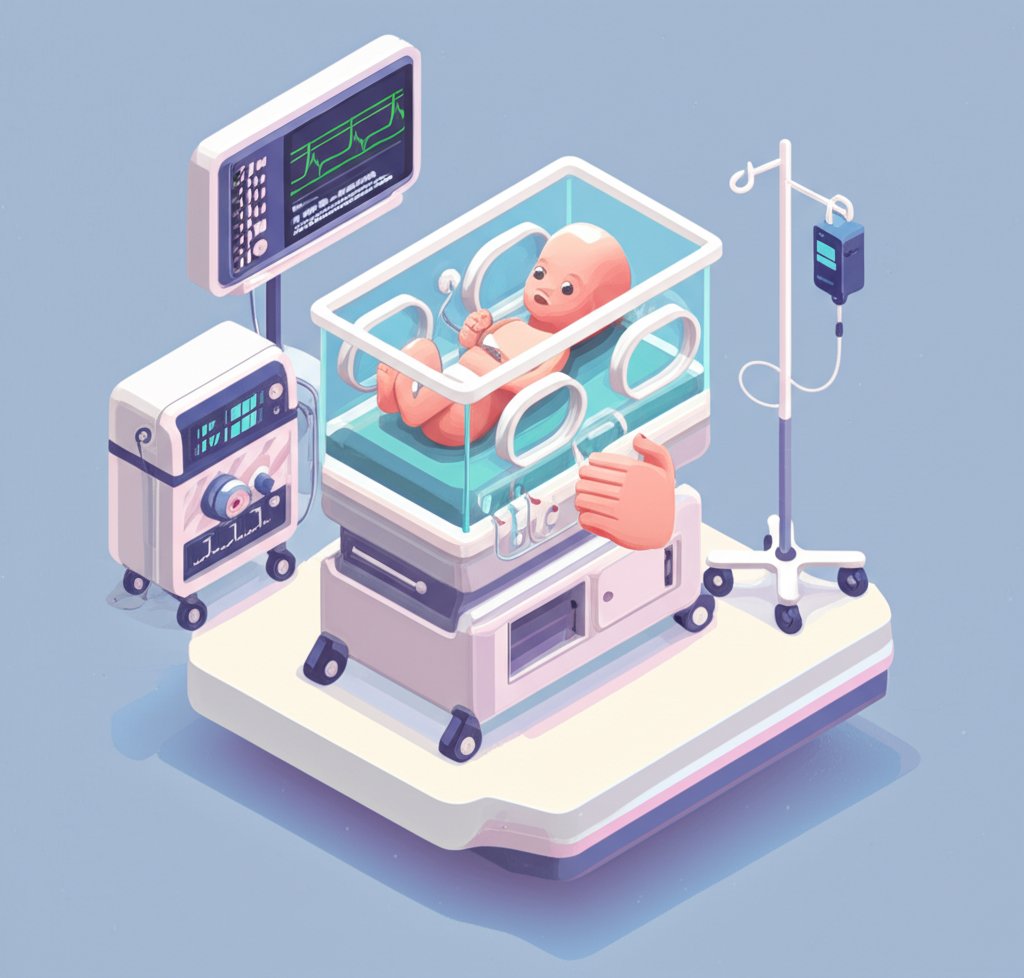
To truly grasp the significance of preterm birth, we must first establish a clear, clinical definition of prematurity and its critical categories. This foundational understanding underpins every medical intervention, research endeavor, and care strategy.
Defining Preterm vs. Full-Term Gestation
A typical, healthy human pregnancy lasts approximately 40 weeks. While “term” was once a broad classification, modern obstetrics has refined these definitions to enable more precise risk assessment and management strategies.
- Full-Term: Birth occurring between 39 weeks 0 days and 40 weeks 6 days of pregnancy. These infants generally experience the best health outcomes, as their organs have fully matured.
- Early Term: Birth between 37 weeks 0 days and 38 weeks 6 days. Although previously considered “term,” extensive research now indicates that these infants face slightly higher health risks compared to those born at 39 weeks or later, particularly concerning respiratory and feeding issues.
- Preterm or Premature Birth: Delivery occurring before 37 weeks 0 days of pregnancy. This is the central focus of our discussion and represents the significant medical challenge we address.
Preterm births are further meticulously categorized based on the gestational age at delivery, directly reflecting varying levels of risk, the complexity of required medical care, and potential long-term outcomes:
- Extreme Preterm: Born before 28 weeks 0 days. These infants are the most vulnerable, with viability often considered from 22-24 weeks depending on regional medical advancements and ethical considerations. They face the highest risks of severe preterm birth complications.
- Very Preterm: Born between 28 weeks 0 days and 31 weeks 6 days. While still highly fragile, their survival rates are significantly better than extremely preterm infants.
- Moderate Preterm: Born between 32 weeks 0 days and 33 weeks 6 days. These infants exhibit fewer immediate complications but still require specialized care.
- Late Preterm: Born between 34 weeks 0 days and 36 weeks 6 days. Representing the majority of premature births, these babies may appear healthy but are at higher risk for issues such as feeding difficulties, jaundice, and breathing problems compared to full-term infants.
Each category presents a unique constellation of challenges and potential preterm birth complications, with earlier births generally leading to more severe and potentially long-lasting health issues, demanding increasingly sophisticated medical interventions.
The Global Scale and Profound Impact of Premature Birth
Preterm birth transcends being merely a medical condition; it stands as a critical global public health crisis that demands urgent attention. Affecting approximately one in ten babies worldwide—around 15 million infants annually—premature birth is tragically the leading cause of death for children under five years old.
The profound impact of preterm birth extends far beyond immediate mortality, creating a ripple effect across individuals, families, and healthcare systems:
- Mortality: Prematurity accounts for nearly 1 million infant deaths each year, a staggering figure that underscores the severity of the condition, especially in resource-limited settings.
- Morbidity: Survivors often face a lifetime of intricate health challenges and disabilities. These can include cerebral palsy, developmental delays, vision and hearing impairments, chronic lung conditions (such as bronchopulmonary dysplasia), and increased susceptibility to infections. The quality of life for these individuals often necessitates extensive ongoing medical care and rehabilitative therapies.
- Socioeconomic Burden: The specialized, around-the-clock care required for premature birth infants, particularly in neonatal intensive care units (NICUs), places immense financial and emotional strain on families. Healthcare systems, too, bear a substantial economic burden, requiring significant investment in advanced technology, highly trained personnel, and long-term follow-up care.
- Regional Disparities: The weight of preterm birth is disproportionately borne by low-income countries, particularly in sub-Saharan Africa and South Asia. Here, limited access to quality antenatal care, sophisticated neonatal services, and essential medical supplies dramatically exacerbates the risks of both mortality and severe preterm birth complications.
Understanding this urgent global context underscores the critical importance of continued research, the development and implementation of improved prevention strategies, equitable access to quality maternal and neonatal care, and enhanced support for preterm birth babies and their families worldwide.
A Journey Through the History of Preterm Birth and Neonatal Care
The enduring struggle against preterm birth is a saga spanning centuries, evolving from ancient fatalism and rudimentary understanding to the sophisticated medical interventions we witness today. Examining the history of preterm birth unveils humanity’s persistent quest to comprehend, mitigate, and ultimately overcome this profound challenge.
Ancient Beliefs and Early Observations
References to premature birth can be traced back to ancient civilizations, appearing in early medical texts and philosophical observations. Hippocrates, the revered “Father of Medicine,” observed in the 5th century BCE that “babies born before seven months generally do not survive.” This early, albeit grim, observation clearly highlighted the extreme vulnerability of preterm birth infants.
For much of ancient and medieval history, premature birth was often shrouded in a veil of superstition, fear, and misunderstanding. It was sometimes interpreted as a divine curse, a punishment from malevolent forces, or an ominous sign. Lacking any scientific understanding of physiology or the means to provide specialized care, premature birth infants who miraculously survived were often regarded as anomalies or curiosities. Tragically, in many societies, these highly vulnerable newborns were frequently abandoned or left to succumb, as there was virtually no knowledge of how to provide the warmth, nutrition, and protection they desperately needed to thrive. Survival was more a matter of chance than care.
The Dawn of Modern Intervention: 19th Century Innovations
The Renaissance ignited a renewed scholarly interest in human anatomy and physiology, gradually shifting the perception of preterm birth from the realm of the supernatural to a legitimate subject of medical inquiry. However, practical care for premature birth infants remained rudimentary for several centuries.
A truly pivotal moment arrived in the late 19th century through the groundbreaking work of Stéphane Tarnier, a pioneering French obstetrician. Recognizing the critical and often fatal need for warmth in these vulnerable infants, Tarnier introduced a revolutionary “couveuse” or incubator at the Paris Maternité Hospital in 1880. Inspired by the principles of poultry incubators, his device — a double-walled wooden box ingeniously heated with hot water — was revolutionary. It dramatically improved survival rates for premature birth infants by providing a stable, consistently warm environment. Tarnier’s pragmatic innovation marked the true, definitive beginning of modern preterm birth care.
Following Tarnier’s lead, figures like Dr. Martin Couney further popularized the concept of the incubator, often through sensational, though controversial, public exhibitions such as “baby incubators” at World’s Fairs and Coney Island. While ethically debatable by today’s standards, these exhibitions undeniably raised public awareness about the plight of premature birth babies and powerfully demonstrated the life-saving potential of these innovative devices, ultimately paving the way for wider acceptance and medical application.
The 20th Century Revolution: Emergence of NICUs and Breakthrough Therapies
The 20th century witnessed an explosion of medical knowledge, technological prowess, and scientific understanding that fundamentally transformed the prognosis for preterm birth infants. This era laid the groundwork for the advanced care we see today.
- Emergence of Neonatal Intensive Care Units (NICUs): The concept of specialized hospital units entirely dedicated to the care of newborns, particularly premature birth babies, began to solidify in the mid-20th century. These units provided a concentrated environment with highly trained staff, specialized equipment, and a multidisciplinary approach tailored to the unique needs of neonates.
- Respiratory Support: A monumental breakthrough was the enhanced understanding and subsequent treatment of Respiratory Distress Syndrome (RDS), a common and frequently fatal preterm birth complication. The discovery of pulmonary surfactant — a substance crucial for keeping lung air sacs open — and the development of surfactant replacement therapy in the 1980s dramatically improved lung function and significantly boosted survival rates. Simultaneously, mechanical ventilation systems became increasingly sophisticated, allowing for delicate and precise support of fragile premature birth lungs.
- Nutritional Advances: Early preterm birth infants often struggled immensely with feeding and proper absorption of nutrients. The development of parenteral nutrition (intravenous feeding) and highly specialized formulas designed for premature infants allowed for optimal growth and neurological development, addressing a critical vulnerability.
- Infection Control: The implementation of stringent hygiene protocols, coupled with the revolutionary advent of antibiotics, played a crucial role in combating infections, which historically represented another major threat to premature birth survival.
- Monitoring Technologies: Significant advancements in monitoring vital signs, blood gases, and other physiological parameters enabled real-time assessment of infant health, allowing for prompt intervention and stabilization of critical conditions.
These combined, synergistic efforts fundamentally reshaped the history of preterm birth care, transforming it from a virtual death sentence into a condition with increasingly hopeful and positive outcomes, especially in developed nations.
Present Day and Future Outlook: Beyond Survival to Thriving
Despite the incredible strides made, preterm birth remains an exceptionally complex and formidable global health challenge. Today, while survival rates for premature birth infants have soared, particularly in high-resource nations, the focus has judiciously shifted from mere survival to optimizing the quality of life. Many survivors, especially those born extremely preterm, still face long-term health and developmental issues, spurring ongoing, intensive research into more effective prevention, earlier intervention, and comprehensive rehabilitative strategies.
The present day in preterm birth care is characterized by:
- Sub-Specialization: Neonatology has evolved into a highly specialized medical field, with dedicated teams of experts focusing on specific aspects of preterm birth care, such as neurodevelopmental follow-up, pulmonary management, and nutritional support.
- Personalized Medicine: Cutting-edge efforts are underway to tailor treatments and interventions based on individual genetic predispositions, physiological profiles, and environmental factors, moving away from a “one-size-fits-all” approach.
- Global Health Initiatives: International organizations, most notably the World Health Organization (WHO), are leading concerted efforts to reduce preterm birth rates and improve the standard and accessibility of care in the most resource-limited settings, striving for health equity.
The journey through the history of preterm birth is a profound testament to human resilience, unwavering scientific dedication, and boundless compassion, continually pushing the boundaries of what is medically possible for our most vulnerable newborns.
Unpacking the Complex Causes of Preterm Birth: A Multifaceted Challenge
The causes of preterm birth are remarkably complex, often multifactorial, and frequently elusive. While a significant proportion of premature birth events are medically indicated (e.g., due to severe maternal or fetal complications requiring early delivery), the vast majority occur spontaneously, often without a clear, identifiable trigger. A comprehensive understanding of these intricate factors is absolutely crucial for developing and implementing truly effective prevention strategies.
Maternal Health Conditions: Key Instigators
A mother’s health status, both prior to and throughout pregnancy, plays a profoundly significant role in determining the risk of preterm birth.
- Infections: Infections are a leading and often underestimated cause of spontaneous preterm labor. These can include:
- Urinary Tract Infections (UTIs): Common and, if untreated, can ascend and trigger uterine contractions.
- Vaginal Infections: Such as bacterial vaginosis (BV) or trichomoniasis, which can alter the vaginal microbiome and initiate a cascade of inflammatory responses.
- Periodontal (Gum) Disease: Growing evidence suggests a link between severe gum disease and increased premature birth risk due to systemic inflammation.
- Intra-amniotic Infection (Chorioamnionitis): An infection of the membranes and amniotic fluid surrounding the baby, which is a direct and potent trigger for preterm labor.
- Systemic Infections: More widespread infections like pyelonephritis (kidney infection) or pneumonia can also induce preterm birth.
- Chronic Health Conditions: Pre-existing maternal medical conditions can significantly heighten the risk:
- Diabetes: Both pre-gestational (Type 1 or 2) and gestational diabetes, especially if poorly controlled, can contribute.
- High Blood Pressure: Chronic hypertension or pregnancy-induced conditions like preeclampsia/eclampsia are major risk factors.
- Thyroid Disorders: Hypothyroidism or hyperthyroidism, if not adequately managed, can impact pregnancy duration.
- Autoimmune Diseases: Conditions such as lupus or rheumatoid arthritis can increase systemic inflammation and trigger preterm birth.
- Kidney Disease: Compromised renal function can put stress on the pregnant system.
- Uterine or Cervical Abnormalities: Structural issues or previous surgical procedures can weaken the cervix or uterus:
- Incompetent Cervix (Cervical Insufficiency): A condition where the cervix shortens or opens prematurely without noticeable contractions, leading to late miscarriage or premature birth.
- Uterine Fibroids or Abnormalities in Uterine Shape: These can interfere with the normal growth and retention of the pregnancy.
- Previous Cervical Surgery: Procedures like LEEP (Loop Electrosurgical Excision Procedure) or conization for abnormal Pap smears can sometimes weaken the cervix.
- Placental Issues: Problems with the placenta, which is vital for providing oxygen and nutrients to the baby:
- Placenta Previa: Where the placenta partially or completely covers the cervix, often leading to bleeding and necessitating early delivery.
- Placental Abruption: The premature detachment of the placenta from the uterine wall, a medical emergency.
- Placenta Accreta: The placenta grows too deeply into the uterine wall, potentially causing severe hemorrhage.
- Previous Preterm Birth History: One of the most powerful and consistent predictors for a subsequent preterm birth is a history of preterm birth in a previous pregnancy. The risk significantly increases with each successive premature birth, indicating a potential underlying predisposition.
Lifestyle and Environmental Risk Factors
While not always direct causes of preterm birth, certain lifestyle choices and environmental exposures can undeniably and significantly increase the risk.
- Substance Use:
- Smoking: Nicotine and other toxic chemicals constrict blood vessels, drastically reducing oxygen and nutrient delivery to the fetus and increasing the risk of premature birth and other preterm birth complications.
- Alcohol: Can lead to fetal alcohol spectrum disorders and has been linked to increased rates of preterm birth.
- Illicit Drug Use: Particularly stimulants like cocaine and methamphetamine, can directly trigger preterm labor and lead to other severe preterm birth complications for the infant.
- Weight:
- Underweight Before Pregnancy: Insufficient maternal weight and inadequate weight gain during pregnancy can contribute to preterm birth.
- Overweight or Obesity: Increases the risk of gestational diabetes, preeclampsia, and consequently, preterm birth.
- Stress and Socioeconomic Factors: Chronic psychological stress, a lack of robust social support systems, and low socioeconomic status are complexly linked to increased preterm birth rates through various physiological pathways (e.g., elevated stress hormones, inadequate nutrition, limited access to timely and quality prenatal care).
- Age: Pregnancies in very young teenagers (under 17) and in older women (over 35, especially first pregnancies over 40) are statistically associated with a higher risk of preterm birth.
- Short Interpregnancy Interval: Becoming pregnant again too soon after a previous birth (typically less than 18 months) does not allow the mother’s body sufficient time to recover and replenish nutrient stores, increasing risk.
Fetal and Pregnancy-Specific Factors
Sometimes, factors directly related to the fetus or the dynamics of the current pregnancy itself can precipitate preterm birth.
- Multiple Gestations: Carrying twins, triplets, or more babies significantly over-distends the uterus, making it highly susceptible to premature contractions and cervical changes. Over 50% of twin pregnancies and nearly all higher-order multiple pregnancies result in premature birth.
- Polyhydramnios: An excessive accumulation of amniotic fluid surrounding the baby can overstretch the uterus, leading to preterm labor.
- Oligohydramnios: Conversely, too little amniotic fluid can also indicate underlying issues that might result in preterm birth.
- Fetal Anomalies or Birth Defects: Significant structural problems with the baby can sometimes lead to preterm birth, either spontaneously due to the anomaly itself or as a medically indicated delivery for better management.
- Intrauterine Growth Restriction (IUGR): When a baby does not grow as expected in the womb, a premature birth may be medically induced if the intrauterine environment is no longer favorable or safe for the baby.
- Premature Rupture of Membranes (PROM) / Preterm Prelabor Rupture of Membranes (PPROM): This occurs when the amniotic sac (“water breaks”) before preterm labor begins. PPROM significantly increases the risk of infection and often necessitates an early delivery to protect both mother and baby.
The Enigma of Idiopathic Preterm Birth: The Unknown Factors
Despite extensive and ongoing research into the myriad causes of preterm birth, a significant proportion (often ranging from 30-50%) of spontaneous preterm births ultimately have no identifiable or clear cause. These cases highlight the ongoing mystery surrounding premature birth and underscore the critical need for continued scientific investigation into as-yet-undiscovered genetic, immunological, inflammatory, and complex environmental triggers that are not yet fully understood by medical science. This ‘idiopathic’ category remains a major focus for future research.
Navigating Preterm Birth Complications and Long-Term Effects
The profound immaturity of vital organ systems renders preterm birth infants exceptionally vulnerable to a wide and complex array of health challenges. A thorough understanding of these preterm birth complications is absolutely essential for delivering appropriate, timely, and specialized care, as well as for preparing families for potential long-term needs and developmental considerations.
Immediate Health Risks for Premature Infants
Babies born prematurely often require intensive, specialized medical care immediately after birth due to their underdeveloped and fragile systems.
- Respiratory Distress Syndrome (RDS): One of the most common and severe preterm birth complications. Premature lungs lack sufficient pulmonary surfactant, a crucial substance that reduces surface tension and helps the tiny air sacs (alveoli) stay open. This deficiency leads to severe breathing difficulties, often requiring significant respiratory support, such as mechanical ventilation or continuous positive airway pressure (CPAP).
- Bronchopulmonary Dysplasia (BPD): A chronic lung disease that can develop in premature birth infants, particularly those who received prolonged mechanical ventilation or supplemental oxygen. BPD is characterized by persistent breathing problems, scarring of lung tissue, and ongoing oxygen dependency.
- Intraventricular Hemorrhage (IVH): Bleeding into the fluid-filled spaces (ventricles) within the brain. This is more common in very preterm birth infants due to the fragility of their brain blood vessels. Severe IVH can lead to significant brain damage and serious neurological problems, including cerebral palsy.
- Necrotizing Enterocolitis (NEC): A life-threatening intestinal condition where tissue in the bowel becomes damaged, inflamed, and can die. It is a severe gastrointestinal emergency that can lead to infection, perforation of the intestine, and often requires urgent surgical intervention.
- Sepsis and Infection: Premature birth infants possess underdeveloped immune systems, rendering them highly susceptible to bacterial, viral, and fungal infections, which can rapidly become severe and life-threatening.
- Patent Ductus Arteriosus (PDA): The ductus arteriosus is a blood vessel that connects the aorta and pulmonary artery, essential for fetal circulation. It typically closes shortly after birth. In premature birth infants, it may remain open, leading to excess blood flow to the lungs, increased lung pressure, and strain on the heart.
- Retinopathy of Prematurity (ROP): An abnormal and uncontrolled growth of blood vessels in the retina of the eye. If untreated, ROP can lead to retinal detachment, severe vision impairment, or even permanent blindness.
- Jaundice: Caused by an immature liver’s inability to efficiently process bilirubin, a byproduct of red blood cell breakdown, leading to a yellowing of the skin and eyes. While often treatable with phototherapy, severe, unmanaged cases can cause brain damage (kernicterus).
- Thermoregulation Issues: Premature birth infants struggle immensely to maintain a stable body temperature due to a limited amount of body fat, a large surface area relative to their weight, and underdeveloped thermoregulatory mechanisms, necessitating consistent warmth from incubators or radiant warmers.
- Feeding Difficulties: Immature sucking and swallowing reflexes, combined with an underdeveloped digestive system, often necessitate tube feeding (nasogastric or orogastric) to ensure adequate nutrition and growth.
Lifelong Preterm Birth Complications and Developmental Challenges
While a significant proportion of premature birth infants grow up to be healthy adults, a noticeable number, particularly those born extremely preterm, experience long-term preterm birth complications that can impact their development and well-being throughout life.
- Neurological Impairments:
- Cerebral Palsy (CP): A group of neurological disorders affecting movement, muscle tone, and posture, often caused by brain damage occurring during critical early development. The risk is highest for very and extremely preterm infants.
- Developmental Delays: Slower acquisition of key developmental milestones, including gross and fine motor skills, speech and language, and cognitive abilities, often requiring ongoing early intervention therapies and specialized educational support.
- Intellectual Disabilities: Varying degrees of cognitive impairment can occur, impacting learning and adaptive functioning.
- Chronic Health Conditions:
- Chronic Lung Disease (BPD): Persistent breathing problems, increased susceptibility to recurrent respiratory infections, and a higher incidence of reactive airway disease (asthma-like symptoms) extending into childhood and adulthood.
- Cardiovascular Issues: A higher long-term risk of developing hypertension (high blood pressure) and other heart conditions in adulthood has been observed.
- Metabolic Syndrome: Increased risk of developing type 2 diabetes, obesity, and other metabolic issues later in life.
- Sensory Impairments:
- Vision Problems: Including high myopia (nearsightedness), strabismus (crossed eyes), and, in severe cases of ROP, residual vision loss or blindness. Regular ophthalmological follow-up is critical.
- Hearing Loss: A higher risk of hearing impairment compared to full-term infants, necessitating early and consistent hearing screening.
- Learning and Behavioral Challenges:
- Learning Disabilities: Difficulties with attention, memory, executive function (planning, organizing), and specific academic skills are common.
- Attention-Deficit/Hyperactivity Disorder (ADHD) and Autism Spectrum Disorder (ASD): Studies indicate a higher incidence of these neurodevelopmental conditions in premature birth survivors.
- Anxiety and Depression: Increased rates of mental health challenges, including anxiety and depression, have been reported in adolescents and adults who were born prematurely.
The Impact on Families and Society
The challenging journey of a premature birth infant extends far beyond the walls of the NICU, significantly impacting the home and wider community. Families often confront immense and sustained emotional stress, profound financial burdens due to prolonged hospitalization and ongoing medical needs, and the constant demand for numerous medical appointments, specialized therapies, and tailored educational support. Societies, therefore, bear a responsibility to invest robustly in comprehensive early intervention programs, state-of-the-art rehabilitation services, and accessible mental health support to mitigate the long-term impact of preterm birth complications and ensure that premature birth survivors are afforded every opportunity to reach their full potential.
Life-Saving Advancements: Diagnosis, Prevention, and Cutting-Edge Care for Preterm Birth

The ongoing, multifaceted battle against preterm birth is being vigorously fought on numerous fronts, with remarkable and continuous advancements in early detection, proactive preventative strategies, and state-of-the-art, compassionate care for those infants who arrive too soon. These innovations are continually transforming outcomes for premature birth babies.
Early Detection and Advanced Risk Assessment
Identifying women at heightened risk for preterm birth is a foundational and indispensable cornerstone of modern prevention efforts. Early and accurate risk assessment allows for targeted interventions.










