Our planet, a vibrant tapestry of life and complex ecosystems, is currently navigating an urgent environmental crisis. From the escalating threat of climate change and the tragic acceleration of endangered species loss to the pervasive array of environmental problems like pollution and resource depletion, the challenges are interconnected, immense, and demand immediate and decisive global action. Securing a sustainable future for all life on Earth is not merely an aspiration but a profound imperative. This comprehensive article delves into the core of these critical concerns, exploring their causes, far-reaching consequences, and the actionable solutions that require our collective effort and unwavering commitment.
Understanding the scope of these challenges, from climate change to resource depletion, is the first step in finding effective solutions to the world’s most important environmental issues, as explored in further detail here.
Addressing climate change is paramount, especially when considering it in conjunction with other pressing concerns like pollution and resource depletion, all of which are critical components of the world’s most important environmental issues that demand urgent attention.
The Unfolding Crisis of Climate Change: A Planetary Emergency
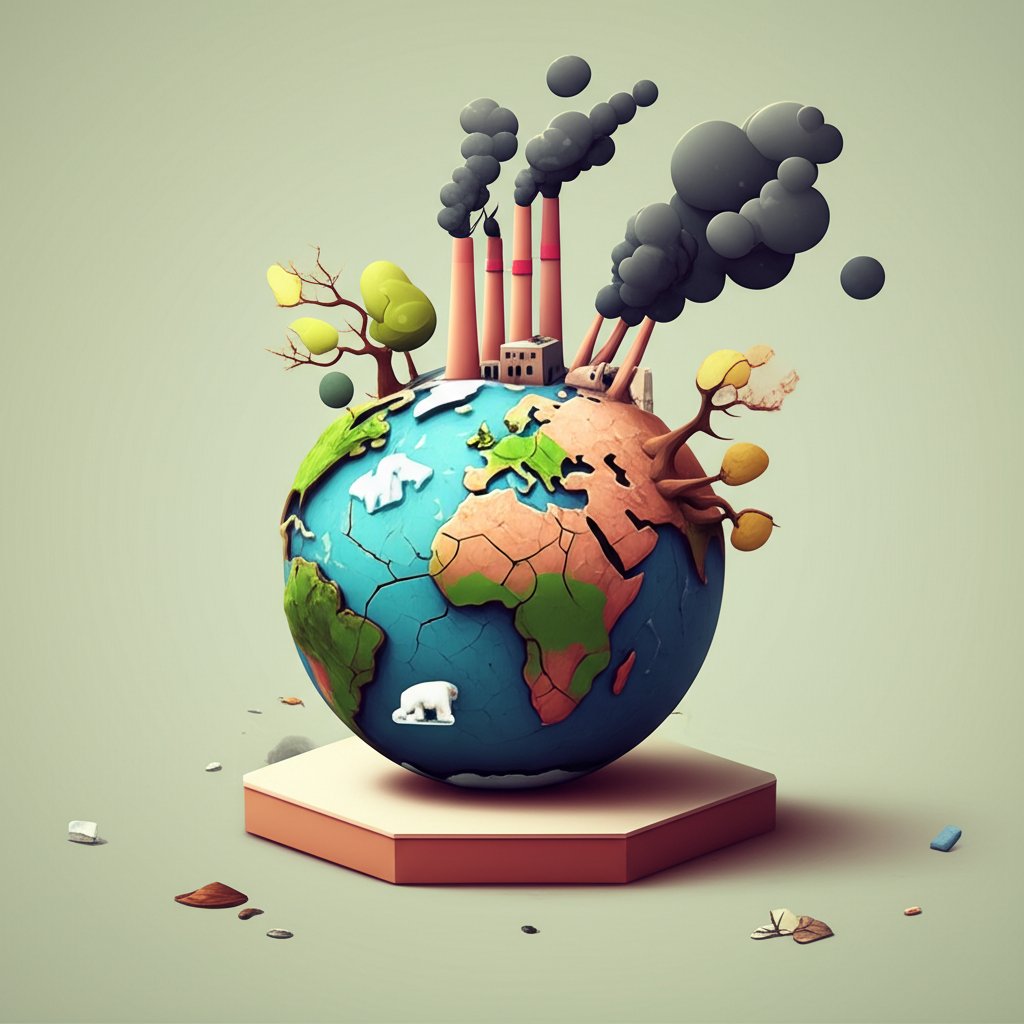
Climate change stands as arguably the most defining urgent environmental issue of our era, reshaping our world in profound and increasingly irreversible ways. It refers to long-term shifts in temperatures and weather patterns, predominantly driven by human activities since the Industrial Revolution. This planetary emergency threatens every facet of existence, from natural ecosystems to human health and global stability.
Understanding the Mechanisms: Greenhouse Effect & Human Drivers
The Earth’s atmosphere naturally contains greenhouse gases (GHGs) like carbon dioxide (CO2), methane (CH4), and nitrous oxide (N2O) that trap some of the sun’s heat, maintaining a habitable temperature. This is the natural greenhouse effect. However, human activities have drastically intensified this effect, leading to an unprecedented warming of the planet.
- Fossil Fuel Combustion: The burning of vast quantities of coal, oil, and natural gas for energy production, transportation, and industrial processes releases colossal amounts of CO2 into the atmosphere. The extraction and burning of fossil fuels are identified by global health organizations as major contributors to both climate change and air pollution.
- Deforestation and Land Use Change: Forests are vital carbon sinks, absorbing CO2 from the atmosphere. The widespread clearing of forests for agriculture, logging, or urbanization releases stored carbon back into the atmosphere and severely diminishes the planet’s natural capacity to regulate its climate.
- Industrial Processes and Agriculture: Specific industrial activities, such as cement production, and certain agricultural practices, like intensive livestock farming (producing methane) and the use of nitrogen-based fertilizers (producing nitrous oxide), further contribute significantly to greenhouse gas emissions.
Far-Reaching Consequences: Beyond Rising Temperatures
The increased concentration of greenhouse gases traps more heat, resulting in a measurable rise in global average temperatures. The devastating consequences are already being experienced worldwide and are projected to intensify, impacting health, economies, and natural systems, creating a multitude of environmental problems:
- Extreme Weather Events: More frequent and severe heatwaves, prolonged droughts, catastrophic floods, intensified wildfires, and powerful tropical storms (hurricanes, typhoons) are becoming the new norm. These events cause widespread destruction, loss of life, displacement, and immense economic devastation.
- Melting Ice and Rising Sea Levels: Glaciers and polar ice caps are melting at alarming rates, contributing substantially to rising global sea levels. This poses an existential threat to low-lying coastal communities, contaminates freshwater supplies through saltwater intrusion, and accelerates coastal erosion, disrupting sensitive ecosystems.
- Ocean Acidification: The oceans absorb a significant portion of atmospheric CO2, leading to increased acidity. This “other climate change problem” poses a severe threat to marine ecosystems, particularly coral reefs and shellfish, which struggle to form and maintain their shells and skeletons in more acidic waters, directly impacting delicate food webs.
- Disrupted Ecosystems and Food Security: Changes in temperature and precipitation patterns disrupt natural habitats globally. This forces many species to migrate, adapt rapidly, or face extinction, exacerbating the decline of endangered species. Agricultural yields are also significantly impacted, threatening global food security, particularly in vulnerable regions.
- Profound Health Impacts: Climate change is a direct contributor to humanitarian emergencies and a threat multiplier, undermining decades of progress in global health. According to the WHO, between 2030 and 2050, it is expected to cause approximately 250,000 additional deaths per year from undernutrition, malaria, diarrhea, and heat stress alone. It threatens essential ingredients of good health: clean air, safe drinking water, nutritious food, and safe shelter. Vulnerable populations, including women, children, and marginalized communities, bear a disproportionate burden of these climate-sensitive health risks.
Global Imperatives for Decarbonization and Adaptation
Addressing climate change demands an unprecedented global effort to transition away from fossil fuels and towards a resilient, low-carbon economy. Adaptation strategies are equally vital to cope with unavoidable impacts.
- Accelerated Renewable Energy Transition: Investing heavily in and rapidly deploying scalable solar, wind, hydro, and geothermal energy sources is paramount. This requires robust smart grids, advanced energy storage solutions, and innovative distribution systems.
- Enhanced Energy Efficiency: Significant reductions in energy demand can be achieved through improving efficiency in homes, industries, transportation, and urban planning.
- Sustainable Land Use and Reforestation: Protecting existing forests, massive reforestation and afforestation initiatives, and adopting sustainable agricultural practices are crucial to sequester carbon and protect natural carbon sinks.
- Carbon Capture and Storage (CCS): While still developing, technologies that capture CO2 emissions from industrial sources and store them underground could play a strategic role in mitigating emissions from hard-to-abate sectors.
- International Cooperation and Policy Frameworks: Global agreements, coordinated policy efforts, technology sharing, and financial support for developing nations are essential to set ambitious targets and implement sustainable practices worldwide.
Biodiversity Loss and the Plight of Endangered Species
Beyond climate change, the rapid decline in biodiversity – the variety of life on Earth at genetic, species, and ecosystem levels – ranks among the most critical environmental problems facing humanity. This loss is pushing countless endangered species closer to the brink of extinction at an alarming rate.
The Intrinsic Value and Vital Services of Biodiversity
Biodiversity is the very foundation of life on Earth, forming complex ecosystems that provide invaluable “ecosystem services” essential for human well-being and survival.
- Pollination Services: Insects, birds, and other animals pollinate approximately 75% of the world’s food crops, ensuring global food production.
- Water Purification: Forests and wetlands act as natural filters, providing clean drinking water and regulating water cycles.
- Soil Fertility and Nutrient Cycling: Microorganisms in healthy soil are crucial for nutrient cycling, supporting agriculture and healthy plant growth.
- Disease Regulation: Diverse ecosystems can help regulate and even prevent the outbreak and spread of diseases by maintaining ecological balance.
- Climate Regulation: Forests, oceans, and other natural carbon sinks play a vital role in regulating the global climate.
- Genetic Resources: Wild species are an irreplaceable source of new medicines, resilient crop varieties, and innovative materials, holding untold future potential for scientific and economic advancement.
When biodiversity suffers, these vital services are compromised, impacting everything from food and water security to our very ability to adapt to future environmental changes.
Drivers of Extinction: A Cascade of Environmental Problems
The current rate of species extinction is estimated to be 100 to 1,000 times higher than the natural background rate, a crisis often termed the “sixth mass extinction.” The International Union for Conservation of Nature (IUCN) Red List, a critical indicator of the health of the world’s biodiversity, categorizes species on a spectrum from “Least Concern” to “Extinct,” highlighting the severe urgency for endangered species. The primary drivers include:
- Habitat Destruction and Fragmentation: This is the overwhelming leading cause. Deforestation for agriculture, rapid urbanization, mining, and infrastructure development directly destroy the homes of countless species, fragmenting remaining habitats into smaller, isolated patches, making populations vulnerable.
- Pollution: Chemical pesticides, industrial waste, pervasive plastic pollution, and air and water contaminants directly harm endangered species by poisoning them, disrupting reproductive cycles, or degrading their food sources and environments. For example, the ingestion of plastic waste critically impacts marine animals, from plankton to whales.
- Overexploitation: Unsustainable hunting, fishing, logging, and the harvesting of wild plants and animals for food, medicine, or the illegal pet trade push populations beyond their ability to recover. Illegal wildlife trade remains a significant and lucrative threat to many charismatic and lesser-known species.
- Invasive Alien Species: Non-native species introduced outside their natural range (intentionally or accidentally) can outcompete, prey on, or introduce new diseases to native species, leading to their rapid decline or extinction.
- Climate Change: As discussed, changing temperatures, altered precipitation patterns, and extreme weather events modify habitats faster than many species can adapt, leading to range shifts, reproductive failures, and increased mortality, directly accelerating the loss of endangered species.
Safeguarding Our Living Heritage: Conservation Strategies
Safeguarding endangered species and conserving biodiversity requires a multi-faceted approach involving urgent local, national, and international efforts, essential for a sustainable future.
- Protected Areas and Corridors: Establishing and effectively managing national parks, wildlife reserves, and marine protected areas is crucial. Creating connectivity through wildlife corridors allows species to move safely between fragmented habitats, promoting genetic diversity and resilience.
- Restoration Ecology: Actively restoring degraded ecosystems, such as reforesting denuded lands, rehabilitating wetlands, or revitalizing coral reefs, can help threatened species recover and bolster ecosystem health.
- Conservation Breeding and Reintroduction: For critically endangered species like the California Condor or the black-footed ferret, carefully managed captive breeding programs and subsequent reintroduction into the wild are vital to prevent extinction and boost wild populations.
- Sustainable Resource Management: Implementing sustainable forestry, fishing, and agricultural practices reduces direct pressure on natural ecosystems, allowing populations to recover and thrive. This includes certified products and responsible consumption.
- Combating Illegal Wildlife Trade: Stronger law enforcement, enhanced international cooperation, and targeted campaigns to reduce consumer demand for illegal wildlife products are essential to dismantle these harmful networks.
- Public Awareness and Education: Educating communities about the intrinsic and economic value of biodiversity and promoting responsible eco-tourism can foster deeper support for conservation efforts and responsible environmental stewardship.
The Pervasive Threat of Pollution: Contaminating Our World
Pollution, in its myriad forms, is a pervasive environmental problem that directly impacts human health, profoundly degrades ecosystems, and exacerbates other urgent environmental issues. It refers to the introduction of harmful substances or products into the environment, rendering it unclean or unsafe.
Air Pollution: A Silent Killer with Global Reach
Air pollution is the presence of harmful substances in the atmosphere, often invisible but deadly. It is a major global health concern and a significant contributor to climate change.
- Sources:
- Vehicle Emissions: Exhaust fumes from cars, trucks, buses, and planes remain a primary source of nitrogen oxides, carbon monoxide, volatile organic compounds, and particulate matter (PM2.5).
- Industrial Activities: Factories, power plants, and refining operations release significant amounts of sulfur dioxide, heavy metals, and other toxic chemicals.
- Agriculture: Ammonia released from fertilizers and livestock operations contributes to particulate matter formation and can lead to atmospheric haze.
- Household Combustion: Globally, the burning of solid fuels (wood, coal, dung) for heating and cooking, particularly in developing countries, is a major source of indoor and outdoor air pollution, releasing particulate matter and CO2.
- Impacts:
- Human Health: Air pollution is a silent killer, causing millions of premature deaths annually. It leads to severe respiratory diseases (asthma, bronchitis, COPD), cardiovascular conditions, strokes, and certain cancers. Particulate matter (PM2.5) is particularly hazardous, penetrating deep into the lungs and bloodstream.
- Acid Rain: Sulfur dioxide and nitrogen oxides react with water in the atmosphere to form acid rain, which damages forests, acidifies lakes and soils, and erodes buildings and infrastructure.
- Smog: Ground-level ozone, formed by reactions between pollutants in sunlight, causes respiratory problems, reduces visibility, and harms plant life.
- Climate Change: Many air pollutants, such as black carbon (soot) and methane, are also potent greenhouse gases or contribute to climate forcing, directly linking air quality to the broader climate change agenda.
Water Pollution: Contaminating Our Lifeline
Water pollution occurs when harmful substances enter water bodies, contaminating them and rendering them unsafe for human consumption, agriculture, and wildlife. This is a critical environmental problem impacting global water security.
- Sources:
- Industrial Discharge: Untreated or inadequately treated wastewater from factories often contains heavy metals, chemicals, and toxins that poison aquatic ecosystems.
- Agricultural Runoff: Pesticides, herbicides, and excess fertilizers from farms wash into rivers and lakes, leading to eutrophication (excessive nutrient enrichment that causes algal blooms, depleting oxygen and creating “dead zones”).
- Sewage and Wastewater: Untreated human and animal waste introduces pathogens, nutrients, and pharmaceuticals into waterways, posing severe health risks.
- Oil Spills: Accidental releases from tankers, offshore drilling operations, or pipelines cause devastating localized pollution, coating marine life and habitats.
- Plastic Pollution: Microplastics and larger plastic debris enter waterways from myriad sources, harming aquatic life through ingestion and entanglement.
- Impacts:
- Aquatic Life: Kills fish, birds, and other animals; disrupts ecosystems; leads to declines in endangered species and biodiversity.
- Human Health: A major cause of waterborne diseases (e.g., cholera, typhoid, dysentery) and exposure to toxic chemicals through contaminated seafood or drinking water.
- Economic Impact: Harms fishing industries, tourism, and significantly increases the costs of water treatment.
- Water Scarcity: Contaminated water becomes unusable, effectively reducing the available freshwater supply and exacerbating water scarcity issues.
Land and Soil Degradation: Eroding Our Foundation
Land pollution refers to the degradation of Earth’s land surfaces, primarily due to human activities, leading to critical soil degradation. This environmental problem directly undermines food security and ecosystem health.
- Sources:
- Industrial Waste: Improper disposal of hazardous industrial waste and byproducts contaminates vast tracts of land.
- Municipal Solid Waste: Landfills overflowing with household and commercial waste leach contaminants into the soil and groundwater if not properly managed.
- Unsustainable Agriculture: Overuse of chemical fertilizers and pesticides, monoculture, overgrazing, and intensive tillage deplete soil nutrients and structure, leading to severe erosion and desertification.
- Mining Activities: Extraction processes can leave behind toxic residues, destroy landscapes, and release heavy metals into the environment.
- Deforestation: Removes the protective tree cover that prevents soil erosion from wind and rain.
- Impacts:
- Food Security: Reduced soil fertility and loss of productive agricultural land directly threaten global food supplies.
- Biodiversity Loss: Habitat degradation impacts soil organisms, plants, and terrestrial animals, contributing to endangered species decline.
- Desertification: Severe soil degradation in arid and semi-arid areas transforms fertile land into barren desert, displacing communities and exacerbating resource competition.
- Water Quality: Eroded soil can wash into waterways, carrying pollutants and sediment, further contributing to water pollution.
Plastic Pollution: A Global Scourge of Our Time
Plastic pollution has emerged as one of the most visible and concerning environmental problems of our time, impacting virtually every ecosystem, from the highest mountains to the deepest ocean trenches.
- Sources: Predominantly single-use plastics (packaging, bottles, bags, disposable cutlery), microplastics from cosmetics and synthetic textiles, improper waste management, and widespread littering.
- Impacts:
- Marine and Terrestrial Life: Millions of marine animals (and increasingly terrestrial animals) die annually from ingesting plastic debris (mistaking it for food) or entanglement. This directly impacts numerous endangered species like sea turtles and large marine mammals.
- Ecosystem Disruption: Plastic accumulates in ocean gyres, on beaches, and deep seabeds, altering habitats and introducing chemicals. Microplastics are now found throughout the food chain, from plankton to humans, with unknown long-term consequences.
- Human Health: The long-term effects of microplastics and associated chemical leaching in our food, water, and air are still being researched, but concerns exist regarding hormone disruption, inflammation, and other physical impacts.
- Solutions: The fundamental principles of “Reduce, Reuse, Recycle” are key, alongside aggressive innovation in biodegradable materials, improved waste management infrastructure, extended producer responsibility, and global policy regulations.
Resource Depletion and the Quest for a Sustainable Future
The accelerating rate at which humanity consumes natural resources and generates waste presents another critical set of urgent environmental issues, directly threatening the long-term viability of our planet and demanding an immediate, systemic shift towards a sustainable future.
Finite Resources: Overconsumption and its Consequences
Many of the resources we rely on, such as fossil fuels, numerous minerals, and even freshwater in critical regions, are finite. Their extraction and consumption rates often far exceed their natural replenishment, leading to rapid depletion.
- Fossil Fuels: Our heavy reliance on coal, oil, and natural gas not only drives climate change but also depletes non-renewable energy sources. The relentless search for new reserves often leads to more environmentally damaging extraction methods (e.g., deep-sea drilling, fracking, tar sands extraction).
- Minerals and Metals: The extraction of essential metals like copper, gold, lithium, and coltan, required for modern electronics, renewable energy technologies, and industry, is resource-intensive and often causes significant land degradation, water pollution, and habitat destruction, further threatening endangered species.
- Forestry and Fisheries: Unsustainable logging practices lead to rampant deforestation, soil erosion, and habitat loss, a major driver of biodiversity decline. Similarly, overfishing depletes marine stocks at alarming rates, disrupting ocean ecosystems and impacting the food security and livelihoods of millions worldwide.
The consequences of this global overconsumption are profound: increased environmental problems from extraction, geopolitical instability stemming from resource competition and scarcity, and the eventual exhaustion of essential materials, hindering future development.
The Growing Crisis of Waste Management
As global populations and consumption continue to grow exponentially, so does the volume and complexity of waste generated. Inadequate waste management systems contribute significantly to land pollution and other environmental problems.
- Landfills: While necessary for managing residual waste, landfills consume vast amounts of land, can release potent greenhouse gases (primarily methane from decomposing organic matter), and can contaminate soil and groundwater through leachate if not properly engineered and managed.
- Incineration: Burning waste can reduce volume and generate energy, but it also releases air pollutants, greenhouse gases, and leaves behind toxic ash that requires careful disposal, potentially contributing to hazardous waste issues.
- Electronic Waste (E-waste): Discarded electronics contain hazardous materials (e.g., lead, mercury, cadmium, flame retardants) that, if not processed properly, can leach into the environment and pose severe health risks to workers and communities.
- Hazardous Waste: Industrial byproducts and certain household items (e.g., batteries, strong chemicals, medical waste) require specialized treatment and secure disposal to prevent widespread contamination and long-term environmental problems.
Water Scarcity: Pondering Our Most Precious Resource
Despite water covering over 70% of the Earth’s surface, freshwater, essential for life, is a limited and increasingly stressed resource. Water scarcity is a rapidly intensifying environmental problem, affecting billions of people and ecosystems globally.
Drivers of Global Water Stress
Water scarcity occurs when the demand for clean, available freshwater exceeds the supply. This complex environmental issue is driven by a confluence of accelerating factors:
- Population Growth: A burgeoning global population requires ever-increasing amounts of water for drinking, sanitation, and, most significantly, food production.
- Climate Change: A primary driver, climate change alters precipitation patterns, leading to more frequent and prolonged droughts in some regions, while causing intense, unpredictable floods in others. It also contributes to the rapid melting of glaciers, which are vital freshwater sources for hundreds of millions of people.
- Pollution: Contaminates existing freshwater sources, rendering them unusable for consumption or agriculture, thereby effectively reducing the available supply and exacerbating water scarcity.
- Inefficient Water Use: Obsolete irrigation methods (e.g., flood irrigation), leaky infrastructure, and wasteful industrial and domestic practices lead to significant water loss. Agriculture alone accounts for approximately 70% of global freshwater withdrawals, making efficiency in this sector critical.
- Economic Water Scarcity: Even where water is physically available, a lack of adequate infrastructure or financial resources to extract, treat, and distribute it safely can lead to chronic scarcity, disproportionately affecting developing nations.
Regions particularly affected by severe water scarcity include parts of Africa, the Middle East, South Asia, and increasingly, parts of North and South America, and Europe, leading to social unrest and mass migration.
Cascading Impacts of Water Depletion
The lack of sufficient clean water has profound and far-reaching impacts on both the natural world and human societies:
- Ecosystem Collapse: Rivers drying up, wetlands shrinking, and lakes becoming saline destroy critical habitats for aquatic and terrestrial endangered species, leading to widespread biodiversity loss and ecosystem collapse.
- Desertification: Prolonged droughts and unsustainable land use practices exacerbate soil degradation, turning once-fertile land into desert, further limiting water retention and productive capacity.
- Food Insecurity: Reduced water availability for irrigation leads to widespread crop failures, decreased agricultural yields, and livestock losses, directly threatening food security for millions and fueling malnutrition.
- Human Health: Lack of access to clean water for drinking and sanitation results in the rampant spread of waterborne diseases (e.g., cholera, dysentery) and impacts hygiene, causing immense suffering and straining healthcare systems.
- Economic and Social Instability: Water scarcity can lead to significant economic losses in agriculture and industry, forced displacement of populations, and even spark conflicts over dwindling shared resources, creating geopolitical tensions.
Innovative Pathways to Water Security
Addressing water scarcity requires a holistic approach that combines technological innovation, improved management, and fundamental behavioral changes to forge a sustainable future.
- Sustainable Water Management: Implementing integrated water resource management plans that consider all users (human, agricultural, industrial) and ecosystems within a watershed is paramount for long-term sustainability.
- Aggressive Water Conservation: Encouraging widespread water-saving practices in homes, industries, and agriculture. This includes installing water-efficient appliances, repairing leaky infrastructure, and comprehensive public education campaigns.
- Efficient Irrigation Techniques: Adopting modern, precision irrigation techniques like drip irrigation, micro-sprinklers, and smart water management systems can drastically reduce water use in farming.
- Advanced Wastewater Treatment and Reuse: Treating municipal and industrial wastewater to a high standard, allowing it to be safely reused for irrigation, industrial processes, or even potable purposes through advanced purification.
- Desalination Technology: Converting seawater into freshwater is a viable option for coastal and island areas, though it remains energy-intensive and produces brine waste that requires careful management.
- Rainwater Harvesting: Collecting and storing rainwater for various uses can significantly supplement water supplies, especially in regions with distinct rainy seasons, reducing reliance on conventional sources.
- Protecting and Restoring Watersheds: Conserving forests and wetlands within watersheds helps regulate water flow, reduce erosion, naturally filter water, and recharge groundwater aquifers.
Embracing the Circular Economy: A Paradigm Shift
The traditional “take-make-dispose” linear economic model is fundamentally unsustainable in a world of finite resources and escalating environmental problems. A sustainable future necessitates a rapid transition to a “circular economy,” which aims to keep resources in use for as long as possible, extract the maximum value from them whilst in use, then recover and regenerate products and materials at the end of their service life.
- Reduce: Minimizing consumption and waste generation at the source is the first and most impactful step – consuming less, choosing quality over quantity.
- Reuse: Extending the life of products through repair, repurpose, and donation dramatically reduces the need for new production.
- Recycle: Processing waste materials into new products, reducing the demand for virgin resources and energy.
- Repair and Remanufacture: Designing products for durability, easy repair, and disassembling old products to salvage components for new ones.
- Industrial Symbiosis: Industries sharing resources and byproducts, where one industry’s waste becomes another’s valuable raw material, creating closed-loop systems.
This paradigm shift not only alleviates resource depletion and waste management issues but also fosters innovation, creates new economic opportunities, reduces dependence on volatile supply chains, and builds a more resilient and sustainable future.
Forging a Sustainable Future: Solutions and Collective Action
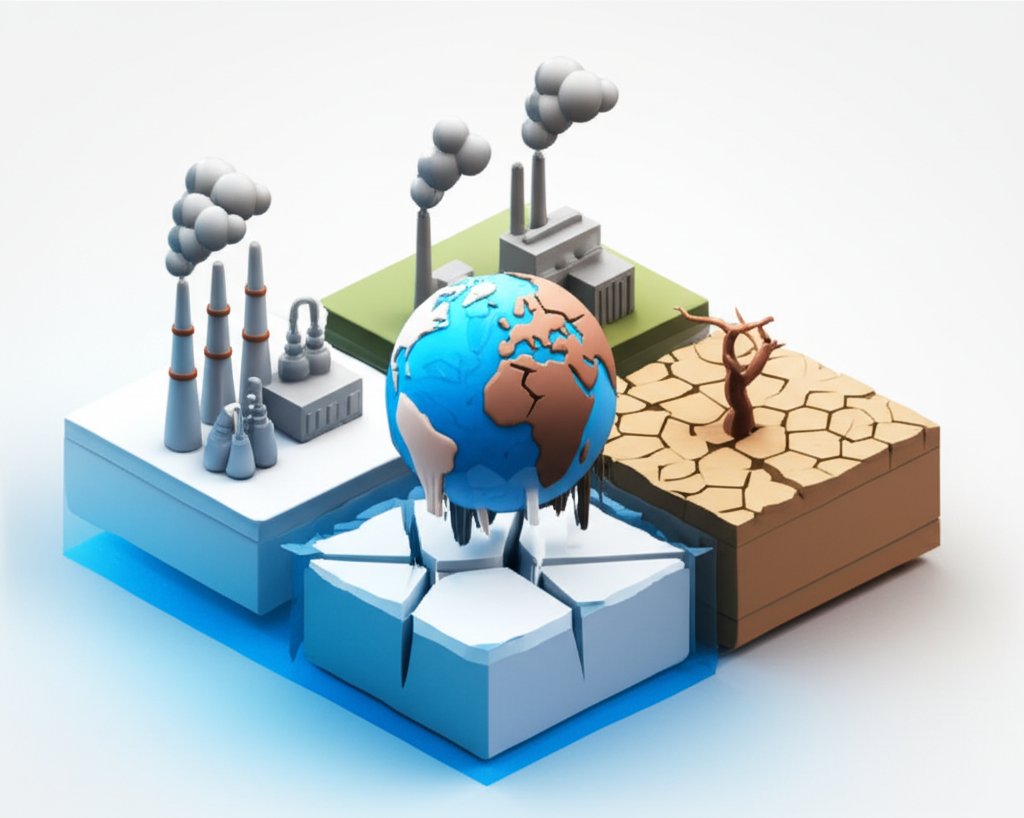
The scale of urgent environmental issues confronting our planet, from the catastrophic trajectory of climate change and the alarming loss of endangered species to the pervasive reach of environmental problems like pollution and resource depletion, can feel overwhelming. However, a sustainable future is not only possible but within our grasp if we embrace collective responsibility and implement transformative, multi-faceted solutions across all levels of society.
Individual Responsibility: Empowering Everyday Choices Matter
While systemic change is crucial, individual actions accumulate to make a significant difference. Educating oneself and making conscious choices empowers citizens to drive demand for sustainability.
- Reduce Your Carbon Footprint: Opt for public transport, cycling, or walking; reduce air travel; choose renewable energy providers for your home; improve home insulation and energy efficiency. Consider a plant-rich diet to reduce emissions from agriculture.
- Sustainable Consumption: Buy less, choose durable and ethically sourced products, support companies with strong environmental ethics, and prioritize local and seasonal foods. Question the necessity of every purchase.
- Waste Reduction: Embrace the circular economy principles: refuse single-use plastics, reuse items whenever possible, recycle properly according to local guidelines, and compost organic waste to reduce landfill methane.
- Water Conservation: Fix leaks immediately, take shorter showers, use water-efficient appliances, and be mindful of outdoor watering. Support initiatives for responsible water use.
- Advocacy and Education: Stay informed, vote for environmentally conscious leaders, support reputable environmental organizations, and educate your community on vital environmental issues. Your voice matters.
Corporate Leadership: Driving Green Innovation and Responsibility
Businesses have a powerful and often underestimated role to play in steering towards a sustainable future by integrating environmental responsibility into their core operations and business models.










