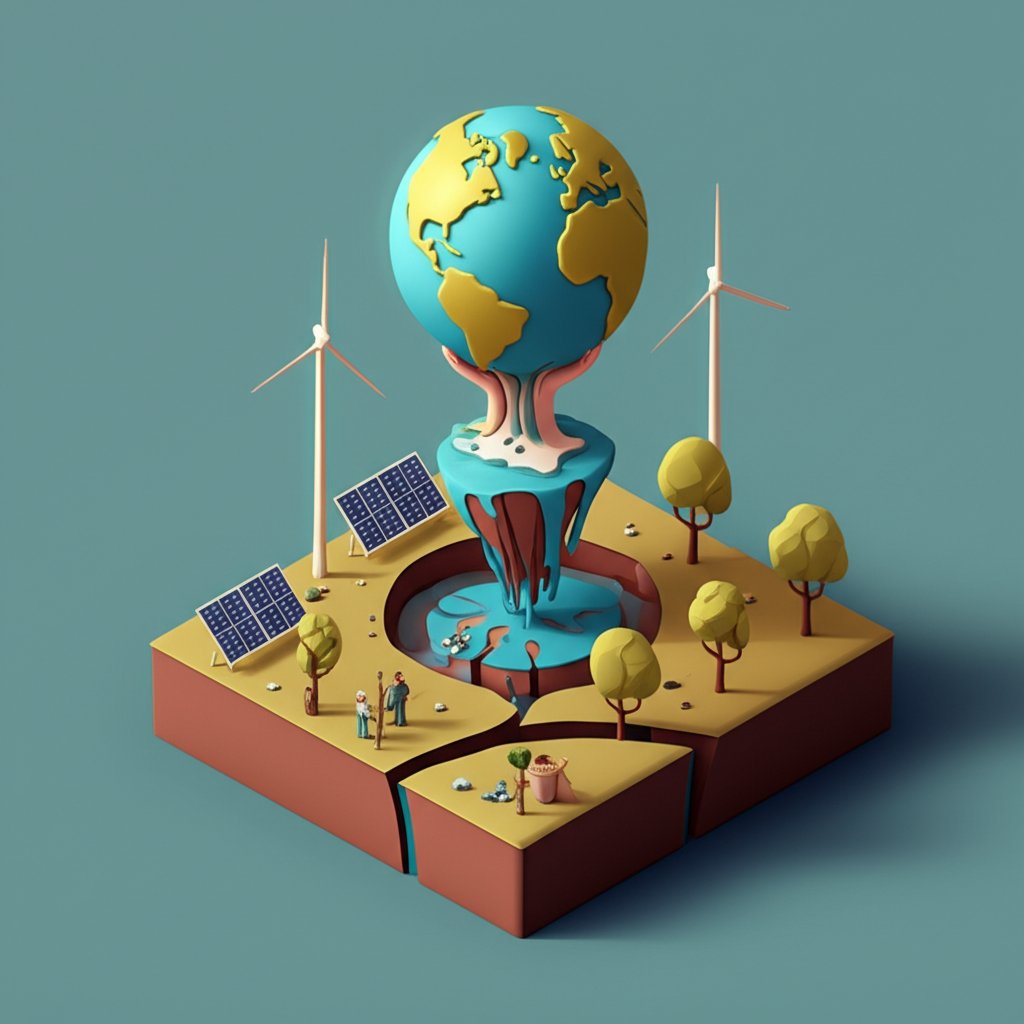
Our planet is at a crossroads. The choices we make today will determine the kind of world we leave for future generations. From the air we breathe to the water we drink, the very ecosystems that sustain us are under immense pressure. While the challenges are significant, they are not insurmountable. By understanding the most critical environmental issues and actively advocating for critical global environmental solutions, we can pave the way for a more sustainable and equitable future. This comprehensive guide explores ten pressing environmental concerns, offering insights into their causes, impacts, and potential pathways toward lasting change. Let’s embark on this journey together and become informed stewards of our shared home.
Climate Change: The Defining Crisis of Our Time
Climate change is arguably the most pervasive and far-reaching environmental issue confronting humanity. Driven by the relentless emission of greenhouse gases, primarily from the burning of fossil fuels, this phenomenon is causing profound shifts in our planet’s climate systems. The consequences are already being felt around the globe, from rising sea levels and more frequent extreme weather events to disruptions in agricultural patterns and the displacement of communities.
Understanding the Greenhouse Effect
At its core, climate change is fueled by the greenhouse effect, a natural process that keeps the Earth warm enough to support life. However, human activities have amplified this effect by releasing excessive amounts of greenhouse gases, such as carbon dioxide (CO2), methane (CH4), and nitrous oxide (N2O), into the atmosphere. These gases trap heat, leading to a gradual warming of the planet.
The Impacts of a Warming World
The impacts of climate change are multifaceted and interconnected. Rising temperatures are causing glaciers and ice sheets to melt at an alarming rate, contributing to sea-level rise and threatening coastal communities. Extreme weather events, such as hurricanes, floods, droughts, and heatwaves, are becoming more frequent and intense, causing widespread devastation and displacement. Changes in temperature and precipitation patterns are disrupting agricultural systems, leading to food shortages and economic instability. Furthermore, climate change is exacerbating existing social and economic inequalities, disproportionately impacting vulnerable populations and developing countries.
Mitigation and Adaptation Strategies
Addressing climate change requires a two-pronged approach: mitigation and adaptation. Mitigation involves reducing greenhouse gas emissions through measures such as transitioning to renewable energy sources, improving energy efficiency, and adopting sustainable transportation practices. Adaptation involves adjusting to the impacts of climate change that are already happening or are inevitable, such as building seawalls, developing drought-resistant crops, and relocating communities from vulnerable areas.
Deforestation: The Loss of Our Planet’s Lungs
Deforestation, the clearing of forests for other land uses, is a major environmental problem with far-reaching consequences. Forests play a vital role in regulating the Earth’s climate, providing habitat for countless species, and supporting the livelihoods of millions of people. The relentless destruction of forests for agriculture, logging, and urbanization is not only contributing to climate change and biodiversity loss but also undermining the resilience of ecosystems and the well-being of communities.
The Role of Forests in Climate Regulation
Forests act as massive carbon sinks, absorbing CO2 from the atmosphere through photosynthesis and storing it in their biomass. When forests are cleared or burned, this stored carbon is released back into the atmosphere, contributing to the greenhouse effect. Deforestation also reduces the Earth’s capacity to absorb future emissions, further exacerbating climate change.
The Impact on Biodiversity
Forests are home to an estimated 80% of the world’s terrestrial biodiversity. Deforestation leads to habitat loss and fragmentation, threatening the survival of countless species, including many that are endangered or critically endangered. The loss of biodiversity can disrupt ecosystems, weaken food webs, and reduce the resilience of natural systems to environmental changes.
Sustainable Forest Management
Protecting and restoring forests requires a shift towards sustainable forest management practices. This includes reducing deforestation rates, promoting reforestation and afforestation efforts, and implementing responsible logging practices that minimize environmental impacts. Supporting local communities in their efforts to protect forests and providing them with sustainable economic alternatives are also crucial for long-term forest conservation.
Water Scarcity: A Growing Global Crisis
Water is essential for all life, yet access to clean and safe water is becoming increasingly scarce in many parts of the world. Water scarcity is not just an environmental problem; it is also a social, economic, and political challenge. The growing demand for water, coupled with the impacts of climate change and pollution, is putting immense pressure on water resources, threatening the health, livelihoods, and security of communities around the globe.
The Causes of Water Scarcity
Water scarcity is driven by a complex interplay of factors, including population growth, urbanization, industrialization, agricultural expansion, and climate change. Increased demand for water for drinking, irrigation, and industrial processes is depleting water resources at an unsustainable rate. Climate change is altering precipitation patterns, leading to more frequent and severe droughts in some regions and increased flooding in others. Pollution from agricultural runoff, industrial waste, and sewage is contaminating water sources, making them unfit for human consumption or other uses.
The Impacts of Water Scarcity
Water scarcity has a wide range of negative impacts on human health, food security, economic development, and environmental sustainability. Lack of access to clean water can lead to waterborne diseases, malnutrition, and even death. Water shortages can disrupt agricultural production, leading to food insecurity and economic hardship. Competition for scarce water resources can also lead to conflicts between communities and countries.
Sustainable Water Management
Addressing water scarcity requires a comprehensive approach that includes improving water use efficiency, investing in water infrastructure, protecting water sources from pollution, and promoting integrated water resources management. This includes implementing water-saving technologies in agriculture and industry, repairing leaky pipes, building reservoirs and water treatment plants, and restoring degraded watersheds.
Biodiversity Loss: The Erosion of Life on Earth
Biodiversity, the variety of life on Earth, is essential for the functioning of ecosystems and the well-being of humanity. Biodiversity provides us with food, medicine, clean air and water, and other essential ecosystem services. However, biodiversity is being lost at an alarming rate due to habitat destruction, pollution, climate change, and overexploitation of resources. The loss of biodiversity threatens the stability of ecosystems and the ability of our planet to support life.
The Importance of Biodiversity
Biodiversity plays a critical role in maintaining the health and resilience of ecosystems. Different species interact with each other in complex ways, forming intricate food webs and nutrient cycles. The loss of even a single species can have cascading effects on the entire ecosystem. Biodiversity also provides us with a wide range of economic and social benefits, including food, medicine, timber, and ecotourism opportunities.
The Drivers of Biodiversity Loss
Habitat destruction, primarily due to deforestation, agricultural expansion, and urbanization, is the leading driver of biodiversity loss. Pollution from industrial waste, agricultural runoff, and plastic waste is contaminating habitats and harming wildlife. Climate change is altering ecosystems, forcing species to migrate or adapt, and in some cases, leading to extinction. Overexploitation of resources, such as overfishing and hunting, is depleting populations of many species.
Conserving Biodiversity
Conserving biodiversity requires a multi-pronged approach that includes protecting habitats, reducing pollution, mitigating climate change, and promoting sustainable resource management. This includes establishing protected areas, restoring degraded ecosystems, implementing stricter environmental regulations, and promoting sustainable agriculture and forestry practices.
Pollution: Poisoning Our Air, Water, and Soil
Pollution, the contamination of the environment with harmful substances, is a major environmental problem that affects the health of humans and ecosystems. Pollution can take many forms, including air pollution, water pollution, and soil pollution. The sources of pollution are diverse, ranging from industrial emissions and agricultural runoff to plastic waste and sewage. The impacts of pollution are far-reaching, affecting human health, biodiversity, and the functioning of ecosystems.
Air Pollution: A Silent Killer
Air pollution is a major public health threat, contributing to respiratory diseases, heart disease, and cancer. The main sources of air pollution include vehicle emissions, industrial emissions, and the burning of fossil fuels. Air pollution can also damage ecosystems, harming plants and animals.
Water Pollution: Contaminating Our Lifeline
Water pollution is contaminating our rivers, lakes, and oceans, making them unfit for drinking, swimming, and fishing. The main sources of water pollution include industrial waste, agricultural runoff, sewage, and plastic waste. Water pollution can harm aquatic life, contaminate food sources, and spread diseases.
Soil Pollution: Degrading Our Foundation
Soil pollution is degrading our soils, making them less fertile and less able to support plant growth. The main sources of soil pollution include industrial waste, agricultural chemicals, and improper waste disposal. Soil pollution can contaminate food crops, harm wildlife, and pollute groundwater.
Combating Pollution
Combating pollution requires a comprehensive approach that includes reducing emissions, improving waste management, and promoting cleaner technologies. This includes implementing stricter environmental regulations, investing in renewable energy sources, promoting sustainable agriculture practices, and reducing plastic waste.
Ocean Acidification: The Other Carbon Dioxide Problem

Ocean acidification, the ongoing decrease in the pH of the Earth’s oceans, is a major environmental problem that is threatening marine ecosystems. Ocean acidification is caused by the absorption of CO2 from the atmosphere into the ocean. As CO2 dissolves in seawater, it forms carbonic acid, which lowers the pH of the ocean. Ocean acidification can have a wide range of negative impacts on marine life, particularly on shellfish and coral reefs.
The Chemistry of Ocean Acidification
When CO2 dissolves in seawater, it reacts with water to form carbonic acid (H2CO3). Carbonic acid then dissociates into bicarbonate ions (HCO3-) and hydrogen ions (H+). The increase in hydrogen ions lowers the pH of the ocean, making it more acidic.
The Impacts on Marine Life
Ocean acidification can have a variety of negative impacts on marine life. Shellfish, such as oysters and clams, have difficulty building and maintaining their shells in more acidic waters. Coral reefs, which are already threatened by climate change, are also vulnerable to ocean acidification. Ocean acidification can also affect the physiology and behavior of fish and other marine organisms.
Addressing Ocean Acidification
The primary way to address ocean acidification is to reduce CO2 emissions. This includes transitioning to renewable energy sources, improving energy efficiency, and adopting sustainable transportation practices. Protecting and restoring coastal ecosystems, such as mangroves and seagrass beds, can also help to buffer the effects of ocean acidification.
Ozone Depletion: Healing the Earth’s Sunscreen
Ozone depletion, the thinning of the ozone layer in the Earth’s stratosphere, was a major environmental problem in the late 20th century. The ozone layer protects us from harmful ultraviolet (UV) radiation from the sun. Ozone depletion was caused by the release of ozone-depleting substances, such as chlorofluorocarbons (CFCs), into the atmosphere. Thanks to international efforts to phase out these substances, the ozone layer is now slowly recovering.
The Role of the Ozone Layer
The ozone layer absorbs most of the harmful UV radiation from the sun, protecting us from skin cancer, cataracts, and other health problems. UV radiation can also damage ecosystems, harming plants and animals.
The Montreal Protocol
The Montreal Protocol, an international treaty signed in 1987, has been instrumental in phasing out ozone-depleting substances. As a result of the Montreal Protocol, the ozone layer is now slowly recovering and is expected to return to pre-1980 levels by the middle of the 21st century. The Montreal Protocol is considered one of the most successful environmental agreements in history.
Continued Monitoring
While the ozone layer is recovering, continued monitoring is essential to ensure that ozone-depleting substances are not reintroduced into the atmosphere and to track the progress of the ozone layer’s recovery. Addressing environmental crisis climate change is crucial for the continued health of the ozone layer.
Overpopulation: Straining Our Planet’s Resources
Overpopulation, the condition of having too many people for the available resources, is a major environmental problem that is exacerbating many other environmental issues. As the human population grows, the demand for resources, such as food, water, and energy, increases, putting strain on the environment. Overpopulation can lead to deforestation, water scarcity, pollution, and biodiversity loss.
Population Growth Trends
The world population is currently around 8 billion and is projected to reach 9.7 billion by 2050. Most of the population growth is expected to occur in developing countries, which already face significant environmental challenges. This trend underscores the environmental challenges associated with supporting a growing global population.
The Environmental Impacts of Overpopulation
Overpopulation is putting strain on the environment in a variety of ways. Increased demand for food is leading to deforestation and the use of unsustainable agricultural practices. Increased demand for water is leading to water scarcity and pollution. Increased demand for energy is leading to the burning of fossil fuels and climate change. Increased demand for land is leading to urbanization and habitat loss.
Sustainable Population Management
Addressing overpopulation requires a multi-pronged approach that includes promoting family planning, empowering women, and investing in sustainable development. Providing access to family planning services can help couples to have the number of children they desire. Empowering women through education and economic opportunities can lead to lower fertility rates. Investing in sustainable development can help to reduce the environmental impacts of population growth. Understanding the environmental issues philippines is also vital.
Waste Management: Turning Trash into Treasure
Waste management, the collection, transportation, processing, recycling, and disposal of waste materials, is a major environmental problem that affects the health of humans and ecosystems. Improper waste management can lead to pollution, habitat loss, and the spread of diseases. However, waste can also be a valuable resource if managed properly. Recycling, composting, and waste-to-energy technologies can help to reduce the amount of waste sent to landfills and create valuable products and energy.
The Problems of Waste
Landfills are a major source of pollution, releasing greenhouse gases and contaminating groundwater. Plastic waste is accumulating in our oceans, harming marine life and polluting beaches. E-waste, electronic waste, contains hazardous materials that can contaminate the environment if not properly disposed of.
The Solutions of Waste Management
Waste reduction, recycling, composting, and waste-to-energy technologies can help to reduce the amount of waste sent to landfills and create valuable products and energy. Waste reduction involves reducing the amount of waste we generate in the first place. Recycling involves collecting and processing waste materials into new products. Composting involves decomposing organic waste into a nutrient-rich soil amendment. Waste-to-energy technologies involve burning waste to generate electricity or heat. Advocating for critical environmental problems solutions will help to alleviate the impact.
The environmental challenges facing our planet are complex and interconnected, but they are not insurmountable. By understanding the issues, advocating for sustainable solutions, and taking action in our own lives, we can create a healthier, more resilient planet for ourselves and future generations. Embracing sustainable practices is key to top environmental issues solutions. Let’s work together to protect our shared home.
Frequently Asked Questions (FAQs)
1. What are the biggest environmental issues facing the world today?
The biggest environmental issues include climate change, deforestation, water scarcity, biodiversity loss, pollution, ocean acidification, ozone depletion, overpopulation, and waste management.
2. What can I do to help the environment?
You can help the environment by reducing your carbon footprint, conserving water, reducing waste, supporting sustainable businesses, and advocating for environmental policies.
3. What is sustainable development?
Sustainable development is development that meets the needs of the present without compromising the ability of future generations to meet their own needs. It involves balancing economic, social, and environmental considerations.
4. What is the role of governments in addressing environmental issues?
Governments play a crucial role in addressing environmental issues by setting environmental regulations, investing in environmental research and development, and promoting international cooperation.
5. What is the role of businesses in addressing environmental issues?
Businesses have a responsibility to reduce their environmental impact by adopting sustainable practices, investing in cleaner technologies, and promoting responsible consumption.










