
Our planet stands at a critical juncture, grappling with a complex web of environmental issues that threaten its delicate balance and our very existence. From the escalating crisis of climate change to the pervasive threat of pollution, the relentless march of deforestation, and the growing demand on finite resources, these interconnected challenges demand immediate, comprehensive, and united global action. This article transcends a mere overview, delving deeply into the root causes, cascading impacts, and transformative solutions necessary to forge a truly sustainable future. By understanding the gravity of these crises and embracing collective responsibility, we can safeguard Earth’s vital ecosystems and ensure a thriving planet for generations to come.
Climate Change: The Defining Global Crisis and Its Urgent Call to Action
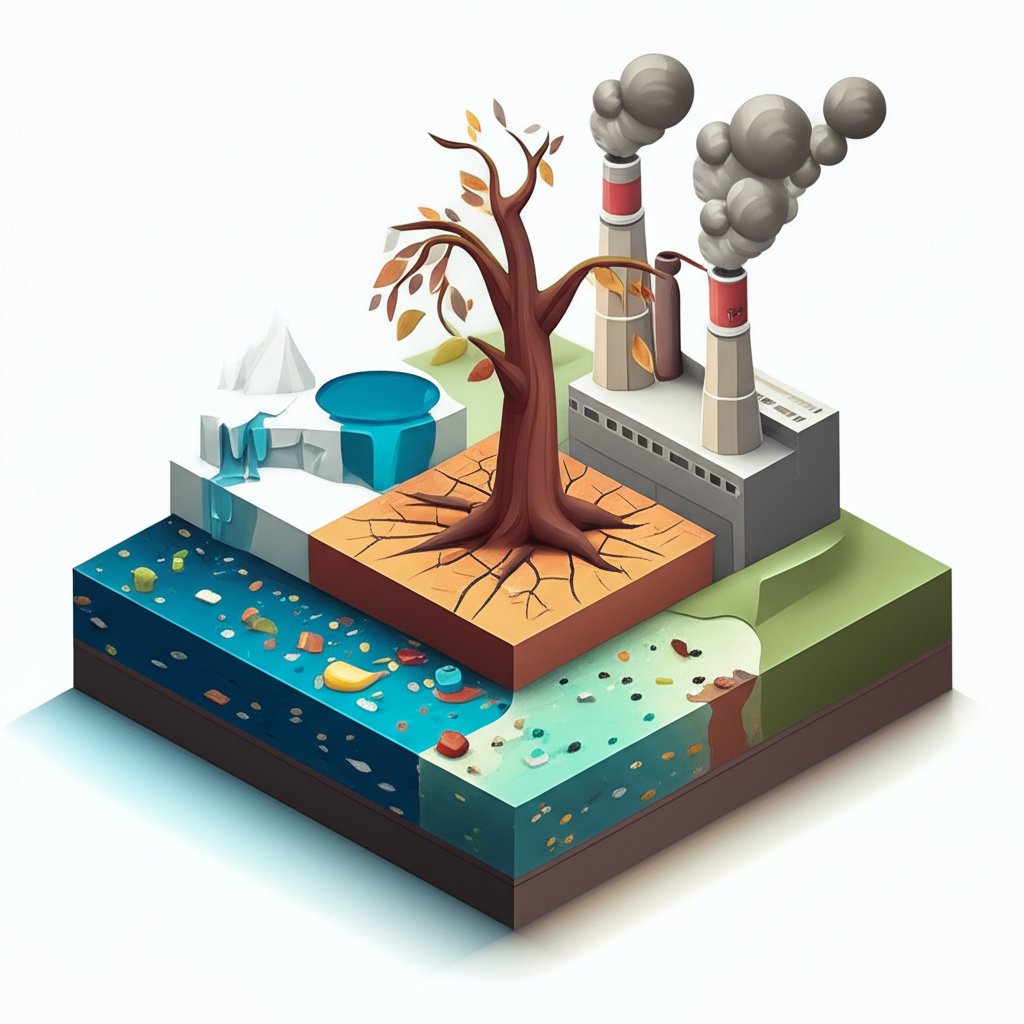
Climate change is unequivocally the most pressing environmental issue of our time, fundamentally altering Earth’s natural systems and posing existential threats to human societies, economies, and biodiversity. It describes long-term shifts in temperatures and weather patterns, primarily driven by human activities, especially the industrial-scale burning of fossil fuels. The scale and speed of current warming are unprecedented in geological history, making it a critical focus for global environmental efforts.
Understanding the Enhanced Greenhouse Effect and Its Drivers
While Earth’s climate naturally fluctuates, the current warming trend accelerates at a rate far exceeding natural variability. This acceleration is primarily due to the enhanced greenhouse effect. Key greenhouse gases (GHGs) like carbon dioxide (CO2), methane (CH4), and nitrous oxide (N2O) trap heat in the atmosphere, a natural process essential for maintaining a habitable planet. However, activities since the Industrial Revolution—including power generation, transportation, industrial processes, and agriculture—have drastically increased the concentration of these gases. For instance, atmospheric CO2 levels, meticulously monitored by NASA and NOAA, are now at their highest in millions of years, intensifying the heat-trapping effect and leading to a significant global temperature rise.
Understanding the complexities of the enhanced greenhouse effect is crucial, but it’s only one facet of the multifaceted problems discussed in more detail when exploring the most important environmental issues facing us today.
Understanding these factors is just the beginning; exploring viable solutions requires a broader perspective on the most important environmental issues facing the world today and how we can address them.
Far-Reaching Impacts of a Warming Planet: A Cascade of Crises
The consequences of climate change are not distant predictions; they are already unfolding globally, manifesting in diverse and increasingly severe ways:
- Rising Global Temperatures: Average global temperatures have increased by approximately 1.1°C above pre-industrial levels, leading to more frequent, longer, and more intense heatwaves, which pose severe health risks and stress ecosystems.
- Extreme Weather Events: We are witnessing an escalation in the frequency and intensity of extreme weather. This includes more powerful hurricanes and typhoons, prolonged and widespread droughts, severe floods (flash and riverine), and devastating wildfires, impacting agriculture, infrastructure, and human lives with escalating economic costs.
- Melting Ice and Rising Sea Levels: Glaciers, ice sheets (Greenland, Antarctica), and polar ice caps are melting at an accelerated rate, contributing significantly to rising sea levels. This threatens low-lying coastal communities, exacerbates storm surges, and leads to saltwater intrusion into freshwater sources.
- Ocean Acidification and Marine Ecosystem Disruption: The oceans absorb a substantial portion of excess atmospheric CO2, leading to increased acidity. This ocean acidification harms marine life, particularly organisms with calcium carbonate shells or skeletons, such as corals, shellfish, and plankton, disrupting entire food webs.
- Disruption to Ecosystems and Biodiversity: Rapid shifts in temperature and precipitation patterns force species to adapt or migrate at an unsustainable pace, leading to habitat loss, altered migration routes, and increased extinction rates. This exacerbates the broader issue of biodiversity loss.
- Food and Water Insecurity: Changes in rainfall patterns, increased droughts, and extreme weather events directly impact agricultural productivity, threatening food security for billions. Water resources are also under immense stress from altered hydrological cycles.
Addressing Climate Change: Global Efforts and Innovative Solutions
Tackling climate change necessitates a multi-faceted, globally coordinated approach. Key strategies include:
- Rapid Decarbonization: A swift transition from fossil fuels to renewable energy sources (solar, wind, hydroelectric, geothermal) is paramount. This involves massive investment in renewable infrastructure and storage technologies.
- Energy Efficiency: Improving energy efficiency across all sectors—residential, commercial, industrial, and transportation—reduces overall energy demand and greenhouse gas emissions.
- Carbon Capture and Storage (CCS): While not a silver bullet, CCS technologies can help reduce emissions from hard-to-abate industrial sectors, though their deployment and efficacy are still evolving.
- Sustainable Land Use: Protecting and restoring natural carbon sinks like forests and wetlands, promoting sustainable agriculture, and preventing deforestation are crucial for both mitigation and adaptation.
- International Cooperation: Agreements like the Paris Agreement provide frameworks for nations to set emission reduction targets and work collaboratively towards limiting global warming to well below 2°C, preferably to 1.5°C.
- Policy and Economic Incentives: Implementing carbon pricing, subsidies for green technologies, and regulations that steer economies towards low-carbon pathways are essential.
Pollution: Contaminating Earth’s Vital Systems
Pollution, the introduction of harmful substances or products into the environment, is a pervasive environmental issue with direct, often severe, impacts on public health and ecological balance. It contaminates air, water, and land, degrading the quality of life and threatening the viability of ecosystems.
Air Pollution: An Invisible but Deadly Threat
Air pollution refers to the presence of harmful substances in the atmosphere that can cause disease, death in humans, or damage to other living organisms, food crops, or the natural and built environment. It is a silent killer, responsible for millions of premature deaths globally each year.
Sources and Types of Air Pollutants
The sources of air pollution are diverse and widespread:
- Industrial Emissions: Factories, power plants (especially coal-fired), and manufacturing facilities release significant quantities of sulfur dioxide (SO2), nitrogen oxides (NOx), particulate matter (PM2.5, PM10), heavy metals, and volatile organic compounds (VOCs).
- Vehicle Exhaust: Combustion engines in cars, trucks, buses, and airplanes emit carbon monoxide (CO), NOx, VOCs, and particulate matter as a result of burning fossil fuels.
- Agricultural Activities: Ammonia from fertilizers and livestock waste, along with methane from livestock, contribute to atmospheric pollution and smog formation.
- Indoor Air Pollution: The burning of solid fuels (wood, coal, animal dung) for cooking and heating in poorly ventilated homes, particularly in developing countries, is a major source of indoor PM and CO, leading to severe respiratory illnesses.
- Natural Events: Wildfires, volcanic eruptions, and dust storms also contribute to regional air pollution.
Health and Environmental Impacts of Toxic Air
The health implications of air pollution are profound:
- Respiratory Diseases: Fine particulate matter can penetrate deep into the lungs, causing or exacerbating asthma, bronchitis, emphysema, and increasing the risk of lung cancer.
- Cardiovascular Issues: Studies by organizations like the World Health Organization (WHO) consistently link air pollution exposure to heart attacks, strokes, and other cardiovascular diseases.
- Neurological Effects: Emerging research suggests links between air pollution exposure and cognitive decline, and even neurodevelopmental disorders in children.
- Acid Rain: Sulfur dioxide and nitrogen oxides react with water vapor in the atmosphere to form sulfuric and nitric acids, leading to acid rain. This damages forests, acidifies lakes (harming aquatic life), and corrodes buildings and infrastructure.
- Smog: Ground-level ozone, formed when pollutants react in sunlight, creates smog—a visible haze that reduces visibility, causes respiratory problems, and damages crops.
Water Pollution: Imperiling the Source of Life
Water pollution occurs when harmful contaminants degrade the quality of water bodies such as rivers, lakes, oceans, and groundwater reservoirs, rendering them toxic to humans, wildlife, and ecosystems. It poses a direct threat to the availability of clean drinking water, a fundamental human right.
Key Sources and Types of Water Pollutants
Major sources of water pollution include:
- Industrial Discharge: Untreated or inadequately treated wastewater from factories can contain heavy metals, toxic chemicals, dyes, and other harmful compounds.
- Agricultural Runoff: Pesticides, herbicides, and excess fertilizers from farms wash into waterways, causing eutrophication (excessive nutrient enrichment leading to algal blooms that deplete oxygen and kill fish) and contaminating drinking water sources.
- Sewage and Wastewater: Untreated domestic sewage introduces pathogens (bacteria, viruses), nutrients, and pharmaceuticals into water bodies, leading to disease outbreaks.
- Plastic Pollution: Microplastics and larger plastic debris accumulate in oceans, rivers, and lakes, harming marine life through ingestion and entanglement, and entering the human food chain.
- Oil Spills: Accidental releases of crude oil from tankers, pipelines, or drilling operations cause devastating, long-lasting damage to marine and coastal ecosystems.
- Groundwater Contamination: Leaking septic tanks, unlined landfills, industrial waste sites, and agricultural chemicals can seep into underground aquifers, a critical source of drinking water for a large portion of the global population.
Impact on Aquatic Ecosystems and Human Health
The consequences of water pollution are dire and far-reaching:
- Loss of Biodiversity: Toxic chemicals, oxygen depletion from eutrophication, and physical debris destroy aquatic habitats, leading to mass die-offs and the collapse of entire ecosystems.
- Spread of Disease: Contaminated drinking water is a primary cause of waterborne diseases like cholera, typhoid, dysentery, and giardiasis, especially rampant in developing regions lacking proper sanitation.
- Food Chain Contamination: Pollutants bioaccumulate in fish and shellfish, posing significant health risks to humans who consume them.
- Economic Impact: Fisheries collapse, tourism suffers, and the cost of water treatment escalates dramatically due to pollution, placing a heavy burden on economies.
Soil and Land Pollution: Degrading Our Foundation
Land pollution, often intrinsically linked with deforestation, refers to the degradation of Earth’s terrestrial surfaces. It stems from improper waste disposal, industrial activity, mining, and unsustainable agricultural practices. This includes the accumulation of waste in landfills, the presence of hazardous chemicals in soil, and desertification.
Causes and Consequences of Land Pollution
- Waste Accumulation: Rapid urbanization and consumerism lead to massive amounts of municipal solid waste, much of which ends up in landfills, contaminating soil and groundwater through leachate.
- Industrial Waste: By-products from manufacturing, mining, and energy production often contain heavy metals and toxic chemicals that contaminate soil.
- Agricultural Chemicals: Overuse of pesticides, herbicides, and synthetic fertilizers depletes soil health, kills beneficial microorganisms, and can leach into groundwater.
- Desertification: Land degradation in arid and semi-arid areas, caused by factors like deforestation, overgrazing, and climate change, reduces agricultural productivity and biodiversity.
Plastic Pollution: A Modern Scourge on Land and Sea
Plastic pollution, a subtype of both land and water pollution, has rapidly emerged as one of the most visible and concerning environmental issues. Billions of tons of plastic have been produced globally, with a vast majority ending up in landfills, rivers, and oceans.
- Persistence and Fragmentation: Plastics are incredibly durable and take hundreds of years to degrade fully. Instead, they break down into smaller and smaller pieces called microplastics and nanoplastics, which are nearly impossible to remove from the environment.
- Ecological Harm: Wildlife ingests plastic debris and microplastics, leading to internal injuries, blockages, starvation, and exposure to toxic chemicals. Marine animals are particularly vulnerable.
- Human Health Concerns: Microplastics have been found in drinking water, food, and even human organs, raising unknown long-term health consequences.
Mitigating Pollution Across All Fronts
Addressing pollution requires a multi-pronged approach:
- Cleaner Production: Implementing stricter emission standards for industries and vehicles, promoting cleaner technologies, and investing in renewable energy to reduce air pollution.
- Improved Waste Management: Developing advanced wastewater treatment infrastructure, enhancing recycling and composting programs, and transitioning to a circular economy model to tackle water pollution and land pollution.
- Sustainable Agriculture: Adopting organic farming practices, precision agriculture, and reducing reliance on chemical inputs to minimize agricultural runoff and soil degradation.
- Reducing Plastic Consumption: Phasing out single-use plastics, investing in robust recycling systems, and developing biodegradable alternatives are crucial to combat plastic pollution.
- Public Awareness and Policy Enforcement: Educating communities about pollution impacts and ensuring strong regulatory frameworks are enforced effectively.
Deforestation & Biodiversity Loss: Eroding Nature’s Resilience
Deforestation, the permanent removal of forests to make land available for other uses, stands as another monumental environmental issue with profound and often irreversible consequences. Forests are indispensable for the planet’s health, functioning as critical carbon sinks, hotspots of biodiversity, and regulators of water cycles. Their widespread destruction is intrinsically linked to the alarming rate of biodiversity loss.
Drivers of Forest Destruction: Economic Pressure vs. Ecological Imperative
The primary causes of deforestation are complex, often economically driven, and fueled by global consumption patterns:
- Agricultural Expansion: This is the single largest driver globally, accounting for approximately 80% of deforestation. Vast tracts of forest are cleared for cattle ranching (especially in the Amazon), soy cultivation (for livestock feed), and palm oil plantations (used in numerous food and consumer products).
- Logging: Both legal and illegal logging practices extract timber for wood products, paper, and fuel. Unsustainable logging often operates without adequate reforestation efforts and causes significant habitat fragmentation.
- Infrastructure Development: The expansion of roads, dams (especially hydroelectric projects), mining operations, and urban sprawl directly encroaches upon forest lands, leading to their destruction and further fragmentation.
- Wildfires: While some fires are natural, human-caused ignitions and climate change-induced droughts increase the frequency, intensity, and scale of large-scale wildfires, particularly in vulnerable forest ecosystems, turning standing forests into carbon sources.
Ecological and Climatic Consequences: A Looming Disaster
The impacts of deforestation are devastating and widely felt:
- Exacerbation of Climate Change: Forests absorb massive amounts of CO2 from the atmosphere and store it in their biomass and soil. When cleared or burned, this stored carbon is released back into the atmosphere, contributing significantly to greenhouse gas emissions and accelerating climate change.
- Biodiversity Loss: Forests are home to over 80% of terrestrial biodiversity. Their destruction leads to immense habitat loss, pushing countless plant and animal species toward extinction. This loss includes unique flora and fauna, many of which remain undiscovered, thus losing potential sources of medicine and ecological services.
- Soil Erosion and Desertification: Tree roots hold soil in place. Without them, heavy rains and winds can quickly wash away fertile topsoil, leading to land degradation, reduced agricultural productivity, and increased risk of desertification.
- Disruption of Water Cycles: Forests play a crucial role in regulating regional rainfall patterns and water flow through evapotranspiration. Deforestation can lead to altered precipitation, increased flooding, reduced water quality, and drought intensification in downstream areas.
- Impact on Indigenous Communities: Many indigenous populations rely directly on forests for their livelihoods, cultural practices, and survival. Deforestation represents a severe human rights issue, displacing communities and destroying traditional ways of life.
Biodiversity Loss: The Silent Crisis of the Sixth Mass Extinction
Beyond the direct impacts of deforestation and climate change, the planet is experiencing an alarming rate of species extinction, often referred to as the “Sixth Mass Extinction.” This rapid decline in biodiversity – the variety of life on Earth at all its levels, from genes to ecosystems – is a critical environmental issue that threatens the stability of our planet’s life-support systems.
Interconnected Causes of Biodiversity Decline
While habitat destruction (largely due to deforestation and land conversion for agriculture and urbanization) is a primary driver, other factors contribute significantly:
- Overexploitation: Unsustainable hunting, fishing, and harvesting of plant and animal species for food, medicine, and trade deplete populations faster than they can reproduce.
- Pollution: As discussed, air pollution (acid rain, ozone), water pollution (eutrophication, toxins), and soil pollution directly poison species, degrade their habitats, or disrupt their reproductive cycles.
- Invasive Species: The introduction of non-native species (intentionally or accidentally) can outcompete, prey on, or spread diseases to native populations, leading to their decline.
- Climate Change: Rapid shifts in temperature, altered precipitation patterns, and increased frequency of extreme weather events push species beyond their adaptive capacity, leading to population declines and extinctions.
The Irreplaceable Value of Biodiversity for a Sustainable Future
Biodiversity is not merely about saving charismatic megafauna; it underpins all ecosystem services essential for human survival and well-being. These include:
- Food Security: A wide variety of plants and animals ensures diverse food sources and genetic resilience for crops, making them more resistant to pests and diseases.
- Clean Water and Air: Healthy ecosystems (forests, wetlands) naturally filter water and purify air, providing essential services.
- Pollination: Insects and other animals are crucial for pollinating a vast majority of the world’s food crops.
- Medicine: Many life-saving drugs are derived from natural compounds found in plants, animals, and microorganisms.
- Climate Regulation: Forests, oceans, and wetlands play a massive role in regulating global climate patterns by absorbing and storing carbon.
- Cultural and Recreational Value: Nature provides immense aesthetic, spiritual, and recreational value to human societies.
Protecting biodiversity requires a holistic approach, including establishing and effectively managing protected areas, combating illegal wildlife trade, controlling invasive species, and integrating conservation into all economic development plans.
Resource Depletion & Waste Management: The Consumption Crisis
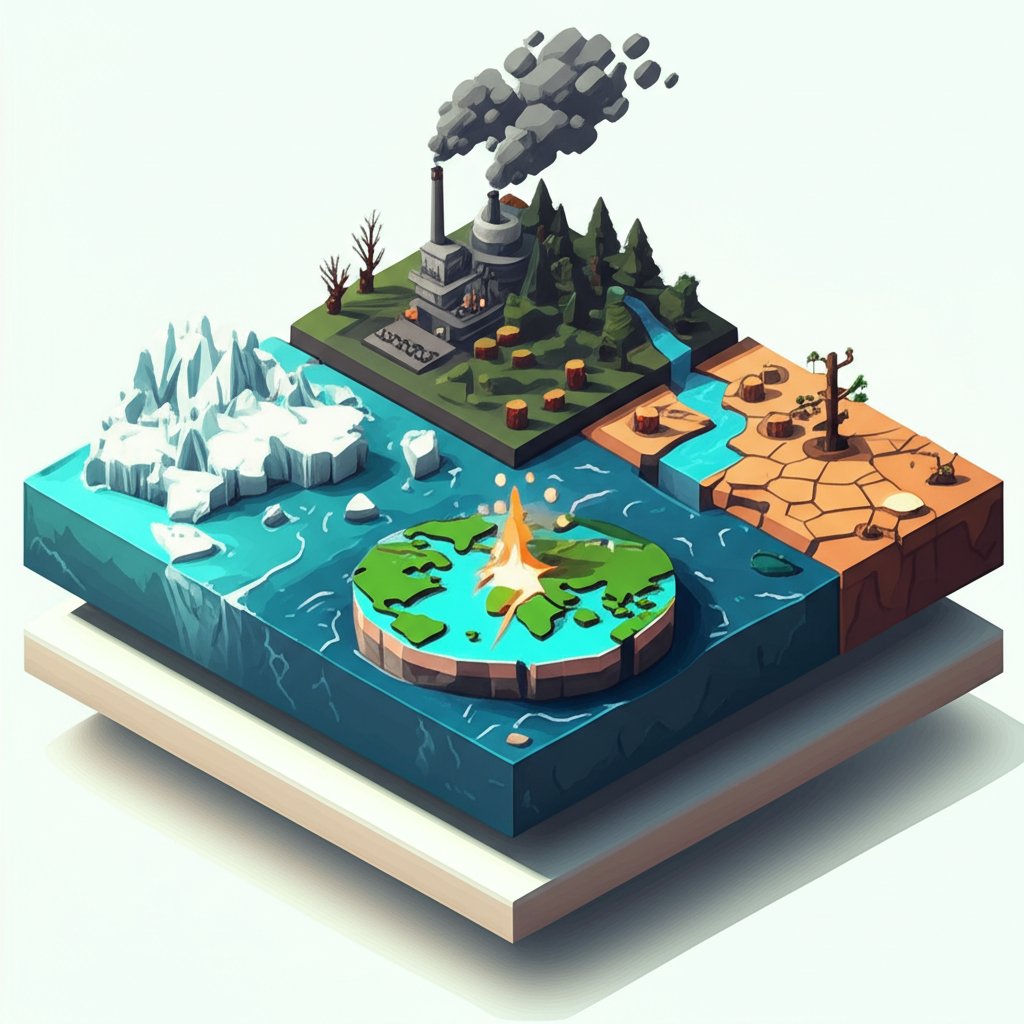
The exponential growth of the human population, coupled with unsustainable consumption patterns, places immense strain on Earth’s finite resources. This is another fundamental environmental issue that exacerbates many others, threatening the long-term viability of a sustainable future.
Finite Resources, Infinite Demands: A Looming Imbalance
Our planet has a fixed amount of resources—fresh water, arable land, minerals, fossil fuels, and timber—that are being depleted at an alarming rate. As the global population approaches 8 billion and beyond, the demand for these resources escalates rapidly:
- Water Scarcity: Access to clean, fresh water is already a critical issue in many regions, intensified by climate change (droughts, altered rainfall) and water pollution. Over-extraction of groundwater is leading to aquifer depletion.
- Land Degradation: Overgrazing, intensive agriculture, soil erosion, nutrient depletion, and urbanization reduce the available productive land, threatening food security.
- Energy Consumption: The continued reliance on finite fossil fuels (oil, coal, natural gas) drives climate change and air pollution and raises concerns about energy security.
- Mineral Depletion: The extraction of minerals (e.g., rare earth elements, metals) for technology and industry leads to habitat destruction, significant energy consumption, and often water pollution and land pollution.
- Overfishing: Unsustainable fishing practices are depleting fish stocks globally, disrupting marine ecosystems and threatening the livelihoods of coastal communities.
The Global Waste Crisis: Beyond Landfills
Compounding the problem of resource depletion is the global waste crisis. The linear economy model of “take-make-dispose” generates colossal amounts of municipal, industrial, and hazardous waste.
- Landfill Burden: Landfills are overflowing, contributing to land pollution, generating methane (a potent greenhouse gas), and leaching toxic substances into soil and groundwater.
- Electronic Waste (E-waste): The rapid obsolescence of electronic devices leads to a growing mountain of e-waste containing hazardous materials that are often improperly disposed of.
- Food Waste: A significant portion of food produced globally is wasted, contributing to resource depletion (land, water, energy used for production) and greenhouse gas emissions when it decomposes in landfills.
The Nexus of Population and Consumption for a Sustainable Future
While population growth undeniably puts pressure on resources, it is the combination of population size with high per capita consumption, particularly in developed nations, that creates an unsustainable global footprint. A single individual in a high-income country can consume many times more resources and generate far more waste than someone in a low-income country. Addressing this environmental issue requires promoting sustainable consumption and production patterns, encouraging responsible family planning, and fostering equitable resource distribution.
Forging a Sustainable Future: Solutions and Collective Action
Addressing the biggest environmental issues of our time—climate change, deforestation, pervasive pollution, biodiversity loss, and resource depletion—requires a monumental, coordinated effort from all sectors of society. It’s not just a problem for governments, scientists, or corporations; it’s a collective responsibility that demands individual and systemic changes to secure a sustainable future.
Global Policy and Cooperation: Building the Framework for Change
International agreements and robust national policies are crucial for setting ambitious targets, regulating industries, and enforcing environmental protections. Key areas include:
- Carbon Pricing Mechanisms: Implementing carbon taxes or cap-and-trade systems to internalize the cost of emissions, thereby disincentivizing fossil fuel use and encouraging cleaner alternatives.
- Renewable Energy Incentives: Providing subsidies, tax breaks, and regulatory frameworks that accelerate the development, deployment, and adoption of solar, wind, hydroelectric, and geothermal energy.
- Stronger Conservation Laws: Enacting and rigorously enforcing laws that protect natural habitats, prevent illegal deforestation, regulate pollution discharge into air and water, and safeguard endangered species.
- Circular Economy Principles: Shifting from a linear “take-make-dispose” economic model to one that emphasizes reducing waste, reusing materials, repairing products, and extensive recycling. This minimizes resource depletion and pollution.
- International Treaties and Commitments: Strengthening global accords like the Paris Agreement on climate, the Convention on Biological Diversity, and conventions on pollution to foster inter-governmental cooperation and accountability.
Technological Innovations: Science as a Catalyst for Sustainability
Science and technology offer powerful tools in the fight for a greener planet:
- Advanced Renewable Energy: Innovations in battery storage, grid modernization, offshore wind technology, and next-generation solar cells are making renewable energy increasingly efficient and reliable.
- Precision Agriculture & Sustainable Land Use: Using drones, AI, and IoT sensors to optimize water use, fertilizer application, and crop yields, reducing water pollution and land degradation. Developing drought-resistant crops.
- Sustainable Materials Science: Research into biodegradable plastics, plant-based alternatives, and materials with lower environmental footprints to reduce waste and plastic pollution.
- Carbon Capture, Utilization, and Storage (CCUS): Technologies that capture CO2 directly from industrial sources or the atmosphere, either storing it or converting it into useful products, playing a role in mitigating climate change.
- Efficient Water Management: Smart irrigation systems, desalination technologies (with renewable energy integration), and advanced wastewater treatment and reuse systems address water scarcity and combat water pollution.
- Bio-remediation: Using microorganisms or plants to detoxify contaminated soil and water bodies, offering natural solutions to pollution.
Individual and Community Action: Empowering Every Hand
Every individual has a vital role to play in mitigating environmental issues and contributing to a sustainable future:
- Reduce, Reuse, Recycle: Adopting the “3 R’s” to minimize waste, especially plastics, supporting robust recycling programs, and opting for durable, reusable products.
- Sustainable Transportation: Prioritizing public transport, cycling, walking, or electric vehicles to reduce personal carbon footprint and air pollution.
- Conscious Consumption: Making informed choices about what we buy, supporting companies with ethical and sustainable practices, consuming locally sourced goods, and reducing meat consumption (which significantly contributes to deforestation and emissions).
- Energy Conservation at Home: Saving electricity by turning off lights, unplugging devices, investing in energy-efficient appliances, and insulating homes.
- Water Conservation: Fixing leaks, taking shorter showers, and using water-wise landscaping to reduce water consumption.
- Advocacy and Education: Supporting environmental organizations, voting for leaders who prioritize sustainability, holding corporations accountable, and educating others about the urgency of environmental issues.
- Participate in Reforestation: Engaging in tree-planting initiatives or supporting organizations that combat deforestation and restore degraded ecosystems.
Conclusion
The critical environmental issues facing our world today—led by climate change, rampant pollution, widespread deforestation, biodiversity loss, and unsustainable resource depletion—present an existential threat to our planet and future generations. These challenges are deeply interconnected, with a warming planet intensifying extreme weather that drives deforestation, and increased industrial activity causing both air pollution and water pollution, further eroding natural resilience.
However, the future is not predetermined. Through concerted global efforts, groundbreaking technological innovations, and conscious individual choices, we possess the capacity to mitigate these impacts and pave the way for a more resilient and sustainable future. The time for awareness has long passed; the time for decisive, collective action is unequivocally now. By working together to address these critical environmental issues, we can protect the delicate balance of our ecosystems, preserve Earth’s invaluable beauty and diversity, and ensure a healthy, thriving planet for all.
FAQ
Q1: What are the primary environmental issues threatening our planet today?
A1: The most critical environmental issues include climate change, various forms of pollution (air, water, land, plastic), deforestation, biodiversity loss, and unsustainable resource depletion. These challenges are deeply interconnected and often exacerbate one another.
Q2: How does climate change primarily impact our planet and human societies?
A2: Climate change primarily impacts the planet through rising global temperatures, leading to more frequent and intense heatwaves, extreme weather events (droughts, floods, wildfires, hurricanes), melting ice caps and glaciers, rising sea levels, and ocean acidification. These changes disrupt ecosystems, threaten food and water security, and pose significant risks to human health and infrastructure.
Q3: What are the main causes and consequences of deforestation?
A3: The main causes of deforestation are agricultural expansion (for cattle, soy, palm oil), unsustainable logging, mining, and infrastructure development. Consequences include significant biodiversity loss, increased greenhouse gas emissions (exacerbating climate change), soil erosion, disruption of water cycles, and displacement of indigenous communities.
Q4: What are the primary sources of pollution and its health effects?
A4: Pollution stems from diverse sources. Air pollution primarily comes from industrial emissions, vehicle exhaust, and agricultural activities, leading to respiratory and cardiovascular diseases. Water pollution is caused by industrial discharge, agricultural runoff, untreated sewage, and plastic waste, resulting in waterborne diseases and ecosystem collapse. Land pollution is largely due to waste and chemical contamination.
Q5: Why is a “sustainable future” so important, and how can we achieve it?
A5: A sustainable future is crucial because it ensures our planet’s resources can meet the needs of the present without compromising the ability of future generations to meet their own needs. Achieving it requires transitioning to renewable energy, implementing circular economy principles, promoting sustainable consumption, protecting natural ecosystems, and fostering global cooperation on environmental issues.
Q6: What role do individuals play in addressing these environmental challenges?
A6: Individuals play a crucial role by adopting sustainable habits like reducing consumption, reusing items, and recycling; conserving energy and water; choosing eco-friendly transportation; supporting businesses committed to sustainability; educating others; and advocating for strong environmental policies. Collective individual actions can drive significant systemic change.










