
The Philippines, an archipelago nation renowned for its breathtaking natural beauty, vibrant biodiversity, and rich cultural heritage, faces an increasingly dire environmental crisis. Beneath the surface of its stunning coastlines and lush landscapes lie profound environmental issues in the Philippines that threaten its ecological balance, public health, and long-term sustainable development. From the rapid disappearance of its ancient forests to the overwhelming tide of plastic choking its waters and the growing specter of water scarcity, these challenges demand urgent, concerted action. Understanding the multifaceted nature of these Philippines environmental challenges is the first step towards forging a resilient and sustainable future for this nation and its 110 million people.
This article will delve into the core environmental predicaments afflicting the Philippines, examining their causes, consequences, and potential solutions. We will explore how deforestation, plastic pollution, and water scarcity are reshaping the country’s natural heritage, impacting local communities, and contributing to broader climate vulnerabilities. By uncovering the depth of these issues, we aim to inspire greater awareness and catalyze collective action towards safeguarding the Philippines’ invaluable natural resources.
Understanding the specific ways these threats manifest is crucial, especially when considering the broader context of global challenges and the 10 most important environmental issues facing our planet today.
Deforestation in the Philippines: Stripping Away Vital Ecosystems
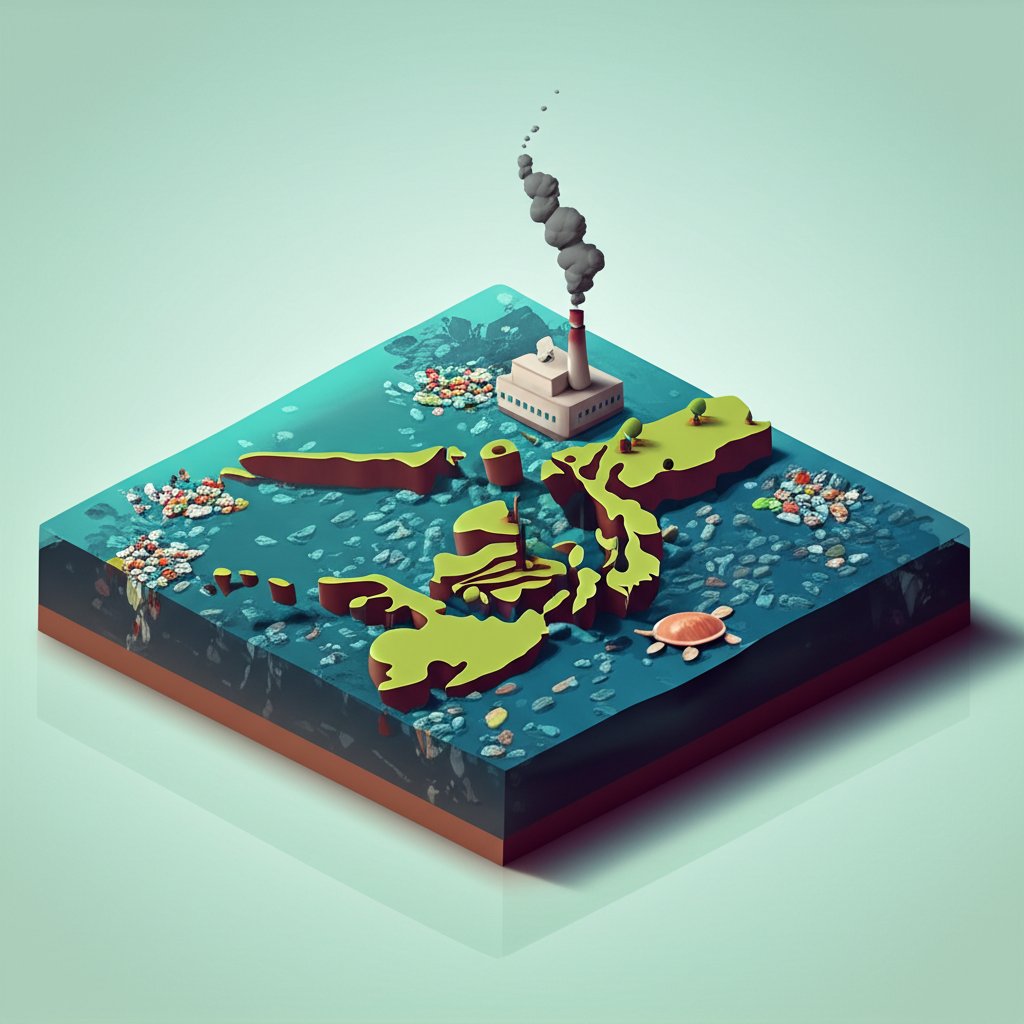
The verdant rainforests that once covered much of the Philippine archipelago are rapidly dwindling, making deforestation in the Philippines one of its most critical environmental scourges. The loss of forest cover is not merely an aesthetic decline but a profound ecological catastrophe, leading to irreversible damage to biodiversity, intensified natural disasters, and a significant contribution to climate change.
Drivers of Forest Loss
The roots of deforestation in the Philippines are complex and intertwined, often driven by a combination of economic pressures, unsustainable practices, and governance gaps.
- Illegal Logging: Despite existing bans and regulations, illicit logging operations persist, fueled by demand for timber and facilitated by weak enforcement in remote areas. These operations often target old-growth forests, which are vital carbon sinks and biodiversity hotspots.
- Agricultural Expansion: As the population grows and food demand increases, vast tracts of forest land are converted into agricultural areas, often through slash-and-burn (kaingin) practices. While providing short-term sustenance, this method depletes soil fertility and necessitates further clearing.
- Mining: The Philippines is rich in mineral resources, and large-scale mining operations frequently require the clearing of extensive forest areas to access deposits. This also leads to road construction that fragments habitats and opens up previously inaccessible areas to other forms of exploitation.
- Urbanization and Infrastructure Development: Rapid urbanization and the expansion of human settlements, coupled with infrastructure projects like roads, dams, and commercial developments, consume forest land, particularly in peri-urban fringes and provincial growth centers.
Far-Reaching Consequences
The impacts of widespread deforestation in the Philippines extend far beyond the immediate loss of trees:
- Biodiversity Loss: Philippine forests are home to an extraordinary array of endemic flora and fauna, many found nowhere else on Earth. Deforestation directly leads to habitat destruction, pushing countless species—from the majestic Philippine Eagle to unique orchid varieties—closer to extinction.
- Soil Erosion and Landslides: Tree roots stabilize soil, especially on steep slopes. Without this natural anchor, heavy rainfall, common during the typhoon season, triggers severe soil erosion, leading to devastating landslides that claim lives and destroy property.
- Climate Impact: Forests play a crucial role in regulating the global climate by absorbing carbon dioxide. The destruction of these forests releases stored carbon back into the atmosphere, exacerbating greenhouse gas emissions and accelerating climate change.
- Water Cycle Disruption: Forests act as natural sponges, absorbing rainwater and slowly releasing it into rivers and groundwater systems. Deforestation disrupts this vital process, leading to increased surface runoff, flash floods, and reduced water availability during dry seasons.
Paths to Reforestation and Sustainable Management
Addressing deforestation requires a multi-pronged approach that combines strict enforcement with community empowerment and sustainable economic alternatives.
- Strengthened Law Enforcement: Robust monitoring, surveillance, and prosecution of illegal logging activities are crucial. This includes leveraging technology like satellite imagery and drone surveillance.
- Sustainable Land Use Planning: Implementing comprehensive land-use plans that delineate protected areas, sustainable agriculture zones, and urban development boundaries can prevent uncontrolled forest conversion.
- Community-Based Forest Management (CBFM): Empowering indigenous peoples and local communities, who are often the best stewards of the land, to manage and protect their ancestral domains and forests sustainably, provides both ecological and economic benefits.
- Aggressive Reforestation and Afforestation Programs: Initiatives like the National Greening Program, while having faced challenges, must be continually improved and expanded, focusing on planting native species and ensuring high survival rates.
- Promoting Ecotourism and Forest Products: Developing sustainable ecotourism and value chains for non-timber forest products can provide alternative livelihoods that incentivize forest conservation.
Plastic Pollution in the Philippines: Drowning in Waste
The Philippines is unfortunately one of the world’s largest contributors to marine plastic pollution, with its beautiful shores and rich marine ecosystems bearing the brunt of a staggering waste crisis. The pervasive problem of plastic pollution in the Philippines not only mars its natural beauty but also poses severe threats to marine life, human health, and the nation’s vital tourism industry.
The Scale of the Crisis
The problem stems from a combination of factors, including high consumption of single-use plastics, inadequate waste management infrastructure, and a culture of convenience.
- Single-Use Plastics Epidemic: The widespread use of sachets, plastic bags, and disposable containers for everyday products is a significant driver. This “sachet economy” caters to low-income consumers but generates immense amounts of non-recyclable waste.
- Marine Impact: Millions of tons of plastic waste end up in the country’s rivers and coastal waters, eventually flowing into the Pacific Ocean. This plastic suffocates coral reefs, entangles and starves marine animals, and introduces harmful chemicals into the ecosystem.
- Microplastics: An Invisible Threat: As larger plastic items degrade, they break down into microplastics—tiny particles that permeate the food chain, from plankton to fish, and ultimately to humans. The long-term health implications of microplastic ingestion are a growing concern.
- Degraded Coastal Ecosystems: Plastic waste accumulation directly degrades beaches, mangroves, and other coastal habitats essential for fisheries and coastal protection, threatening the livelihoods of fishing communities.
Socio-Economic Drivers of Plastic Waste
Several underlying factors exacerbate the plastic pollution problem in the Philippines:
- Rapid Urbanization and Consumerism: A growing middle class and increasing urbanization lead to higher consumption rates, often without a corresponding increase in responsible disposal practices.
- Insufficient Waste Management Infrastructure: Many local government units lack the necessary facilities for efficient waste collection, segregation, recycling, and proper disposal. Landfills are often overflowing, poorly managed, or non-existent in remote areas.
- Lack of Awareness and Enforcement: While awareness campaigns exist, there’s still a gap in understanding the full impact of plastic waste, coupled with inconsistent enforcement of waste management laws.
Strategies for a Plastic-Free Future
Tackling plastic pollution requires a comprehensive and multi-sectoral approach, addressing both supply and demand sides of the problem.
- Policy and Regulation:
- Extended Producer Responsibility (EPR): The Philippines has enacted the EPR Act of 2022, which mandates producers to be responsible for the entire lifecycle of their products, including post-consumer waste management. Effective implementation and enforcement are key.
- Bans on Single-Use Plastics: Implementing and strengthening bans on specific hard-to-recycle single-use plastics at national and local levels can significantly reduce waste generation.
- Incentivizing Alternatives: Policies that encourage the development and use of reusable, refillable, and compostable alternatives should be prioritized.
- Improved Waste Management Infrastructure:
- Modern Recycling Facilities: Investing in and developing state-of-the-art recycling facilities and materials recovery facilities (MRFs) across all municipalities.
- Waste-to-Energy Solutions: Exploring clean waste-to-energy technologies where appropriate, as part of a broader waste hierarchy strategy.
- Enhanced Collection and Segregation: Improving municipal waste collection services and promoting household-level waste segregation to maximize recycling potential.
- Consumer Behavior and Education:
- Public Awareness Campaigns: Sustained educational campaigns to promote responsible consumption, waste segregation, and the “refuse, reduce, reuse, recycle” hierarchy.
- Community-Based Initiatives: Supporting local clean-up drives, waste livelihood programs (e.g., upcycling), and advocacy groups that promote plastic-free living.
- Technological Innovation: Investing in research and development for sustainable packaging materials and advanced recycling technologies suitable for the Philippine context.
Water Scarcity in the Philippines: A Growing Thirst
Despite being surrounded by vast oceans and experiencing abundant rainfall, water scarcity in the Philippines is an increasingly critical issue, particularly affecting marginalized communities and jeopardizing national development. Access to clean, safe, and affordable water is a fundamental human right, yet millions of Filipinos continue to struggle with inadequate supply, poor water quality, and unreliable infrastructure.
Causes of Water Stress
The growing problem of water scarcity in the Philippines is a confluence of natural factors and human-induced pressures.
- Climate Change Impacts: The Philippines is highly vulnerable to climate change, which manifests as more extreme weather patterns. This includes prolonged dry spells and droughts, reducing freshwater sources, as well as more intense typhoons that destroy water infrastructure and contaminate supplies.
- Population Growth and Urbanization: Rapid population growth, especially in urban centers, places immense pressure on existing water resources. Demand for domestic, industrial, and agricultural use often outstrips supply capabilities.
- Mismanagement of Water Resources: Inefficient water governance, fragmented institutional frameworks, and a lack of integrated water resource management plans contribute to wastage, pollution, and unequal distribution.
- Pollution of Freshwater Sources: Industrial discharge, agricultural runoff, and untreated sewage contaminate rivers, lakes, and groundwater, rendering many vital sources unusable without expensive treatment.
- Deforestation and Watershed Degradation: As discussed, deforestation reduces the capacity of watersheds to capture and store water, leading to faster runoff and diminished groundwater recharge.
Impact on Communities and Development
The consequences of water scarcity are far-reaching, particularly for vulnerable populations.
- Health Problems: Limited access to clean water forces communities to rely on unsafe sources, leading to a rise in waterborne diseases like cholera, typhoid, and diarrhea, especially among children.
- Livelihood Disruptions: Agriculture, a primary source of livelihood for many Filipinos, is heavily reliant on water. Droughts and unreliable supply severely impact crop yields, affecting food security and farmer incomes.
- Disproportionate Burden on Women and Children: In many rural and marginalized areas, the task of fetching water often falls on women and girls, forcing them to walk long distances daily. This time-consuming chore can prevent children from attending school and limit women’s economic opportunities, perpetuating cycles of poverty and gender inequality.
- Economic Strain: Businesses and industries face higher operational costs due to water shortages, impacting productivity and hindering economic growth.
- Social Tensions: Competition for dwindling water resources can lead to conflicts between communities and different sectors.
Innovative Solutions for Water Security
Addressing water scarcity requires a holistic and multi-sectoral approach focused on conservation, infrastructure development, and equitable access.
- Integrated Water Resource Management (IWRM): Developing comprehensive national and local IWRM plans that consider all aspects of the water cycle, from source protection to distribution and wastewater treatment.
- Investment in Water Infrastructure: Upgrading and expanding water supply systems, including pipes, reservoirs, and treatment plants, to ensure efficient delivery and minimize leakage.
- Rainwater Harvesting Systems: Promoting and incentivizing the installation of rainwater harvesting systems in homes, buildings, and communities to supplement water supply and reduce reliance on conventional sources.
- Wastewater Treatment and Reuse: Investing in advanced wastewater treatment technologies to safely purify and reuse water for non-potable purposes, such as irrigation and industrial uses.
- Water Conservation and Efficiency: Implementing water-saving technologies in agriculture (e.g., drip irrigation), promoting water-efficient appliances, and launching public awareness campaigns on water conservation.
- Groundwater Management: Regulating groundwater extraction to prevent over-pumping and saltwater intrusion, especially in coastal areas.
- Watershed Protection and Reforestation: Protecting and restoring forested watersheds to enhance their capacity for water capture and retention, thereby ensuring consistent water supply.
- Desalination (Strategic Application): Exploring desalination as a viable option for specific coastal areas facing acute water shortages, while carefully considering its energy intensity and environmental impact.
Broader Philippines Environmental Challenges: Beyond the Core Three
While deforestation, plastic pollution, and water scarcity represent significant threats, the Philippines environmental challenges extend to other critical areas that demand equal attention. These issues are often interconnected, exacerbating each other and creating a complex web of environmental degradation.
Air Pollution’s Silent Threat
Urban and industrial areas in the Philippines grapple with severe air pollution, largely stemming from vehicle emissions, industrial activities, and the burning of fossil fuels.
- Sources: Old, poorly maintained public utility vehicles (like jeepneys), industrial smokestacks, coal-fired power plants, and open burning of waste are major contributors.
- Impact on Health: Exposure to fine particulate matter (PM2.5), nitrogen dioxide, and sulfur dioxide leads to a high incidence of respiratory diseases (asthma, bronchitis), cardiovascular problems, and even premature deaths, particularly in densely populated cities like Metro Manila.
- Solutions: Phasing out old vehicles, promoting cleaner fuels and public transport, regulating industrial emissions more strictly, transitioning to renewable energy sources, and improving urban planning to create more green spaces are crucial.
Unregulated Mining and Its Destructive Footprint
Beyond its contribution to deforestation, mining in the Philippines carries a heavy environmental toll.
- Ecological Damage: Extensive land clearing, soil erosion, and the alteration of landscapes are common.
- Water Contamination: Tailings ponds, if not properly managed, can leak toxic heavy metals and chemicals into rivers and marine ecosystems, poisoning water sources and harming aquatic life. Acid mine drainage is a persistent problem.
- Social Impact: Mining operations often lead to the displacement of indigenous communities, loss of ancestral lands, and conflicts over resource access.
- Solutions: Enforcing environmental impact assessments, implementing stricter mining regulations, pushing for responsible mining practices, ensuring rehabilitation of mined-out areas, and exploring moratoriums on destructive mining methods are vital.
Climate Change Vulnerability and Adaptation
The Philippines stands as one of the countries most vulnerable to the impacts of climate change, despite being a minimal contributor to global emissions.
- Increased Frequency and Intensity of Extreme Weather: The country experiences an average of 20 typhoons annually, with many becoming more powerful and unpredictable, leading to devastating floods, storm surges, and landslides.
- Sea-Level Rise: As an archipelagic nation, coastal communities are highly susceptible to sea-level rise, which threatens homes, livelihoods, and vital infrastructure.
- Food and Water Insecurity: Changes in rainfall patterns and temperatures affect agricultural productivity and water availability, leading to food and water insecurity.
- Solutions: Strengthening early warning systems, building climate-resilient infrastructure, implementing nature-based solutions (e.g., mangrove reforestation, coral reef protection), developing climate-smart agriculture, and advocating for global climate action are paramount. The country needs robust adaptation programs and international support to protect its vulnerable populations.
The Path Forward: Collaborative Action for a Sustainable Philippines
Addressing the multifaceted environmental issues in the Philippines requires a paradigm shift from reactive measures to proactive, integrated, and sustainable solutions. It necessitates a collaborative effort involving the government, private sector, civil society, local communities, and individual citizens.
Government Policies and Enforcement
Effective environmental governance is the bedrock of any successful conservation effort.
- Stronger Environmental Laws and Policies: Continual review, update, and strict enforcement of environmental laws, including those on waste management, forest protection, mining, and air quality.
- Integrated Planning and Coordination: Harmonizing efforts across different government agencies (DENR, DA, DOE, DILG, etc.) to ensure a unified approach to environmental management.
- Investment in Green Infrastructure: Prioritizing investments in renewable energy, sustainable transport, and resilient water and waste management systems.
- Transparency and Accountability: Promoting transparency in environmental decision-making and holding polluters and responsible parties accountable.
Community Engagement and Indigenous Knowledge
Local communities, especially indigenous peoples, possess invaluable traditional ecological knowledge and are often the frontline defenders of natural resources.
- Empowerment: Supporting community-based resource management initiatives, providing technical assistance, and ensuring their participation in environmental decision-making processes.
- Respect for Ancestral Domains: Upholding the rights of indigenous peoples over their ancestral lands and integrating their wisdom into conservation strategies.
- Livelihood Alternatives: Developing sustainable livelihood programs that reduce reliance on environmentally destructive practices.
Role of Individuals and Businesses
Every individual and entity has a role to play in mitigating environmental degradation.
- Conscious Consumption: Adopting sustainable lifestyle choices—reducing waste, conserving water and energy, supporting eco-friendly businesses.
- Advocacy and Participation: Engaging in environmental advocacy, participating in clean-up drives, and holding leaders accountable.
- Corporate Social Responsibility (CSR): Businesses must integrate environmental sustainability into their core operations, beyond simple compliance, by adopting circular economy principles, reducing their carbon footprint, and investing in green technologies.
Conclusion
The environmental issues in the Philippines present a formidable challenge, threatening the very fabric of its natural heritage and the well-being of its people. From the urgent crisis of deforestation in the Philippines and the suffocating tide of plastic pollution in the Philippines to the looming threat of water scarcity in the Philippines, these interconnected problems demand immediate and resolute action. The Philippines environmental challenges are a call to arms for collective responsibility—a recognition that the future of this vibrant nation hinges on our ability to protect its precious ecosystems.
By fostering strong governance, empowering communities, embracing sustainable practices, and nurturing a deep respect for nature, the Philippines can navigate this dire crisis. The path to a thriving, sustainable future is arduous, but with collaborative will and unwavering commitment, the Philippines can indeed reclaim its ecological balance and ensure a healthy, prosperous environment for generations to come.
FAQ
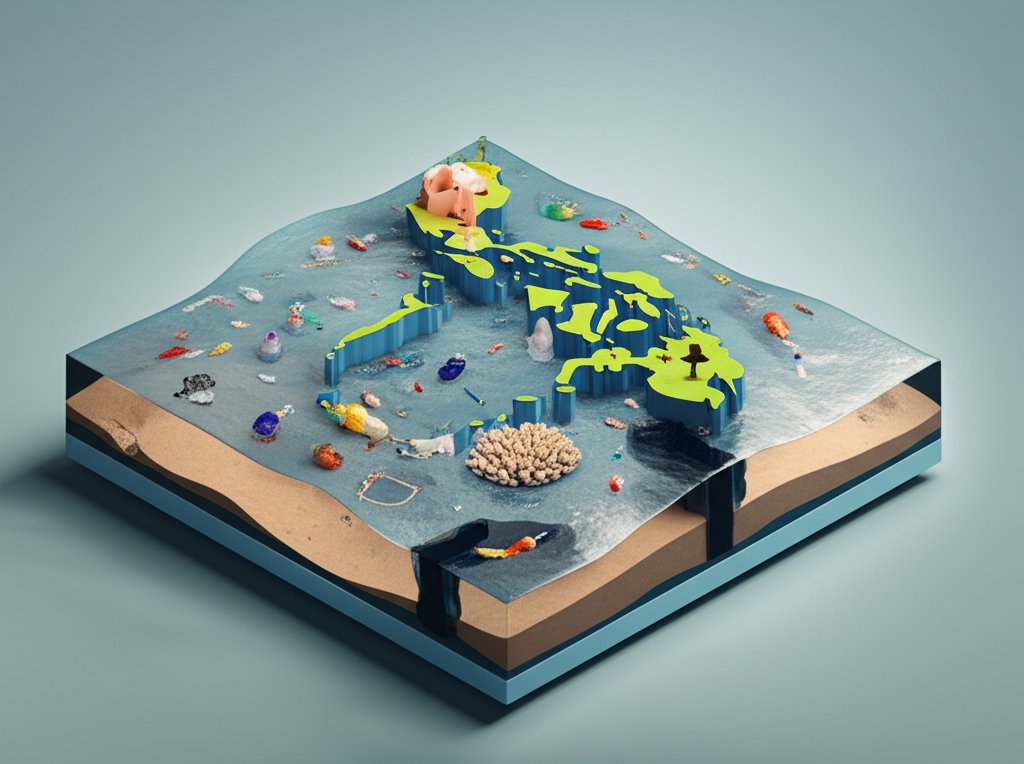
Q1: What are the primary environmental issues currently facing the Philippines?
A1: The Philippines is grappling with several critical environmental issues, including widespread deforestation, severe plastic pollution, increasing water scarcity, significant air pollution in urban centers, the destructive impacts of unregulated mining, and extreme vulnerability to climate change.
Q2: How does deforestation specifically impact the Philippines?
A2: Deforestation in the Philippines leads to significant biodiversity loss (especially for endemic species), increased soil erosion and landslides, disrupts the natural water cycle contributing to both floods and droughts, and exacerbates climate change by releasing stored carbon.
Q3: Why is plastic pollution such a significant problem in the Philippines?
A3: The Philippines is a major contributor to global marine plastic pollution due to high consumption of single-use plastics (especially sachets), inadequate waste management infrastructure, rapid urbanization, and a lack of proper recycling facilities. This harms marine life, pollutes coastal areas, and introduces microplastics into the food chain.
Q4: What factors contribute to water scarcity in the Philippines?
A4: Water scarcity in the Philippines is caused by a combination of climate change impacts (droughts, extreme weather), rapid population growth, inefficient water resource management, contamination of freshwater sources by pollution, and the degradation of watersheds due to deforestation.
Q5: What are the main challenges for the Philippines in addressing its environmental problems?
A5: The main Philippines environmental challenges include weak enforcement of existing environmental laws, fragmented governance, lack of sufficient funding for environmental initiatives, economic pressures that often prioritize development over conservation, and the high vulnerability of the country to climate change impacts.
Q6: What can individuals do to help address environmental issues in the Philippines?
A6: Individuals can help by practicing responsible consumption (reducing, reusing, recycling), conserving water and energy, supporting eco-friendly businesses, participating in community clean-up drives and reforestation efforts, advocating for stronger environmental policies, and educating others about these critical issues.










