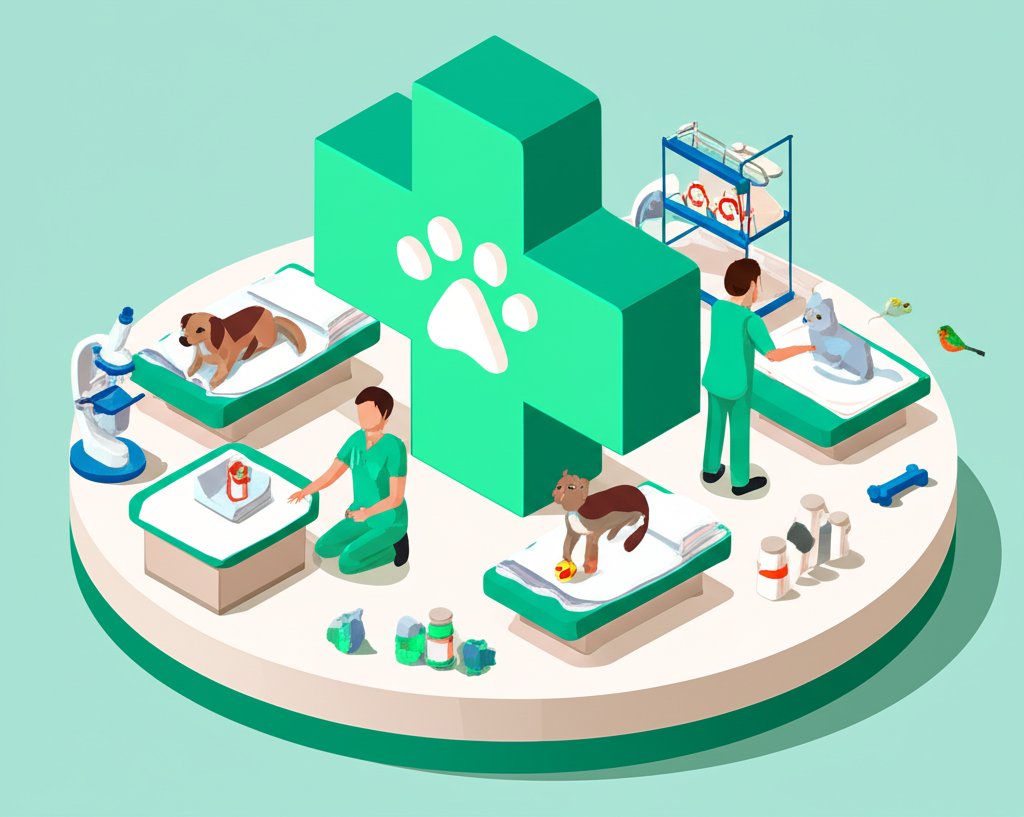
The unspoken connection between humans and animals is a cornerstone of our lives, and at the very heart of nurturing this bond are veterinarians. Often simplified to “pet doctors,” the profound reality of their profession, veterinary medicine, is an intricate tapestry of unwavering dedication, extensive scientific expertise, and a far-reaching impact that touches every corner of global well-being. These extraordinary professionals are not merely healers of our cherished companions; they are the vigilant guardians of animal health, crucial contributors to public safety, and silent stewards of our planet’s delicate ecosystems.
This comprehensive article takes you on an immersive journey into the multifaceted world of vets, revealing the depth of their commitment, the rigor of their training, and the often-unseen challenges they navigate daily. Prepare to gain a newfound appreciation for the individuals who dedicate their lives to the welfare of all creatures, understanding that their role extends far beyond the confines of a clinic to influence everything from your dinner table to global disease prevention. We will explore the demanding path to becoming a veterinarian, the diverse spectrum of their work, the profound challenges they face, and their indispensable value to society.
Considering the vast knowledge veterinarians possess, it’s no surprise that there are many surprising and interesting facts about them, some of which are highlighted in these curious vet facts.
The Transformative Journey to Become a Veterinarian: A Path of Unrivaled Dedication

Becoming a veterinarian is not just a career choice; it is a profound calling that demands years of intense academic rigor, unparalleled scientific mastery, and hands-on practical training. This educational journey is arguably more challenging and extensive than most realize, preparing vets to tackle an astonishing range of species and conditions.
Years of Intensive Study: Beyond a Bachelor’s Degree
The road to becoming a licensed vet begins long before veterinary college. Aspiring professionals typically first complete a demanding four-year Bachelor’s degree, often in highly competitive science-related fields such as biology, chemistry, biochemistry, or animal science. This undergraduate period establishes a robust foundation in complex biological systems, genetics, and scientific methodology – a prerequisite for even applying to Doctor of Veterinary Medicine (DVM or VMD) programs.
Once accepted into one of the highly selective DVM programs, students commit to another four years of intensive, graduate-level study. This demanding curriculum is a masterclass in comparative anatomy, physiology, pharmacology, pathology, microbiology, and immunology, covering a vast array of species. Unlike human medical doctors who specialize in a single species, veterinary medicine students must master the unique biological intricacies and disease processes of virtually all animal types – stretching from the most common (dogs, cats, horses, cattle) to the incredibly diverse (birds, reptiles, fish, exotics, and even wildlife). They learn specialized surgical techniques, internal medicine, diagnostic imaging, anesthesiology, and vital public health principles. This multi-species expertise makes their educational commitment truly unique and incredibly broad.
Specialization: A Deep Dive into Advanced Veterinary Medicine
Just as in human medicine, veterinary medicine offers numerous avenues for specialization, allowing veterinarians to become world-leading experts in specific aspects of animal health. After completing their DVM, many vets pursue additional internships and highly competitive residency programs, typically lasting 3-5 years, to become board-certified specialists. These fields demonstrate the immense breadth and scientific depth of modern veterinary medicine:
- Veterinary Dentistry: Focusing on oral health, from routine prophylaxis to complex extractions, root canals, and advanced maxillofacial surgery.
- Veterinary Cardiology: Diagnosing and treating heart conditions, often requiring sophisticated imaging and interventional procedures in various species.
- Veterinary Oncology: Providing advanced cancer diagnostics and treatments, including chemotherapy, radiation therapy, and surgical oncology, often adapting human protocols for animals.
- Veterinary Dermatology: Addressing complex skin and coat issues, allergies, autoimmune diseases, and parasitic conditions.
- Exotic Animal Medicine: Specializing in the unique physiological and environmental needs of non-traditional pet doctors for species like birds, reptiles, small mammals, fish, and amphibians, ensuring optimal pet care.
- Veterinary Surgery: Performing complex procedures, from advanced orthopedics (e.g., joint replacements, fracture repairs) to intricate soft tissue surgeries (e.g., organ biopsies, tumor removal).
- Veterinary Pathology: Diagnosing diseases by examining tissues and fluids, providing crucial insights for patient treatment and disease surveillance.
- Veterinary Anesthesiology: Ensuring the safe and pain-free administration of anesthesia for a diverse range of animal patients during procedures.
This depth of specialization underscores the vast and intricate knowledge required to advance animal health across such a diverse patient population, requiring pet doctors to continually push the boundaries of medical science.
Lifelong Learning: The Evolving Landscape of Veterinary Care
The education of a veterinarian doesn’t culminate with a DVM degree or even board certification. The field of veterinary medicine is in a perpetual state of evolution, with new diseases emerging, advanced diagnostic tools becoming available, and innovative treatment protocols being developed at an astonishing pace. To maintain their licenses, adhere to the highest ethical standards, and provide the best possible animal health care, vets are required to engage in continuous professional development. This includes attending conferences, participating in seminars, completing online courses, and engaging in advanced clinical training. This unwavering commitment to lifelong learning ensures that veterinarians remain at the forefront of medical advancements, continually refining their skills and knowledge to offer cutting-edge pet care and treatment options, often adapting human medical breakthroughs for their animal patients.
Beyond the Clinic Pet Doctors: The Expansive Roles of Vets

While many people primarily associate vets with treating cats and dogs in a local clinic, their reach extends far beyond companion animals, profoundly impacting animal health on a global scale and serving in roles that most never imagine.
Caring for All Creatures Great and Small: Diverse Patient Populations
One of the most defining and surprising facts about veterinarians is the incredibly broad spectrum of animals they care for. While general practitioners, often referred to as pet doctors, form the backbone of local pet care for dogs and cats, many vets dedicate their expertise to other species, each presenting unique challenges and demands:
- Livestock Veterinarians (Large Animal Vets): These vets are vital for agricultural economies and global food security. They ensure the health, productivity, and welfare of farm animals like cattle, pigs, poultry, and sheep. Their work directly contributes to meat, dairy, and egg safety, preventing disease outbreaks that could devastate food supplies and impact human economies.
- Wildlife Veterinarians: Working hand-in-hand with conservationists and ecological scientists, these vets treat injured or ill wild animals, participate in rehabilitation and release programs, and monitor wildlife populations for diseases that could impact ecosystems or spill over into human populations. They play a critical role in biodiversity conservation.
- Laboratory Animal Veterinarians: Essential for medical and scientific research, these vets ensure the ethical treatment, health, and well-being of animals used in studies. Their oversight is crucial for generating reliable research data that leads to advancements in both human and animal health and the development of new treatments and vaccines.
- Zoo and Aquarium Veterinarians: Specializing in exotic and often endangered species, these vets manage the complex health needs of animals from around the world. Their work often requires innovative diagnostic, surgical, and preventative approaches tailored to species ranging from elephants and tigers to rare fish and primates.
- Equine Veterinarians: Focusing exclusively on horses, these vets treat everything from lameness and colic to respiratory diseases and perform complex surgeries, often traveling to stables and farms.
This extensive and diverse patient list clearly highlights the adaptive nature of veterinary medicine and the universal applicability of their scientific skills, demanding an unparalleled breadth of knowledge from these vets.
Guardians of Public Health: The One Health Initiative
Perhaps one of the most vital, yet frequently overlooked, roles of veterinarians is their indispensable contribution to public health. This aligns perfectly with the globally recognized “One Health” concept, which posits that the health of humans, animals, and the environment are inextricably linked. Vets are on the front lines, serving as critical sentinels against the spread of zoonotic diseases – illnesses that can be transmitted from animals to humans.
From vaccinating pets against rabies and monitoring livestock for novel avian and swine viruses to inspecting meat and dairy products, vets are the first line of defense against diseases like West Nile Virus, Lyme disease, Avian Flu, Salmonella, E. Coli, and even playing a role in the understanding of novel coronaviruses. They collaborate extensively with government agencies, public health officials, and farmers to ensure food safety, implement disease control strategies, and respond rapidly to outbreaks. In this capacity, their role is not just indispensable for safeguarding animal health, but profoundly critical for protecting human communities worldwide from emerging pathogens and ensuring a safe, sustainable food supply. These pet doctors and large animal specialists are truly guardians of us all.
The Innovators: Research and Academia Driving Veterinary Medicine Forward
Beyond their clinical practice, many veterinarians are pivotal figures in cutting-edge research and academia. These dedicated vets conduct groundbreaking studies into animal diseases, genetics, nutrition, behavior, and pharmacology, significantly advancing our collective understanding of animal health and veterinary medicine. Their discoveries lead to the development of new vaccines, more accurate diagnostic tests, and innovative treatments that benefit a wide range of species, including humans.
Furthermore, academic vets are responsible for educating the next generation of DVMs, ensuring the continued excellence, ethical practice, and evolution of the profession. They mentor students, conduct clinical trials, and push the boundaries of scientific knowledge in laboratories and universities around the globe, all for the betterment of animal and human life.
The Unseen Burdens: Navigating the Demands of Veterinary Practice
The inherent compassion and the apparent glamour of working with animals often overshadow the profound emotional, physical, and financial challenges that are deeply ingrained in the practice of veterinary medicine. These realities contribute to a unique set of stressors for vets.
Emotional Toll and Mental Well-being in Veterinary Medicine
One of the most significant yet frequently hidden aspects of being a vet is the immense emotional burden. Veterinarians face unique and intense stressors daily, contributing to alarming rates of compassion fatigue, anxiety, depression, and even suicide ideation within the profession.
- Compassion Fatigue: Constantly dealing with animal suffering, client grief, ethical dilemmas, and the pressure of making life-or-death decisions takes a significant emotional toll, leading to profound emotional exhaustion.
- Euthanasia: Performing euthanasia is a routine, albeit heartbreaking, part of veterinary care. It requires immense empathy and often leaves a lasting emotional impact, as vets are tasked with ending a life to alleviate suffering, often for beloved family members.
- Client Communication: Managing client expectations, navigating financial constraints, and having difficult conversations about prognoses requires exceptional communication skills and profound emotional resilience, often under intense emotional pressure from grieving pet owners.
- Cyberbullying and Abuse: Unfortunately, vets and their teams can be targets of online harassment, criticism, and even threats, adding another layer of stress and undermining their professional efforts.
These factors make mental health support and awareness a critical, growing need within veterinary medicine, highlighting the profound empathy these pet doctors carry.
Physically Demanding Work of Vets
The work of a vet can be incredibly physically demanding and often hazardous. From handling large, sometimes uncooperative or fearful animals, to performing intricate, lengthy surgeries, the physical toll is substantial.
- Physical Strain: Long hours spent standing, bending, performing complex manual tasks, and lifting heavy patients contribute to musculoskeletal issues and chronic pain.
- Risk of Injury: Bites, scratches, kicks, and other injuries from animals are common occupational hazards, some leading to serious infections or permanent damage.
- Irregular Hours: Emergency calls can come at any time of the day or night, disrupting personal lives and leading to chronic fatigue. Many veterinarians work weekends and holidays, sacrificing personal time to provide urgent pet care and emergency animal health services.
This relentless schedule and physical strain contribute significantly to burnout and fatigue among vets, making resilience a core requirement of the job.
The Financial Balancing Act in Veterinary Care
Despite undergoing a rigorous and extensive education, the financial realities for many vets can be challenging. Veterinary medicine school often leaves graduates with substantial student loan debt, which can be difficult to manage given starting salaries that, while respectable, may not always align with the debt burden or the intensity of the work.
Furthermore, the cost of advanced equipment, modern facilities, specialized medications, and skilled staff required to provide cutting-edge animal health care can be astronomically high. Vets frequently face the difficult and morally complex task of balancing the desire to provide the best possible pet care with clients’ financial limitations. This leads to difficult conversations and ethical dilemmas, as they strive to offer compassionate care within real-world economic constraints. This constant balancing act is a significant source of stress, underscoring the deep passion and altruism that truly drives these professionals.
The Indispensable Value: Why Vets Are Essential for Society
The multifaceted contributions of veterinarians extend far beyond individual patient care, profoundly impacting our society, economy, and the future of our planet in ways that are often taken for granted. Their expertise in veterinary medicine is truly a societal cornerstone.
Elevating Pet Care Standards and Strengthening Human-Animal Bonds
For millions of pet owners worldwide, vets are the cornerstone of responsible pet care. They provide essential preventive medicine, administer life-saving vaccinations, offer crucial nutritional guidance, and facilitate early disease detection, all of which significantly improve the quality of life and extend the longevity of companion animals. Through education and empathetic communication, veterinarians empower owners to make informed decisions for their pets’ well-being, fostering stronger, healthier human-animal bonds and drastically reducing preventable suffering. Their expertise ensures that pet care is not just about reactive treatment, but about proactive health management, promoting a lifetime of joy and companionship. These pet doctors are truly advocates for animal welfare.
Global Animal Health: A Bigger Picture for Humanity
On a global scale, veterinarians are instrumental in addressing international animal health crises, contributing directly to food security, economic stability, and protecting biodiversity. They actively participate in international initiatives, organizations, and governmental programs to control widespread animal diseases, prevent cross-border transmission, and support sustainable agricultural practices, particularly in developing countries where communities rely heavily on livestock. By safeguarding animal populations from devastating epidemics, vets indirectly protect vulnerable human communities that depend on healthy livestock for sustenance, income, and overall economic stability. Furthermore, their critical role in monitoring wildlife populations is essential for understanding ecosystem health, tracking environmental changes, and addressing global challenges like climate change and habitat loss – demonstrating their pivotal role in veterinary medicine.
The Significant Economic Impact of Veterinary Medicine
The veterinary medicine sector is a significant and often underestimated economic driver. It creates and supports millions of jobs across various industries, including clinics, specialized laboratories, pharmaceutical companies, agricultural sectors, and animal welfare organizations. Healthy livestock populations, managed by skilled vets, mean productive farms, ensuring a stable food supply, supporting rural economies, and contributing to national GDPs. Research conducted by veterinarians leads to groundbreaking innovations, novel technologies, and a deeper understanding of diseases, which has far-reaching economic benefits for both animal and human medicine. The thriving pet care industry, heavily reliant on veterinary services, also contributes billions to the global economy annually, underscoring the vital financial footprint of vets.
Conclusion
The truth about veterinarians is that they are extraordinary individuals whose dedication, expertise, and impact extend far beyond the common perception of a “pet doctor.” Their journey is marked by years of grueling education, mastering diverse specializations within veterinary medicine, and committing to lifelong learning in an ever-evolving field. Their work encompasses caring for every imaginable creature, from beloved pets to crucial livestock and endangered wildlife. They serve as indispensable guardians of public health through the “One Health” initiative, preventing zoonotic diseases, and relentlessly driving scientific research and academic advancement.
Yet, this demanding profession comes with a heavy emotional burden, significant physical challenges, and often complex financial realities. Despite these immense pressures, their indispensable value lies in elevating pet care standards for our cherished companions, ensuring global animal health for food security and biodiversity, and contributing significantly to our economy and the overall well-being of society.
Next time you encounter a vet, pause to remember the profound scope of their work – their unparalleled expertise, their unwavering commitment to animal health, and their tireless efforts in providing paramount pet care. They truly are the unsung heroes working at the intricate intersection of compassion, cutting-edge science, and the complex web of life that connects us all.
FAQ
Q1: How long does it typically take to become a licensed veterinarian?
A1: Becoming a licensed veterinarian generally requires 8 years of post-secondary education: a demanding four-year Bachelor’s degree (often in a science-related field) followed by a highly competitive four-year Doctor of Veterinary Medicine (DVM or VMD) program. This timeline does not include additional years for specialization, which can add another 3-5 years of internships and residency.
Q2: Do veterinarians only treat dogs and cats, or are there other types of vets?
A2: No, while many vets specialize in companion animal health and pet care for dogs and cats (often referred to as pet doctors), the profession encompasses an incredibly vast array of species. Many veterinarians work exclusively with livestock (cattle, pigs, poultry), exotic pets (birds, reptiles, small mammals), zoo animals, and wildlife, each requiring specific knowledge of diverse anatomies, physiologies, and disease processes.
Q3: What is the “One Health” concept, and how are veterinarians involved?
A3: The “One Health” concept is a collaborative, multisectoral, and transdisciplinary approach that recognizes that human health, animal health, and ecosystem health are inextricably linked. Veterinarians play a crucial, front-line role in One Health by preventing and controlling zoonotic diseases (those transmissible between animals and humans), ensuring food safety through livestock health and inspections, and monitoring environmental factors that impact global health. They are vital sentinels against public health threats.
Q4: Is veterinary medicine a financially rewarding career, given the extensive education?
A4: While salaries for experienced veterinarians are competitive and generally above the national average, the profession also often involves significant student loan debt from the extensive education required. The financial reward can be substantial over a career, but it’s important to balance this against the high cost of education, the emotional and physical demands of the work, and the ongoing investment in continuing education and clinic overhead.
Q5: What are some common challenges veterinarians face in their daily practice?
A5: Vets face numerous challenges, including high emotional demands such as compassion fatigue and the burden of euthanasia decisions, physically taxing work that can lead to injuries, long and irregular hours including emergency calls, managing complex client communications (especially concerning finances and prognoses), and balancing the cost of advanced veterinary medicine with clients’ budgets. Mental health issues like burnout, anxiety, and depression are unfortunately prevalent within the profession.
Q6: Can veterinarians specialize in specific areas of animal health, similar to human doctors?
A6: Absolutely. Similar to human medicine, veterinarians can pursue rigorous residencies and achieve board certification in over 20 different specializations within veterinary medicine. These include fields like veterinary surgery, internal medicine, cardiology, oncology, dermatology, ophthalmology, anesthesiology, pathology, dentistry, and exotic animal medicine. This allows vets to develop highly focused expertise for complex animal health issues.
Q7: How important is preventive care in pet care, and what does it involve?
A7: Preventive pet care is incredibly important and is a cornerstone of good animal health. It involves regular check-ups, tailored vaccination protocols, comprehensive parasite control (fleas, ticks, heartworm), balanced nutrition guided by a veterinarian, and appropriate exercise. Proactive preventive care can prevent many serious health issues, detect diseases early when they are most treatable, significantly extend a pet’s life, and dramatically improve their overall quality of life, fostering a stronger bond between pet doctors and pet owners.
Q8: What role do veterinarians play in food safety?
A8: Vets play a critical role in food safety by ensuring the health of livestock and poultry destined for human consumption. This involves preventing and treating diseases in farm animals, overseeing antibiotic stewardship, inspecting meat and dairy processing facilities, monitoring for contaminants, and implementing biosecurity measures to prevent the spread of foodborne pathogens from farm to table. Their work directly protects consumers from foodborne illnesses.
Q9: How do veterinarians contribute to conservation efforts?
A9: Veterinarians contribute significantly to conservation by providing medical care to injured or sick wildlife, participating in rehabilitation and release programs for endangered species, monitoring wildlife populations for diseases that could impact their survival or spill over into domestic animals/humans, and conducting research on wildlife health and ecology. They are essential partners in protecting biodiversity and maintaining healthy ecosystems.
Q10: What is the biggest misconception people have about veterinarians?
A10: The biggest misconception is often that vets are “just pet doctors” who only play with animals all day. In reality, their role is profoundly complex, encompassing a vast scientific and medical knowledge base across multiple species, requiring extraordinary emotional resilience, physical stamina, and a deep, often underappreciated, impact on public health, food safety, and global ecosystems. Their work is far more demanding and impactful than most realize.










