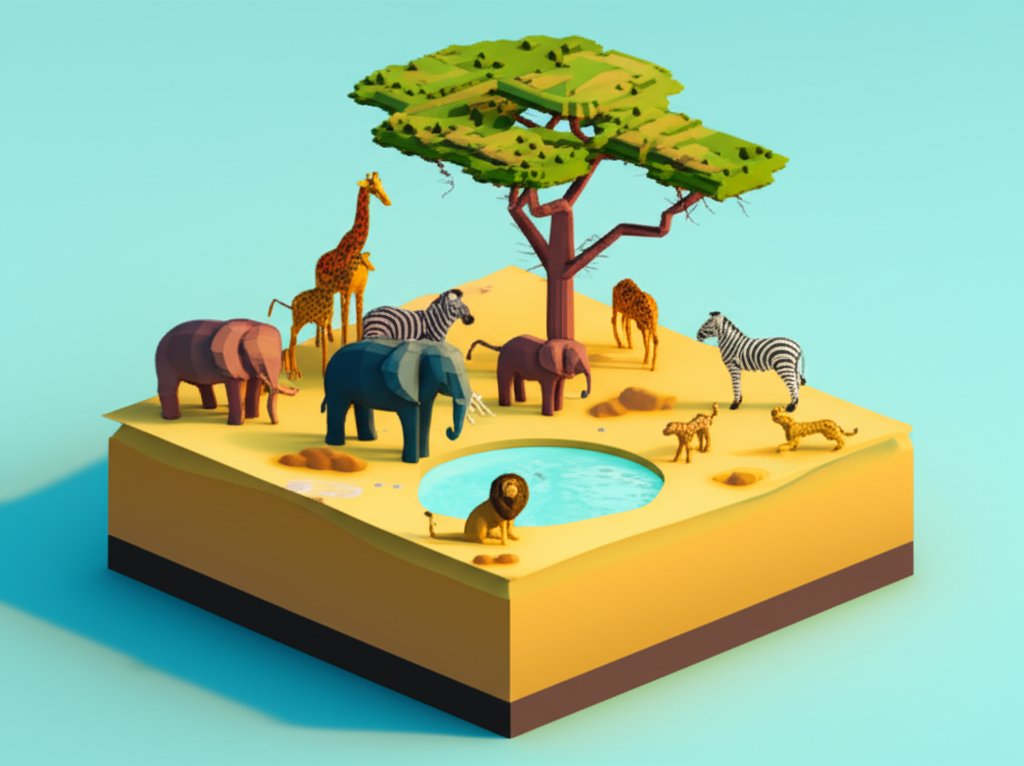
The African Savanna. The very name conjures images of endless golden grasslands, majestic wildlife, and dramatic sunsets. It’s a place of incredible beauty and raw power, an ecosystem that has captivated explorers, scientists, and nature enthusiasts for centuries. But beneath its iconic surface lie layers of complexity, surprising phenomena, and deep historical significance that most people never fully appreciate.
Beyond the well-known sights, the African Savanna is a living tapestry woven with hidden wonders, from the ancient secrets held in the soil to the intricate dance of life and death that plays out daily. If you think you know this incredible biome, prepare to have your mind blown. We’re about to delve into some truly fun facts about the African Savanna that reveal its unparalleled marvels, its critical global importance, and the fascinating stories that unfold within its vast expanses.
Beyond the Postcards: Unveiling the African Savanna
The African Savanna is far more than just “open plains.” It’s an expansive biome characterized by vast grasslands interspersed with scattered trees and shrubs. Covering nearly half of the continent, it stretches across countries like Tanzania, Kenya, South Africa, Botswana, and Zambia, offering a diverse array of landscapes from semi-arid bushlands to lush riverine forests. These varied habitats contribute to an astonishing level of biodiversity, making the African Savanna a global hotspot for wildlife.
Geographically, the savanna is typically found between tropical rainforests and deserts, acting as a crucial transition zone. Its unique climate, marked by distinct wet and dry seasons, is the primary driver of its ecology, dictating everything from plant growth to animal migration patterns. These savanna interesting facts begin to paint a picture of a dynamic, interconnected world where every element plays a vital role in sustaining a truly awe-inspiring natural spectacle.
10 Mind-Blowing African Savanna Facts You Won’t Believe
Prepare to uncover some of the most captivating and often overlooked aspects of this magnificent wilderness. Here are 10 interesting facts about the African Savanna that will deepen your appreciation for its wonders.
To truly appreciate this iconic landscape, it’s helpful to explore some savanna important facts that highlight its ecological significance and the threats it faces.
1. The World’s Largest Terrestrial Mammal Migration: The Great Wildebeest Race
While many associate the word “savanna” with Africa, it’s the sheer scale of the continent’s wildlife phenomena that sets it apart. The Great Migration in the Serengeti-Mara ecosystem is arguably the most spectacular terrestrial mammal migration on Earth, involving over 1.5 million wildebeest, hundreds of thousands of zebras, and a significant number of gazelles. These immense herds embark on an annual, treacherous journey spanning over 1,000 miles in search of fresh grazing and water, following the seasonal rains. This epic movement is a non-stop, circular quest for survival, facing challenges from river crossings teeming with crocodiles to land predators like lions and hyenas. It’s not just a journey; it’s a relentless, instinct-driven race that underscores the savanna’s capacity to support life on an unimaginable scale.
2. Master of Fire: How Savannas Survive and Thrive on Controlled Burns
Fire in the savanna isn’t just a destructive force; it’s a vital, regenerative element that has shaped the landscape for millennia. Naturally occurring during the dry season due to lightning, or intentionally set by humans for land management, these periodic fires prevent the encroachment of dense woodlands, allowing grasses to flourish. Many savanna plants have evolved incredible adaptations to survive and even thrive after fires: some possess thick, fire-resistant bark (like the corky-bark commiphora), others have extensive underground root systems that allow rapid regrowth, and certain seeds even require fire’s intense heat to germinate. Far from being a disaster, fire is nature’s gardener, recycling nutrients back into the soil and maintaining the delicate balance of the savanna ecosystem.
3. The Baobab Tree: Nature’s Upside-Down Giant and Water Reservoir
Among the savanna’s most iconic trees is the magnificent baobab (Adansonia digitata), often called the “tree of life” or “upside-down tree” due to its distinctive crown resembling roots reaching for the sky. These gargantuan trees are not only ancient, living for thousands of years, but also incredible survivors. Their massive, spongy trunks can store vast quantities of water – up to 120,000 liters (over 31,000 gallons) – allowing them to endure prolonged droughts. The baobab provides vital resources for both animals and humans: its leaves are eaten, its fruit (rich in Vitamin C) is a superfood, its bark is used for ropes and clothing, and its hollows provide shelter. It’s a true keystone species, supporting a wide array of life and culture across the African Savanna.
4. Not Just an African Phenomenon: Savannas Span the Globe, But Africa’s Reign Supreme
While the “African Savanna” is the most famous, savannas are a global biome found on every continent except Antarctica. They exist in South America (like the Llanos and Cerrado), Australia, and parts of Asia. However, the African Savanna stands alone in its sheer size, biodiversity, and the iconic nature of its megafauna. No other savanna ecosystem on Earth hosts the same density and variety of large mammals – from elephants, giraffes, and rhinos to lions, leopards, and cheetahs – that define the African landscape. When people search for 10 interesting facts about savannah, the unmatched grandeur and ecological importance of the African version inevitably take center stage.
5. Co-evolutionary Arms Race: Predator-Prey Dynamics in Hyperdrive
The African Savanna is a living laboratory of natural selection, where the constant struggle between predator and prey drives rapid evolutionary adaptations. This “arms race” is observable in every interaction. Cheetahs have evolved incredible speed and agility (up to 70 mph) to catch fast-moving gazelles, which in turn developed “stotting” (jumping high during flight) to signal their fitness to predators. Zebras’ dazzling stripe patterns are thought to confuse predators in a herd, making it difficult to individuate a single target. Lions hunt cooperatively, using their strength in numbers to bring down formidable prey like buffalo. This intricate web of life and death ensures that only the fittest survive, continually refining the skills and instincts of every creature.
6. The Long Human History: Cradle of Humanity and Ancient Coexistence
The African Savanna is not just a wildlife haven; it’s the cradle of humankind. Archaeological evidence suggests that early hominids evolved in and around the savannas of East Africa millions of years ago, adapting to its open landscapes and resource availability. Modern indigenous groups, such as the Maasai, Samburu, and Hadza, continue to live in the savanna, maintaining traditional lifestyles that have often coexisted sustainably with wildlife for centuries. Their deep ecological knowledge, pastoralist practices, and cultural reverence for nature offer invaluable lessons in harmonious living, even as they face modern challenges. The savanna’s history is intertwined with our own, offering profound insights into our ancestral roots.
7. A Dynamic Climate: The Rhythm of Wet and Dry Seasons Dictates All Life
The African Savanna experiences two primary seasons: a long, hot dry season and a shorter, often intense wet season. This stark dichotomy is the engine that drives the entire ecosystem. During the dry season, water sources dwindle, grasses turn brittle, and many animals migrate or adapt to scarce resources. With the arrival of the wet season, the landscape transforms dramatically: dormant seeds burst to life, grasses shoot up, and waterholes refill, signaling a time of abundance. This seasonal rhythm dictates breeding cycles, migration patterns, and the availability of food for both herbivores and carnivores. Understanding this fundamental pulse is crucial to grasp how life flourishes in this challenging environment.
8. The Keystone Species: Elephants as “Engineers” and “Gardeners” of the Savanna
African elephants, the world’s largest land animals, are true keystone species in the savanna, meaning their presence has an outsized impact on the ecosystem. They act as “ecological engineers” by pushing over trees, creating open grasslands that benefit grazers, and their dung disperses seeds, aiding plant propagation. By digging for water in dry riverbeds, they create vital waterholes for countless other species. Their massive foraging habits create pathways and clearings, opening up dense vegetation. Without elephants, the savanna landscape would gradually transform, impacting the habitats and survival of many other plant and animal species that depend on their presence.
9. More Than Grass: A Mosaic of Micro-Ecosystems Within the Savanna
Contrary to a uniform image of endless grass, the African Savanna is a rich mosaic of diverse micro-ecosystems, each supporting unique flora and fauna. These include:
This patchwork ensures maximum biodiversity, allowing a wider range of species to coexist and thrive by utilizing different niches.
10. The Secret Language of the Savanna: Alarm Calls and Chemical Communication
Animals in the African Savanna communicate in complex ways beyond what meets the eye (or ear). Vervet monkeys, for example, have distinct alarm calls for different predators: one sound for an eagle, another for a leopard, and yet another for a snake. Hearing a specific call, the troop reacts accordingly – looking up for an eagle, climbing a tree for a leopard, or looking down for a snake. Even trees communicate! When acacia trees are browsed by giraffes, they can release tannins that make their leaves unpalatable and also emit ethylene gas, signaling to neighboring acacia trees to start producing tannins themselves. This incredible chemical warning system allows plants to defend themselves across distances, showcasing a level of intricate communication that is truly mind-blowing.
The Delicate Dance: Why the African Savanna is So Vital?
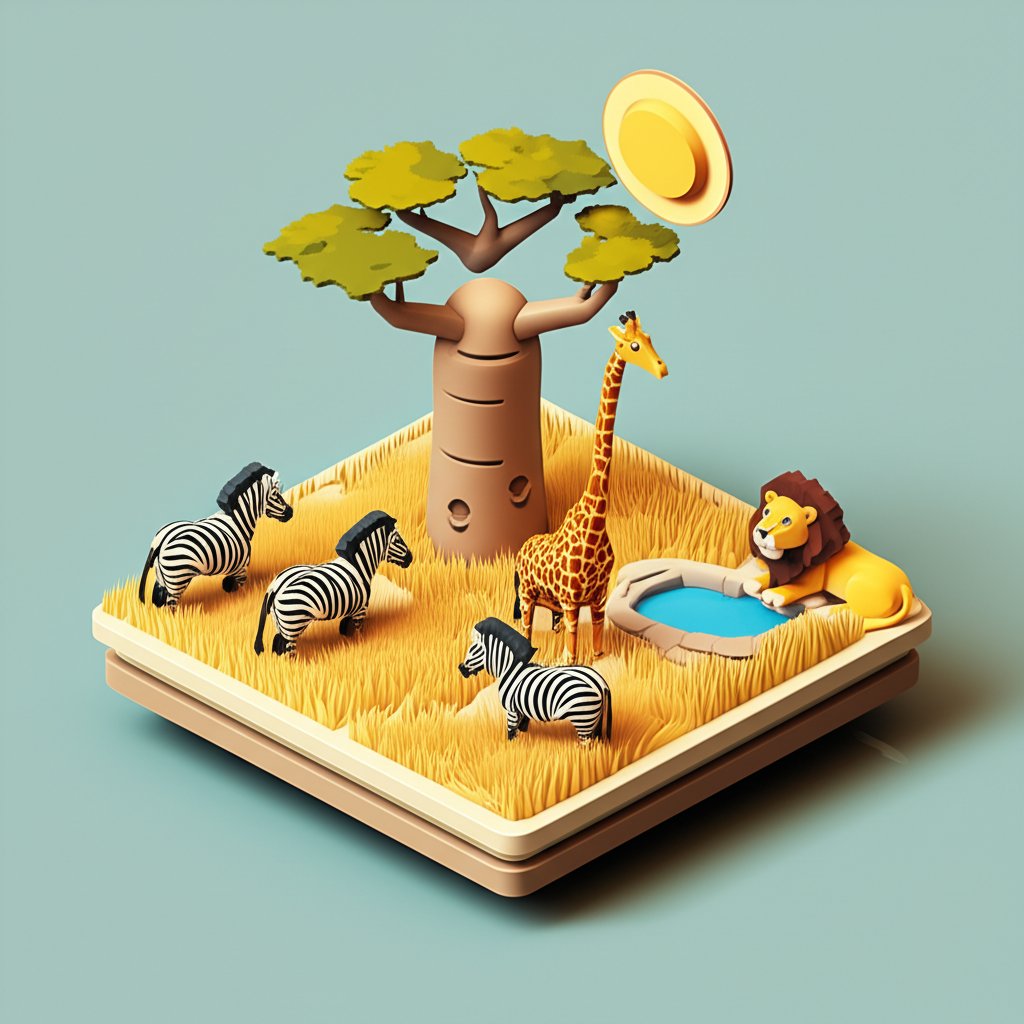
Beyond its captivating wildlife and breathtaking vistas, the African Savanna plays a disproportionately critical role, not just for Africa but for the entire planet. It is a vital engine of life, performing essential ecosystem services that regulate global climate, purify water, and sustain livelihoods.
- Biodiversity Hub: As we’ve seen through these fun facts about the African Savanna, it’s a stronghold for a vast number of species, many found nowhere else. The loss of savanna habitats means an irreversible loss of global biodiversity.
- Climate Regulation: The vast grasslands act as significant carbon sinks, absorbing carbon dioxide from the atmosphere. They also influence regional weather patterns, including rainfall.
- Water Security: Savannas are crucial for watershed protection, filtering water that feeds major rivers and supporting groundwater reserves, which are essential for both human and animal populations.
- Economic Pillar: Wildlife tourism, particularly safari experiences, is a significant economic driver for many African nations, providing jobs and revenue that can be reinvested in local communities and conservation efforts.
- Cultural Heritage: The savanna is deeply woven into the cultural fabric of many indigenous African communities. Their traditions, knowledge, and spiritual connections to the land are invaluable, offering insights into sustainable living that have been honed over millennia.
The health of the African Savanna is inextricably linked to the well-being of the planet. Its intricate ecological dynamics are a testament to nature’s resilience and the urgent need for its protection.
Guardians of the Grasslands: Conservation Challenges and Triumphs
Despite its immense importance and iconic status, the African Savanna is facing unprecedented threats. The push and pull between human development and wildlife preservation create complex challenges that demand innovative and collaborative solutions. These interesting facts about the African Savanna would not be complete without acknowledging the ongoing struggle for its survival.
Major Threats to the African Savanna
- Habitat Loss and Fragmentation: The expansion of agriculture (farming), human settlements, and infrastructure development are converting vast tracts of savanna into cultivated land or urban areas, leading to direct habitat destruction and isolating wildlife populations.
- Poaching: Illegal hunting, primarily for ivory (elephants) and rhino horn, continues to decimate iconic species, pushing them to the brink of extinction. The market for bushmeat also poses a significant threat to many animal populations.
- Climate Change: Changes in rainfall patterns, increased frequency of droughts, and extreme weather events disrupt the delicate balance of the savanna, affecting water availability, vegetation growth, and animal migration.
- Human-Wildlife Conflict: As human populations expand, encounters between people and wildlife increase, leading to conflicts over livestock predation, crop damage, and competition for water resources, often resulting in retaliatory killings of animals.
- Overgrazing: Unsustainable livestock grazing practices by pastoral communities can degrade grasslands, leading to soil erosion and reduced biodiversity, impacting natural herbivore populations.
Endangered Icons of the Savanna
Several charismatic species are particularly vulnerable:
Hope on the Horizon: Innovative Conservation Solutions
Despite the grim challenges, there are significant triumphs and ongoing efforts:
The future of the African Savanna hinges on a collective commitment to address these threats through scientific understanding, policy changes, and the active participation of local and global communities.
Conclusion
The African Savanna is more than just a landscape; it’s a testament to the power of nature, a living, breathing entity that constantly adapts, evolves, and inspires. From the thunderous spectacle of the Great Migration and the ingenious adaptations of fire-resistant trees to the ancient human stories embedded in its soil and the intricate web of predator and prey, these 10 mind-blowing African Savanna facts offer just a glimpse into its profound complexity.
Its vibrant biodiversity, dynamic climate, and essential ecosystem services make it a global treasure, one that demands our attention and protection. As we learn more about this magnificent biome, we gain a deeper appreciation for its delicate balance and the urgent need for conservation efforts. Let these savanna interesting facts ignite your curiosity and compel you to become an advocate for this enchanting, irreplaceable wilderness. The African Savanna is waiting to be explored, understood, and cherished for generations to come.
Through sustainable tourism, support for conservation organizations, and continued education, we can all play a part in safeguarding the future of this extraordinary natural wonder, ensuring that its majestic tales continue to unfold under the vast African sky.
FAQ

Q1: What makes the African Savanna unique compared to other savannas worldwide?
A1: While savannas exist globally, the African Savanna is unique for its unparalleled scale, immense biodiversity, and the sheer number and variety of large mammals it supports, including the largest terrestrial migration on Earth (the Great Migration). No other savanna biome hosts such an iconic array of megafauna.
Q2: What is the Great Migration, and why is it so important?
A2: The Great Migration is the annual journey of over 1.5 million wildebeest, zebras, and gazelles across the Serengeti-Mara ecosystem in East Africa. It’s crucial for the health of the savanna as it follows rainfall and fresh grazing, ensuring the distribution of nutrients and impacting predator-prey dynamics across a vast area.
Q3: How do animals and plants survive the long dry season in the African Savanna?
A3: Animals employ various strategies, including migration (like the wildebeest), seeking out permanent water sources, estivation (a state of dormancy), or having adaptations to conserve water. Plants, like the baobab tree, store water in their trunks, while others have deep roots or shed leaves to reduce water loss. Fire-resistant adaptations also help plants regenerate quickly after dry season fires.
Q4: What role have humans played in the history of the African Savanna?
A4: Humans have inhabited the African Savanna for millions of years, as it’s considered the cradle of humanity. Indigenous communities have historically coexisted with nature, developing deep ecological knowledge and sustainable practices. However, modern human activities like agriculture, settlements, and poaching now pose significant threats to the savanna ecosystem.
Q5: Are all “savannahs” the same as the African Savanna?
A5: No. While the term “savanna” generally refers to a grassland ecosystem with scattered trees, the term “Savannah” (capitalized) can also refer to the city of Savannah, Georgia, in the United States. When discussing the biome, it is essential to specify “African Savanna” to avoid confusion, as the African version is distinct in its characteristics and biodiversity.
Q6: What are some of the biggest threats to the African Savanna today?
A6: Major threats include habitat loss due to agricultural expansion and human settlements, illegal poaching of endangered species like rhinos and elephants, the impacts of climate change (droughts, altered rainfall), and human-wildlife conflict arising from competition for resources.
Q7: Are there any specific plants that are unique or particularly important to the African Savanna?
A7: Yes, iconic trees like the Baobab tree (known for its vast water storage and longevity) and various species of Acacia trees (which provide browse for herbivores and can communicate chemically) are crucial to the African Savanna. The diverse array of grass species is also fundamental, supporting the vast herds of grazers and shaping the landscape.










