
Have you ever truly considered the profound impact and multifaceted roles of veterinarians in our world? Far more than just doctors for our beloved pets, these dedicated professionals are at the forefront of animal health, pioneers in veterinary medicine, and essential guardians of public well-being. If you’ve ever been curious about the fascinating world behind the clinic doors, prepare to uncover some truly vital facts about veterinarians. Join us as we explore the diverse responsibilities, challenging realities, and inspiring advancements that define modern animal care, revealing the secrets that ensure healthier lives for creatures great and small, and a safer environment for us all.
By delving into the depths of their profession, from rigorous academic journeys to groundbreaking scientific contributions, we can better appreciate the immense dedication it takes to be an animal health hero. This article will illuminate ten essential facets of the veterinary world, transforming your understanding of these indispensable medical professionals.
To gain a deeper understanding of the wide-ranging roles these professionals play, exploring more curious vet facts can reveal just how essential they are to our society and the well-being of animals.
The Unseen Academia: Rigorous Training and Diverse Expertise of a Veterinarian
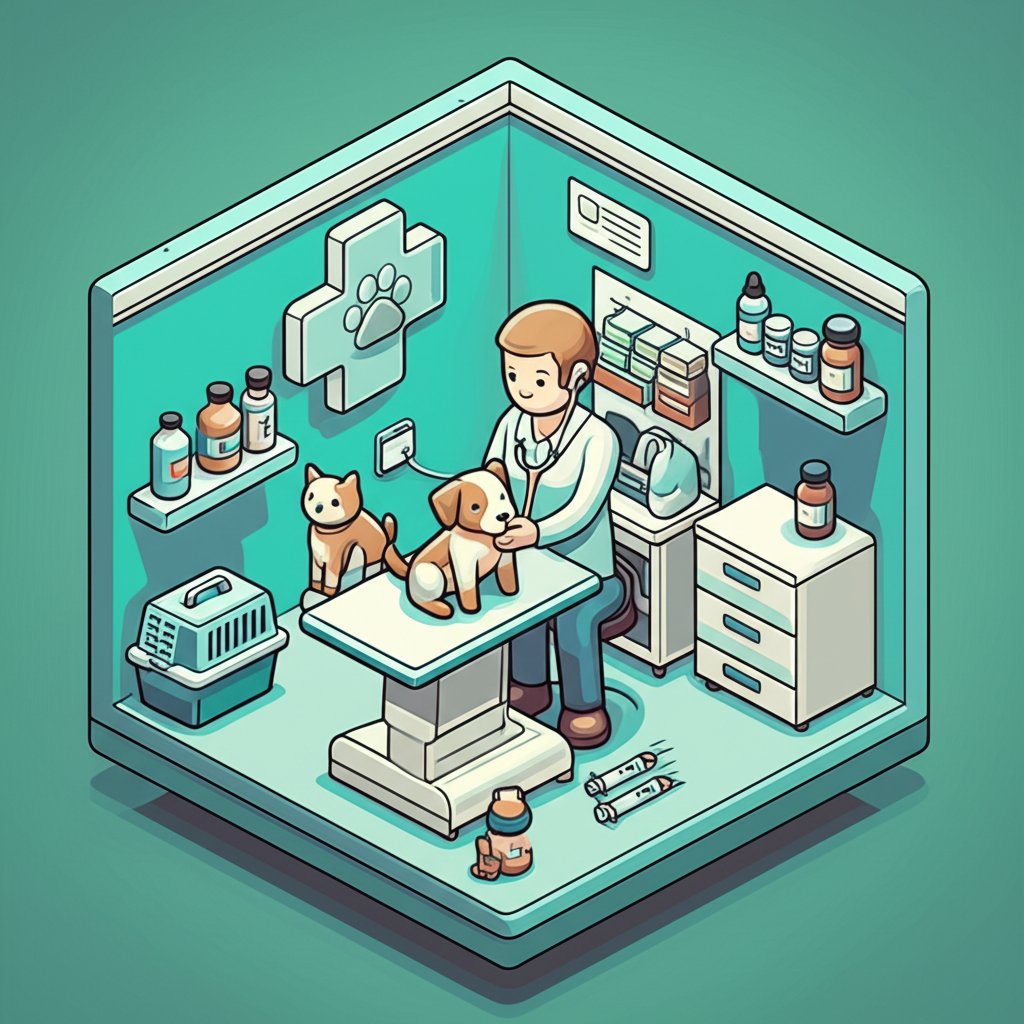
Becoming a veterinarian is a journey demanding exceptional intelligence, unwavering commitment, and profound empathy. It’s a calling that requires years of intense academic and practical training, equipping professionals with the expertise to navigate the complex world of animal health. This extensive preparation ensures they are ready for any challenge, whether in a bustling city clinic or a remote wildlife sanctuary.
More Than a Degree: The Path to Becoming a DVM
Fact 1: The educational journey for a veterinarian is profoundly rigorous, often exceeding that of many human medical specialists in breadth of species knowledge.
Unlike many healthcare professions, there are no shortcuts to becoming a veterinarian. Aspiring vets typically complete a demanding bachelor’s degree, often in a science-related field like biology, chemistry, or animal science, before even applying to competitive veterinary schools. This foundational education is followed by a rigorous four-year Doctor of Veterinary Medicine (DVM or VMD) program. This exhaustive curriculum encompasses everything from animal anatomy, physiology, pharmacology, and microbiology to surgical techniques, diagnostic imaging, and internal medicine, all tailored to a vast array of species.
Graduates emerge not only as highly skilled medical practitioners but also as astute diagnosticians capable of understanding and treating a wide spectrum of animal ailments across multiple biological systems. Many then pursue internships and residencies, adding several more years of specialized training, akin to a human doctor completing their residency and fellowship, but with the added complexity of adapting that knowledge for species ranging from a mouse to an elephant.
A Legacy of Healing: The Birth of Modern Veterinary Medicine
Fact 2: Formal veterinary medicine originated in the 18th century, transforming animal healing from folklore into a scientific discipline.
The roots of veterinary medicine stretch back to ancient civilizations, where rudimentary forms of animal care were practiced to maintain livestock and working animals. Early texts from Mesopotamia, Egypt, and India describe treatments for animal diseases, reflecting humanity’s long-standing reliance on animals. However, the formal institutionalization of veterinary education began much later. The world’s first veterinary school, the École Nationale Vétérinaire d’Alfort (Royal Veterinary College), was established in Lyon, France, in 1761 by Claude Bourgelat.
This groundbreaking institution marked a pivotal moment, transforming animal healing from a craft passed down through generations into a scientific discipline grounded in research and structured education. It was founded primarily to combat devastating cattle plagues that threatened Europe’s food supply, highlighting the early recognition of veterinarians as crucial economic and public health agents. This historical foundation laid the groundwork for the sophisticated veterinary medicine we know today, continually evolving through scientific discovery and technological innovation.
A Spectrum of Species: Treating Every Creature Great and Small
Fact 3: Veterinarians are unique among medical professionals, trained to treat an incredibly diverse range of animal species, each with distinct anatomies and physiologies.
One of the most surprising facts about veterinarians is the sheer diversity of their patients. While many people associate vets primarily with cats and dogs, these professionals are trained to treat a staggering array of animals. This includes traditional farm animals like cattle, sheep, goats, pigs, and poultry, essential for our food supply. They also care for exotic pets such as birds, reptiles (snakes, lizards, turtles), small mammals (hamsters, rabbits, ferrets, guinea pigs), and even aquatic species.
Beyond companion animals and livestock, veterinarians are vital in zoo and wildlife conservation, providing critical animal care for endangered species, managing the health of entire ecosystems, and rehabilitating injured wild animals. Their knowledge must span unique anatomies, varied physiologies, distinct behavioral patterns, and different disease susceptibilities across the entire animal kingdom. This breadth of expertise demands continuous learning and adaptability, making their role incredibly challenging and rewarding.
Beyond General Practice: Specializations and Advanced Veterinary Medicine
The scope of animal health under the purview of a veterinarian is astonishingly broad. Much like human doctors, vets can specialize, delving deep into specific species or intricate medical disciplines within veterinary medicine. This allows for a granular level of care that addresses complex health challenges with expert precision.
The Specialist’s Edge: Deep Dives into Animal Health
Fact 4: Veterinary medicine offers over 20 recognized specializations, allowing veterinarians to provide highly advanced and targeted animal care.
The depth of veterinary medicine allows for over 20 recognized specializations, each requiring additional years of intensive training and board certification after DVM graduation. These specializations enable vets to provide highly advanced and specific animal care, mirroring the complexity of human medical fields. Examples include:
- Veterinary Surgery: Performing intricate orthopedic (bone, joint, ligament) and soft tissue operations, often using minimally invasive techniques.
- Veterinary Dentistry: Focusing on oral health, extractions, root canals, and advanced dental procedures, preventing systemic health issues linked to dental disease.
- Veterinary Oncology: Diagnosing and treating animal cancers with chemotherapy, radiation, and surgery, often extending and improving the quality of life for pets.
- Veterinary Dermatology: Addressing complex skin, ear, and coat conditions, including allergies, infections, and autoimmune diseases.
- Veterinary Cardiology: Specializing in heart and circulatory system diseases, from congenital defects to acquired heart failure, using advanced diagnostics like echocardiography.
- Veterinary Ophthalmology: Dedicated to the diagnosis and treatment of eye diseases, including cataracts, glaucoma, and retinal disorders, performing delicate eye surgeries.
- Thierogenology: Reproductive medicine specialists, crucial for breeding and fertility management in various species.
- Emergency & Critical Care: Providing immediate, life-saving animal health interventions for trauma, acute illnesses, and post-operative complications.
These specialized veterinarians contribute significantly to advancing animal health outcomes, pushing the boundaries of what’s possible in pet care and ensuring even the most challenging cases receive expert attention.
Harnessing Technology: Cutting-Edge Diagnostics and Therapies
Fact 5: Modern veterinary medicine leverages advanced technologies and innovative therapies, rivaling those found in human healthcare.
Modern veterinary medicine leverages cutting-edge technology and techniques previously reserved for human healthcare. Veterinarians are skilled in advanced diagnostics, utilizing MRI, CT scans, ultrasound, endoscopy, and sophisticated laboratory tests (e.g., genetic testing, advanced pathology) to accurately diagnose complex conditions that might be otherwise undetectable. These tools allow for precise identification of issues, from internal organ diseases to neurological disorders, without invasive procedures.
They are often masters of complex surgeries, from routine procedures like spaying and neutering to highly specialized operations like organ transplants, intricate neurosurgery, complex fracture repairs, and even prosthetic limb attachments. Pharmacological treatments are constantly evolving, with new drugs and targeted therapies becoming available. Rehabilitation therapies (physiotherapy, hydrotherapy), pain management protocols, and even alternative veterinary medicine practices like acupuncture and herbal medicine are all part of the comprehensive animal care toolkit, ensuring animals receive the best possible chances for recovery and a high quality of life. The commitment to innovation means that animal health is continually improving.
Guardians of Public Health: Veterinarians’ Critical Role in Global Well-being
One of the most profound and often overlooked facts about veterinarians is their critical role in safeguarding not just animal health but also public health. Their work extends far beyond individual patient care, contributing significantly to global well-being and the safety of our communities.
The One Health Initiative: Protecting Animals, Humans, and the Environment
Fact 6: Veterinarians are crucial frontline defenders in the “One Health” approach, preventing the spread of diseases between animals and humans.
Veterinarians are frontline defenders against zoonotic diseases – illnesses that can transmit between animals and humans. Think of rabies, Lyme disease, West Nile virus, avian influenza, or even newer emerging diseases. Through surveillance programs, risk assessment, rapid response to outbreaks, and vaccination initiatives for both domestic and wild animals, they prevent the spread of these pathogens, effectively protecting our communities.
This interconnected approach, known as “One Health,” recognizes that human health is inextricably linked to animal health and the health of our shared environment. Veterinarians are key players in this collaborative effort, working alongside physicians, epidemiologists, public health officials, and environmental scientists globally. Their expertise in diagnosing and controlling animal diseases is paramount to preventing pandemics and ensuring global health security. Their proactive animal care is direct public health intervention.
From Farm to Fork: Ensuring Food Safety and Animal Welfare
Fact 7: Veterinarians are indispensable for ensuring a safe and abundant food supply, overseeing the health and welfare of livestock.
In the realm of food production, veterinarians contribute immensely to public health and animal care. They work with farmers and agricultural industries to maintain the health of livestock (cattle, poultry, swine), ensuring animals raised for food are free from disease and that meat, dairy, and eggs are safe and wholesome for human consumption. This involves implementing robust vaccination programs for herds, advising on proper nutrition and husbandry practices to minimize stress and disease, and monitoring for potential contaminants, antibiotic residues, or other public health threats in food products.
Government veterinarians inspect food processing plants, enforce animal welfare regulations, and ensure adherence to international food safety standards. These veterinarians are essential in maintaining food security, preventing foodborne illnesses, and supporting sustainable agricultural practices, making their role in veterinary medicine indispensable for societal health and economic stability.
Champions of Conservation: Wildlife and Ecosystem Stewardship
Fact 8: Beyond pets and livestock, veterinarians are vital contributors to environmental stewardship and global wildlife conservation efforts.
The expertise of veterinarians also extends to environmental and ecosystem health. They are deeply involved in wildlife conservation, managing the health of wild animal populations, studying disease patterns in ecological contexts (e.g., impact of climate change on wildlife health), and rehabilitating injured or sick wild animals with the goal of returning them to their natural habitats. By mitigating the spread of diseases within wildlife populations, they help preserve biodiversity and protect fragile ecosystems.
Their work in animal care for endangered species, whether in zoos, aquariums, or in their natural habitats, directly contributes to the planet’s ecological balance. From tracking exotic diseases in remote jungles to performing surgery on a sea turtle affected by pollution, these veterinarians embody another vital aspect of their contributions beyond pet ownership, showcasing a profound commitment to the planet’s diverse inhabitants.
The Human Element: Dedication, Challenges, and Mental Well-being in Veterinary Professions
While the dedication of veterinarians to animal health is undeniable, the profession comes with unique emotional and mental demands that are important facts about veterinarians often overlooked. Understanding these aspects fosters greater appreciation and support for these compassionate heroes.
The Unseen Burdens: Mental Health in Veterinary Medicine
Fact 9: The veterinary profession faces significantly higher rates of mental health challenges, including burnout and suicide, due to its unique emotional and ethical demands.
Beneath the surface of compassion and expertise, veterinary medicine is recognized as an emotionally demanding field. Dealing with sick or injured animals, delivering difficult prognoses to grieving owners, making end-of-life decisions (euthanasia), navigating financial constraints of clients, and often working long, unpredictable hours can take a significant toll on mental health. Veterinarians frequently experience compassion fatigue, moral distress, and high levels of stress.
Studies indicate that veterinarians face alarmingly higher rates of psychological distress, anxiety, depression, burnout, and even suicide compared to the general population and other healthcare professions. This critical fact underscores the importance of supporting the mental well-being of these dedicated professionals. Acknowledging these challenges is a crucial step in fostering a sustainable and compassionate veterinary community, offering essential insights into the personal facts about veterinarians and highlighting the need for robust support systems and a cultural shift towards prioritizing mental wellness within the profession.
Dedication to Prevention: Proactive Animal Care for Longer Lives
Fact 10: Veterinarians are staunch advocates for proactive preventive care, which is the cornerstone for ensuring animals lead longer, healthier, and happier lives.
A cornerstone of excellent animal care is preventive veterinary medicine. Veterinarians strongly advocate for regular wellness check-ups, tailored vaccination schedules, comprehensive parasite control (fleas, ticks, heartworm, intestinal worms), and early disease screenings (e.g., dental exams, blood work for senior pets). Just as in human medicine, catching potential health issues early can lead to more effective treatments, less suffering, and dramatically better long-term outcomes.
By focusing on preventive measures, veterinarians empower pet owners with knowledge and tools to help their animals lead longer, healthier, and happier lives. This proactive approach, including nutritional counseling, behavioral advice, and lifestyle recommendations, truly embodies the spirit of dedicated animal care, shifting the focus from treating illness to maintaining overall well-being. This commitment to prevention not only improves individual animal health but also contributes to healthier pet populations overall.
The Evolving Landscape: Innovation and the Future of Animal Health

The field of veterinary medicine is dynamic and continuously expanding, reflecting changing societal values concerning animal health and animal care. The future promises even more incredible advancements, driven by dedicated veterinarians and ongoing scientific innovation.
A Profession in Demand: Growth and Opportunities for Veterinarians
The demand for skilled veterinarians continues to grow significantly worldwide. Increased pet ownership, a heightened societal awareness of animal welfare, and the expanding roles vets play in public health, food safety, biomedical research, and global conservation contribute to this trend. In the United States alone, there are over 77,000 practicing veterinarians, and the profession is projected to experience substantial growth, faster than the average for all occupations.
This growth signifies a promising future, offering diverse opportunities for those passionate about animal health. From serving in emergency clinics to leading pharmaceutical research or working in international disease control, the career paths for a veterinarian are broad and impactful. These statistics highlight one of the most compelling current facts about veterinarians: their essential contributions are recognized and increasingly valued by society.
Pushing Boundaries: Innovations Shaping Veterinary Medicine
The future of veterinary medicine is vibrant, marked by continuous innovation. Advances in genetics (e.g., gene editing for disease prevention, breed-specific diagnostics), stem cell therapy for regenerative medicine, sophisticated diagnostic imaging (e.g., 3D printing for surgical planning), and telemedicine are revolutionizing animal care. Personalized veterinary treatments, tailored to an individual animal’s genetic makeup and specific condition, are becoming more common.
Research into novel vaccines, smarter diagnostic tools powered by AI, and more effective, targeted therapies promises to further enhance animal health outcomes. Veterinarians are not just adopting these developments; they are often at the forefront of these breakthroughs, actively conducting research, integrating new knowledge, and continuously adapting their practices to improve the lives of their patients.
Inspiring the Next Generation: Mentorship and Advocacy in Animal Care
Veterinarians not only mend and heal but also inspire future generations. Through mentorship programs, community outreach, and the sheer example of their dedication, they motivate aspiring veterinarians and animal lovers alike. They ignite a passion for science, compassion, and animal care, ensuring the vital work of veterinary medicine continues to evolve and thrive.
Their advocacy for animal welfare extends beyond individual patient care, influencing public policy, promoting responsible pet ownership, and raising awareness about critical animal health issues. This role as educators and advocates is another powerful fact about veterinarians that shapes our understanding of their impact, fostering a legacy of care and scientific progress that benefits all living creatures and the environment we share.
Conclusion
The world of veterinarians is rich with complexity, dedication, and profound impact. From years of rigorous education and the breadth of species they treat to their crucial role in public health and the emotional resilience they demonstrate, veterinarians are truly multifaceted professionals. They are pioneers in veterinary medicine, unwavering advocates for animal health, and silent guardians of our collective well-being. The facts about veterinarians we’ve explored reveal a profession driven by an unparalleled commitment to life.
The next time you encounter a veterinarian, take a moment to appreciate the depth of their expertise and the immense challenges they navigate. Their commitment ensures not just the happy, healthy lives of our beloved companions but also contributes significantly to a safer, healthier world for all. Understanding these vital facts about veterinarians empowers us all to be better partners in animal care and to support these remarkable individuals who dedicate their lives to the voiceless. Your veterinarian is more than a doctor for your pet; they are a vital asset to our community and planet, embodying heroism in every act of care.
FAQ
Q1: What kind of education and training do veterinarians receive?
A1: Veterinarians undergo extensive education, typically starting with a bachelor’s degree (often science-focused) followed by a four-year Doctor of Veterinary Medicine (DVM or VMD) program. This rigorous training covers anatomy, diseases, surgeries, diagnostics, and treatments across a wide range of animal species, often followed by optional internships and residency for specialization.
Q2: Can veterinarians specialize in specific areas of veterinary medicine?
A2: Yes, similar to human doctors, veterinarians can specialize in over 20 fields after their DVM, such as surgery, dentistry, oncology, ophthalmology, cardiology, or emergency and critical animal care. These specializations require additional years of advanced training and board certification, demonstrating a deep expertise in a particular area of veterinary medicine.
Q3: What role do veterinarians play in public health?
A3: Veterinarians play a crucial role in public health by preventing the spread of zoonotic diseases (transferable from animals to humans), ensuring food safety through livestock health management, contributing to biomedical research, and protecting environmental and wildlife health. This interconnected approach is known as “One Health,” highlighting their critical contribution to global well-being.
Q4: Do veterinarians only treat common pets like dogs and cats?
A4: While many veterinarians focus on companion animals, they are trained to treat an incredibly diverse array of species, including farm animals (livestock), exotic pets (birds, reptiles, small mammals), zoo animals, and wildlife. Their expertise spans various anatomies, behaviors, and health issues found across the entire animal kingdom, a key set of facts about veterinarians often surprising to the public.
Q5: What are some of the historical milestones in veterinary medicine?
A5: While rudimentary animal care existed for centuries, the formal structure of veterinary medicine began with the establishment of the world’s first veterinary school, the École Nationale Vétérinaire d’Alfort in Lyon, France, in 1761. This marked a pivotal shift towards a scientific and educational approach to animal health, laying the foundation for modern practices.
Q6: Is veterinary medicine a growing profession?
A6: Yes, the field of veterinary medicine is experiencing significant growth. Factors like increasing pet ownership, greater societal awareness of animal welfare, and the expanded roles of veterinarians in public health, food safety, and research contribute to a rising demand for their services and a promising future for the profession.
Q7: What are some of the emotional challenges faced by veterinarians?
A7: Veterinarians often face high emotional demands, including compassion fatigue, stress from difficult cases, dealing with pet owners’ grief, and making euthanasia decisions. These factors, combined with long hours and high professional expectations, can lead to higher rates of psychological distress, burnout, and even suicide within the profession, making mental health support a critical issue.
Q8: How do veterinarians contribute to wildlife conservation?
A8: Veterinarians contribute to wildlife conservation by managing the health of wild populations, rehabilitating injured or sick wild animals, studying disease patterns within ecosystems, and helping to prevent the spread of diseases that could impact endangered species. Their specialized animal care helps maintain biodiversity and ecological balance.
Q9: What is the significance of “preventive care” in animal health?
A9: Preventive animal care, championed by veterinarians, is paramount for longevity and quality of life. It includes regular check-ups, vaccinations, parasite control, and early disease screenings. This proactive approach helps detect and address potential health issues before they become severe, leading to more effective treatments and better long-term animal health outcomes.
Q10: How does technology impact modern veterinary medicine?
A10: Technology significantly impacts modern veterinary medicine through advanced diagnostics (MRI, CT scans, ultrasound), innovative surgical techniques, new pharmacological treatments, and regenerative therapies (e.g., stem cell). These advancements allow veterinarians to provide more precise diagnoses, more effective treatments, and overall superior animal care, constantly pushing the boundaries of what is possible.










