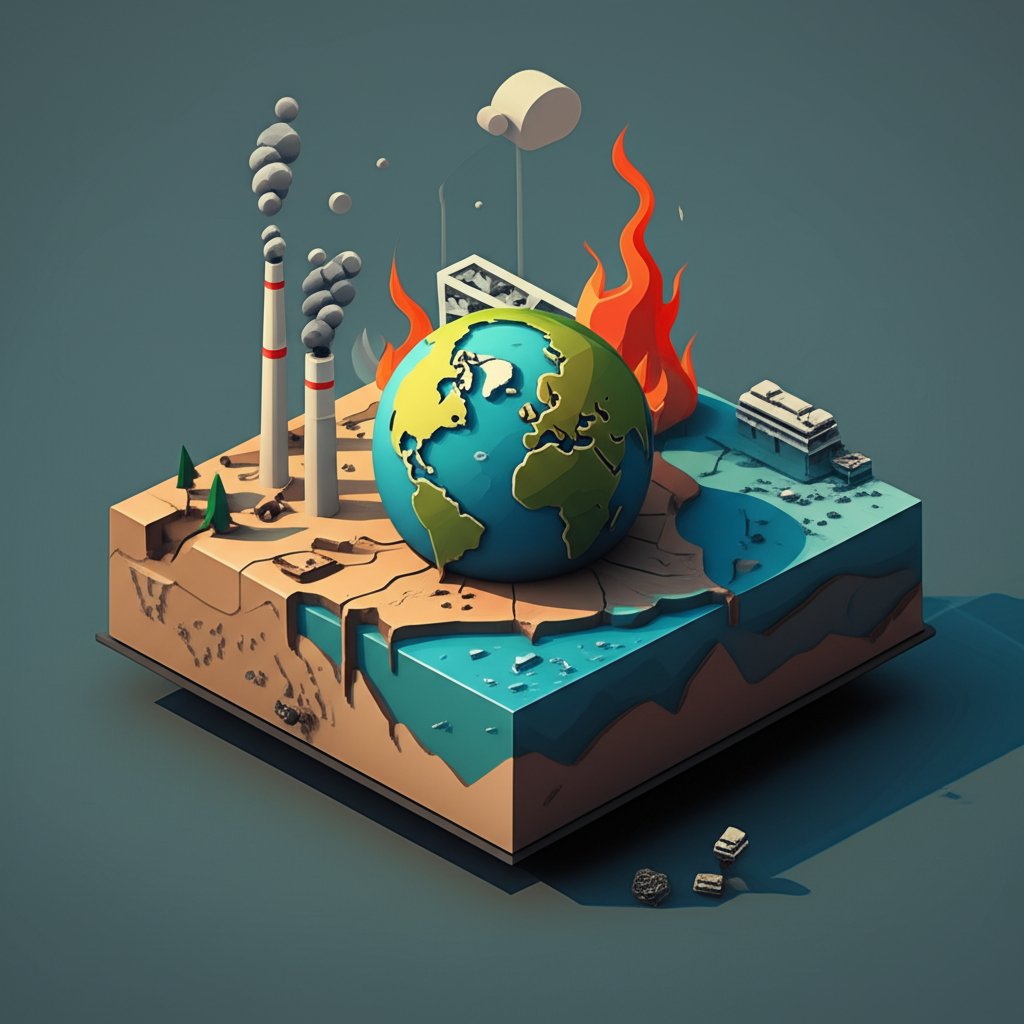
Our planet is grappling with an environmental crisis of unprecedented magnitude. From the escalating reality of the global climate crisis to widespread pollution and the dramatic decline of species, these environmental problems are deeply interconnected, threatening the delicate balance of ecosystems and the very foundation of human civilization. Understanding these pressing environmental issues is the first step toward forging a sustainable future.
This comprehensive guide delves into the 10 most urgent environmental problems shaping our world today. We’ll explore their intricate causes, devastating consequences, and the critical solutions needed to mitigate the global climate crisis and foster a healthier planet for generations to come.
Addressing these issues requires a comprehensive understanding of the challenges, which are further detailed in our guide to the 10 most important environmental issues facing the world today.
To fully grasp the scope of the challenges and potential solutions, we encourage you to review our detailed analysis of the most important environmental issues impacting our planet today.
The Unstoppable March of the Global Climate Crisis

At the epicentre of our environmental crisis lies the overarching challenge of climate change, primarily propelled by global warming. This phenomenon represents a long-term shift in global weather patterns, overwhelmingly driven by human activities.
1. Escalating Global Warming and Extreme Weather Events
The Problem: Global warming is characterized by a rapid and persistent increase in Earth’s average surface temperature. This is predominantly due to the accumulation of greenhouse gases (GHGs) like carbon dioxide (CO2), methane (CH4), and nitrous oxide (N2O) in the atmosphere. The primary culprits are the burning of fossil fuels (coal, oil, and natural gas) for energy, transportation, and industrial processes, coupled with widespread deforestation which diminishes natural carbon sinks. These activities trap heat, fundamentally altering the planet’s energy balance.
The Impact: The consequences of this escalating environmental problem are no longer distant threats but present realities:
- More Frequent and Intense Extreme Weather: Heatwaves, prolonged droughts, torrential rainfall, powerful storms (hurricanes, typhoons), and destructive wildfires are becoming common occurrences worldwide. These events devastate communities, displace millions, cause immense economic damage, and exacerbate existing environmental problems like water scarcity and food insecurity.
- Disrupted Agricultural Cycles: Changes in temperature and precipitation patterns disrupt growing seasons, reduce crucial crop yields, and threaten food security in many regions, especially those already vulnerable.
- Health Crises: Heat stress, respiratory illnesses from wildfire smoke, and the spread of vector-borne diseases (like malaria and dengue fever) are directly linked to rising temperatures and altered climate conditions, adding a severe human cost to the
global climate crisis.
Scientific projections, notably from the Intergovernmental Panel on Climate Change (IPCC), consistently highlight the urgency, warning of irreversible tipping points if drastic global action is not taken.
2. Rising Sea Levels and Coastal Vulnerability
The Problem: A direct and undeniable consequence of global warming and climate change is the accelerating rise in global sea levels. This is driven by two main factors:
- Thermal Expansion: As ocean water warms, it expands, taking up more space.
- Melting Ice: Rapidly melting glaciers and ice sheets (Greenland, Antarctica) contribute vast quantities of freshwater to the oceans.
The Impact: The ramifications for coastal regions are severe and far-reaching:
- Threat to Coastal Communities: Coastal cities, low-lying island nations, and deltas face increased risks of chronic flooding, storm surges, and permanent inundation. Millions of people, vital infrastructure, and cultural heritage sites are at risk.
- Ecosystem Destruction: Critical coastal ecosystems such as mangroves, coral reefs, and salt marshes—which provide natural defenses against storms and serve as vital habitats—are being submerged, degraded, or destroyed.
- Freshwater Contamination: Saltwater intrusion contaminates freshwater aquifers, rendering agricultural land infertile and impacting drinking water supplies for millions. This compounds existing
environmental issuesrelated to water scarcity.
3. Ocean Acidification: A Silent Killer of Marine Life
The Problem: Often overlooked but equally critical as global warming itself, ocean acidification is another direct consequence of increasing atmospheric CO2. As oceans absorb more and more carbon dioxide from the atmosphere, a chemical reaction occurs, dramatically shifting the pH balance of seawater, making it more acidic.
The Impact: This silent environmental problem has severe consequences for marine ecosystems:
- Impact on Shell-Forming Organisms: Increased acidity makes it harder for organisms crucial to marine food webs—such as corals, shellfish (oysters, mussels), and various plankton species—to build and maintain their calcium carbonate shells and skeletons. This directly threatens their survival and reproduction.
- Disruption of Food Webs: The decline of these foundational species can cascade through the entire marine food web, jeopardizing fish populations, marine mammals, and ultimately the livelihoods of communities dependent on the ocean for food and income. Coral reefs, often called the “rainforests of the sea,” are particularly vulnerable, leading to massive
biodiversity lossin these vital habitats.
The Silent Extinction: Accelerating Biodiversity Loss
Beyond the direct impacts of climate change, the rapid decline in Earth’s species and ecosystems – known as biodiversity loss – represents another monumental environmental crisis. Our planet is experiencing its sixth mass extinction event, driven overwhelmingly by human activities.
4. Habitat Destruction and Fragmentation
The Problem: The leading cause of biodiversity loss is the destruction, degradation, and fragmentation of natural habitats. As human populations grow and demand for resources increases, vast areas are converted, leading to the eradication of nature’s homes.
The Impact:
- Agricultural Expansion: Forests, grasslands, and wetlands are cleared at alarming rates to make way for crops (e.g., soy, palm oil) and livestock grazing, especially for industrial agriculture.
- Urbanization and Infrastructure: The expansion of cities, construction of roads, dams, and industrial development consume natural landscapes, isolating remaining animal and plant populations.
- Resource Extraction: Mining, logging (especially illegal logging), and oil and gas exploration directly eliminate ecosystems and cause severe pollution. Deforestation, particularly in critical rainforests, is a significant contributor to this
environmental problem, removing irreplaceable ecosystems that are vital carbon sinks (exacerbatingglobal warming) and biodiversity hotspots.
These activities not only eliminate homes for countless species but also isolate remaining populations, making them more vulnerable to disease, genetic weakening, and local extinction.
5. Invasive Species and Overexploitation
The Problem: Two other critical drivers of biodiversity loss often work in conjunction with habitat destruction, pushing native species toward extinction.
The Impact:
- Invasive Species: The intentional or accidental introduction of non-native species (plants, animals, pathogens) through human trade, travel, and migration can devastate local ecosystems. These invasive species often outcompete native species for resources, disrupt food webs, introduce novel diseases, and alter habitat structures, leading to the collapse of local biodiversity.
- Overexploitation: Unsustainable harvesting of wild populations depletes resources faster than they can regenerate. This includes commercial overfishing, illegal logging, and the illegal wildlife trade. These practices push species to the brink of extinction. For example, illegal fishing devastates fish stocks and marine habitats, while the illegal wildlife trade drives iconic species like elephants, rhinos, and pangolins towards extinction, often fueling organized crime and corruption.
The economic and ecological repercussions of these environmental problems ripple across the globe, undermining the stability of natural systems and human food security.
Pervasive Pollution: Contaminating Our Shared Environment
Pollution, in its myriad forms, is a direct assault on the health of our planet and its inhabitants. It is one of the most visible and immediate environmental problems and environmental issues we face, impacting ecosystems and human health on a massive scale.
6. Air Quality Degradation and Its Health Toll
The Problem: Beyond the greenhouse gases contributing to global warming, other air pollutants pose significant health and environmental risks. These often invisible threats originate from industrial emissions, vehicle exhaust, agriculture, and domestic burning.
The Impact:
- Particulate Matter (PM2.5): Fine particles from burning fossil fuels, industry, and agriculture penetrate deep into lungs and the bloodstream, causing respiratory and cardiovascular diseases (e.g., asthma, heart attacks, strokes). It also reduces visibility, creating haze over natural landscapes.
- Ground-level Ozone: A harmful pollutant formed when emissions from vehicles and industrial sources react in sunlight. It damages lung tissue, reduces crop yields, and harms sensitive vegetation.
- Acid Rain: Sulfur Dioxide (SO2) and Nitrogen Oxides (NOx) from industrial processes and vehicle emissions are key contributors to acid rain. Acid rain acidifies lakes, rivers, and soils, harming forests, aquatic life, and damaging infrastructure.
- Health Crisis: Air pollution is responsible for millions of premature deaths globally each year, making it a severe aspect of the
environmental crisiswith profound public health implications, particularly in densely populated urban areas.
7. Water Contamination: A Threat to Life’s Source
The Problem: Water is fundamental to life, yet freshwater and marine ecosystems—from rivers and lakes to vast oceans—are increasingly polluted, posing critical environmental problems for both humans and wildlife.
The Impact:
- Agricultural Runoff: Pesticides, herbicides, and excess fertilizers wash into waterways, causing eutrophication (algal blooms that deplete oxygen), leading to “dead zones” where marine life cannot survive. These chemicals also contaminate drinking water sources.
- Industrial Discharge: Untreated or inadequately treated wastewater from factories releases heavy metals, chemicals, and other toxins into rivers and oceans, poisoning aquatic species and rendering water unsafe.
- Plastic Pollution: Billions of tons of plastic waste enter aquatic environments annually, breaking down into microplastics that infiltrate the food chain, damage aquatic life, and are increasingly found in human bodies. This is a severe
global environmental problemwith long-term ecological and health consequences. - Emerging Contaminants: Pharmaceuticals, personal care products, and industrial chemicals like Per- and Polyfluoroalkyl Substances (PFAS) are increasingly found in water sources, posing unknown but concerning long-term health risks.
Clean water scarcity, intensified by pollution, is a growing environmental crisis affecting billions, highlighting the urgency of addressing these environmental issues.
8. Soil Degradation and Land Contamination
The Problem: Healthy soil is the foundation of terrestrial life, supporting agriculture, filtering water, and regulating carbon. However, it is under severe threat from unsustainable practices and pervasive pollution, contributing significantly to environmental degradation.
The Impact:
- Erosion: Deforestation, unsustainable agricultural techniques (e.g., intensive tillage, monoculture), and overgrazing lead to severe topsoil erosion by wind and water. This reduces soil fertility, diminishes agricultural productivity, and contributes to desertification, transforming once-fertile lands into barren areas.
- Chemical Contamination: Industrial waste, improper disposal of toxic chemicals, and excessive use of synthetic fertilizers and pesticides degrade soil quality. These contaminants can leach into groundwater, contaminating drinking water, and render land unusable for agriculture or habitation. They also harm soil microorganisms critical for nutrient cycling and ecosystem health.
- Loss of Organic Matter: Intensive farming can deplete soil of its organic matter, reducing its capacity to retain water and nutrients, making it more vulnerable to
climate changeimpacts like drought.
These environmental problems compromise our ability to produce food, purify water, and sustain diverse ecosystems, directly impacting global food security and human well-being.
Resource Depletion & Waste: Fueling Unsustainable Lifestyles
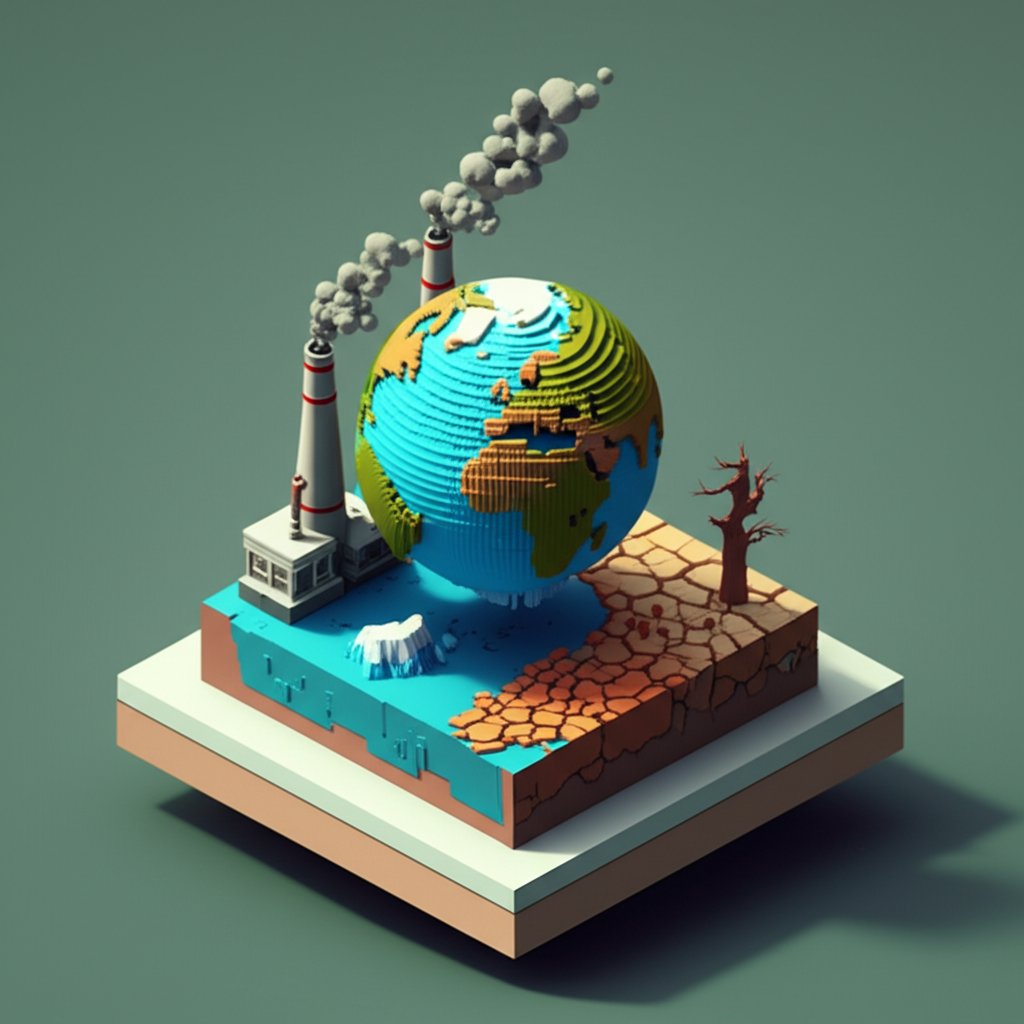
Many environmental problems stem from an unsustainable reliance on finite resources and a global economic model that prioritizes consumption over conservation. Our modern lifestyles generate immense waste, exacerbating the global climate crisis and broader environmental issues.
9. Unsustainable Resource Extraction
The Problem: While fossil fuels are a major concern due to their contribution to global warming, other critical natural resources are also being depleted at unsustainable rates, driven by relentless demand and inefficient consumption patterns.
The Impact:
- Freshwater Scarcity: Over-extraction of groundwater and surface water for agriculture (which accounts for about 70% of global water use), industry, and domestic use, combined with pollution and
climate changeimpacts (e.g., changes in precipitation, increased evaporation), is leading to severe water scarcity in many regions. Billions lack access to sufficient clean water. - Minerals and Metals: The extraction of minerals (e.g., lithium, cobalt, copper), essential for modern technology and renewable energy infrastructure, is energy-intensive, generates significant waste (tailings), and often destroys habitats or pollutes local environments.
- Forests: Beyond their role in combating
climate changeby absorbing CO2, forests are critical sources of timber, medicines, and other natural products. Unsustainable logging and conversion for other land uses lead to deforestation, directly impacting livelihoods, traditional cultures, andbiodiversity loss. - Fish Stocks: Overfishing, exacerbated by illegal, unreported, and unregulated (IUU) fishing, has led to the collapse of many commercial fish populations worldwide, threatening marine ecosystems, food security for coastal communities, and the livelihoods of millions.
This relentless consumption drives resource scarcity, economic instability, geopolitical tensions, and further environmental degradation.
10. The Global Waste Crisis (Including Plastic, Food, and E-Waste)
The Problem: Our current consumption patterns generate staggering amounts of waste, creating significant environmental problems across land and sea.
The Impact:
- Plastic Pollution: The durability of plastic, while useful, means it persists in the environment for centuries. From single-use packaging to microplastics, it pervades land and sea, choking wildlife, entangling animals, and introducing toxins into the food chain. Only a small fraction of plastic is recycled; the vast majority ends up in landfills or polluting natural environments, contributing to the
environmental crisis. - Fast Fashion: The rapid production and consumption cycle of cheap clothing leads to enormous resource consumption (water, energy, toxic chemicals for dyes) and massive textile waste. Garments quickly end up in landfills, where synthetic fibers release methane and microplastics.
- Electronic Waste (E-waste): Discarded electronics contain toxic heavy metals (e.g., lead, mercury, cadmium) that can leach into soil and water if not properly managed, posing serious health and
environmental crisisrisks, especially in developing countries where informal recycling is prevalent. - Food Waste: A shocking one-third of all food produced globally is wasted, from farm to fork. When food decomposes in landfills, it releases methane, a potent greenhouse gas that contributes significantly to
global warming. This represents a squandered resource with significant environmental, economic, and social costs, especially ironic in a world with widespread hunger.
The sheer volume and hazardous nature of global waste challenge our waste management infrastructure and demand a fundamental shift towards more circular and sustainable consumption models to address these pervasive environmental issues.
Systemic Failures and Environmental Justice: The Human Element
Underlying many environmental problems are systemic governance issues and social inequalities that hinder effective solutions and disproportionately affect vulnerable populations.
Poor Governance, Corruption, and Inadequate Policy
The Problem: Ineffective governance, characterized by corruption, weak institutions, and a lack of accountability, often paralyzes efforts to address the environmental crisis.
The Impact:
- Corruption: Bribes and illicit financial flows can lead to the approval of environmentally damaging projects, lax enforcement of environmental laws and regulations, and diversion of funds from sustainable initiatives. This undermines public trust and facilitates illegal
environmental exploitation. - Weak Institutions: Inadequate financial resources, limited technical capacity, and a lack of expertise within government bodies hinder the effective development and implementation of environmental policies, impact assessments, and conservation programs.
- Lack of Accountability: When there are no significant consequences for environmental harm, a culture of impunity can flourish, allowing polluters and resource exploiters to operate unchecked, eroding public trust and undermining environmental stewardship.
Environmental Justice: Disproportionate Impacts
The Problem: Environmental problems and their consequences often disproportionately affect marginalized communities, particularly those with low incomes, ethnic minorities, and indigenous populations. This raises critical issues of environmental justice.
The Impact:
- Unequal Burden: These communities frequently bear the brunt of pollution (e.g., living near industrial sites, waste dumps), resource degradation (e.g., limited access to clean water, fertile land), and the impacts of
climate change(e.g., vulnerability to extreme weather events, displacement). - Lack of Representation: They often have limited political power and access to decision-making processes, making it harder to advocate for their rights and protect their environments.
- Health Disparities: The cumulative exposure to environmental hazards contributes to higher rates of chronic diseases, respiratory illnesses, and other health problems in these communities, highlighting the profound social dimensions of the
environmental crisis. Addressing these disparities is crucial for equitable and effective solutions toenvironmental issues.
Pathways to a Sustainable Future: Collective Action & Innovation
Despite the daunting scale of these environmental problems, the environmental crisis is not insurmountable. Addressing them requires a concerted, multi-faceted approach involving individuals, businesses, and governments worldwide.
Accelerating the Renewable Energy Transition
To effectively combat global warming and climate change, a swift and equitable transition to a low-carbon economy is essential:
- Renewable Energy Revolution: Accelerate the shift from fossil fuels to clean, renewable energy sources like solar, wind, hydropower, geothermal, and emerging technologies. This requires massive investment in infrastructure, grid modernization, and technological innovation.
- Energy Efficiency and Conservation: Implement robust measures to reduce energy consumption across all sectors—residential, commercial, industrial, and transportation. This includes promoting energy-efficient appliances, improved building insulation, smart grid technologies, and expanding public transportation.
- Sustainable Land Use: Promote reforestation, afforestation, and sustainable agriculture practices that enhance natural carbon sequestration, turning land into a vital
climate changesolution. - Innovation in Green Technologies: Invest in research and development for carbon capture and storage (CCS) technologies (while acknowledging their limitations), advanced battery storage, and other innovations that can support decarbonization efforts.
Conserving and Restoring Ecosystems
Halting and reversing biodiversity loss is critical for ecosystem resilience and the provision of essential ecosystem services:
- Protected Areas Expansion: Establish and effectively manage national parks, wildlife reserves, marine protected areas, and indigenous conservation territories to safeguard critical habitats and endangered species.
- Large-Scale Ecosystem Restoration: Implement ambitious reforestation, wetland restoration, rewilding initiatives, and ocean regeneration projects to rehabilitate degraded ecosystems, restore ecological functions, and support species recovery.
- Sustainable Resource Management: Enforce strict quotas for fishing and logging, combat illegal trade in timber and wildlife, and promote responsible consumption and sourcing to prevent overexploitation of natural resources.
- Species Conservation Programs: Fund and implement targeted programs to protect endangered species, including breeding programs, anti-poaching efforts, and the creation of wildlife corridors.
Fostering Circular Economies and Sustainable Consumption
Addressing the waste crisis and resource depletion requires a fundamental shift in how we produce, consume, and value goods:
- Embrace the Circular Economy: Move away from a linear “take-make-dispose” model towards a circular economy where products are designed for durability, repair, reuse, and recyclability. This minimizes waste, reduces resource extraction, and lessens the environmental footprint of production.
- Conscious Consumption: Empower individuals and businesses to make informed choices about products, prioritizing sustainable brands, reducing consumption of resource-intensive goods (e.g., fast fashion, excessive packaging), and supporting local, ethical supply chains.
- Food Waste Reduction: Implement comprehensive strategies at all levels – from farm to fork – to minimize food loss and waste. This includes improving storage and transportation, educating consumers on meal planning, understanding date labels, and promoting composting.
- Water Conservation: Adopt water-efficient technologies and practices in agriculture, industry, and households, alongside improving water infrastructure to reduce leaks and improve distribution.
Strengthening Global Governance and Public Engagement
Effective governance, international collaboration, and an informed public are paramount in tackling the environmental crisis:
- Robust Environmental Policies: Enact and enforce strong national and international regulations to control pollution, protect natural resources, manage climate risks, and incentivize sustainable practices across all sectors.
- International Cooperation: Strengthen global accords like the Paris Agreement on
climate change, the Convention on Biological Diversity (CBD), and international pollution treaties to foster coordinated action and shared responsibility. - Public Awareness and Education: Empower individuals with comprehensive knowledge about
environmental problems, theglobal climate crisis, andenvironmental issues. Foster environmental literacy and provide tools to make sustainable choices and advocate for policy change. - Investment in Green Finance: Direct financial resources towards environmentally friendly investments, incentivizing sustainable businesses, and supporting communities in their transition to greener economies.
- Environmental Justice Integration: Ensure that all solutions are equitable, address the disproportionate impact of
environmental problemson vulnerable communities, and involve these communities in decision-making processes.
Conclusion: A Call for Environmental Stewardship
The 10 urgent environmental problems outlined here—from the pervasive threat of global warming and climate change to the devastating impact of biodiversity loss, widespread pollution, and unsustainable resource use—collectively represent an immediate and profound global climate crisis. However, this crisis is also a pivotal moment, an unprecedented opportunity for innovation, cooperation, and a fundamental re-evaluation of our relationship with the natural world.
The path to a sustainable future demands concerted action from every individual, community, business, and government. By accelerating the transition to renewable energy, protecting and restoring our precious ecosystems, rethinking our consumption patterns, and strengthening global governance, we can mitigate these environmental problems and safeguard our planet for generations to come. The time for indecision and incremental change is over; it is time for decisive environmental stewardship to ensure a healthy, thriving Earth, our only home.
Frequently Asked Questions (FAQ)
What are the main causes of environmental problems?
The primary causes of environmental problems are deeply rooted in human activities. These include: the burning of fossil fuels for energy and transport, leading to greenhouse gas emissions; widespread deforestation for agriculture and urban expansion; unsustainable industrial and agricultural practices causing pollution of air, water, and soil; excessive consumption and waste generation; and rapid population growth increasing demand for finite resources. Poor governance, lack of regulation, and economic systems that prioritize short-term profit over long-term sustainability also exacerbate many environmental issues.
How does global warming impact daily life?
Global warming significantly impacts daily life by intensifying climate change phenomena. Individuals experience more frequent and intense extreme weather events such as heatwaves, droughts, floods, and wildfires, which can disrupt infrastructure, displace communities, and affect food and water supplies. It leads to increased spread of diseases, economic instability due to damage and resource loss, and rising food prices. Rising sea levels threaten coastal living, increasing the risk of property damage and displacement for millions. These are tangible, immediate environmental issues.
What can individuals do to combat climate change?
Individuals can play a crucial role in combating climate change by reducing their personal carbon footprint and advocating for broader change:
Why is biodiversity loss considered a crisis?
Biodiversity loss is considered a crisis because it directly threatens the stability and functioning of ecosystems that provide essential services for human survival. These services include clean air and water, pollination for crops, climate regulation (e.g., carbon sequestration by forests), natural resources for medicine and food, and protection from natural disasters. The loss of species reduces the resilience of ecosystems to climate change and other stressors, jeopardizing human well-being, food security, and the planet’s overall ecological balance. It’s a fundamental environmental problem undermining our life support systems.
What is the difference between global warming and climate change?
Global warming refers specifically to the long-term increase in Earth’s average surface temperature due to human activities, primarily the emission of greenhouse gases. Climate change is a broader term that encompasses global warming and all the other long-term shifts in global weather patterns and temperatures across the globe. This includes changes in precipitation patterns, increased frequency and intensity of extreme weather events, sea-level rise, ocean acidification, and alterations to ecosystems. Global warming is a key, defining component of the larger phenomenon of climate change.
How does plastic pollution contribute to environmental problems?
Plastic pollution creates significant environmental problems due to its widespread use, chemical composition, and extreme durability. Most plastics are derived from fossil fuels (contributing to global warming). They persist in the environment for hundreds of years, breaking down into microplastics that contaminate soil, water, and air, entering food chains and potentially posing health risks to wildlife and humans. Plastic waste clogs landfills, chokes marine animals, damages ecosystems like coral reefs, and releases greenhouse gases during production and decomposition, intensifying the environmental crisis.
Are environmental problems solvable?
While the scale and interconnectedness of environmental problems present an immense environmental crisis, they are absolutely solvable through a combination of scientific innovation, political will, economic shifts, and collective action. Solutions exist for transitioning to renewable energy, restoring ecosystems, reducing pollution, and improving resource management. The challenge lies in implementing these solutions globally and equitably, overcoming vested interests, and fostering a fundamental shift in human behavior and societal values towards sustainability. It requires recognizing that addressing these environmental issues is not just an environmental imperative, but also an economic opportunity and a moral obligation.










