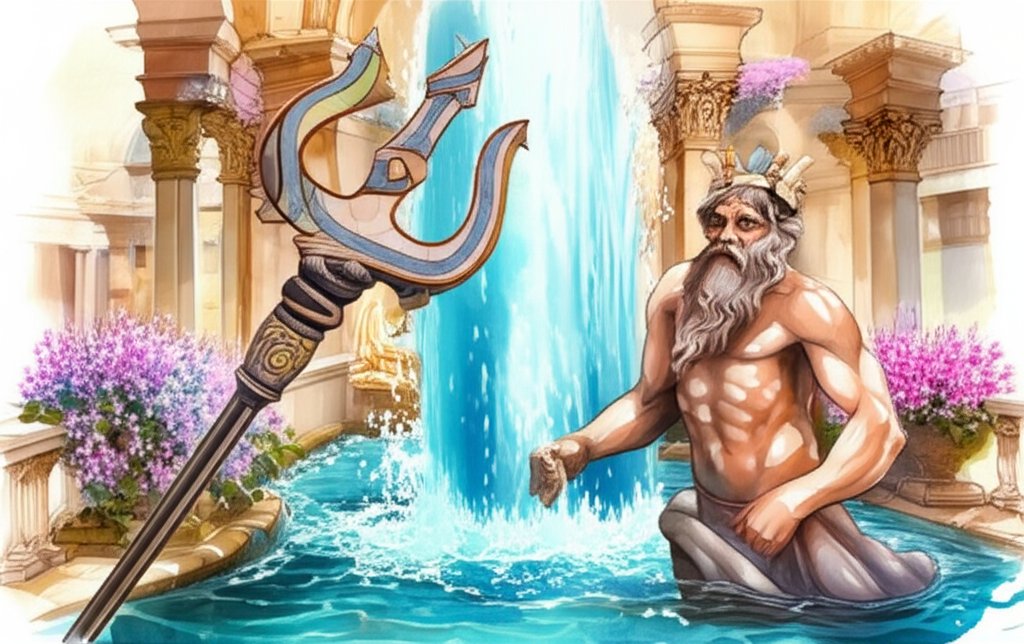
Ever wonder why so many planets have names like Jupiter, Venus, and Mars? The answer lies in understanding who were the roman gods and the profound impact they had on Roman culture and, subsequently, our own. While heavily influenced by their Greek counterparts, the Roman gods possessed distinct characteristics and roles that shaped the empire’s religious and social fabric.
At a Glance:
- Discover the key Roman gods and goddesses and their equivalents in Greek mythology.
- Understand the subtle but important differences in how the Romans viewed and worshipped their deities.
- Learn how Roman mythology continues to influence modern language, art, and culture.
- Grasp the historical context behind the adoption and adaptation of Greek gods by the Romans.
- Identify strategies for recognizing Roman mythological references in various forms of media.
Borrowed Glory: The Greek Influence on the Roman Pantheon
The Roman pantheon wasn’t born in a vacuum. After conquering Greece, the Romans adopted many aspects of Greek culture, and their religious beliefs were no exception. This process, known as syncretism, involved integrating Greek deities into the existing Roman religious system. This meant that many of the major Greek gods and goddesses were essentially rebranded with Latin names and incorporated into Roman mythology.
Think of it like this: a successful franchise expanding into a new market. The core product (the god/goddess) remains largely the same, but the marketing and overall packaging (name, local customs, specific stories) are adapted to the local audience.
The Core Players: Key Roman Gods and Their Greek Counterparts
Here’s a look at some of the most important Roman gods and goddesses, along with their Greek equivalents and primary roles:
| Roman Name | Greek Name | Role |
|---|---|---|
| Jupiter | Zeus | Chief of the Gods, God of the sky and thunder |
| Juno | Hera | Goddess of marriage and childbirth |
| Neptune | Poseidon | God of the sea |
| Pluto | Hades | God of the Underworld |
| Mars | Ares | God of war |
| Venus | Aphrodite | Goddess of love and beauty |
| Apollo | Apollo | God of music, poetry, and light |
| Diana | Artemis | Goddess of the hunt and the moon |
| Minerva | Athena | Goddess of wisdom and strategic warfare |
| Ceres | Demeter | Goddess of agriculture and the harvest |
| Vulcan | Hephaestus | God of the forge and fire |
| Mercury | Hermes | Messenger of the gods |
| This table provides a foundation for understanding who were the roman gods in relation to their Greek predecessors. But it’s important to remember that the Romans weren’t simply copying and pasting. |
More Than Just a Name Change: Subtle Differences in Character and Worship
While the Romans adopted the fundamental roles and powers of the Greek gods, they often imbued them with distinct characteristics that reflected Roman values. For example, while the Greek god Ares was known for his impetuousness and brutality, the Roman god Mars was often portrayed as a more disciplined and virtuous figure, reflecting the Roman emphasis on order and military prowess.
The way the gods were worshipped also differed. Roman religion was often more focused on ritual and state cults than the deeply personal and emotional worship practices sometimes found in Greek religion. Roman priests held official positions, and religious ceremonies were often closely tied to political life.
Titans of Old: The Roman Titan Gods
Before the Olympian gods, there were the Titans. Like the Greeks, the Romans also recognized these primordial deities. Here are a few key Roman Titans:
| Roman Name | Greek Name | Role |
|---|---|---|
| Saturn | Cronus | Titan god of time and darkness |
| Ops | Rhea | Wife of Cronus and mother of Zeus |
| Themis | Themis | Goddess of divine order and law |
| These Titans represent an even earlier layer of mythological history, a time before the familiar Olympian gods rose to power. |
Spotting Roman Mythology in Modern Life: A Quick Guide
Roman mythology didn’t disappear with the fall of the Roman Empire. Its influence continues to be felt in many aspects of modern life:
- Language: Many words in English and other European languages are derived from Roman gods and goddesses. For example, “cereal” comes from Ceres, the goddess of agriculture; “martial” (as in martial arts) comes from Mars, the god of war.
- Art and Literature: Roman mythological figures are frequent subjects in paintings, sculptures, and literature.
- Popular Culture: Movies, TV shows, and video games often draw inspiration from Roman mythology.
- Astronomy: As mentioned earlier, many planets in our solar system are named after Roman gods.
To delve deeper into the influence of these mythological figures, Explore mythology’s names and usage. Understanding the origins of these names provides valuable insights into the cultures that created them.
Practical Playbook: Incorporating Roman Mythology into Your Life
Here’s how you can start exploring Roman mythology today:
- Start with the Basics: Familiarize yourself with the key gods and goddesses and their Greek counterparts. The table above is a great starting point.
- Read the Myths: Explore classic works like Virgil’s Aeneid, which tells the story of Aeneas, a Trojan hero who founded Rome. This will help you understand the Roman worldview and how they interpreted the stories of the gods.
- Look for Connections: Pay attention to how Roman mythology appears in everyday life – in language, art, and popular culture.
- Visit Museums: Many museums have collections of Roman artifacts that depict the gods and goddesses. Seeing these images firsthand can bring the myths to life.
- Explore Online Resources: There are many websites and online databases dedicated to Roman mythology. Use these resources to learn more about specific gods, goddesses, and myths.
Quick Answers: Addressing Common Questions About the Roman Gods
Q: Were the Roman gods as powerful as the Greek gods?
A: In terms of their fundamental powers and domains, yes. Jupiter controlled thunder and lightning just as Zeus did. However, the Roman emphasis on order and state control often tempered the wilder, more unpredictable aspects of the Greek gods.
Q: Did everyone in ancient Rome believe in the gods?
A: While the official state religion revolved around the worship of the gods, individual Romans held a variety of beliefs. Some were devout believers, while others were more skeptical. Mystery cults and philosophical schools also offered alternative perspectives on the divine.
Q: Why did the Romans adopt the Greek gods in the first place?
A: A complex combination of factors, including cultural influence, political expediency, and a desire to connect with the prestige of Greek civilization. Absorbing the Greek pantheon allowed the Romans to integrate conquered populations and legitimize their rule.
Q: Are there any Roman gods that don’t have a direct Greek equivalent?
A: Yes, some Roman deities, particularly those associated with domestic life and agriculture, were less directly linked to Greek counterparts or were pre-existing Italic deities that persisted alongside the adoption of Greek gods. Examples include Janus, the god of doorways and beginnings, and Quirinus, an early Roman god associated with war and the Roman state.
Actionable Close: Dive Deeper into the World of Roman Mythology
Understanding who were the roman gods isn’t just about memorizing names and stories. It’s about understanding a civilization’s values, beliefs, and worldview. By exploring Roman mythology, you can gain a deeper appreciation of the Roman Empire and its lasting impact on Western culture. Start today by researching one Roman god or goddess that interests you and see where the journey takes you.










