
The year 2012, often recalled for its cultural touchstones and a lingering sense of pre-smartphone saturation, was far more than a transitionary period. It was a pressure cooker for groundbreaking advancements, a true crucible where the foundational elements of our hyper-connected, digitally augmented world were decisively cast. Far from being merely incremental, 2012 technology represented a pivotal launchpad, solidifying trends and planting seeds that continue to define how we live, work, and interact with the world around us.
From the unstoppable acceleration of mobile computing to the critical, often understated, genesis of augmented reality, the tech innovations 2012 introduced weren’t just novelties; they were deliberate steps towards the pervasive digital landscape we now inhabit. This comprehensive article delves into the specific advancements of that transformative year, exploring their immediate impact and their profound, enduring legacy. Prepare to rediscover the 2012 inventions that weren’t just milestones, but the very cornerstones upon which our modern digital future was built.
Considering how much technology has evolved since then, it’s fascinating to reflect on the foundational changes of 2012 and other eras, which you can explore further with these interesting facts about technology.
The Mobile Computing Renaissance: Powering a Connected Future
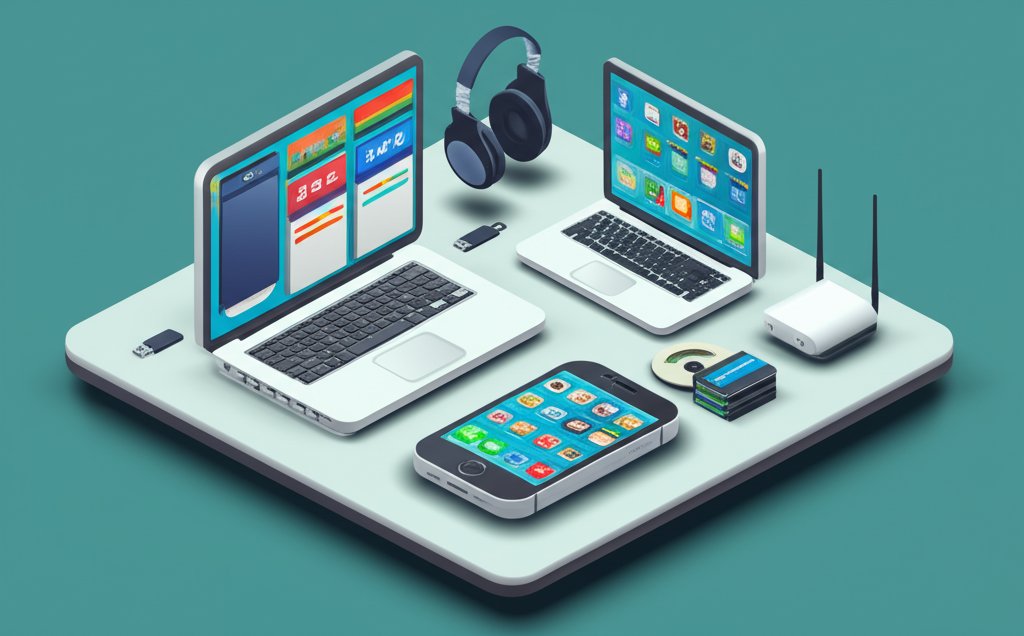
The shift towards mobile computing didn’t just gain momentum in 2012; it became an unstoppable force, fundamentally reshaping personal connectivity and access to information. This year saw an unprecedented consolidation of processing power, intuitive interfaces, and vast ecosystems into devices that fit in the palm of your hand.
Smartphone Evolution: Beyond Communication
Smartphone technology 2012 reached new heights, transcending basic communication to become indispensable pocket-sized supercomputers. Key models dominated the headlines, showcasing a competitive landscape driving rapid innovation:
- Apple iPhone 5: Introduced with a larger four-inch Retina display, a lighter aluminum body, and the A6 chip, it represented Apple’s continued refinement of the smartphone experience, pushing boundaries in design and performance. Its transition to the Lightning connector also signaled a significant, albeit initially controversial, shift.
- Samsung Galaxy S III: A titan of the Android world, the S III pushed the envelope with its expansive 4.8-inch HD Super AMOLED display, quad-core processor in many regions, and a suite of advanced software features like S Voice and Smart Stay. It championed the Android platform’s flexibility and raw hardware power.
- Google Nexus 4: Manufactured by LG, the Nexus 4 offered a pure Android experience at an accessible price point, equipped with a vibrant 4.7-inch display and wireless charging capabilities. It was crucial in democratizing high-end mobile technology 2012 and showcasing the latest Android (Jelly Bean) innovations directly from Google.
Beyond these flagship devices, the smartphone technology 2012 showcased key advancements that became industry standards:
- Screen Resolution and Size: High-definition displays, often marketing-termed as “Retina” or equivalent (e.g., HD Super AMOLED), became commonplace. Screen sizes aggressively pushed past the 3.5-inch and 4-inch marks, initiating the trend towards today’s expansive, edge-to-edge mobile canvases.
- Processing Power: Dual-core processors became standard across mid-range to high-end devices, with powerful quad-core chips emerging in top-tier models. This significant boost in raw processing capability was vital for enabling smoother multitasking, console-quality mobile gaming, and richer multimedia experiences, directly fueling the burgeoning app ecosystem.
- Camera Capabilities: While dedicated professional cameras still offered superior image quality, smartphone technology 2012 brought significant improvements to mobile photography. Devices like the Nokia 808 PureView, with its groundbreaking 41-megapixel sensor, demonstrated the immense potential of computational photography, even if its Symbian OS limited its mainstream adoption. Front-facing cameras also saw substantial quality bumps, directly contributing to the rise of selfies and high-quality video calls.
- NFC and Connectivity: Near Field Communication (NFC) modules became more prevalent in smartphones, promising seamless mobile payments, easy device pairing, and quick data transfer. This laid crucial groundwork for today’s widespread tap-to-pay systems. Simultaneously, 4G LTE networks were rapidly expanding globally, enabling dramatically faster mobile internet speeds, reliable streaming, and robust cloud access.
These developments were not just about hardware specifications; they engineered a profound cultural shift where constant connectivity, instant information access, and ubiquitous digital services became the expected norm, irrevocably altering social interaction, commerce, and media consumption.
The Tablet’s Ascendance: Bridging the Gap Between Phone and PC
Tablets, too, underwent a significant transformation in 2012, solidifying their role as a distinct and highly versatile computing category.
- The iPad’s Evolution: Apple’s “new iPad” (third generation) launched early in 2012, featuring a revolutionary Retina display that set a new benchmark for visual fidelity and immersion in media consumption and creative work. Later that year, the iPad Mini introduced a smaller form factor, catering to portability without sacrificing the core iPad experience.
- The Rise of Accessible Tablets: Simultaneously, the market witnessed the meteoric rise of budget-friendly, yet highly capable, 7-inch tablets. Amazon’s Kindle Fire HD and Google’s Nexus 7 demonstrated that powerful, portable media consumption and casual gaming didn’t have to carry a premium price tag. These devices catalyzed a broader adoption of tablets for a diverse range of uses, from reading and streaming to light productivity.
This dual-pronged evolution profoundly impacted digital publishing, content creation, entertainment consumption, and the very concept of portable productivity, expanding the realm of mobile computing beyond just smartphones.
Maturation of the Mobile Computing Ecosystem
Beyond the physical devices, 2012 marked a critical period for the entire mobile computing ecosystem. App stores for both iOS and Android were brimming with millions of applications, and the “app economy” had become a full-fledged, multi-billion dollar industry. Developers shifted focus from mere novelty to refining user experiences, introducing sophisticated games, powerful productivity tools, and robust social platforms meticulously designed for touch interfaces. Mobile advertising grew exponentially as brands recognized the unparalleled access to consumers’ attention and data. Furthermore, the concept of “mobile-first” design began to profoundly influence web development, ensuring that online content was optimized for accessibility and engagement regardless of screen size. This widespread embrace of mobile technology 2012 cemented its status as the primary interface for digital interaction for billions worldwide.
Augmented Reality’s Crucial Dawn: Merging Digital with Physical
While mobile computing dominated the consumer market, 2012 also offered a tantalizing, albeit nascent, preview of augmented reality (AR). It was a year where the abstract concept of overlaying digital information onto the real world began to take tangible, if still experimental, form.
Project Glass and Early AR Explorations
Despite its public reveal and developer kits arriving later in 2013, Google’s “Project Glass” was very much in active development and public consciousness throughout 2012. Early demonstrations and concept videos showcased a future where information—from navigation directions to quick messages and photo capture—could be subtly integrated into a user’s field of vision via a head-mounted display.
These early prototypes, alongside various nascent augmented reality applications appearing on smartphones, were more than just technological curiosities. They demonstrated a fundamental shift in how we might interact with digital information, blurring the lines between the physical and virtual worlds. Early smartphone AR apps often involved simple overlays for navigation, identifying landmarks, or playful filters, but they served as crucial proof-of-concept for the potential embedded within our everyday devices.
Planting the Seeds for Future Augmented Reality
The tech innovations 2012 brought in the AR space, however rudimentary, were pivotal. They initiated critical conversations around form factor, user experience, privacy, and the practical challenges of integrating digital information seamlessly into daily life. Though mainstream adoption was still years away, the seeds for today’s widespread augmented reality applications were firmly planted. These range from popular mobile games (like Ingress, a precursor to Pokémon Go), to sophisticated retail experiences, industrial maintenance tools, and even medical training simulations that rely on AR to enhance real-world perception with digital data. The vision articulated and prototyped in 2012 ignited the imagination of developers and consumers alike, setting the stage for AR’s eventual emergence as a transformative technology.
Innovation Beyond the Handheld: Diverse 2012 Inventions
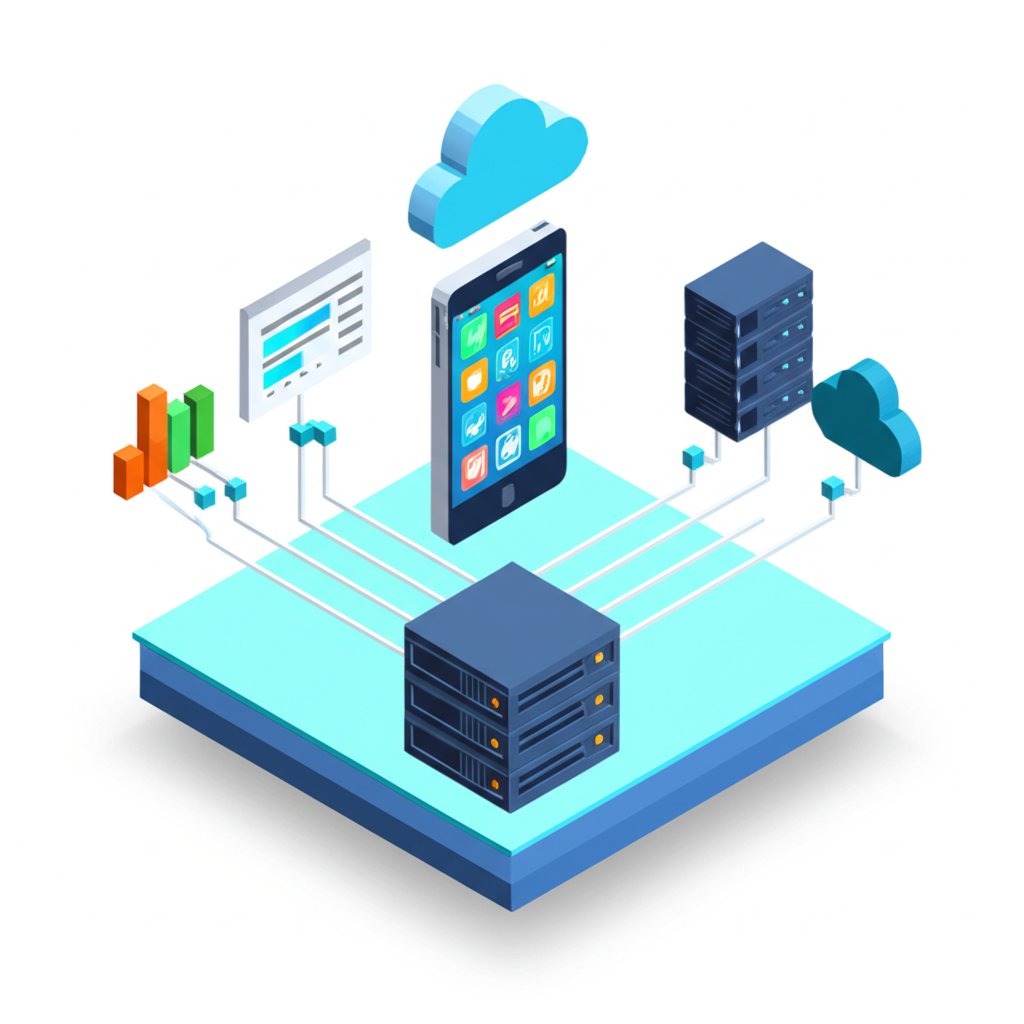
While the mobile and early AR advancements captured much attention, tech innovations 2012 spanned a much broader spectrum, touching everything from how we drive to how complex objects are manufactured. These often-overlooked 2012 inventions were equally critical in shaping the technological trajectory of the decade.
Automotive Intelligence: Safer, Smarter Vehicles
2012 marked a significant period for advancements in automotive technology, with a concerted focus on efficiency, safety, and integrated connectivity:
- Advanced Driver-Assistance Systems (ADAS): Features such as lane departure warnings, blind-spot detection, rear cross-traffic alerts, and adaptive cruise control became increasingly common in mid-to-high-end vehicles. These nascent systems, initially luxury add-ons, were crucial in laying the groundwork for the sophisticated ADAS suites and, ultimately, for the semi-autonomous and fully autonomous driving technologies prevalent today. Studies from organizations like the National Highway Traffic Safety Administration (NHTSA) later affirmed the significant impact these early technologies had on accident prevention and driver safety.
- Engine Efficiency: The trend towards smaller, turbocharged engines, often employing direct fuel injection, gained substantial momentum. Technologies like Ford’s EcoBoost line demonstrated that improved fuel economy and reduced emissions could be achieved without compromising performance, signaling a broader industry shift towards more sustainable powertrains. Early hybrid and electric vehicles also saw increased adoption and refinement, pushing range and efficiency boundaries.
- Integrated Infotainment Systems: Car manufacturers began to deeply integrate navigation, entertainment, and communication features directly into dashboards. While still largely proprietary and often clunky by today’s standards, these systems offered a glimpse into the connected driving experience now common with platforms like Apple CarPlay and Android Auto, providing early forms of in-car connectivity and digital services.
3D Printing Goes Mainstream: Democratizing Manufacturing
Among the more intriguing 2012 inventions was the increasing accessibility of 3D printing, moving it firmly from industrial labs into the public consciousness. While industrial-scale 3D printing had existed for years, 2012 saw a significant push towards bringing this technology to the masses.
- Desktop 3D Printers: Models such as the MakerBot Replicator 2 became more affordable and user-friendly, sparking imaginations with the possibility of personalized manufacturing at home or in small workshops. This accessibility fostered a burgeoning community of hobbyists, designers, and small businesses who began experimenting with creating custom-designed objects.
- Applications: From rapid prototyping for engineers and designers to personalized medical devices, and even artistic creations, 3D printing hinted at a revolution in production. It promised a future where individuals could print everything from replacement parts to bespoke consumer goods at home or in local fabrication hubs, fundamentally changing perceptions of product design and distribution.
Wearable Tech Emerges: A Glimpse into the Future
While not yet a dominant force, 2012 also saw the early stirrings of consumer wearable technology. The Pebble smartwatch, launched via a hugely successful Kickstarter campaign in 2012, captured public attention with its e-paper display and smartphone notifications. While not as sophisticated as later smartwatches, it demonstrated a clear demand for glanceable information and integrated fitness tracking on the wrist. Dedicated fitness trackers, such as those from Fitbit, also continued to gain traction, moving beyond niche early adopters to a broader health-conscious market. These early 2012 inventions in wearables laid essential groundwork for the fully integrated smartwatches, fitness bands, and health monitors that are commonplace today.
The Digital Backbone: Cloud, Big Data, and Early AI in 2012 Technology
Beyond consumer gadgets and specific hardware, the underlying infrastructure and intelligence of the digital world saw profound advancements in 2012, forming the unseen but critical foundation for many of the year’s more visible tech innovations 2012.
Cloud Computing’s Consolidation and Ecosystem Growth
2012 was a pivotal year for the consolidation and rapid expansion of cloud computing. Major players like Amazon Web Services (AWS), Microsoft Azure, and Google Cloud Platform were aggressively expanding their offerings, providing scalable, on-demand computing resources, storage, and networking to businesses of all sizes. The shift from managing expensive, on-premise servers to leveraging flexible cloud infrastructure became a tangible reality for a growing number of enterprises.
This era saw a boom in Software as a Service (SaaS), with countless applications delivered entirely over the internet, accessible from any device. This model significantly reduced barriers to entry for startups and dramatically increased operational efficiency for established companies. The reliability, cost-effectiveness, and scalability of cloud solutions transformed how businesses operated, laying the indisputable foundation for modern digital services, remote work, and the entire mobile ecosystem. Cloud computing effectively became the invisible engine powering the 2012 technology revolution.
Harnessing Big Data: From Deluge to Decisions
As digital interactions exploded—fueled by widespread mobile computing, social media, and online commerce—so did the sheer volume of data generated. 2012 technology firmly embraced the challenge of “Big Data,” with open-source frameworks like Hadoop and advanced database solutions maturing rapidly. Companies across industries began to invest heavily in data analytics capabilities to extract meaningful insights from these vast and complex datasets.
This era was characterized by the sophisticated use of data to understand consumer behavior, personalize recommendations on e-commerce sites (like Amazon) and streaming platforms (like Netflix), and drive highly targeted advertising. Big Data became crucial not just for business intelligence and competitive advantage but also for scientific research, urban planning, environmental monitoring, and public health initiatives. It offered unprecedented opportunities for discovery, optimization, and predictive analysis, fundamentally changing how organizations made decisions.
Paving the Way for Modern AI: Machine Learning Breakthroughs
While “AI” wasn’t yet the pervasive buzzword it is today, 2012 saw significant foundational breakthroughs in machine learning that directly paved the way for modern artificial intelligence.
- AlexNet and Deep Learning: A watershed moment occurred in late 2012 when the deep convolutional neural network AlexNet, developed by Alex Krizhevsky, Ilya Sutskever, and Geoffrey Hinton at the University of Toronto, overwhelmingly won the ImageNet Large Scale Visual Recognition Challenge (ILSVRC). This victory dramatically demonstrated the immense potential of deep neural networks for image recognition, outperforming previous state-of-the-art methods by a considerable margin. AlexNet’s success ignited a massive surge of research and investment into deep learning, a core component of virtually all modern AI systems.
- Voice Recognition Advancements: Practical applications of AI were already making an impact. Voice recognition technology, as seen in Apple’s Siri (introduced in 2011 on the iPhone 4S) and Google’s continuously improving voice search, was becoming significantly more capable and integrated into user interfaces. While often imperfect, these systems were learning and evolving rapidly, demonstrating the viability of natural language processing in consumer devices.
- Personalization Engines: Major online platforms leveraged increasingly sophisticated machine learning algorithms to tailor content and product suggestions. Recommendation engines on sites like Netflix and Amazon, driven by collaborative filtering and other ML techniques, were becoming highly effective at anticipating user preferences, significantly enhancing user experience and driving engagement. These tech innovations 2012 were subtle but critical building blocks for the AI revolution that would unfold in the following decade.
Societal Shifts & Ethical Crossroads: The Impact of 2012 Technology
The rapid pace of 2012 technology advancement inevitably brought to the forefront complex societal questions and regulatory challenges, sparking crucial conversations that continue to shape the digital sphere today. The ubiquity of mobile computing and the growth of online platforms forced a re-evaluation of long-held norms.
Digital Rights, Privacy, and Content Control
One of the most contentious battlegrounds stemming from 2012 technology was the clash between intellectual property protection and internet freedom.
- Megaupload Shutdown: The early 2012 shutdown of Megaupload, a prominent file-sharing and hosting site, by U.S. authorities sent shockwaves through the internet. This action, alongside the associated arrests, highlighted aggressive efforts by governments and copyright holders to combat online piracy.
- SOPA and PIPA Debates: These events unfolded amidst heated debates surrounding the Stop Online Piracy Act (SOPA) and the Protect IP Act (PIPA) in the United States. These proposed legislative bills aimed to combat online copyright infringement but were met with fierce opposition from internet companies, digital rights organizations, and millions of users who argued that the bills threatened internet freedom, free speech, and could lead to widespread censorship. A coordinated online blackout campaign, involving major websites like Wikipedia, Google, and Reddit, ultimately contributed to the bills being stalled.
These incidents galvanized online communities and sparked crucial, ongoing conversations about copyright infringement, the limits of internet censorship, the appropriate role of government in regulating digital content, and the fundamental right to online privacy and freedom of expression. While SOPA and PIPA ultimately failed, the policy debates they ignited continue to shape internet governance, digital rights advocacy, and discussions around online privacy and surveillance today.
The Golden Age of Social Media: Connectivity and its Consequences
2012 was a landmark year for social media, solidifying its place as a central pillar of online life and global communication.
- Facebook’s IPO: Facebook made its highly anticipated initial public offering (IPO), signaling the immense financial power and societal reach of social networking. Despite initial stock market volatility, it underscored the platform’s unprecedented ability to connect billions of people.
- Instagram Acquisition: Instagram, still a relatively young visual-sharing platform, was acquired by Facebook for a staggering $1 billion, just two years after its launch. This acquisition not only highlighted the rapid valuation and importance of visual social sharing but also demonstrated Facebook’s strategic vision for dominating the future of online interaction.
- Platform Growth and Influence: Platforms like Twitter, Pinterest, and Tumblr also saw massive user growth, transforming how news was consumed, how public discourse unfolded, and how individuals connected with brands, communities, and political movements.
The growing ubiquity of social media fueled new forms of communication, digital marketing, and political activism, creating an increasingly interconnected, yet sometimes polarized, global society. However, this growth also brought to the forefront new challenges related to data privacy, misinformation, online harassment, and the psychological impacts of constant digital engagement—issues that remain central to public discourse a decade later.
The Enduring Impact of 2012
The year 2012 wasn’t simply a collection of individual 2012 inventions; it was an undeniable inflection point, a critical moment where disparate technological threads began to weave into the intricate, pervasive tapestry of our modern digital world. The tech innovations 2012 brought forth—from the ubiquitous smartphones that are now extensions of ourselves, to the foundational cloud infrastructures that power nearly everything, and the early inklings of AI and augmented reality—weren’t isolated incidents. They were interconnected developments that fundamentally reshaped our relationship with technology and with each other.
The maturation of mobile computing transformed daily life, making constant connectivity and instant information access a global norm. The subtle yet profound advancements in augmented reality hinted at a future where digital content would seamlessly merge with our physical world, a vision that is now rapidly becoming reality. Meanwhile, the unseen progress in cloud computing, big data analytics, and machine learning laid the critical groundwork for the AI-driven world we are building today.
Even the societal debates around digital rights and privacy that raged in 2012 continue to inform policy, advocacy, and public awareness today, demonstrating the lasting ripple effect of that year’s advancements. The “mobile-first” mindset, solidified in 2012, now permeates every aspect of digital design and business strategy. As we navigate a world increasingly dominated by smart devices, artificial intelligence, and ever-present connectivity, it’s clear that the legacy of 2012 technology continues to resonate powerfully, setting the stage for the ongoing technological revolution that defines our present and future.
Frequently Asked Questions (FAQ) About 2012 Technology
What were the major 2012 inventions in mobile technology?
Some of the most significant 2012 inventions in mobile technology included the Apple iPhone 5, Samsung Galaxy S III, and Google Nexus 4, which collectively pushed boundaries in screen size, processing power, and camera capabilities. The “new iPad” with its Retina display and the Google Nexus 7 also democratized tablets, making mobile computing more accessible and powerful for a wider audience.
How did augmented reality begin to emerge in 2012?
Augmented reality made its crucial beginnings in 2012 with early conceptualizations and prototypes like Google’s “Project Glass” being actively developed and showcased. While not yet mainstream, these early visions and nascent AR applications on smartphones demonstrated the potential to overlay digital information onto the real world, laying critical groundwork for today’s widespread AR experiences.
What made 2012 technology a foundational year for modern computing?
2012 technology was foundational due to the convergence of several key trends: the explosive growth and refinement of mobile computing, the critical early steps in augmented reality, the deep learning breakthroughs (like AlexNet) that ignited modern AI, the rapid expansion of cloud computing infrastructures, and the sophisticated adoption of Big Data analytics. These interconnected advancements collectively set the stage for the digital world we inhabit today.
How did mobile computing evolve in 2012, and what was its impact?
Mobile computing in 2012 evolved rapidly through significant advancements in smartphone hardware (faster processors, better screens, improved cameras) and the maturation of robust operating systems (iOS 6, Android Jelly Bean). Its impact was revolutionary, leading to widespread user adoption, the explosion of the “app economy,” and a fundamental shift towards constant connectivity and a “mobile-first” approach for digital content and services.
What tech innovations 2012 were precursors to today’s AI?
Several tech innovations 2012 were crucial precursors to modern AI. The most impactful was the breakthrough in deep learning, exemplified by AlexNet’s victory in image recognition, which dramatically accelerated research into neural networks. Additionally, the increasing availability and processing of “Big Data” provided the necessary fuel for training complex AI models, alongside continuous improvements in voice recognition and personalized recommendation engines.
What significant societal debates arose from 2012 technology?
2012 technology sparked significant societal debates, primarily surrounding digital rights, privacy, and content control. High-profile events like the Megaupload shutdown and the contentious debates over the Stop Online Piracy Act (SOPA) and the Protect IP Act (PIPA) highlighted the tension between intellectual property protection and internet freedom, igniting crucial conversations about online censorship and privacy that continue to shape digital policy today.











1 thought on “2012 Tech Innovations: Mobile & AR’s Crucial Beginnings”
Comments are closed.