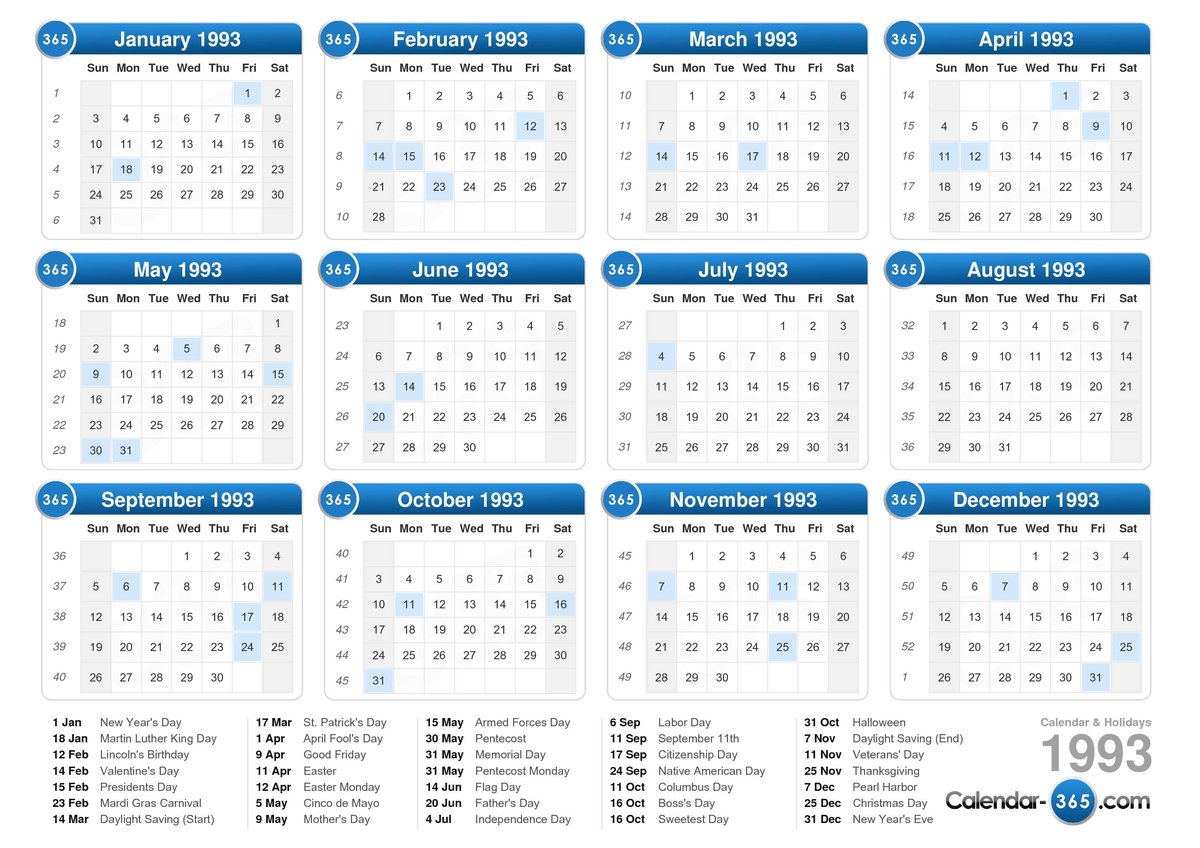
1993 wasn’t just another year on the calendar; it was a crucible, forging the political and social landscapes we recognize today. If you’ve ever wondered “what was going on in 1993” that set such a powerful stage for the coming decades, you’re looking at a period marked by seismic geopolitical shifts, a changing of the guard in global leadership, and the early tremors of technological and social upheavals. The very fabric of nations, from newly drawn borders to evolving domestic policies, was being reshaped, often dramatically, in these pivotal months.
At a Glance: Understanding Early 1993’s Defining Moments
- Nations Redrawn: Czechoslovakia peacefully split, while Europe moved towards deeper economic integration.
- A New US Era: Bill Clinton took office, ushering in a fresh wave of domestic and international policy.
- Geopolitical Tensions Flares: The Bosnian conflict raged, and the US continued military engagement in Iraq, signaling persistent post-Cold War challenges.
- Societal Shockwaves: Major domestic terrorism and federal standoffs highlighted emerging threats to public safety and civil liberties.
- Media & Commerce Shifts: While the internet’s boom was on the horizon, significant changes in broadcast media and traditional retail hinted at a connected future.
- Cultural Milestones: From iconic film premieres to sports legends’ achievements, the human spirit found new ways to express itself amidst the change.
The Geopolitical Earthquakes: Nations Redrawn and Realigned
The opening weeks of 1993 saw the map of Europe literally redrawn. On January 1st, Czechoslovakia formally ceased to exist, giving birth to the independent Czech Republic and Slovakia. This peaceful “Velvet Divorce” stood in stark contrast to the violent dissolution of Yugoslavia unfolding simultaneously. The division demonstrated a new European reality where national identity and self-determination were paramount, even within a unifying continent.
Speaking of unification, January 1993 also marked a monumental leap for European integration. The European Economic Area (EEA), comprising 12 nations, formed a vast free trade zone, and the European Single Market was officially established by the European Economic Community (EEC). These moves dramatically reduced trade barriers and fostered a sense of collective identity and economic interdependence across the continent, laying critical groundwork for the later expansion of the European Union.
Beyond Europe, global diplomacy was equally active. On January 3rd, the United States and Russia formalized the START II arms reduction treaty in Moscow. This agreement, signed by Presidents George H. W. Bush and Boris Yeltsin, aimed to significantly reduce strategic nuclear warheads, signifying a continued effort to de-escalate Cold War tensions and foster stability between the former adversaries. However, stability was fleeting elsewhere. The Bosnian War continued its brutal course, with factions meeting for peace talks in early January, even as Bosnian forces launched surprise attacks against Serbs in Kravica. The region remained a crucible of ethnic conflict and international concern.
Meanwhile, the Middle East remained a flashpoint. On January 13th, French, British, and US fighter jets launched bombing raids in southern Iraq, and on January 19th, the US Air Force fired some 40 Tomahawk cruise missiles at facilities near Baghdad suspected of being part of Iraq’s illegal nuclear weapons program. These actions underscored the continued post-Gulf War engagement, aiming to enforce UN resolutions and contain Saddam Hussein’s regime. In a more conciliatory, yet equally momentous move, Israel officially recognized the Palestine Liberation Organization (PLO) as the representative of the Palestinian people on January 19th, setting the stage for future peace negotiations and a potential reshaping of the region’s political landscape.
A New Guard in Washington: Clinton’s Inauguration and Policy Shifts
Domestically, the United States was transitioning into a new era. On January 20th, Bill Clinton was inaugurated as the 42nd President of the United States, bringing a new generation of leadership and a promise of change to Washington D.C. His inauguration was particularly notable for featuring Maya Angelou, who became the first African-American woman and the first woman ever to recite a poem (“On the Pulse of Morning”) at a US presidential inauguration. This moment resonated widely, symbolizing a cultural shift towards greater inclusivity and recognition.
Clinton’s administration quickly began to shape its policy agenda. Early February saw the appointment of James Woolsey as the new Director of the Central Intelligence Agency (CIA) and, perhaps more significantly, the historic selection of Janet Reno as the first female US Attorney General on February 11th. These appointments reflected a deliberate effort to diversify top government ranks and signal a fresh approach to federal governance.
A landmark piece of social legislation, the Family and Medical Leave Act (FMLA), was signed into law by President Clinton on February 5th. This act allowed workers to take unpaid, job-protected leave for family and medical reasons, a crucial step towards modernizing workplace policies and supporting American families. This early legislative victory demonstrated the new administration’s focus on social welfare. Another significant step in social progress occurred on January 18th, as Martin Luther King Jr. Day was observed as a federal holiday in all 50 US states for the very first time, a culmination of decades of advocacy and a powerful testament to the nation’s ongoing struggle for civil rights.
The Digital Undercurrent and Shifting Media Landscape
While the truly explosive growth of the internet and digital technology was still a few years away, early 1993 saw important shifts in how information was consumed and distributed, laying foundational groundwork for the digital revolutions to come. The media landscape, in particular, was in flux.
Perhaps one of the most talked-about events in television was David Letterman’s announcement on January 14th that his late-night show would be moving from NBC to CBS. This shift wasn’t just about a TV host changing networks; it highlighted the increasing power of celebrity personalities in shaping network programming and audience loyalty. The scramble for late-night dominance reflected a burgeoning competition for eyeballs that would only intensify with the advent of more media choices.
Another significant, albeit less flashy, indicator of changing times came on January 25th when Sears announced it would close its legendary catalog sales department after 97 years. This decision marked the end of an era for a retail giant that had literally shaped American consumerism for nearly a century. While not directly digital, it signaled a fundamental change in shopping habits and distribution models, foreshadowing the eventual dominance of e-commerce platforms that would rely heavily on digital infrastructure.
Meanwhile, broadcast television still commanded massive audiences. On February 10th, an estimated 90 million Americans tuned in to watch Michael Jackson’s interview with Oprah Winfrey. This massive viewership underscored the enduring power of mainstream media to capture collective attention, even as nascent digital communication channels were beginning to emerge in research labs and niche communities. Understanding these shifts in media consumption and distribution in early 1993 is key to grasping the broader context of how a nascent internet would soon fundamentally transform how we Discover 1993’s political & digital shifts and engage with information.
Public Safety, Conflict, and Cultural Milestones
Beyond the grand political and economic narratives, early 1993 was also punctuated by moments of terror, tragedy, and cultural celebration. On February 26th, a chilling event sent shockwaves through the United States: a bomb exploded in the World Trade Center in New York City, killing six people and injuring over a thousand. This act of domestic terrorism served as a stark and horrifying wake-up call, shattering a sense of invulnerability and introducing a new dimension to national security concerns. Just days later, on February 28th, a standoff began in Waco, Texas, when the Bureau of Alcohol, Tobacco, and Firearms (BATF) attempted to serve a search warrant at the compound of the Branch Davidian religious sect. A violent gun battle ensued, resulting in the deaths of four federal agents and six sect members, initiating a prolonged 51-day siege that would capture national attention and spark fierce debate about government overreach and religious freedom. Earlier in January, a different kind of violence occurred when Mir Aimal Kasi opened fire on vehicles near CIA headquarters in Langley, Virginia, killing two employees and injuring three others, highlighting the vulnerability of even secure government facilities.
Environmental disasters also made headlines. On January 5th, the oil tanker MV Braer ran aground off the Shetland Islands, spilling 84,700 tons of crude oil and causing significant ecological damage. Maritime accidents continued to plague the seas, with the Polish ferry MS Jan Heweliusz capsizing and sinking in a storm off the coast of Germany on January 14th (and again listed as January 24th, confirming its tragic impact), killing 55 people in one of Poland’s worst peacetime maritime disasters.
Amidst these somber events, life carried on, punctuated by cultural and sporting achievements. In film, Chen Kaige’s “Farewell My Concubine,” starring Leslie Cheung, Zhang Fengyi, and Gong Li, premiered in Hong Kong on January 1st, destined to win the Palme d’Or at Cannes later that year. Robert Rodriguez’s ultra-low-budget “El Mariachi” debuted at the Toronto Film Festival on January 8th, proving that independent cinema could find an audience. For lighter fare, the now-classic comedy film “Groundhog Day,” starring Bill Murray, was released in the US on February 12th. In sports, the Buffalo Bills made NFL history with the greatest comeback ever, rallying from a 32-point deficit to defeat the Houston Oilers on January 3rd, though they would ultimately lose their third consecutive Super Bowl to the Dallas Cowboys (52-17) on January 31st. Basketball legend Michael Jordan reached his 20,000th career NBA point in his 620th game on January 8th, demonstrating his continued dominance. On the cultural front, Elvis Presley commemorative stamps went on sale on January 8th, generating immense public interest and debate.
Quick Answers: Your 1993 Flashpoints Explored
Was 1993 truly a turning point year for the world?
Absolutely. The peaceful dissolution of Czechoslovakia, the establishment of the European Single Market, the US presidential transition, and the START II treaty collectively marked a clear shift from the Cold War era towards a new, multipolar world order. Events like the World Trade Center bombing also introduced new forms of global and domestic security challenges.
How significant were the European market changes in early 1993?
Extremely significant. The creation of the European Single Market and the EEA represented a massive step towards economic and political integration in Europe. It removed internal trade barriers, fostered deeper cooperation, and laid essential groundwork for the continent’s future political structure and economic power, influencing trade and policy worldwide.
What was the most impactful US domestic policy change in early 1993?
The signing of the Family and Medical Leave Act (FMLA) on February 5th stands out. This bipartisan legislation fundamentally altered employer-employee relations, providing millions of Americans with job-protected leave for critical family and health needs. It was a significant social policy achievement with lasting impact.
How did the World Trade Center bombing in February 1993 change perceptions?
The WTC bombing was a profound shock. It demonstrated that major acts of terrorism could occur on American soil, shifting the national security focus towards combating international and domestic extremist groups. It exposed vulnerabilities that would unfortunately be exploited again, forever altering how the US approached security and intelligence.
Were there any early signs of the digital revolution in January-February 1993?
While the internet wasn’t yet mainstream, early 1993 showed clear precursors. The shift in broadcast media (Letterman’s move) indicated a growing value placed on content and distribution, while Sears’ catalog closure highlighted the declining relevance of traditional, non-digital commerce channels. These events reflected an environment ripe for the digital disruption that would soon follow.
The Enduring Echoes of Early 1993
The opening months of 1993 were far more than a mere collection of headlines; they were a dynamic period that demonstrably reshaped nations and laid crucial foundations for the political, social, and technological changes that would define the rest of the decade and beyond. From the peaceful division of one nation to the violent attacks on another, from the optimism of a new presidential administration to the stark realities of domestic terrorism, the events of early 1993 encapsulated a world in flux.
Reflecting on “what was going on in 1993” helps us understand the complex tapestry of our modern world. The geopolitical realignments forged in Europe and between global superpowers continue to influence international relations. The legislative milestones achieved in the US still impact daily life for millions. Even the subtle shifts in media and commerce served as early indicators for the digital transformations that would soon fundamentally alter how we live, work, and connect. This turbulent yet formative period truly set a precedent, illustrating how quickly the global landscape could evolve, often with profound and long-lasting consequences.










