Nineteen ninety-nine wasn’t just the eve of a new millennium; it was a year jam-packed with pivotal moments, showcasing exactly what major events happened in the year 1999 to sculpt the world we inhabit today. From the battlefields of Kosovo to the burgeoning digital frontier, and from chart-topping pop anthems to devastating natural disasters, 1999 delivered a relentless stream of events that challenged perceptions, sparked innovation, and irrevocably altered the geopolitical, technological, and cultural landscapes. It was a year of profound transitions, where the anxieties of the past met the promises and perils of the future head-on.
At a Glance: Defining Moments of 1999
- Geopolitical Realignment: The Kosovo War and NATO intervention reshaped international relations, while the Euro’s introduction heralded a new era for European economics.
- Digital Inflection Point: The internet’s growing influence brought both groundbreaking advancements and the first widespread cyber threats like the Melissa worm, all under the shadow of Y2K.
- Cultural Crossroads: Pop culture icons emerged, but the year was also marked by tragedies like Columbine, sparking crucial conversations about violence and safety.
- Nature’s Unpredictable Force: Devastating earthquakes and tornadoes underscored human vulnerability in the face of immense natural power.
- Shifting Social Dialogues: Events like the Amadou Diallo shooting ignited protests, pushing discussions on policing and racial profiling into the mainstream.
A Year of Geopolitical Earthquakes and Economic Shifts
The geopolitical stage in 1999 was anything but quiet, marked by significant conflicts, crucial diplomatic strides, and fundamental economic shifts that continue to resonate.
The Kosovo War: NATO’s Defining Intervention
Perhaps the most defining geopolitical event was the Kosovo War. After months of escalating tensions and the brutal Racak massacre in January, NATO launched its first-ever offensive military operation against a sovereign country, Yugoslavia, on March 24th. This aerial bombardment aimed to halt the ethnic cleansing of Albanians by Serbian forces in Kosovo. It was a contentious intervention, setting precedents for humanitarian warfare and drawing fierce international debate. The campaign, which saw the downing of the “invisible” F117A stealth aircraft and tragic accidental bombings of refugee convoys, concluded in June with a peace treaty and the deployment of NATO-led peacekeepers (KFOR). The war fundamentally altered the Balkans and underscored the complex role of international bodies in regional conflicts.
The Euro’s Silent Arrival: Reshaping European Finance
While physical banknotes and coins were still years away, January 1, 1999, marked the official introduction of the Euro currency as an accounting currency in 11 European Union countries. This wasn’t just a bureaucratic change; it was a monumental step towards deeper economic integration and political unity across the continent. Businesses began pricing in Euros, and financial markets adapted to the new currency, setting the stage for a dramatic overhaul of European commerce and finance. It represented a bold leap of faith in a unified economic future, challenging existing national currencies and financial systems.
New Leadership and Independence Movements
Beyond Europe, 1999 saw a changing of the guard in several nations, signaling shifts in power and ideology. Hugo Chávez was sworn in as President of Venezuela in February, beginning a socialist era that would profoundly impact Latin American politics. In May, Olusegun Obasanjo took office as President of Nigeria, ushering in a new chapter of civilian rule after 16 years of military governance, a crucial moment for Africa’s most populous nation. Meanwhile, the people of East Timor voted overwhelmingly for independence from Indonesia in an August referendum, a hard-won victory that ended decades of occupation and violence, albeit sparking further unrest immediately following the vote. These transitions weren’t just local events; they were ripples that spread across their respective regions, often influencing broader international relations and development narratives.
The Digital Dawn and its Discontents: Tech, Threats, and the Millennium Bug
Nineteen ninety-nine stood at the cusp of a technological revolution, a year when the internet’s potential became undeniable, but also when its vulnerabilities began to surface, often overshadowed by a peculiar, widespread anxiety. This era, characterized by rapid innovation and a dash of global apprehension, is deeply explored in the broader context of What defined 1999?, especially regarding the infamous Y2K phenomenon.
The Dow Breaks 10,000: A Sign of the Dot-Com Boom
On March 29th, the Dow Jones Industrial Average closed above the 10,000 mark for the first time in history. This milestone wasn’t merely a number; it was a powerful symbol of the booming economy and the exuberant optimism surrounding the nascent dot-com industry. Technology stocks fueled much of this growth, creating immense wealth for some and a sense of endless possibility for many. While the dot-com bubble would eventually burst, this moment perfectly captured the era’s economic energy and belief in a tech-driven future.
The Melissa Worm: A Glimpse into Cyber Vulnerability
While the internet promised connectivity and information, 1999 also delivered a stark reminder of its dark side. The Melissa worm, released in March, rapidly infected Microsoft Word processing and email systems globally. This was one of the first widespread, fast-moving macro viruses to leverage email for distribution, causing significant disruption to corporate networks worldwide. Melissa served as an early alarm bell, demonstrating the profound vulnerability of interconnected systems and highlighting the urgent need for robust cybersecurity measures – a need that only continues to grow.
Y2K Anxieties: The Digital Countdown
Throughout 1999, the looming threat of the “Y2K bug” dominated headlines and anxieties. The fear was that computer systems, many programmed to use only two digits for the year (e.g., “99” for 1999), would misinterpret “00” as 1900 instead of 2000, leading to widespread system failures. Governments and corporations spent billions preparing for this digital doomsday. While the anticipated chaos largely failed to materialize, the year-long global effort to debug systems was an unprecedented collaborative endeavor, underscoring our increasing reliance on digital infrastructure and the potential fragility of the modern world.
Space Exploration Forges Ahead
Despite the earthbound concerns, humanity’s gaze still turned skyward. In January, NASA launched the Mars Polar Lander, a mission designed to study Mars’s south polar region, though it was tragically lost upon descent. Later in May, Space Shuttle Discovery achieved its first docking with the International Space Station (ISS), marking a critical step in the assembly of what would become a permanent orbiting laboratory and a testament to international cooperation in space. These missions continued to push the boundaries of human knowledge and exploration.
Cultural Currents and Social Shifts: Pop, Protest, and Tragedy
Beyond the headlines of war and technology, 1999 was a year that left an indelible mark on culture and society, shaping public discourse and giving rise to new icons and conversations.
Columbine and the Call for Safety
The Columbine High School massacre on April 20th in Littleton, Colorado, was a horrific watershed moment. Two students killed 12 classmates and one teacher before taking their own lives, thrusting school violence, gun control, and the roots of adolescent alienation into the national spotlight. The tragedy sparked intense debates about school security, bullying, media influence, and mental health, fundamentally altering how communities and educators approached safety and youth well-being. Its echoes continue to influence policies and discussions today.
Music, Media, and Sporting Milestones
Culturally, 1999 saw the launch of a pop music sensation. Britney Spears released her debut album, “…Baby One More Time,” in January, catapulting her to global superstardom and defining an era of teen pop. On television, Jon Stewart took over as host of “The Daily Show” in January, beginning a transformative run that would redefine political satire and influence a generation’s news consumption. In the world of extreme sports, Tony Hawk landed the first “900” on a skateboard at the X Games in July, a two-and-a-half complete revolutions aerial trick that became an iconic moment in skateboarding history, inspiring countless enthusiasts.
Protests and Police Accountability
The year also brought stark reminders of social inequalities and the urgent need for justice. In February, the fatal shooting of Amadou Diallo, an unarmed Guinean immigrant, by four New York City police officers (who fired 41 shots) ignited widespread protests over police brutality and racial profiling. This incident, along with others, fueled growing demands for police accountability and reform, becoming a touchstone in the ongoing national conversation about race and law enforcement.
Environmental Advocacy and Rights
Environmental consciousness was also gaining momentum. In Kenya, Wangari Maathai led powerful protests in Karura Forest in January, advocating for vital forest conservation against encroaching development. Globally, the Ottawa Treaty, banning anti-personnel landmines, officially entered into force in March, a significant win for humanitarian disarmament efforts. These actions highlighted a growing global awareness and activism around environmental protection and human rights, demonstrating that the fight for a better future was taking many forms.
Nature’s Fury and Human Calamity: A Year of Disasters
While human actions dominated many headlines, 1999 was also a year marked by the immense and often unpredictable power of nature, along with tragic man-made accidents.
Devastating Earthquakes
The most catastrophic natural disaster of the year struck İzmit, Turkey, on August 17th, a 7.4-magnitude earthquake that killed more than 17,000 people and injured tens of thousands more. This massive tremor exposed critical failures in building codes and emergency response, leading to a profound national reckoning. Earlier in the year, a 6.0 Richter magnitude scale earthquake hit western Colombia in January, claiming at least 1,000 lives, and a magnitude 6.8 earthquake in India in March killed 103, reminding the world of the persistent threat posed by seismic activity across vulnerable regions.
Tornado Outbreaks and Severe Weather
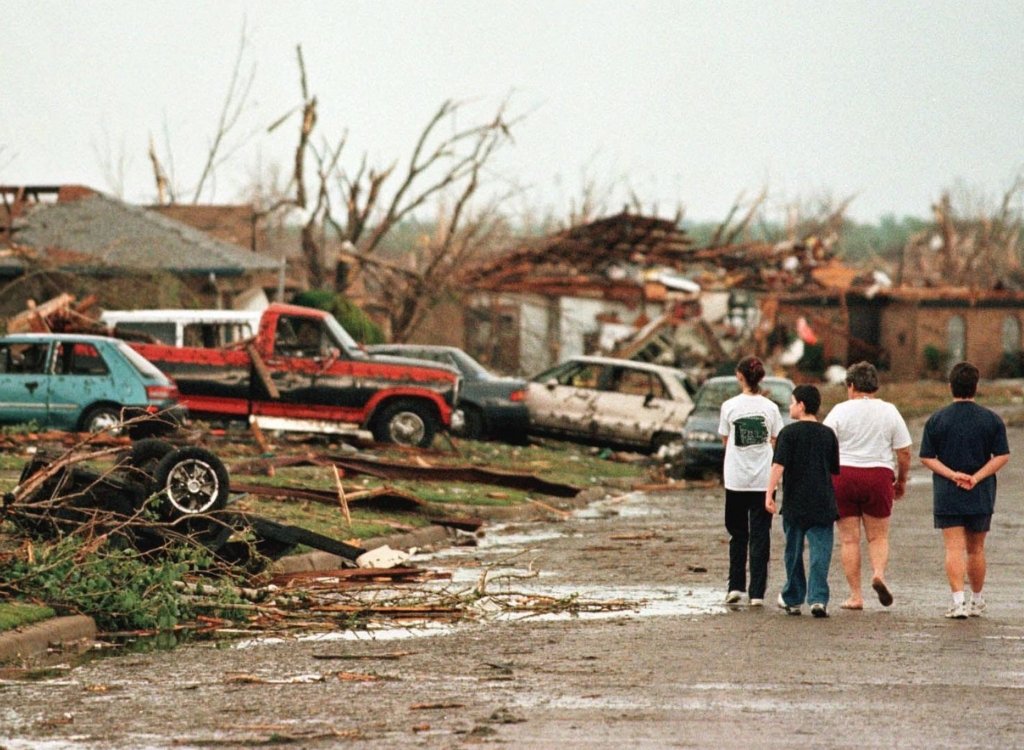
The United States experienced its share of severe weather, most notably a series of powerful tornadoes. On May 3rd, the southwestern portion of Oklahoma City was devastated by an F5 tornado, killing 45 people, injuring hundreds, and causing over $1 billion in damage as part of a larger outbreak of 66 tornadoes across the region. Earlier, in January, a severe tornado outbreak struck Tennessee, causing extensive damage and loss of life. These events highlighted the destructive force of severe weather and the critical importance of early warning systems and disaster preparedness.
The Mont Blanc Tunnel Fire: A Horrific Accident
On March 24th, the Mont Blanc Tunnel, connecting France and Italy, became the scene of a horrific fire that killed 39 people. Ignited by a truck carrying flour and margarine, the fire quickly spread and burned for days, trapping victims and causing immense structural damage. This tragedy led to significant improvements in tunnel safety regulations, emergency response protocols, and international cooperation for cross-border infrastructure, underscoring the vital need for stringent safety measures in shared spaces.
Quick Answers: Understanding 1999’s Legacy
Q: What was the biggest global concern in 1999?
A: Without a doubt, the biggest global concern was the “Y2K bug.” The fear of widespread computer failures as the clock struck midnight on January 1, 2000, consumed governments, businesses, and individuals worldwide, leading to massive preparation efforts.
Q: How did the Kosovo War impact international relations?
A: The Kosovo War was significant because it marked NATO’s first offensive military action against a sovereign nation without explicit UN Security Council authorization, setting a controversial precedent for humanitarian interventions and sparking debates about state sovereignty versus the responsibility to protect.
Q: What lasting cultural impact did 1999 have?
A: 1999’s cultural impact was diverse: it launched pop culture phenomena like Britney Spears, transformed late-night political commentary with Jon Stewart, and, tragically, sparked national conversations about school violence and gun control in the wake of the Columbine massacre, shaping ongoing public discourse.
Echoes of a Pivotal Year
The major events that happened in the year 1999 were far more than just news cycles; they were building blocks for the 21st century. The geopolitical landscape was permanently altered by the Kosovo War and the Euro’s emergence, while the digital frontier, despite Y2K anxieties, promised endless innovation and new vulnerabilities. From the tragic lessons of Columbine and Amadou Diallo to the inspiring feats of space exploration and environmental activism, 1999 pushed humanity to confront its challenges and seize its opportunities. Understanding this pivotal year isn’t just a historical exercise; it’s a way to contextualize the persistent issues and enduring innovations that continue to define our world.










