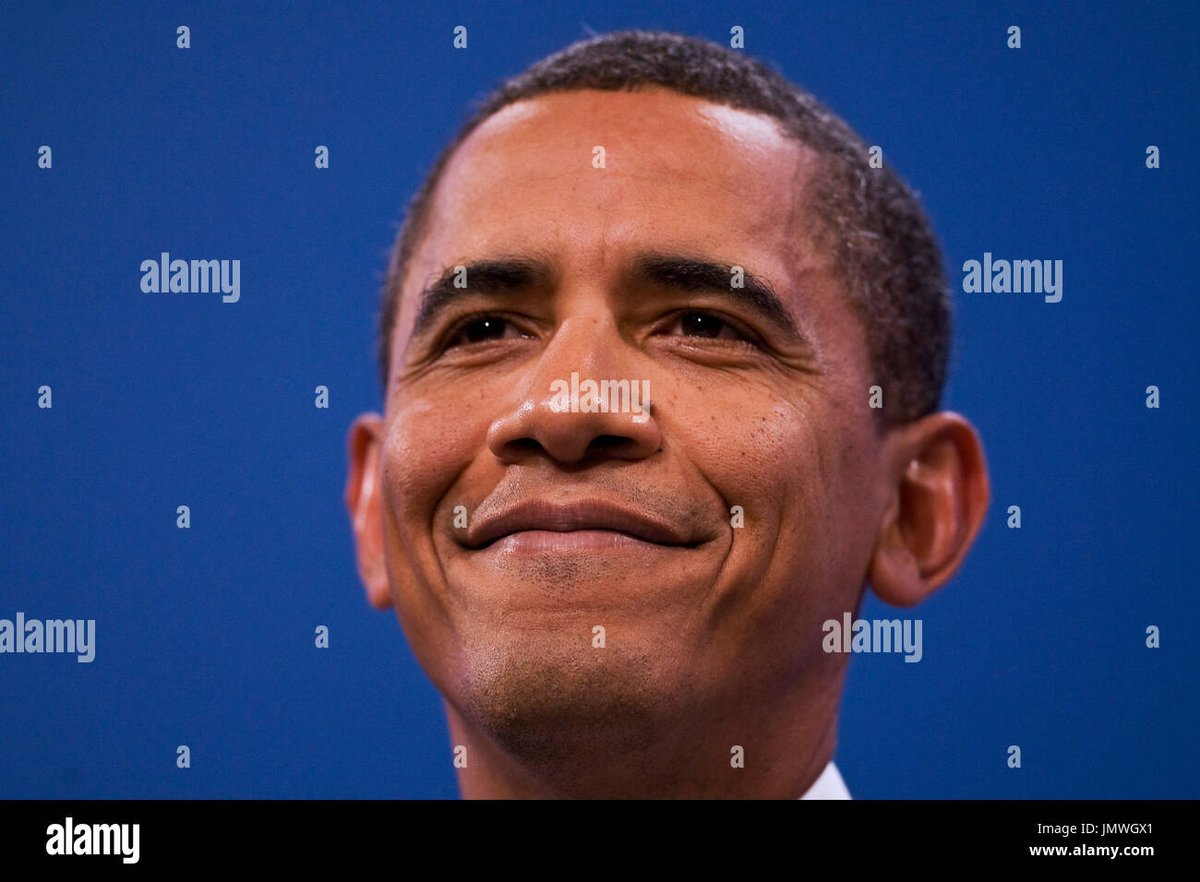
The United States in 2009 saw a profound shift in leadership, with Barack Obama stepping into the White House at a moment of deep economic anxiety and emerging public health challenges. The question of what happened in 2009 in the United States isn’t just about a presidential transition; it’s about how the nation navigated its worst recession in decades, a global pandemic threat, and significant cultural milestones that reshaped American life and policy for years to come. This period was a crucible for new policy, tested resilience, and set the stage for a new digital and social landscape.
At a Glance: Navigating America’s Pivotal 2009
- New Leadership: Barack Obama became the 44th US President, bringing a new era of policy focus amidst crisis.
- Economic Trough & Turnaround: The Great Recession hit its lowest point, followed by massive stimulus efforts and an official end to the downturn.
- Public Health Emergency: The H1N1 Swine Flu pandemic emerged, prompting a swift, nationwide public health response.
- Moments of Resilience: The “Miracle on the Hudson” became a symbol of American ingenuity and calm under pressure.
- Digital & Cultural Evolution: From the launch of Windows 7 to new social media platforms and groundbreaking television, America’s cultural fabric evolved rapidly.
A New Chapter Begins: Obama’s Inauguration and Early Decisions
January 20, 2009, marked a historic day as Barack Obama was sworn in as the 44th President of the United States, becoming the first African American to hold the nation’s highest office. This transition wasn’t just ceremonial; it immediately ushered in a period of intense policy focus. Joe Biden joined him as the 47th Vice President, forming an administration tasked with confronting immense domestic and international challenges.
One of Obama’s earliest actions included signing executive orders to initiate the closure of the Guantanamo Bay detention camp within one year and prohibit torture in terrorism interrogations. These moves signaled a clear departure from previous policies and sparked extensive debate. Meanwhile, the 111th US Congress convened with a strengthened Democratic majority, holding 256 seats in the House and 59 in the Senate, providing the administration with a significant mandate to pursue its legislative agenda, especially concerning economic recovery and healthcare reform. This political landscape was critical as the country grappled with its immediate crises.
The Great Recession’s Grip and the Road to Recovery
Economically, the beginning of 2009 was arguably the darkest hour of the Great Recession for the United States. January alone saw staggering job losses, nearly 800,000 Americans, pushing the unemployment rate to a stark 7.8%. Industries were reeling, and financial institutions teetered on the brink. Circuit City, a retail giant, became a casualty, announcing the closure of all 567 US stores and terminating 34,000 jobs—a tangible sign of the widespread economic contraction.
In response, the Obama administration quickly pushed through the American Recovery and Reinvestment Act of 2009. This massive economic stimulus package, totaling hundreds of billions of dollars, aimed to inject capital into the economy through infrastructure projects, tax cuts, and aid to states. Simultaneously, the government intervened to stabilize the financial sector, famously providing Bank of America with an additional $20 billion bailout. A more dramatic intervention came with General Motors, which filed for Chapter 11 bankruptcy in June, allowing it to reorganize with significant government assistance. While painful, these actions were seen as necessary to prevent a complete collapse. Encouragingly, thanks to these efforts, the recession officially ended in June 2009, though the recovery would be slow and uneven. For those looking to understand the broader global context of this economic period, including its intertwined impact beyond American borders, you can Explore 2009’s pivotal moments.
Swine Flu: A Nation on High Alert
Beyond the economy, a new and unsettling public health threat emerged in 2009: the H1N1 strain of swine flu. The first cases in the US were identified, and it quickly became apparent that this was no ordinary seasonal flu. The virus spread rapidly, reaching pandemic levels and prompting a swift, coordinated national response.
President Obama himself publicly received a vaccine, underscoring the seriousness of the situation and encouraging public trust in vaccination efforts. Schools, businesses, and public health agencies scrambled to implement mitigation strategies, from promoting hand hygiene to discussing potential school closures. The H1N1 pandemic tested America’s public health infrastructure and its capacity to react to a fast-moving, novel virus, offering valuable lessons for future health crises.
Moments of Crisis, Heroism, and Innovation
Amidst the political and economic turbulence, 2009 also saw remarkable moments of crisis and human resilience in the United States. Perhaps the most iconic was the “Miracle on the Hudson.” On January 15, US Airways Flight 1549, piloted by Captain Chesley Sullenberger and First Officer Jeffrey Skiles, lost engine power after colliding with geese shortly after takeoff from New York City. Their extraordinary decision to make an emergency landing on the Hudson River saved all 155 passengers and crew, turning what could have been a catastrophe into a testament to skilled airmanship and coordinated emergency response.
In the realm of technology and space, the US remained a hub of innovation. Microsoft released its highly anticipated Windows 7 operating system, quickly becoming a popular upgrade for computer users. NASA had a busy year, launching the Discovery Space Shuttle on mission STS-119, notable for a bat briefly clinging to its fuel tank during launch. More critically, the Atlantis Space Shuttle embarked on its final mission (STS-125) to service the aging but invaluable Hubble Space Telescope, extending its scientific life. The US also marked its first lunar mission in a decade with the launch of the Lunar Reconnaissance Orbiter (LRO) and Lunar Crater Observation and Sensing Satellite (LCROSS), with LRO successfully creating a detailed 3D map covering 98.2% of the Moon’s surface. These missions reaffirmed America’s commitment to space exploration and scientific discovery.
Cultural Landscapes and Digital Beginnings
Culturally, 2009 was a vibrant year in the United States, witnessing significant shifts in entertainment and digital engagement. Hollywood saw the release of James Cameron’s Avatar, a groundbreaking cinematic achievement that would go on to become the highest-grossing film of all time, surpassing Titanic. Other major film premieres included Harry Potter and the Half-Blood Prince and The Twilight Saga: New Moon, captivating vast audiences.
On television, two critically acclaimed and culturally significant American sitcoms debuted: NBC’s Parks and Recreation and ABC’s Modern Family, both quickly becoming cornerstones of comedic programming. Logo TV introduced RuPaul’s Drag Race, a show that would evolve into a global phenomenon, launching the careers of countless drag artists. In the burgeoning digital world, two apps made their debut that would shape online social interaction: Farmville, a hugely popular social network game, and Grindr, a pioneering location-based dating app for gay and bisexual men. Even global music sensation Justin Bieber made his first tweet, promoting his single “One Time,” signaling the growing power of social media for celebrity engagement. These cultural touchstones reflected a society rapidly embracing new forms of media and connection.
Notable Americans and Their Impact
The year also brought significant moments for various American figures. Legendary singer Michael Jackson performed his final show just days before his tragic death on June 25 at age 50, marking the end of an era for pop music. The entertainment world also mourned the passing of actor Patrick Swayze (September 14, age 57) and actress Brittany Murphy (December 20, age 32). In sports, Tiger Woods, a dominant figure in golf, announced an indefinite leave from professional play to focus on his marriage, a decision that sent ripples through the sports world. These personal stories, both triumphant and tragic, became part of the larger narrative of what happened in 2009 in the United States.
Quick Answers: Understanding 2009’s US Impact
Q: How did the economic crisis of 2009 affect everyday Americans?
A: The recession meant widespread job losses, increased unemployment rates, home foreclosures, and reduced consumer spending. Many families faced severe financial hardship, and the recovery process was slow, leading to a long period of economic uncertainty for many. The American Recovery and Reinvestment Act aimed to mitigate some of these impacts through various aid programs.
Q: Was the Swine Flu pandemic as severe as initially feared in the US?
A: While the H1N1 Swine Flu did reach pandemic levels globally and caused significant concern in the US, public health responses, including vaccine development and public awareness campaigns, helped manage its impact. It was a serious threat, especially to younger populations, but a catastrophic death toll was largely averted thanks to rapid identification and response efforts.
Q: How did Obama’s presidency change US policy immediately after taking office?
A: Immediately, Obama focused on reversing controversial Bush-era policies, particularly regarding national security and human rights. His executive orders on Guantanamo Bay and torture prohibitions were significant. His administration also quickly initiated the massive economic stimulus package and began laying the groundwork for healthcare reform, signaling a clear shift in legislative priorities.
The Lasting Echoes of 2009 in America
Looking back at what happened in 2009 in the United States, it’s clear that the year was a pivotal turning point. It wasn’t just about a change in administration; it was about a nation confronting its deepest economic fears, responding to a global health crisis, and demonstrating resilience in the face of sudden adversity. From the corridors of power in Washington to the emergency landing on the Hudson, from the job market’s struggles to the debut of new cultural phenomena, 2009 laid critical foundations for the decade that followed. The policies enacted, the lessons learned, and the cultural shifts that began that year continue to resonate, shaping America’s political, economic, and social landscape.










