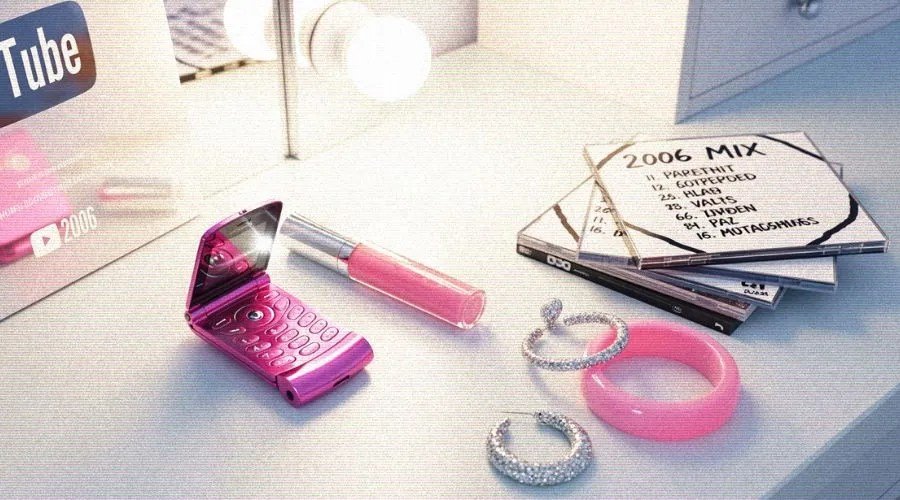
The year 2004 was a fascinating paradox: a time of profound global tragedy with the Indian Ocean tsunami, yet simultaneously a vibrant crucible for groundbreaking shifts in media, technology, and everyday life that defined what happened in 2004 pop culture. While the world grappled with immense loss and the nascent stages of digital connection, celebrity controversies exploded, fashion made high design accessible, and a distinctive blend of indie charm and blockbuster spectacle captivated audiences. This period didn’t just reflect culture; it actively shaped its future, laying groundwork for the social media age and redefining the very fabric of entertainment.
At a glance: Navigating the Cultural Landscape of 2004
- Media Redefined by Controversy: Understand how events like “Nipplegate” dramatically altered live television and the FCC’s role.
- Tech’s Cultural Inception: Grasp the quiet beginnings of giants like Facebook and Gmail and their immediate impact on social interaction and communication.
- Fashion Democratization: See how designer collaborations, like Karl Lagerfeld with H&M, brought luxury to the masses, setting a new industry standard.
- Film & Music’s Diverse Palette: Discover the dual appeal of massive blockbusters and quirky indie films, alongside the rise of R&B titans.
- Everyday Trends with Enduring Echoes: Explore the fads, from LiveStrong bracelets to low-carb diets, that characterized daily life and reflected broader societal currents.
- The Blueprint for Future Fame: Learn how celebrity incidents and legal dramas contributed to the evolving nature of public figures and media scrutiny.
Cultural Shockwaves & The Shifting Sands of Celebrity
The media landscape of 2004 was a volatile mix of high-stakes legal drama and sensational celebrity mishaps, creating defining moments that forever altered how we consume news and perceive fame. These weren’t just isolated incidents; they were powerful cultural touchstones that revealed anxieties and pushed boundaries.
One of the most immediate and indelible impacts on what happened in 2004 pop culture was the Super Bowl XXXVIII Halftime Show. Janet Jackson’s “wardrobe malfunction”—dubbed “Nipplegate”—sent shockwaves through mainstream media. This brief exposure resulted in over 500,000 FCC complaints, a hefty $550,000 fine for CBS, and triggered an era of increased censorship in live broadcasts, setting a precedent for media self-regulation for years to come.
Beyond the stage, legal battles captivated public attention. Celebrity businesswoman Martha Stewart faced conviction and subsequent sentencing for covering up illegal stock trades, a high-profile case that blended finance, ethics, and celebrity into a potent media narrative. Her five-month prison sentence, followed by house arrest and probation, underscored that even the most well-known figures were not above the law, while also sparking public debate on justice and celebrity.
The personal lives of stars continued to be front-page news, often fueled by rapid-fire incidents. Britney Spears’ spontaneous Las Vegas marriage to childhood friend Jason Alexander, annulled just 55 hours later, was a quintessential blink-and-you-miss-it moment that fed the relentless celebrity gossip cycle. Meanwhile, the posthumous sale of Paris Hilton’s storage unit contents, revealing nude images, highlighted the escalating invasion of privacy surrounding public figures and the burgeoning market for such content. These events collectively pushed the envelope of public consumption, laying groundwork for reality TV and the pervasive celebrity culture that would dominate the next decade.
Breakthroughs That Rewrote the Rules of Connection and Commerce
While celebrity dramas unfolded, silent revolutions were brewing in tech and retail, quietly shaping what happened in 2004 pop culture and setting the stage for future trends. These innovations weren’t just new products; they were new ways of connecting, communicating, and consuming that rapidly became indispensable.
February 2004 marked the quiet launch of Facebook from a Harvard dorm room by Mark Zuckerberg and his roommates. Initially an exclusive network for Harvard students, it swiftly expanded to other universities and then globally. Its core features—personal profiles and “The Wall”—offered unprecedented ways to connect with peers online, creating a digital identity and social graph that would redefine human interaction. This wasn’t just a website; it was the genesis of a global social movement.
Just two months later, on April 1st, Google launched Gmail. Many initially dismissed it as an April Fool’s joke, given its revolutionary offer of 1 GB of free storage—a staggering amount when competitors offered mere megabytes. With conversation threading and powerful search capabilities, Gmail fundamentally changed expectations for email, making communication faster and more organized, and subtly introducing users to Google’s pervasive influence.
On the hardware front, the Motorola Razr debuted at a then-hefty $499, instantly becoming a fashion statement. Its sleek, ultra-thin flip design and metallic finish sold over 130 million units worldwide, proving that technology could be as much about style as it was about function. Simultaneously, Nintendo DS hit the market, pioneering dual-screen gaming, touch functionality, and a 3D Graphics Engine. Selling over 154 million units globally, it captivated a new generation of gamers and hinted at the future of interactive entertainment.
Beyond tech, a groundbreaking collaboration in November showed how high fashion could permeate the mainstream. Karl Lagerfeld partnered with H&M, offering designer clothing at accessible prices. This move made high-end design available to the masses and set a new standard for designer collaborations in fast fashion, democratizing style in an unprecedented way. These technological and retail innovations, though diverse, shared a common thread: they made powerful, previously exclusive experiences available to a much wider audience, fundamentally altering consumer expectations and cultural habits. For more on the broader context of the year, including the Indian Ocean tsunami and other major global events, consider exploring our deeper dive into 2004: Tsunami and Facebook.
The Sound & Screen of a Changing Era: Defining Pop Culture Hits
Film and music in 2004 painted a diverse picture, demonstrating a cultural appetite for both escapist blockbusters and thoughtful, often quirky, narratives. The hits of this year weren’t just popular; they became defining parts of what happened in 2004 pop culture, echoing in conversations and influencing trends.
In cinema, “Shrek 2” dominated, becoming the highest-grossing film of the year in the U.S. and earning over $935 million worldwide. Its blend of humor, heart, and clever pop culture references, alongside the introduction of fan-favorite Puss in Boots, solidified its place as a family entertainment phenomenon. Other big-ticket releases like “Spider-Man 2” continued the superhero craze, while “The Passion of the Christ” proved that niche, faith-based films could achieve massive box office success, sparking widespread debate and discussion.
However, 2004 also gave us cult classics that defied blockbuster norms. The low-budget indie film “Napoleon Dynamite,” released in June, captivated audiences with its deadpan humor, awkward charm, and unforgettable quotes. It became a cultural touchstone, proving that idiosyncratic storytelling could resonate deeply, fostering a unique brand of fandom. Similarly, “Mean Girls,” written by Tina Fey, perfectly encapsulated high school dynamics with wit and sharp observations, cementing its status as a defining teen comedy.
On the music charts, Usher’s “Yeah!” was an undeniable force, topping the Billboard Hot 100 for 12 consecutive weeks. This track achieved 13-time platinum status and earned a Grammy, showcasing the global appeal of R&B and crunk music. Meanwhile, Beyoncé solidified her solo superstar status, winning five Grammys for her debut album “Dangerously In Love,” including Best Contemporary R&B Album—a first for a female artist. These artists weren’t just selling records; they were shaping the soundscape and setting new benchmarks for mainstream success, demonstrating the dynamic range of popular music in the mid-2000s.
Everyday Trends and Fleeting Fads: The Pulse of 2004
Beyond the headlines and blockbusters, 2004 was a year rich with everyday trends and fads that permeated homes, wardrobes, and diets. These smaller cultural currents, from fashion accessories to dietary shifts, reflect a deeper dive into what happened in 2004 pop culture on a personal level.
One of the most visible and impactful trends was the LiveStrong bracelet. These bright yellow silicone bands, supporting cancer awareness and endorsed by Lance Armstrong, became a global fashion staple. Millions were sold, transforming a simple piece of wristwear into a powerful statement of solidarity and a must-have accessory. This trend demonstrated the power of cause-related marketing and collective identity.
The pursuit of health and fitness also saw significant shifts. Low-carb diets, notably Atkins and South Beach, gained immense popularity. These diets, which severely restricted carbohydrate intake, promised rapid weight loss and reshaped the grocery aisles and restaurant menus, influencing dietary habits across the nation.
Beyond health, more eclectic trends emerged. The phrase “Flash Mob” was added to the Concise Oxford English Dictionary, recognizing a burgeoning phenomenon of organized, spontaneous public performances. Wearing Kabbalah Strings—red thread bracelets—became a fashionable nod to spirituality, particularly among celebrities, quickly adopted by the public. Dan Brown’s “The Da Vinci Code” continued its reign as a literary sensation, sparking conversations about history, religion, and conspiracy theories, even prompting Oprah’s Book Club to make Leo Tolstoy’s 1877 classic “Anna Karenina” a bestseller, proving the power of media endorsements.
Even beloved icons weren’t immune to the cultural currents of the year. Mattel announced the surprising breakup of Barbie and Ken after more than 40 years, reflecting a playful, yet impactful, shift in the narrative of popular toys. Furthermore, the ubiquitous presence of Jim Benton’s “It’s Happy Bunny” brand, with its sarcastic and often cynical catchphrases, provided a counter-cultural edge that resonated with a younger demographic. These diverse trends, from the deeply meaningful to the delightfully frivolous, showcase the vibrant, ever-changing nature of pop culture in 2004.
Unpacking the Legacy: Why 2004 Still Echoes
The year 2004 wasn’t just a collection of events; it was a pivotal moment where several cultural shifts converged, leaving a lasting imprint on how we live, connect, and consume entertainment today. The breakthroughs and controversies of this era continue to echo, shaping the landscape of our digital and real worlds.
The quiet launch of Facebook, for instance, marked the dawn of the social media age, fundamentally altering how friendships are maintained, information is shared, and public figures interact with their audience. Gmail set a new standard for digital communication, making email a more powerful and user-friendly tool. These technologies, born in 2004, are now foundational to modern life, impacting everything from political campaigns to personal relationships.
On the entertainment front, the “wardrobe malfunction” event forever changed live television broadcasting, instituting a new era of caution and censorship that still impacts how events are produced and aired. The box office success of diverse films, from the animated giant “Shrek 2” to the quirky independent “Napoleon Dynamite,” demonstrated a growing fragmentation of audience tastes, paving the way for a more diverse film industry.
Even the seemingly transient fads, like LiveStrong bracelets, highlighted a burgeoning desire for collective identity and purpose-driven consumption, a precursor to today’s socially conscious brands and movements. The blend of high-end fashion with fast-fashion accessibility, exemplified by the Karl Lagerfeld x H&M collaboration, normalized designer partnerships, influencing retail strategies for decades.
In essence, 2004 served as a critical inflection point, transitioning from the analog age into a fully digital, interconnected, and highly scrutinized cultural landscape. Understanding what happened in 2004 pop culture isn’t just a nostalgic look back; it’s an essential exercise in recognizing the origins of many contemporary trends and technologies that define our present.
Practical Playbook: Deciphering Cultural Milestones
Understanding 2004’s cultural pulse means recognizing the interplay between technology, media, and human behavior. Here’s how to contextualize these shifts:
- Trace Tech’s Initial Footprint:
- Action: Consider how nascent platforms like Facebook and Gmail started with specific, often exclusive, user bases (e.g., Harvard students).
- Insight: Early exclusivity often fosters innovation and strong initial communities before wider adoption. This organic growth was key to their stickiness.
- Analyze Media’s Response to Controversy:
- Action: Reflect on incidents like “Nipplegate” and the immediate, widespread public and regulatory backlash.
- Insight: Cultural “shocks” often lead to overcorrection or significant policy changes, revealing societal anxieties about public decency and media influence.
- Identify Democratization Trends:
- Action: Look at how high-end design (Lagerfeld x H&M) and premium tech (Motorola Razr) became accessible or highly desirable to a broader market.
- Insight: When luxury or cutting-edge items become attainable, they democratize style and technology, fundamentally altering consumer expectations and market dynamics.
- Recognize the Power of Authenticity vs. Polished Narratives:
- Action: Compare the slick production of “Shrek 2” with the raw, indie charm of “Napoleon Dynamite.”
- Insight: Both mainstream blockbusters and quirky, authentic narratives can capture the zeitgeist. Audiences crave both escapism and relatable, unconventional stories.
- Deconstruct Fad Psychology:
- Action: Examine the rapid rise of LiveStrong bracelets and low-carb diets. What need did they fulfill (e.g., social connection, health solution)?
- Insight: Fads often tap into prevailing social anxieties or desires. Those with a clear message or immediate benefit tend to spread rapidly, even if their longevity varies.
Quick Answers: Common Questions About 2004 Pop Culture
Q: What was the biggest cultural shock of 2004?
A: Without a doubt, the “wardrobe malfunction” during the Super Bowl XXXVIII Halftime Show, also known as “Nipplegate,” caused the most immediate and widespread cultural shock. It led to significant media censorship and public debate about decency standards on live television.
Q: How did Facebook’s launch in 2004 impact culture initially?
A: Facebook initially impacted culture by creating a digital, exclusive social network for university students, particularly at Harvard. It introduced the concept of online personal profiles and “The Wall,” fundamentally changing how students connected, shared information, and managed their social lives, planting the seeds for broader social media adoption.
Q: What movie defined teen culture in 2004?
A: “Mean Girls,” written by Tina Fey, is widely considered the defining teen comedy of 2004. Its sharp wit, relatable portrayal of high school cliques, and memorable quotes cemented its status as a cultural touchstone for that generation.
Q: Were there any major fashion breakthroughs in 2004?
A: Yes, Karl Lagerfeld’s collaboration with H&M in November 2004 was a significant breakthrough. It made high-end designer fashion accessible to the masses at fast-fashion prices, establishing a new model for designer collaborations that reshaped the retail landscape.
Q: What was a major health trend in 2004?
A: Low-carb diets, such as Atkins and South Beach, were a major health trend in 2004. They significantly influenced dietary habits and the food industry, driving a surge in low-carbohydrate product offerings and public discussions around nutrition.
The Lasting Beat of 2004
The year 2004 was far more than a collection of headlines; it was a foundational period where the seeds of our current digital and cultural landscape were sown. From the first whispers of social media to the seismic shifts in entertainment and retail, the moments of this year didn’t just pass by—they laid down patterns that continue to resonate. By understanding the breakthroughs and controversies of 2004 pop culture, we gain crucial insight into the origins of today’s interconnected world, appreciating how seemingly disparate events conspired to shape our collective experience.










