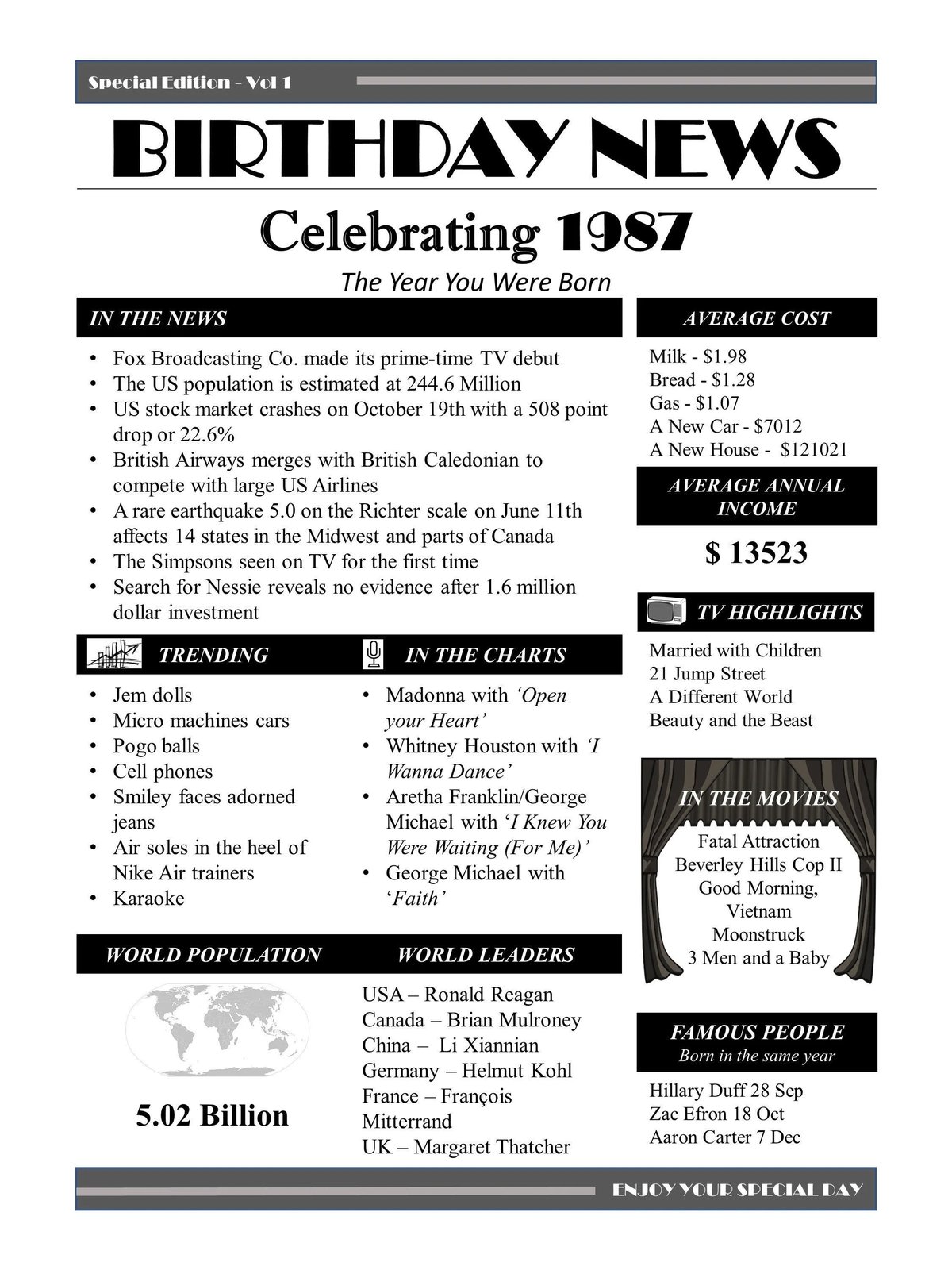
For the bigger picture and full context, make sure you read our main guide on What Happened In 1987 Included Market Crash And World Turmoil.
The year 1987 was a period of profound shifts and stark revelations in American history, leaving an indelible mark on its political landscape, economic stability, and social fabric. From the dramatic unfolding of a secret arms scandal that rocked the White House to an unprecedented market crash that sent shivers down Wall Street, and the complex dance of Cold War diplomacy intertwined with covert conflicts, the nation navigated a turbulent yet transformative twelve months. It was a year that challenged perceptions of leadership, exposed systemic vulnerabilities, and simultaneously hinted at new eras of global cooperation and domestic cultural change.
At a Glance: Key American Turning Points of 1987
- Political Transparency: The Iran-Contra affair hearings captivated the nation, revealing intricate secret arms deals and illegal funding for Nicaraguan Contras, deeply challenging public trust in the Reagan administration.
- Economic Shockwave: Black Monday saw the Dow Jones Industrial Average plummet by an astonishing 22% in a single day, exposing vulnerabilities in financial markets and prompting a re-evaluation of regulatory mechanisms.
- Cold War Evolution: Despite ongoing proxy conflicts, the year marked a significant diplomatic breakthrough with the signing of the Intermediate-Range Nuclear Forces (INF) Treaty, heralding a new phase of US-Soviet relations.
- Media and Society: The repeal of the Fairness Doctrine fundamentally altered the American media landscape, while the ongoing AIDS crisis saw a critical medical breakthrough and a powerful moment of compassion from Pope John Paul II during his US visit.
- Cultural Milestones: From the premiere of ‘The Simpsons’ shorts to the release of Michael Jackson’s ‘Bad,’ American popular culture continued its energetic, influential march.
The Iran-Contra Affair: A Crisis of Trust and Constitutionality
While a significant global event, the Iran-Contra affair hit American politics with the force of a tidal wave throughout 1987. Congressional hearings, beginning in May, pulled back the curtain on a clandestine operation that had traded arms to Iran in exchange for American hostages, and illegally diverted profits to fund the anti-communist Contra rebels in Nicaragua. This direct contradiction of congressional prohibitions ignited a firestorm, raising serious questions about executive power, accountability, and the rule of law.
The televised testimony of key figures like Lieutenant Colonel Oliver North, a charismatic Marine officer, and National Security Advisor John Poindexter, transformed the hearings into a national spectacle. North’s defiant patriotism and admission of shredding documents resonated deeply with some, while others saw it as a profound breach of democratic principles. The scandal exposed a shadow foreign policy apparatus operating beyond public and congressional oversight, leading to convictions, though many were later overturned on appeal. For many Americans, it was a harsh lesson in the complexities and dangers of unchecked government action, leaving a lasting scar on the Reagan presidency’s legacy. Discover what happened in 1987 globally, including other political and geopolitical developments that shaped the era.
Black Monday: The Day the Market Fell Apart
On October 19, 1987, the financial world experienced what became known as “Black Monday,” a day that still serves as a stark warning in economic history. The Dow Jones Industrial Average suffered an unprecedented 508-point drop, representing a staggering 22.6% loss in value in a single trading session. This wasn’t just a correction; it was a freefall, triggering panic across trading floors and fear among investors worldwide.
The causes were complex, a perfect storm of factors that highlighted both technological advancements and human psychology. Program trading, a relatively new automated system for buying and selling large blocks of stock, exacerbated the sell-off as algorithms triggered further sales in a cascading effect. Overvaluation of stocks, rising interest rates, and trade deficits also contributed to a nervous market. The immediate aftermath was tense, with fears of a repeat of the 1929 crash and a looming recession. However, central banks, including the Federal Reserve, responded swiftly by injecting liquidity into the system. Regulatory changes, such as the implementation of “circuit breakers” to temporarily halt trading during severe declines, were enacted to prevent similar rapid collapses, illustrating how quickly policy can adapt to crisis. The event served as a powerful reminder of the interconnectedness of global markets and the potential for rapid, technology-driven volatility.
Cold War’s Shifting Sands: Diplomacy and Proxy Conflicts
While domestic issues captivated the US, the backdrop of the Cold War continued to evolve. A significant highlight was the signing of the Intermediate-Range Nuclear Forces (INF) Treaty in December 1987 by President Ronald Reagan and Soviet leader Mikhail Gorbachev. This landmark agreement marked a pivotal moment, as it eliminated an entire category of nuclear weapons, reducing tensions and signaling a new era of dialogue and arms control. It was a testament to years of negotiation and a growing mutual understanding that both superpowers had a shared interest in preventing nuclear war.
Yet, this thaw in high-level diplomacy didn’t mean an end to conflict. Earlier in June, Reagan famously challenged Gorbachev to “tear down this wall!” at the Brandenburg Gate in Berlin, a powerful symbolic moment of confrontation and hope. Meanwhile, in Nicaragua, the US-funded Contras continued their fight against the Sandinista government. The human cost of this proxy war was tragically highlighted in April when American engineer Ben Linder, who was working on humanitarian projects, was killed by Contras, sparking outrage and reigniting debates about US intervention abroad. In the Persian Gulf, tensions escalated significantly. In May, an Iraqi jet mistakenly fired two missiles into the U.S. Navy warship USS Stark, killing 37 American sailors. Later in October, the US Navy retaliated with Operation Nimble Archer, attacking Iranian oil platforms after an Iranian missile struck a US-flagged tanker. These events demonstrated the complex and often contradictory nature of US foreign policy in 1987: pursuing peace with one adversary while engaged in direct and indirect hostilities with others.
Shifting Social Norms and Cultural Echoes
Beyond the headlines of scandal and economic upheaval, 1987 saw important social and cultural shifts in American life. One significant change was the Federal Communications Commission’s decision in August to rescind the Fairness Doctrine. This long-standing policy had required broadcasters to present contrasting viewpoints on controversial issues. Its repeal opened the door for a more partisan and opinion-driven media landscape, laying the groundwork for the rise of talk radio and cable news formats that would profoundly shape public discourse in the decades to come.
The ongoing AIDS epidemic continued to be a tragic and pressing concern, but 1987 brought a glimmer of hope: the FDA approved Zidovudine (AZT) in March, the first anti-AIDS drug. This offered a vital, albeit limited, treatment option. In a powerful moment of compassion and public awareness, Pope John Paul II, during an 11-day papal visit to the US in September, embraced an AIDS-infected boy in San Francisco, helping to break down stigma and foster understanding. Culturally, the year introduced phenomena that would become iconic. ‘The Simpsons’ premiered as shorts on ‘The Tracey Ullman Show’ in April, giving America its first taste of a family that would redefine animated comedy. Michael Jackson’s groundbreaking album ‘Bad’ was released in August, further cementing his status as a global pop superstar. In sports, Mike Tyson unified the heavyweight boxing titles, becoming an undisputed champion, and the American male basketball team’s surprising loss to Brazil at the Pan American Games ironically sparked the idea that would eventually lead to the legendary “Dream Team” concept for future Olympics.
A Practical Playbook: Lessons from 1987 for Today’s World
Understanding what happened in 1987 in American history offers more than just a trip down memory lane; it provides critical insights into enduring challenges and solutions that resonate even now.
- Scrutinizing Executive Power: The Iran-Contra affair remains a blueprint for how executive overreach can erode public trust and destabilize democratic institutions. Today, the call for transparency and robust congressional oversight remains crucial, particularly concerning intelligence operations and foreign policy initiatives that operate in the shadows. Ask: Are current checks and balances sufficient to prevent similar abuses, or are new mechanisms needed for accountability?
- Navigating Market Volatility: Black Monday underscored the fragility of financial systems and the power of both technology and human emotion in driving market behavior. Modern markets, even more interconnected and algorithm-driven, continuously grapple with these same forces. The lesson is proactive regulation: circuit breakers and swift central bank action are not just historical footnotes but vital tools to prevent catastrophic collapse. Consider: How resilient are our current financial safeguards against rapid market swings, and what role does investor behavior play in amplifying or mitigating crises?
- Balancing Diplomacy and Intervention: 1987 showed the duality of US foreign policy: reaching out to former adversaries for peace while engaging in proxy wars and direct military actions elsewhere. This complex balancing act is a constant. The INF Treaty offers a model for arms reduction, while events like the USS Stark attack highlight the unpredictable risks of projecting power. Reflect on: How do we assess the long-term consequences of foreign interventions, and where is the line between strategic deterrence and unintended escalation?
- The Evolving Media Landscape: The repeal of the Fairness Doctrine ushered in an era of media polarization, a trend that has only accelerated with digital platforms. Understanding this historical turning point helps us critically evaluate the sources of our information today. Think about: How do we foster media literacy and encourage diverse viewpoints in an era of echo chambers and targeted content?
Quick Answers: Common Questions about 1987 in America
Q: What was the most significant political scandal in the US in 1987?
A: The most significant was undoubtedly the Iran-Contra affair, which involved the secret sale of arms to Iran in exchange for hostages and the illegal diversion of funds to Nicaraguan Contras, leading to extensive congressional hearings and public debate.
Q: What caused Black Monday in 1987?
A: Black Monday was triggered by a confluence of factors, including automated program trading, overvaluation of stocks, rising interest rates, and investor panic. No single cause was solely responsible, but their combined effect led to the unprecedented 22.6% market crash.
Q: How did the US and Soviet Union interact regarding the Cold War in 1987?
A: In 1987, US-Soviet relations saw both diplomatic breakthroughs and continued ideological challenges. The highlight was the signing of the Intermediate-Range Nuclear Forces (INF) Treaty, eliminating an entire class of nuclear weapons, alongside President Reagan’s iconic “Tear Down This Wall!” speech.
Q: What major cultural shifts were evident in America in 1987?
A: Major cultural shifts included the repeal of the Fairness Doctrine, which transformed the media landscape, and growing public awareness and a medical breakthrough in the fight against AIDS. Pop culture saw the debut of ‘The Simpsons’ and the release of Michael Jackson’s ‘Bad.’
Q: Was 1987 a year of economic recession for the US?
A: Despite the Black Monday market crash, 1987 did not lead to an immediate recession in the US. The swift actions by the Federal Reserve and other central banks helped stabilize the financial system, and the broader economy continued its growth trajectory.
The Enduring Echoes of a Pivotal Year
The events of 1987 in American history offer a potent reminder of how quickly the ground beneath us can shift, both politically and economically. It was a year that forced the nation to confront uncomfortable truths about power, greed, and its place in a complex world. Yet, it also showcased resilience, the capacity for diplomatic breakthroughs, and the enduring influence of culture in reflecting and shaping society. Understanding these moments isn’t just an academic exercise; it’s a way to contextualize our present challenges and to draw lessons from a pivotal year that continues to echo in the American experience.










