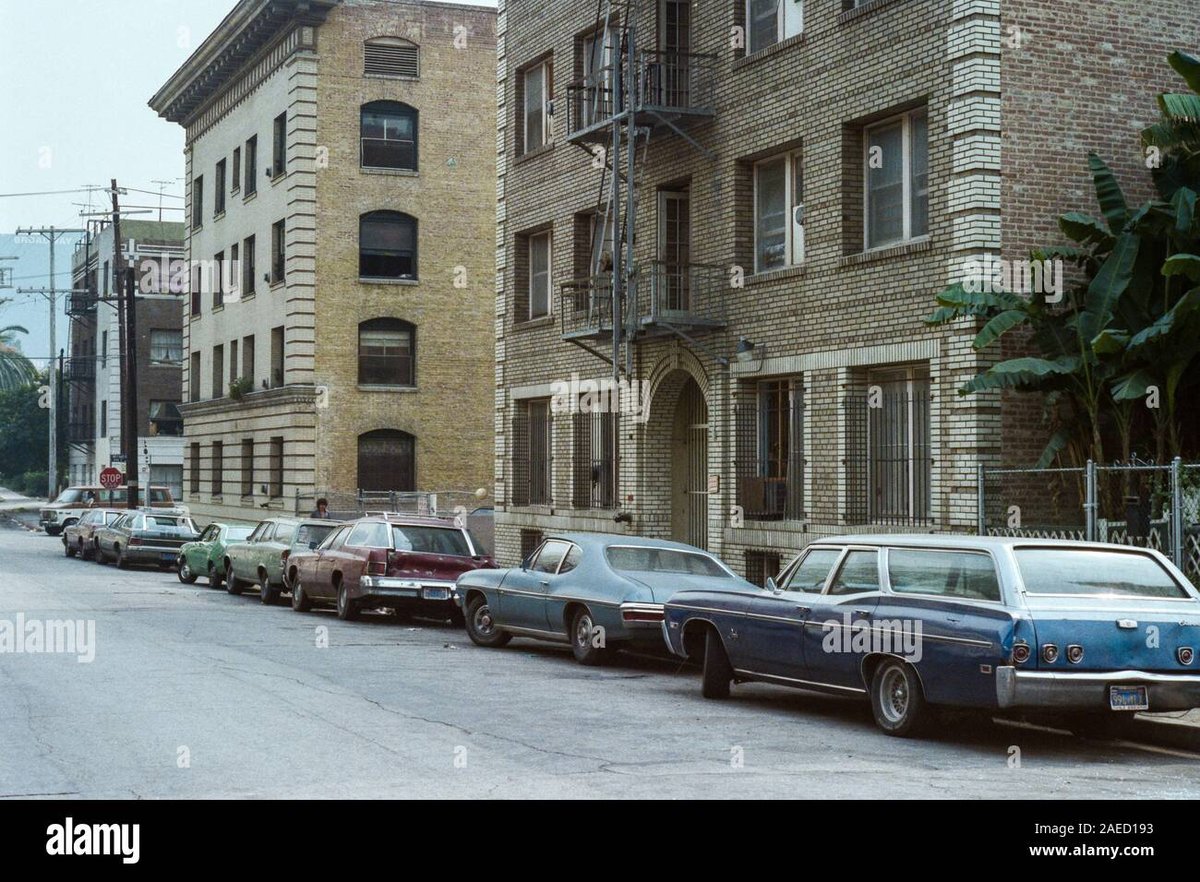
The year 1985 in the United States wasn’t just another notch on the calendar; it was a pivot point. Against the backdrop of Ronald Reagan’s second term, the country saw a remarkable acceleration in both its technological landscape and its cultural identity. This wasn’t merely evolution; it was a foundational retooling, laying groundwork for much of the digital and media-saturated world we inhabit today, all while navigating the geopolitical currents of the Cold War.
At a Glance: What Defined USA in 1985’s Tech and Culture
- Political Continuity & Cold War Undercurrents: President Reagan’s second term solidified conservative leadership, but ongoing global tensions, particularly with the Soviet Union, profoundly influenced national priorities and technological development.
- Personal Computing’s Leap Forward: Key hardware (Intel 386, Amiga) and software (Windows 1.0 precursor, graphical interfaces) moved computing from niche to nascent mainstream, driven by accessibility and increasing functionality.
- Pop Culture as a Global Force: From charity anthems to blockbuster movies and the birth of wrestling extravaganzas, media leveraged new distribution channels like cable TV, solidifying its reach and influence.
- The Rise of Digital Entertainment: The Nintendo Entertainment System (NES) began its journey, forever altering home entertainment and setting the stage for the gaming industry.
- Societal Shifts & Public Awareness: Major events, from the AIDS epidemic’s growing visibility to high-profile criminal cases and a year dubbed “The Year of the Spy,” reflected a complex, rapidly changing society.
- Communication & Information Infrastructure: ARPANET’s continued growth and the launch of specialty cable channels hinted at a future where information would be ubiquitous.
The Reagan Era’s Unwavering Gaze: Politics and Its Tech Undercurrents
In 1985, President Ronald Reagan and Vice President George H.W. Bush began their second term, a period that cemented the “Reagan Era” in American political history. This continuity wasn’t just about leadership; it was about solidifying a particular vision for America, both domestically and on the global stage. The Cold War remained the dominant geopolitical reality, influencing everything from defense spending to public sentiment. Reagan’s “Doctrine,” aimed at countering Soviet influence globally, spurred investment in military technology, creating a high-stakes environment for innovation.
While the federal budget deficit swelled to a record $189 billion and inflation hovered around 5.5%, these economic challenges often fueled rather than hindered technological ambition, particularly in sectors that could promise efficiency or military advantage. The year was even dubbed “The Year of the Spy” due to numerous high-profile arrests, a stark reminder of the ongoing intelligence war and the need for robust—and increasingly digital—security. The clandestine beginnings of the Iran-Contra affair in August, involving secret arms shipments and hostage exchanges, further underscored the complex, often shadowy, interplay between foreign policy, national security, and covert operations, which often relied on cutting-edge communication and intelligence gathering tech.
From Niche to Necessity: The Personal Computing Revolution Takes Hold
If 1984 introduced the Apple Macintosh with its revolutionary graphical user interface (GUI), 1985 was the year personal computing started to truly entrench itself in the American psyche and economy. This wasn’t merely about faster machines; it was about a paradigm shift in how people interacted with technology and, by extension, information.
The Intel 386: A Foundational Leap
Perhaps no single component better illustrates this leap than the Intel 80386 (386) microprocessor, released in October. This wasn’t just a bigger, faster chip; it was a fundamental architectural advancement. The 386 was a 32-bit processor that introduced features like protected mode, enabling operating systems to access gigabytes of RAM and manage virtual memory efficiently. This meant multitasking—running several programs simultaneously without them crashing into each other—became a practical reality.
Practical Insight: For software developers, the 386 was a game-changer. It allowed for the creation of far more complex and stable applications, moving computing beyond simple command-line operations to the rich graphical environments that would soon become standard. Think of it as opening the door for today’s resource-intensive applications and sophisticated operating systems.
Windows 1.0 and the Amiga: Expanding Horizons
While not yet the dominant force it would become, Microsoft’s release of Windows 1.0 in November was a crucial step. It offered a graphical shell for DOS, an early attempt to bring the intuitive, icon-driven experience of the Macintosh to IBM-compatible PCs. Although initial reception was mixed, it signaled Microsoft’s strategic direction towards user-friendly interfaces.
Simultaneously, Commodore launched the Amiga personal computer in July, a machine celebrated for its advanced graphics and sound capabilities. The Amiga quickly found a loyal following among multimedia enthusiasts and developers, showcasing the potential for personal computers to be powerful creative tools, not just business machines.
Case Snippet: The GUI’s Inevitable March
The traction gained by the Macintosh, the release of Windows 1.0, and the Amiga’s multimedia prowess demonstrated a clear trend: the future of computing was visual and intuitive. This laid the essential groundwork for widespread adoption, making computers less intimidating and more accessible to the average American consumer. Businesses began to recognize the productivity gains from GUI-driven applications, moving from specialist tools to everyday office staples.
ARPANET’s Quiet Growth and Productivity Software Refinements
Behind the scenes, ARPANET, the precursor to the internet, continued its steady growth, with the evolution of TCP/IP becoming the standard communication protocol. While not yet a household term, this expanding network infrastructure was silently building the backbone for future global connectivity. Simultaneously, productivity software—spreadsheets like Lotus 1-2-3 and word processors like WordPerfect—were refined, becoming more powerful and indispensable in offices, streamlining tasks and boosting efficiency. This ongoing refinement of core software applications, combined with burgeoning hardware capabilities, defined a quiet but significant year for digital evolution.
The Beat Goes On: Pop Culture’s Reshaping Force
If tech was the engine, pop culture was the vibrant, often loud, expression of the USA in 1985. The year was an explosion of creativity that leveraged new technologies and media platforms to reach unprecedented audiences.
Blockbusters and Brat Packs
Hollywood delivered iconic films that defined a generation. “Back to the Future,” released in July, became the highest-grossing film of the year, a touchstone of sci-fi adventure that encapsulated a hopeful, yet slightly nostalgic, view of America. John Hughes’ “The Breakfast Club,” premiering in February, became the quintessential “Brat Pack” film, capturing the anxieties and camaraderie of high school life and speaking directly to teenage audiences. These films weren’t just entertainment; they were cultural touchstones, shaping conversations and influencing fashion and attitudes.
Music for a Cause: “We Are the World” and Live Aid
Music made a powerful statement in 1985. In January, “We Are the World” was recorded by USA for Africa, featuring an unprecedented gathering of superstars like Michael Jackson and Lionel Richie. This charity single became a global phenomenon, raising millions to combat famine in Ethiopia. Just six months later, in July, the Live Aid concerts in Philadelphia and London amplified this spirit of global philanthropy, raising over £50,000,000. These events weren’t just concerts; they were massive media spectacles, broadcast globally, demonstrating the immense power of popular culture and technology (satellite TV, mass media) to mobilize for social good.
While our focus here is on the domestic landscape of usa in 1985, the broader global shifts of the year further highlight its significance. For a more comprehensive look at how 1985 resonated worldwide, explore How 1985 reshaped our world.
The Rise of Cable and Gaming
Cable television continued its expansion, offering more specialized content and fragmenting the traditional broadcast audience. June saw the launch of the Discovery Channel, bringing educational and documentary programming to the masses, while July brought Nick at Nite, catering to a nostalgic adult audience with classic TV shows. This proliferation of channels laid the groundwork for today’s vast streaming landscape, fundamentally altering how Americans consumed visual media.
Crucially, October marked a moment that would forever change home entertainment: the release of the Nintendo Entertainment System (NES) in U.S. stores. While initially a limited launch, the NES wasn’t just another video game console; it was a phenomenon that revitalized the flagging video game industry after the crash of 1983. Its iconic games and innovative marketing made gaming a mainstream pastime, introducing countless Americans to interactive digital entertainment.
America’s Pulse: Social Realities and Emerging Challenges
Beyond the headlines of tech and pop culture, 1985 was a year grappling with significant societal challenges and changes, reflecting the complex texture of the Reagan era.
Public Health and Social Awareness
The AIDS epidemic, though identified earlier, gained significant public attention in 1985. In March, the FDA approved the first blood test for AIDS, a critical step for screening blood donations and understanding the virus’s spread. This move was crucial for public health but also highlighted the growing fear and misunderstanding surrounding the disease. Later in the year, 13-year-old Ryan White, expelled from school due to AIDS, attended classes via telephone, bringing the human face of the epidemic into public discourse.
Landmark Legal and Criminal Cases
The year also brought stark reminders of social tensions and the darker side of American life. In May, the Philadelphia police stormed the MOVE headquarters with an explosive device, leading to a tragic fire that killed 11 people and destroyed 61 homes, a severe failure of urban crisis management. High-profile criminal cases, like the capture of the “Night Stalker” serial killer Richard Ramirez in August, gripped the nation, showcasing the raw anxieties of urban living. The Unabomber continued his terror, injuring John Hauser at UC Berkeley in May, indicating a new, technologically sophisticated form of domestic extremism.
Consumer Power and Brand Building
The Coca-Cola company made one of the most infamous marketing blunders in April by releasing New Coke. The overwhelming negative public response forced the company to bring back the original formula in under three months, a powerful testament to consumer loyalty and the emotional connection people have to brands. Elsewhere, the Tommy Hilfiger brand was established, entering a competitive fashion landscape and eventually becoming a staple of 90s style. These moments, both triumphant and cautionary, underscored the burgeoning power of consumer culture in the USA in 1985.
Practical Playbook: Leveraging the Lessons of ’85
The dynamics of usa in 1985 offer valuable lessons for innovators, marketers, and anyone looking to understand the interplay of technology and culture.
- Embrace Incremental Innovation with a Vision: The 386 chip wasn’t a finished product, but a foundational platform for future innovation. Windows 1.0 was imperfect but pointed towards a GUI-driven future. Don’t wait for perfection; release viable solutions that align with a clear long-term vision.
- Example: If launching a new software, prioritize core functionality but ensure the architecture supports future graphical interfaces and multitasking, anticipating user demand for ease-of-use.
- Understand the Power of Shared Experience (and New Media): “We Are the World” and Live Aid demonstrated the unprecedented power of media to unite people for a cause. The NES showed how new tech could create shared experiences.
- Actionable Advice: When building community or launching a campaign, identify emerging media channels (like cable in ’85) and consider how to create large-scale, memorable shared experiences. Think viral social media campaigns that leverage real-world events.
- Consumer Loyalty is Sacred: The New Coke debacle proves that consumers have deep attachments to brands and products. Tinkering with established favorites without understanding emotional ties can be disastrous.
- Decision Point: Before major product changes, conduct thorough market research that goes beyond features to understand emotional connection. Consider limited-release “experiments” rather than mass rollouts for controversial changes.
- Security and Privacy Become Paramount with Tech Adoption: “The Year of the Spy” and the Unabomber’s use of explosives showed the dark side of increasing technological capabilities. As technology became more integrated, so did the risks.
- Implementation Tip: For any new tech product or service, embed security and data privacy considerations from the very first design phase, anticipating potential misuse or vulnerabilities.
- Look for Cross-Industry Synergies: The Cold War drove defense tech, which sometimes spun off civilian applications. Pop culture leveraged new cable channels.
- Strategy: Identify seemingly unrelated industries that are undergoing rapid transformation. Could advancements in AI for healthcare be adapted for finance? Could gaming engines revolutionize architectural visualization?
Quick Answers: Common Questions about USA in 1985
Q: Was 1985 truly a tech revolution, or just incremental changes?
A: It was a blend, but with revolutionary foundations. While some changes seemed incremental (e.g., software refinements), key innovations like the Intel 386 processor and the emergence of GUI-centric operating systems (Windows 1.0 following Macintosh) laid the crucial groundwork for the widespread adoption and capabilities of modern computing. It democratized powerful technology for the masses, making it revolutionary in its long-term impact.
Q: How did the political climate of the Reagan era influence cultural trends in 1985?
A: The Reagan era fostered a sense of renewed American optimism and economic confidence, which often translated into aspirational pop culture (e.g., “Back to the Future”). However, underlying tensions like the Cold War and social challenges (AIDS epidemic, urban unrest) also created a counter-current, leading to movements like charity rock (“We Are the World,” Live Aid) and films exploring social alienation (“The Breakfast Club”). The era’s focus on individual initiative and consumerism also fueled the growth of brands and personalized tech.
Q: What was the lasting impact of “The Year of the Spy” in 1985?
A: “The Year of the Spy” highlighted the intense realities of the Cold War’s intelligence battle, making Americans more acutely aware of espionage threats. While it didn’t fundamentally alter U.S. counter-intelligence operations overnight, it certainly put pressure on agencies to enhance their capabilities and underscored the vulnerability of sensitive information, driving further investment in secure communication and intelligence technology, a precursor to today’s focus on cybersecurity.
The Enduring Echoes of ’85
The year 1985 in the USA was far more than a collection of events; it was a powerful confluence of political will, technological breakthrough, and cultural expression that profoundly shaped the Reagan era and charted a course for decades to come. From the unseen power of the 386 chip sparking the multitasking revolution, to the collective global empathy of Live Aid broadcast across burgeoning cable networks, to the quiet launch of the NES setting the stage for an entertainment empire, 1985 was a year of tangible beginnings. These shifts weren’t just about new products; they were about new ways of working, playing, connecting, and understanding the world around us—foundations upon which much of our modern digital and media landscape is built.










