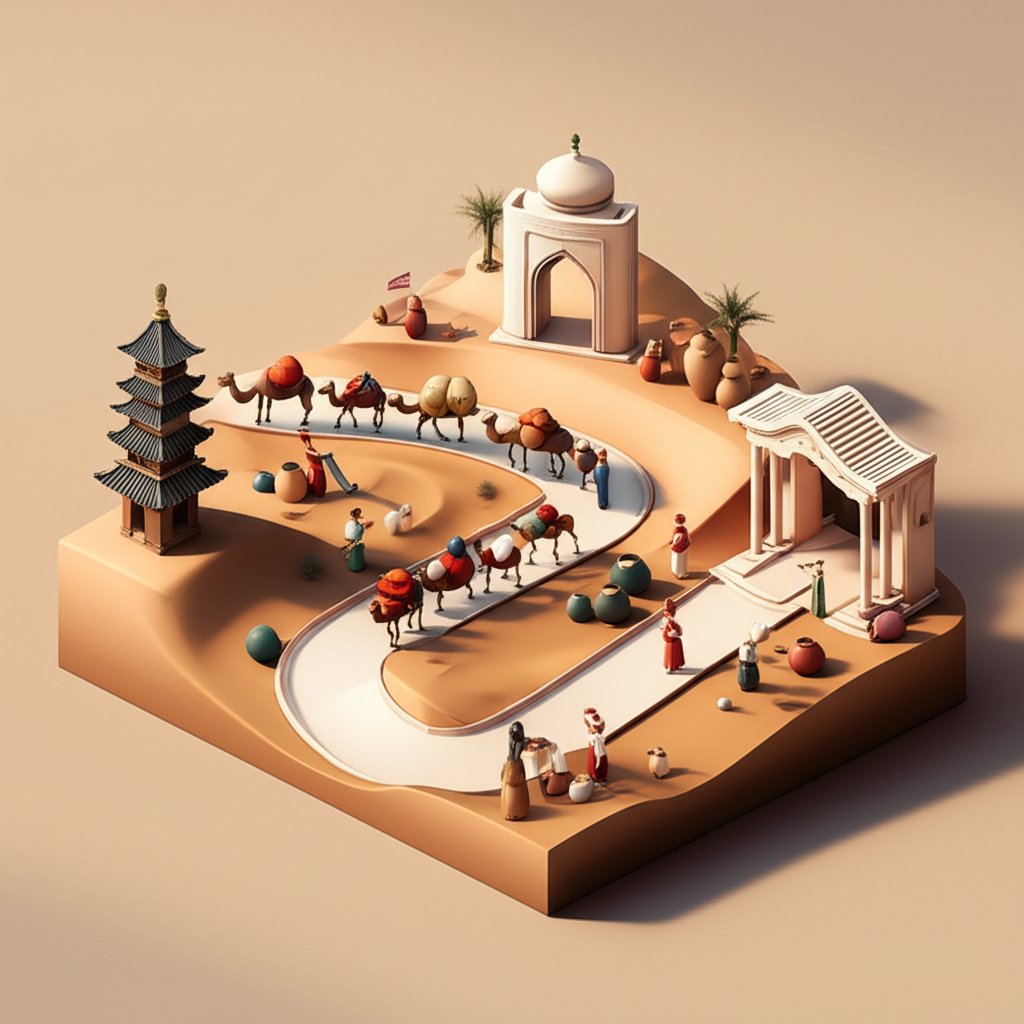
Forget the conventional image of dusty caravans laden solely with silk and spices. The Silk Road was far more than a trade route; it was a profound cultural revolution that reshaped the ancient world. For nearly two millennia, this intricate network of land and sea pathways served as a colossal engine of exchange, transporting not just silk road goods but also groundbreaking silk road technologies, transformative religious beliefs, and artistic innovations across vast continents. To truly understand its significance is to embark on a journey through silk road history, revealing an unparalleled era of global interaction that laid the foundations for our interconnected modern world.
This article will delve into the multifaceted silk road cultural impact, exploring how this ancient superhighway fostered an unprecedented blending of civilizations, ignited technological breakthroughs, and left an indelible mark on everything from art and architecture to language and daily life. Prepare to uncover the dynamic forces that propelled this cultural exchange and cemented the Silk Road’s legacy as a pivotal chapter in human history.
The Grand Tapestry of Silk Road History: From Origins to Zenith
The narrative of the Silk Road is a sprawling epic, spanning centuries and encompassing diverse empires, peoples, and innovations. Its silk road history is not a linear story but a series of interconnected movements, periods of intense activity, and moments of decline, all contributing to its enduring legend.
Tracing the Ancient Routes: Early Beginnings and Key Dynasties
While the term “Silk Road” was coined in the 19th century by German geographer Ferdinand von Richthofen, the routes themselves predate this naming by millennia. Early forms of exchange existed between nomadic tribes and settled agricultural societies as far back as the Neolithic age. However, the true genesis of the Silk Road as a structured network is often attributed to the Han Dynasty of China (206 BCE – 220 CE). It was during this period that Emperor Wu dispatched emissary Zhang Qian westward in the 2nd century BCE, opening official relations and trade with Central Asian kingdoms. This diplomatic and exploratory mission solidified the easternmost links of the future network, primarily driven by China’s desire for the “heavenly horses” of Ferghana and the lucrative trade in Chinese silk.
Initially, the routes were perilous, traversing vast deserts, towering mountains, and treacherous steppes. Protection was often provided by powerful nomadic groups like the Xiongnu, who, despite occasional conflicts, played a role in facilitating trade. Over time, Roman demand for silk in the West further stimulated the expansion, creating a grand chain of intermediaries that connected the Mediterranean world to the heart of East Asia.
Major Empires and the Silk Road's Golden Age
The silk road history saw its most vibrant periods under the patronage of powerful empires that controlled large segments of its pathways.
The Han Dynasty’s influence on trade also spurred sophisticated financial instruments along these routes, and the commercial practices of the time, including the use of credit, as further discussed in our article on how credit was commercially practiced on silk roads, helped facilitate long-distance exchange.
These empires, through their administrative power, military might, and cultural dynamism, transformed the Silk Road from a series of disjointed paths into a cohesive and bustling global artery.
The Decline and Enduring Legacy of the Old World Order
The decline of the Silk Road as the primary conduit of East-West exchange was not abrupt but a gradual process influenced by several factors. The rise of maritime trade routes, particularly after the Age of Discovery in the 15th century, offered a safer, more efficient, and often cheaper alternative for transporting bulkier silk road goods. Political instability and shifting geopolitical landscapes in Central Asia also contributed to its waning importance. While the overland routes never fully ceased to function, their prominence diminished significantly.
However, the silk road history did not end; it merely transformed. Its legacy lives on in the cultural tapestries of nations, the architectural marvels across Eurasia, and the very concept of global interconnectedness. It reminds us that trade is never just about commerce; it’s about the profound and often unpredictable consequences of human interaction.
Beyond Silk and Spices: The Diverse Silk Road Goods That Shaped Economies
While silk undoubtedly lent its name to the routes and spices were highly coveted, the spectrum of silk road goods was astonishingly diverse, driving economies, inspiring innovations, and altering lifestyles across the world. The exchange went far beyond luxury items, encompassing everything necessary for daily life and strategic advantage.
Luxury Commodities: Silk, Gold, and Precious Stones
- Silk: The quintessential silk road good, Chinese silk was a highly guarded secret and a powerful symbol of status in the Roman and later Byzantine empires. Its lightweight, lustrous quality made it ideal for long-distance transport and a prized possession among the elite. The desire for silk was a primary driver for initial Western engagement with the East.
- Gold and Silver: These precious metals flowed in both directions, often used as currency or for crafting elaborate jewelry and religious artifacts. Rome famously exported vast amounts of gold to pay for Eastern luxuries, leading to occasional economic concerns in the West.
- Precious Stones: Jade from Central Asia, lapis lazuli from Afghanistan, and various gemstones from India (like rubies and emeralds) were highly sought after for adornment and imperial regalia.
- Spices: From India and Southeast Asia, spices like pepper, cinnamon, cloves, and nutmeg traveled westward, transforming European cuisine and acting as preservatives and medicines. The demand for spices was so intense it eventually spurred European maritime exploration.
- Other Luxuries: Exotic perfumes, vibrant dyes, rare medicinal herbs, and even exotic animals (peacocks, elephants) were also part of this high-value trade.
Staple Products and Everyday Necessities
Beyond the glittering luxuries, the Silk Road was crucial for the exchange of more common, yet vital, silk road goods that impacted daily life for millions.
Raw Materials and Industrial Exchange
The Silk Road also facilitated the movement of raw materials essential for various crafts and industries, demonstrating its role in a pre-industrial global supply chain.
The Economic Impact and Wealth Creation
The trade in these diverse silk road goods had a monumental economic impact. It led to:
The exchange of silk road goods was the lifeblood of this ancient network, underpinning its rise and profoundly shaping the economic landscapes of countless civilizations.
A Nexus of Innovation: The Silk Road Technologies That Transformed Civilizations
The Silk Road was not merely a channel for finished products; it was a vibrant conduit for the transfer of knowledge, ideas, and, crucially, silk road technologies. These innovations, originating from diverse civilizations, journeyed across continents, sparking further advancements and fundamentally altering societies from East to West and beyond. The diffusion of these technologies represented a quiet but powerful cultural revolution.
Revolutionary Advancements from East to West
Many of the most significant silk road technologies originated in China and spread westward, dramatically impacting the course of human development.
Agricultural Innovations and Resource Management
Beyond major inventions, the Silk Road facilitated critical exchanges in agriculture and resource management, enhancing food security and societal development.
Architectural and Engineering Marvels
Building techniques and architectural styles also crossed continents, blending local traditions with foreign influences.
Maritime and Land Transportation Innovations
The very means of transport saw technological advancements influenced by Silk Road interactions.
The exchange of silk road technologies was a testament to human ingenuity and the power of cross-cultural collaboration. It highlights how the movement of people, whether merchants, scholars, or refugees, catalyzed a continuous stream of innovation that profoundly shaped human civilization – a true cultural revolution in technological diffusion.
The Silk Road Cultural Revolution: A Global Melting Pot of Ideas and Beliefs
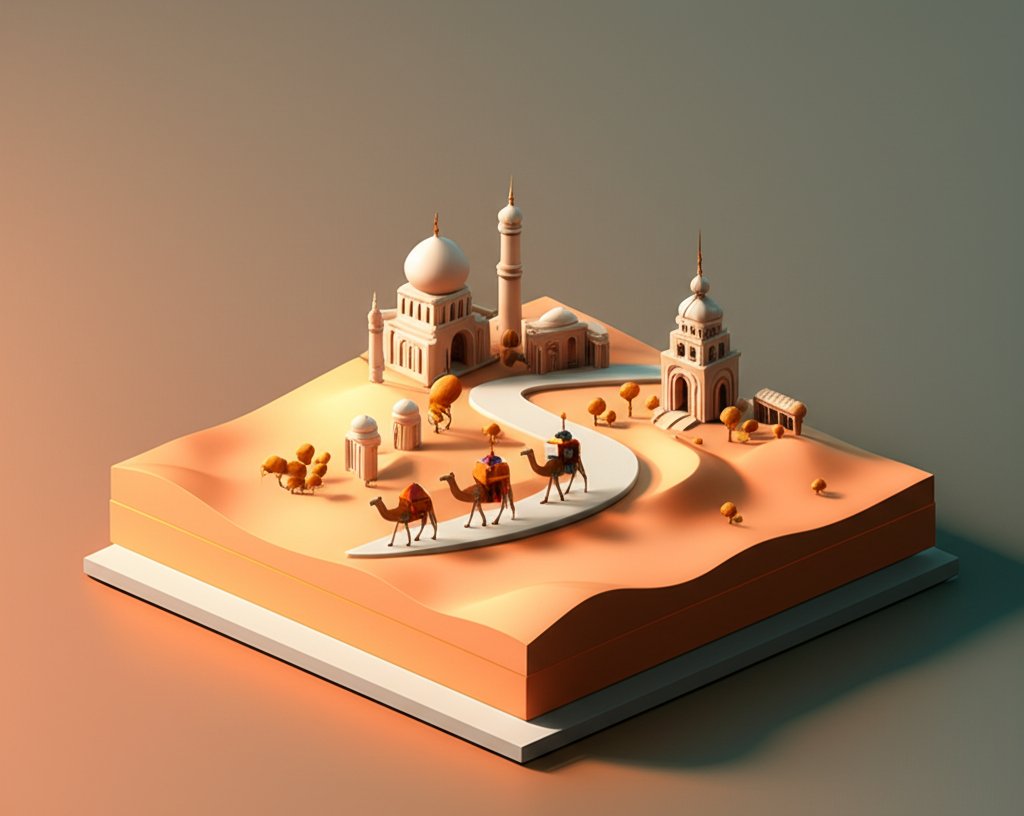
The most enduring and transformative aspect of the Silk Road was arguably its role as a catalyst for a sweeping cultural revolution. Far from a one-way street, it was a dynamic, multi-directional exchange of ideas, faiths, artistic styles, languages, and philosophies, creating a vibrant, interconnected world where East truly met West. The resultant silk road cultural impact shaped societies for centuries.
Religious Diffusion: Buddhism, Christianity, and Islam’s Journey
The Silk Road was the primary vehicle for the greatest religious migrations in history, profoundly altering the spiritual landscape of Eurasia.
This religious intermingling often led to unique forms of syncretism, where local beliefs merged with new dogmas, demonstrating the adaptive nature of faith and the deep silk road cultural impact.
Art, Architecture, and Artistic Impact Across Continents
The Silk Road fostered an unparalleled fusion of artistic styles and architectural forms, resulting in a rich tapestry of cultural expression.
Linguistic and Philosophical Exchanges
The constant movement of peoples also facilitated a significant exchange of languages and philosophical thought.
The Blending of Cuisines and Lifestyle Practices
Beyond the grand narratives, the Silk Road also brought about subtle but significant changes in daily life, impacting local cuisines, fashion, and social customs.
The silk road cultural revolution was a testament to the fact that ideas, beliefs, and artistic expressions are as vital to trade as any tangible commodity. It created a profoundly interconnected ancient world, demonstrating the human capacity for adaptation, innovation, and cultural blending.
Enduring Silk Road Cultural Impact: Shaping Modern Societies
The Silk Road may have ceased to be the dominant global trade network centuries ago, but its cultural impact is anything but diminished. Its legacy resonates deeply in the fabric of modern societies, offering invaluable lessons about globalization, diversity, and interconnectedness. Understanding silk road history helps us grasp the roots of today’s complex world.
The Birth of Multiculturalism and Cosmopolitan Centers
One of the most profound and lasting silk road cultural impacts was the genesis of multiculturalism. Cities along the routes, such as Samarkand, Bukhara, Merv, and Chang’an, became true cosmopolises – vibrant hubs where people of diverse ethnicities, languages, and religions lived, worked, and exchanged ideas.
Modern Echoes: Globalization and Interconnectedness
The Silk Road provides a historical blueprint for understanding modern globalization. The patterns of trade, technological diffusion, and cultural exchange that characterized the ancient routes bear striking resemblances to the forces shaping our world today.
Lessons from Silk Road History for Today’s World
Studying the Silk Road offers critical insights for navigating the complexities of our contemporary globalized society.
The enduring silk road cultural impact is a testament to the transformative power of human connection. It serves as a powerful reminder that our present globalized world is not a new phenomenon, but rather the latest iteration of a dynamic process that began millennia ago along the fabled Silk Road.
Conclusion
The Silk Road was far more than a collection of trade routes; it was a crucible of transformation, a monumental cultural revolution that irrevocably shaped the course of human history. From its ancient origins to its zenith under powerful empires, the Silk Road facilitated an unparalleled exchange of silk road goods, sparking economic growth and urban development across Eurasia. Crucially, it became a superhighway for silk road technologies, spreading innovations like papermaking and gunpowder that fundamentally altered societies and warfare.
Yet, its most profound legacy lies in its cultural impact: the unprecedented diffusion of religions like Buddhism, Christianity, and Islam; the blending of artistic styles and architectural forms; and the vibrant exchange of languages, philosophies, and daily practices. The Silk Road laid the groundwork for multicultural societies, demonstrating the power of shared knowledge and mutual influence. Its story reminds us that human progress is often born from interaction and interdependence, mirroring the challenges and opportunities of our own interconnected era.
By delving into the rich tapestry of the Silk Road, we gain not just historical knowledge, but a deeper understanding of the forces that continue to shape our globalized world. It is a timeless testament to human curiosity, ingenuity, and the enduring quest for connection and exchange.
FAQ Section
What exactly was the silk road cultural revolution?
The silk road cultural revolution refers to the profound and widespread transformation of societies across Eurasia due to the unprecedented exchange of ideas, beliefs, technologies, and artistic styles facilitated by the Silk Road. It wasn’t a political revolution, but a fundamental shift in cultural landscapes, creating multicultural centers and blending diverse traditions.
What were the most significant silk road cultural impacts?
The most significant silk road cultural impacts include:
When did silk road history begin and end?
The origins of silk road history can be traced to early forms of trade around 200 BCE (with Han Dynasty China’s opening to the West), and it flourished for over 1,500 years. Its peak period was generally from the 1st century BCE to the 14th century CE. While overland trade never truly ceased, its prominence declined significantly with the rise of maritime trade routes starting in the 15th century and the Age of Discovery.
List some key silk road goods traded.
Beyond its namesake, silk road goods included:
What silk road technologies had the biggest global impact?
The silk road technologies with the biggest global impact were:
How did the Silk Road influence art and architecture?
The Silk Road profoundly influenced art and architecture by facilitating the blending of diverse styles. This led to phenomena like Greco-Buddhist art, which depicted the Buddha with Hellenistic features. Architectural innovations, such as dome construction techniques and the design of caravanserais, spread across continents. Artistic motifs, carving styles, and painting techniques were also exchanged, creating new hybrid forms unique to the cultures along the routes.
Did the Silk Road only carry physical goods?
No, the Silk Road carried much more than just physical silk road goods. It was a crucial conduit for the exchange of:
This intangible exchange defines its profound cultural impact and historical significance.










