
Dreaming of a wardrobe that evokes the breathtaking vastness of the desert, the rich history of ancient cultures, and the vibrant spirit of the American Southwest? Authentic Southwestern clothing is more than just a fashion statement; it’s a living narrative woven into every thread, a testament to enduring artistry and a deep connection to the land. This ultimate guide will take you on an in-depth journey through the heart of Southwestern style, exploring its profound history, iconic elements, ethical considerations, and how to build a truly authentic and respectful Southwestern apparel collection that honors tradition while embracing modern flair.
Decoding Authentic Southwestern Clothing: A Tapestry of Culture and Craft

The allure of the Southwest lies in its unique blend of cultures, landscapes, and traditions. This fusion is nowhere more evident than in its distinctive clothing. Understanding the origins and characteristics of Southwestern clothing is key to appreciating its depth and ensuring your choices are truly authentic.
The Rich History: Indigenous Roots, Spanish Influences, and American Spirit
The story of Southwestern clothing is a vibrant mosaic, shaped over centuries by the Indigenous peoples who first inhabited these lands, the Spanish colonists who arrived in the 16th century, and the Anglo-American settlers and traders of later eras.
- Indigenous Foundations: Long before European arrival, Native American tribes such as the Navajo, Pueblo, Zuni, Hopi, Apache, and Ute developed sophisticated textile traditions. Using natural fibers like cotton, yucca, and later wool (introduced by the Spanish), they created intricate weavings, distinct dyeing techniques, and garments adapted to the desert climate. Each tribe developed unique patterns, symbols, and forms of dress, imbued with spiritual meaning and cultural identity. For example, Navajo weavers became renowned for their elaborate rug and blanket designs, which eventually influenced early trade blankets and later, fashion.
- Spanish Colonial Impact: The Spanish introduced sheep, bringing wool to the forefront of textile production, and new weaving techniques. They also ushered in new garment types, such as the serape and poncho, and intricate embroidery styles. Silverwork, too, saw a blending of Spanish and Indigenous techniques, leading to the iconic turquoise and silver jewelry we associate with the Southwest today.
- Anglo-American Influence and Trade: The arrival of American settlers and the establishment of trading posts in the 19th and early 20th centuries further diversified Southwestern style. Commercial dyes became available, and manufactured goods influenced local designs. The “Western wear” aesthetic, with its cowboy boots, hats, and denim, also began to integrate with traditional Southwestern elements, creating new interpretations. This period also saw the rise of iconic brands like Pendleton, whose wool blankets became highly sought after by Native American communities and later, by a broader market, becoming synonymous with the region’s style.
This layered history means that authentic Southwestern clothing is a continuous dialogue between these diverse influences, evolving while drawing strength from its deep roots.
The skills and artistry displayed in these Indigenous textiles demonstrate a deep understanding of garment construction, echoing a fascinating longer history of dressmaking and tailoring that continues to inspire designers today.
Defining Elements of Southwestern Style: Colors, Patterns, Textures
Southwestern style is instantly recognizable, characterized by a distinct aesthetic that mirrors the region’s breathtaking environment and rich cultural heritage.
- Earth-Toned Color Palettes: Drawing directly from the desert landscape, colors often include terracotta, sand, adobe red, sage green, sky blue, and various shades of brown and charcoal. These are frequently punctuated by vibrant jewel tones like turquoise, coral, lapis lazuli, and fuchsia, reminiscent of desert sunsets, native flora, and precious stones.
- Intricate Patterns and Motifs: Geometric designs are hallmark features, often inspired by natural elements (mountains, rivers, stars), spiritual symbols, or traditional weaving patterns. Common motifs include zigzags, diamonds, stripes, chevrons, and stepped patterns. These designs often carry deep cultural significance, particularly in Native American clothing and textiles.
- Rich Textures and Natural Fibers: The style favors tactile materials. Think hand-woven wool (especially Navajo Churro wool or Pendleton), soft, breathable cotton, supple leather, and suede. These materials not only ground the aesthetic but also speak to the functionality and durability required in the Southwestern climate. Details like fringe, embroidery, conchos (silver discs), and natural stone embellishments add further tactile interest.
- Rugged Yet Refined Silhouettes: Garments often blend practical, comfortable shapes with artisanal detailing. Loose-fitting tunics, flowing skirts, sturdy jackets, and comfortable shirts form the backbone, allowing for movement and adaptability while showcasing intricate patterns and expert craftsmanship.
What Makes Southwestern Clothing “Authentic”?
The term “authentic” is frequently debated and deeply important when discussing authentic Southwestern clothing. It goes beyond mere aesthetics, encompassing provenance, craftsmanship, and cultural integrity.
- Provenance and Origin: Truly authentic Southwestern clothing or Southwestern apparel often comes directly from the region (Arizona, New Mexico, Texas, Utah, Colorado, Southern California) and, crucially, from the cultural groups whose traditions inform the style. The most authentic pieces are handcrafted by Indigenous artisans or by designers working in respectful, collaborative relationships with these communities.
- Traditional Materials and Techniques: Authenticity often resides in the use of historically relevant materials (e.g., hand-spun wool, naturally dyed fibers, genuine sterling silver, natural turquoise) and traditional crafting techniques (e.g., loom weaving, hand-stamping silver, intricate beadwork, leather tooling).
- Cultural Significance and Respect: A garment is authentic when it genuinely reflects the cultural heritage it draws upon, rather than merely appropriating superficial elements. This means respecting symbols, patterns, and forms that may hold deep meaning, and ensuring that the creators are recognized and fairly compensated.
- Avoiding “Inauthentic” Imitations: The market is flooded with “Southwestern-inspired” items that are mass-produced, use synthetic materials, or mimic designs without understanding their cultural context. While these can be part of a broader “Southwestern style,” they generally lack the authenticity of pieces made by Indigenous artisans or ethical regional producers. The term “authentic” implies a direct connection to the cultural heritage and craftsmanship of the Southwest.
Essential Southwestern Apparel: Iconic Garments and Materials
To truly embrace Southwestern style, it’s essential to recognize the key pieces of Southwestern apparel and the materials that define them. These elements are not just fashion items but often carry historical weight and cultural narratives.
From Ponchos to Turquoise: Key Pieces of Southwestern Attire
Certain garments and accessories are synonymous with the region, forming the cornerstone of any authentic Southwestern clothing collection.
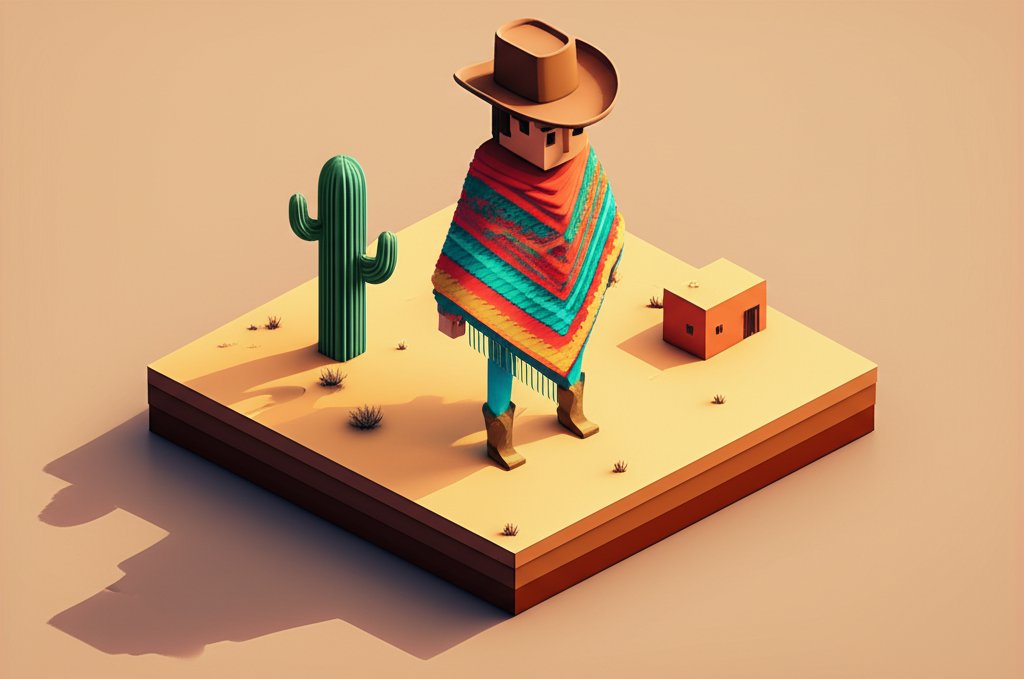
- Ponchos and Serapes: These versatile, often rectangular woven textiles worn over the head are iconic. Serapes, typically more decorative with vibrant stripes and patterns, originated in Mexico and became integral to early Southwestern attire. Ponchos, similar but often heavier, offer warmth and a distinctive silhouette.
- Woven Jackets and Coats: Often made from wool or a wool blend, these jackets feature bold geometric patterns, sometimes with fringe details. They serve as a stylish and practical outerwear option, embodying the rugged elegance of the Southwest.
- Tunics and Blouses: Loose-fitting, embroidered, or patterned tunics are staple Southwestern apparel. They pair well with skirts, jeans, or leggings, offering comfort and an effortlessly chic look. Intricate embroidery, often in contrasting colors, is a common embellishment.
- Leather and Suede Garments: From fringe jackets and vests to skirts and trousers, leather and suede are fundamental to Southwestern style. They speak to the region’s ranching history and provide durability and a classic, earthy aesthetic. Often adorned with tooling, lacing, or conchos.
- Denim: While a broader American staple, denim jeans and jackets are integral to the casual, sturdy side of Southwestern clothing, often paired with more traditional pieces.
- Skirts and Dresses: Flowing maxi skirts, often with tiered layers or vibrant prints, and dresses in natural fabrics like cotton or linen are popular for their comfort and breezy feel in warmer climates.
- Boots: Cowboy boots or intricately embroidered ankle boots are the quintessential footwear, combining practicality with unmistakable Western flair.
The Fabric of the Southwest: Wool, Cotton, Leather, and Beyond
The materials chosen for Southwestern apparel are deeply connected to the regional environment and historical availability.
- Wool: The undisputed king of Southwestern textiles.
- Navajo Churro Wool: A coarser, durable wool from sheep introduced by the Spanish, prized by Navajo weavers for its strength and natural colors.
- Pendleton Wool: While not Indigenous, Pendleton Woolen Mills has a long history of producing high-quality wool blankets and fabrics with designs inspired by Native American clothing and motifs, becoming a significant part of the broader Southwestern style.
- Hand-spun and Hand-dyed Wools: Artisans often use traditional methods to spin and dye wool, creating unique textures and rich, natural hues.
- Cotton: Breathable and comfortable, cotton was cultivated and woven by Indigenous peoples like the Pueblo long before European contact. It remains a popular choice for lighter garments, especially in warmer months.
- Leather and Suede: Essential for durability and style, used for jackets, vests, skirts, accessories, and footwear. Often tanned using traditional methods and adorned with tooling, fringe, or other embellishments.
- Natural Stone and Metals: Turquoise (mined extensively in the Southwest), coral, onyx, lapis, and various shells are central to Southwestern jewelry. Sterling silver is the preferred metal, often hand-stamped, cast, or set with stones.
The Enduring Allure of Native American Jewelry and Accessories
No discussion of Southwestern style is complete without acknowledging the profound importance of Native American clothing accessories, particularly jewelry. These pieces are often art forms in themselves, carrying deep cultural and spiritual significance.
- Turquoise and Sterling Silver Jewelry: This iconic combination is perhaps the most recognized element. Different tribes have distinct styles:
- Navajo: Known for heavy gauge silver, often with large, unpolished turquoise stones, and intricate stamp work. Concho belts are a signature Navajo creation.
- Zuni: Renowned for their intricate inlay work (setting small, precisely cut stones into a mosaic pattern) and fetish carvings. Needlepoint and petit point (tiny, hand-cut stones set in elaborate patterns) are also characteristic.
- Hopi: Famous for overlay silverwork, where two layers of silver are used, with the top layer cut out to reveal an oxidized, darkened bottom layer, creating striking designs.
- Heishi Beads: From the Santo Domingo Pueblo, these are meticulously hand-ground and polished shell or stone beads, strung into necklaces and bracelets.
- Beadwork: Intricate beadwork, using glass or seed beads, is a vibrant art form across many plains and Southwestern tribes, used to adorn clothing, bags, and ceremonial items.
- Woven Belts and Sashes: Hand-woven belts, often with colorful patterns, are both functional and decorative, cinching garments and adding a touch of traditional craftsmanship.
- Handmade Bags: Leather pouches, beaded bags, and woven totes are practical accessories that showcase artisanal skill.
When selecting these accessories, especially those identified as Native American clothing or jewelry, prioritize purchasing directly from the artists or reputable Indigenous-owned businesses to ensure authenticity and support.
Honoring Heritage: Navigating Native American Clothing with Respect
This section is paramount. While Southwestern style draws from many influences, the vibrant core and deepest authenticity often reside in Native American clothing and artistry. It is crucial to approach this with knowledge, respect, and a commitment to ethical engagement.
Understanding the Distinction: Native American vs. Southwestern Inspired
It’s vital to differentiate between Native American clothing (items created by Indigenous artists, embodying specific tribal traditions and cultural meanings) and “Southwestern inspired” fashion (a broader aesthetic popularized by commercial designers, which may borrow elements but often lacks direct cultural lineage or input).
- Native American Clothing: These are creations by Indigenous individuals or communities, often rooted in specific tribal designs, techniques, and cultural narratives. They are often handmade, carry deep meaning, and represent a direct continuation of heritage. Examples include traditional regalia, specific jewelry styles, authentic woven textiles, and contemporary fashion designed by Native artists.
- Southwestern Inspired: This refers to the broader commercial fashion trend that incorporates patterns, colors, and motifs reminiscent of the Southwest, but may not be created by Indigenous people or adhere to traditional methods. These items can be enjoyable and stylish, but they are not authentic Native American clothing and should not be marketed or perceived as such.
Recognizing this distinction is the first step toward respectful engagement and informed purchasing.
The Critical Issue of Cultural Appropriation: What It Is and How to Avoid It
Cultural appropriation is a major concern within the fashion industry, particularly when designs from Indigenous cultures are involved. It’s not about “appreciation” but about power dynamics, exploitation, and disrespect.
- What is Cultural Appropriation? It occurs when elements of a minority culture are adopted by members of the dominant culture without understanding or respecting the original culture, often for commercial gain, without giving credit, or in a way that trivializes sacred meanings. In the context of Native American clothing, this often involves:
- Using sacred symbols (e.g., specific feather arrangements, ceremonial designs) as mere fashion trends.
- Copying traditional patterns or designs without acknowledging the original creators or compensating them.
- Mass-producing items that superficially resemble authentic Native American clothing but are made in sweatshops from cheap materials.
- Wearing items like headdresses or specific regalia as costumes, stripping them of their profound cultural significance.
- How to Avoid It:
- Educate Yourself: Learn about the history and significance of the designs and items you admire.
- Buy Directly from Indigenous Creators: This is the most important step. When you buy from Native American artists, you are supporting their livelihoods, their cultural preservation, and ensuring the authenticity of the piece.
- Question “Inspired By” Claims: Be wary of brands that claim to be “Native American inspired” without clear evidence of collaboration, fair trade practices, or Indigenous ownership.
- Avoid Stereotypes: Do not perpetuate stereotypical portrayals of Native Americans through your fashion choices.
- Respect Sacred Items: Never wear items that are traditionally ceremonial or culturally significant unless you are part of that culture and understand their proper use.
By actively choosing to support Indigenous artists and understanding the historical context, you move from appropriation to genuine appreciation and collaboration.
Supporting Indigenous Artisans: Where to Find Genuine Native American Creations
The best way to acquire authentic Native American clothing and accessories is to purchase directly from the creators. This ensures fair compensation, supports Indigenous economies, and fosters cultural preservation.
- Tribal Arts Shows and Markets: Many Native American tribes host annual art markets (e.g., Santa Fe Indian Market, Heard Museum Guild Indian Fair & Market). These are prime opportunities to meet artists, learn about their craft, and buy directly.
- Indigenous-Owned Boutiques and Galleries: Look for establishments that are owned and operated by Native Americans, or those explicitly committed to ethical sourcing from Indigenous artists. These shops often have deep knowledge of the artists and their work.
- Official Tribal Websites and Artisan Directories: Many tribal nations and artisan collectives have online platforms where you can browse and purchase directly.
- Museum Shops with Provenance: Museum gift shops that partner with Native American communities often feature authentic pieces and ensure a portion of sales supports cultural programs.
- Online Platforms Specializing in Native Art: Vet these carefully. Reputable online retailers will clearly state the artists’ tribal affiliations, provide certificates of authenticity, and detail their compensation practices.
When you invest in authentic Native American clothing or art, you are not just buying an item; you are participating in a legacy, supporting a community, and making a responsible, ethical choice.
Embracing Southwestern Style Responsibly: Ethical Sourcing and Sustainable Practices
The beauty of Southwestern style should extend to its production. Embracing authentic Southwestern clothing in the 21st century means prioritizing ethical sourcing, sustainable practices, and transparency throughout the supply chain.
Materials with a Conscience: Organic, Recycled, and Locally Sourced
The choice of materials is fundamental to responsible Southwestern apparel. A commitment to sustainability involves more than just natural fibers; it’s about how those fibers are produced.
- Organic Cotton: Opt for garments made from organic cotton, which is grown without harmful pesticides and synthetic fertilizers, reducing environmental impact and promoting healthier ecosystems.
- Responsibly Sourced Wool: Traditional Southwestern textiles rely heavily on wool. Seek out wool from sheep raised using humane practices, and from suppliers committed to land stewardship and sustainable grazing. Indigenous Churro sheep wool, for example, is a naturally sustainable fiber.
- Ethically Tanned Leather: Leather is a durable and beautiful material, but its production can be environmentally intensive. Look for leather that is vegetable-tanned or sourced from tanneries with strong environmental certifications, minimizing the use of harsh chemicals.
- Upcycled and Recycled Materials: Some designers creatively incorporate vintage textiles, upcycled denim, or recycled materials into their Southwestern clothing designs, giving new life to existing resources and reducing waste.
- Locally Sourced and Foraged Materials: True to the region’s spirit, some artisans use locally sourced natural dyes (from plants like indigo, cochineal, or various barks) and other foraged materials, minimizing transport and celebrating regional biodiversity.
Fair Trade and Artisan Empowerment: Ensuring Equitable Practices
Ethical sourcing goes hand-in-hand with fair labor practices and empowering the artisans who create Southwestern clothing.
- Fair Wages and Working Conditions: Ensure that all artisans involved in the production of Southwestern apparel receive fair compensation for their skills and are provided with safe and healthy working environments. This is particularly crucial when purchasing from collaborative efforts or larger production houses.
- Direct-to-Artisan Models: Many smaller brands and individuals prioritize direct relationships with artisans, cutting out intermediaries and ensuring a larger share of the profit goes directly to the creators. This model is ideal for supporting authentic Southwestern clothing.
- Supporting Cooperative Ventures: Indigenous cooperatives play a vital role in preserving traditional crafts and providing economic opportunities for their communities. Purchasing from these co-ops directly benefits the collective.
- Transparency and Traceability: Reputable brands and retailers will be transparent about their supply chains, from material sourcing to manufacturing. They should be able to tell you who made your garment and how they were compensated. This builds consumer trust and accountability.
- Cultural Sensitivity and Collaboration: When modern designers work with traditional designs, true ethical practice means collaborative partnerships with Indigenous artists, not just “inspiration.” This ensures designs are used respectfully, and credit and compensation are shared equitably.
The Environmental Impact: Choosing Sustainable Southwestern Fashion
The vast, arid landscapes of the Southwest are delicate. Sustainable practices in Southwestern clothing production are critical to preserving this unique environment.
- Water Conservation: Textile production can be water-intensive. Look for brands that employ water-saving techniques in their dyeing and finishing processes.
- Chemical Reduction: Minimizing the use of harsh chemicals in dyeing, tanning, and fiber processing protects local water sources and ecosystems. Brands using natural dyes or OEKO-TEX certified materials are a good indicator.
- Waste Reduction: Support brands that have strategies for minimizing textile waste, whether through efficient cutting, upcycling, or responsible disposal.
- Longevity and Durability: Authentic Southwestern clothing is often made to last. Investing in high-quality, durable pieces reduces the need for frequent replacements, thus reducing overall consumption and waste. Think slow fashion over fast fashion.
- Supporting Local Economies: Purchasing locally made Southwestern apparel reduces shipping distances and carbon footprints, strengthening regional economies and artisan communities.
By making conscious choices, consumers can drive demand for more ethical and sustainable practices within the Southwestern clothing industry, ensuring this rich heritage can thrive responsibly for generations.
Curating Your Southwestern Wardrobe: Modern Interpretations and Styling Tips
Southwestern style is timeless, but it’s also wonderfully adaptable. You can integrate authentic Southwestern clothing into a contemporary wardrobe, creating looks that are both respectful of tradition and distinctly modern.
Blending Tradition with Contemporary Trends: A Balanced Approach
The key to modern Southwestern style is balance. You don’t need to wear a full Western ensemble to embody the aesthetic.
- Statement Piece Focus: Select one or two strong pieces of Southwestern apparel – perhaps a beautifully woven cardigan, a statement concho belt, or a pair of intricate turquoise earrings – and pair them with modern basics like dark-wash jeans, a crisp white shirt, or a simple black dress.
- Layering: Layering is intrinsic to Southwestern clothing. A fringed suede vest over a simple tee, a patterned blanket scarf over a denim jacket, or a Native-designed wool coat over a minimal outfit can elevate your look.
- Color Integration: Use the Southwestern color palette as inspiration rather than a strict rule. Incorporate earthy tones and pops of turquoise or coral into your everyday wardrobe.
- Texture Play: Mix the raw textures of wool and leather with softer materials like cotton or silk for a sophisticated contrast.
- Clean Silhouettes: For a modern feel, balance the often intricate patterns and textures with clean, contemporary silhouettes in other parts of your outfit. A tailored pant or a sleek skirt can ground a vibrant Southwestern clothing top.
Accessorizing Your Southwestern Look: Beyond the Basics
Accessories are where Southwestern style truly shines and allows for significant personal expression.
- Jewelry as the Heartbeat: Invest in authentic Native American clothing jewelry pieces – turquoise and silver cuffs, rings, necklaces, or earrings. These are often conversation starters and carry the deepest cultural weight. Wear them singularly as a statement or layer complementary pieces.
- Belts: A sturdy leather belt with a distinctive silver buckle or a concho belt can transform a simple pair of jeans or a dress.
- Hats: A well-chosen felt or straw hat, whether a classic cowboy hat or a more contemporary wide-brimmed fedora, instantly evokes the desert landscape.
- Scarves and Bandanas: Patterned scarves, especially those with geometric or bandana prints, can be worn around the neck, in the hair, or tied to a handbag.
- Bags: Opt for leather crossbody bags, fringed clutches, or woven totes to complete your look.
- Footwear: Beyond cowboy boots, consider leather ankle boots, moccasins (especially authentic Native American clothing moccasins from Indigenous makers), or even embellished sandals in warmer weather.
Remember that subtlety can be very powerful. A single, high-quality authentic Southwestern clothing accessory can speak volumes.
Building an Authentic Collection: A Buyer’s Guide
Curating a collection of authentic Southwestern clothing and Southwestern apparel involves thoughtful choices and a conscious commitment to ethical purchasing.
- Start with Research: Understand the history, materials, and cultural significance behind the pieces you’re interested in. Learn about different tribal styles, especially for Native American clothing and jewelry.
- Prioritize Indigenous Artists: Whenever possible, buy directly from Native American artisans, their co-ops, or Indigenous-owned businesses. This is the surest way to ensure authenticity and support.
- Seek Reputable Retailers: If buying from a non-Indigenous retailer, choose those with a clear commitment to ethical sourcing, fair trade, and transparency about their providers. Look for certifications or clear statements of provenance.
- Invest in Quality: Authentic Southwestern clothing is often an investment. High-quality natural materials and craftsmanship mean pieces will last. This aligns with sustainable fashion practices.
- Look for Distinctive Details: Hand-stitching, intricate beadwork, genuine stone settings, and unique patterns are hallmarks of artisanal quality.
- Question the Price: While not always indicative, genuinely handcrafted items using quality materials will naturally be priced higher than mass-produced “inspired” items. Be wary of suspiciously low prices for items claiming to be authentic.
- Build Gradually: You don’t need to acquire everything at once. Enjoy the process of finding unique pieces that resonate with you, allowing your collection to grow organically and meaningfully.
By following this guide, you can confidently curate a Southwestern clothing collection that not only reflects incredible style but also embodies respect, ethics, and a deep appreciation for the rich cultural tapestry of the American Southwest.
Conclusion
The allure of authentic Southwestern clothing & style is undeniable, a captivating blend of rugged beauty, intricate design, and profound cultural history. From the ancient weaving traditions of Indigenous peoples to the enduring charm of Southwestern apparel in modern fashion, this guide has traversed the vital elements that define this unique aesthetic. We’ve delved into the deep-rooted history, explored iconic garments and materials, and, most importantly, confronted the critical need for respectful engagement when it comes to Native American clothing and artistry.
Embracing Southwestern style responsibly means making informed, ethical choices. It means supporting the Indigenous artisans whose work forms the very heart of this tradition, ensuring fair practices, and prioritizing sustainability. By choosing authentic Southwestern clothing and understanding its true origins, you not only elevate your personal style but also contribute to the preservation of a vibrant heritage. Let your wardrobe tell a story—a story of appreciation, respect, and a genuine connection to the enduring spirit of the American Southwest.
FAQ Section: Your Questions About Authentic Southwestern Clothing & Style Answered
What is Southwestern style clothing?
Southwestern style clothing is an aesthetic deeply rooted in the cultural heritage and landscape of the American Southwest. It blends Indigenous, Spanish, Mexican, and Anglo-American influences, characterized by earthy color palettes, vibrant jewel tones, geometric patterns, natural materials like wool, cotton, and leather, and often features iconic elements like turquoise and silver jewelry, fringe, and intricate embroidery. It evokes the spirit of the desert, ranch life, and ancient traditions.
How can I tell if Southwestern clothing is authentic?
To determine if Southwestern clothing is authentic, consider its:
What materials are commonly used in Southwestern apparel?
The most common materials in Southwestern apparel include:
What is the difference between Navajo and Zuni jewelry?
While both are forms of authentic Native American clothing accessories, Navajo and Zuni jewelry have distinct styles:
How do I ethically purchase Native American clothing?
To ethically purchase Native American clothing:










