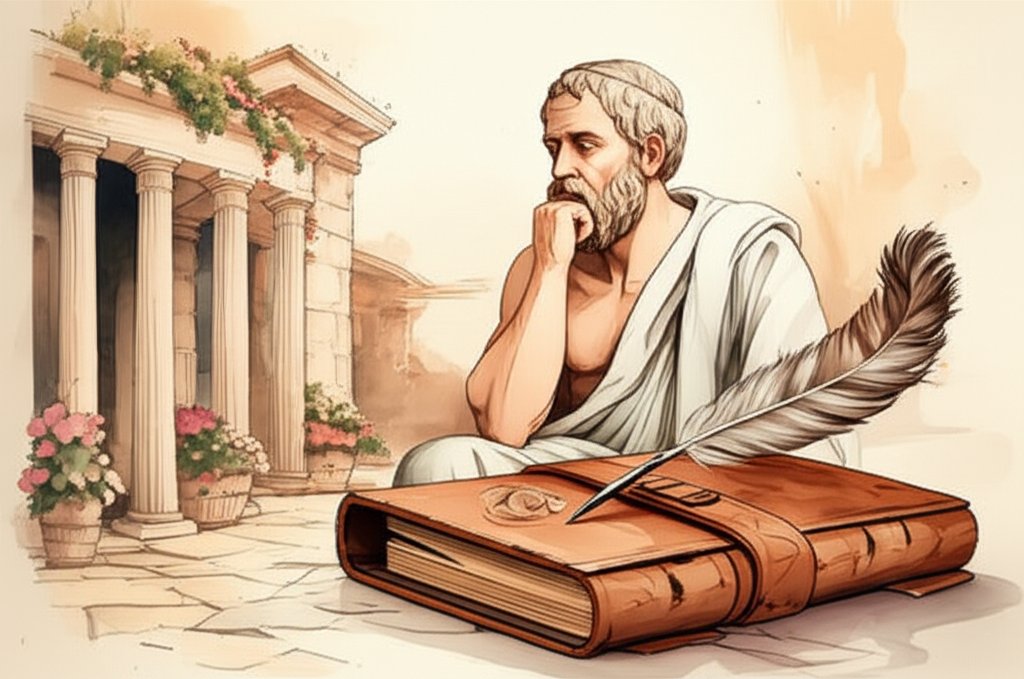
“No man has the right to be an amateur in the matter of physical training. It is a shame for a man to grow old without seeing the beauty and strength of which his body is capable.” This Socrates body quote, often cited in fitness circles, goes far beyond a simple endorsement of exercise. It delves into self-improvement, holistic well-being, and the potential within each of us. What did Socrates really mean, and how can his words guide us today?
At a glance:
- Socrates valued physical training as integral to overall self-improvement.
- His quote emphasizes exploring one’s physical potential, not achieving perfection.
- He believed a sound body contributed to a sound mind.
- The quote encourages mindful, rather than amateur, engagement with physical health.
- It calls for a lifelong journey of self-discovery through physical training.
Deciphering Socrates’ Message: More Than Just Muscle
While we often think of Socrates as a philosopher focused on matters of the mind, this famous Socrates body quote reveals a more comprehensive view of human flourishing. He wasn’t just advocating for hitting the gym; he was talking about cultivating a deeper understanding of oneself through physical discipline.
The core message is about realizing potential. It suggests we have a responsibility to explore what our bodies are capable of achieving, both in terms of strength and aesthetic appreciation. To Socrates, neglecting this aspect of ourselves is a disservice, a missed opportunity. no man has the right to remain ignorant of their physical capabilities.
The “Amateur” Paradox: Not About Professionalism
The word “amateur” here is crucial. Socrates isn’t demanding professional-level athleticism from everyone. Instead, he’s cautioning against a superficial, uncommitted approach to physical training. He’s urging us not to be dilettantes, dabbling without genuine effort or understanding. It’s about taking ownership of your physical well-being and approaching it with intention.
Think of it this way: a knowledgeable home cook isn’t a professional chef, but they understand ingredients, techniques, and flavors. They approach cooking with purpose, not as a mere chore. Similarly, Socrates advocates for mindful engagement with physical training, regardless of skill level.
Socrates on the Intertwined Nature of Mind and Body

Socrates believed the mind and body were intimately connected. Taking care of your physical self wasn’t separate from intellectual or moral development; it was an integral part of the whole. This reflects a holistic view often found in ancient Greek philosophy.
In Plato’s Phaedo, Socrates discusses the soul’s pursuit of truth, noting how the body can be a source of distraction and deception. However, this doesn’t mean he dismissed the body. Instead, Socrates on Mind and Body it suggests a need for balance – the body shouldn’t rule the soul, but neither should it be ignored. The physical is a vessel that allows the mind to thrive.
The Shame of Neglect: A Missed Opportunity for Growth
The “shame” Socrates refers to isn’t about failing to achieve a perfect physique. It’s about failing to even try. It’s about allowing ourselves to decline physically without exploring our potential or appreciating the inherent beauty and strength of the human form. Many see Is Aging a Mans Shame as an inevitable decline, but Socrates challenges this notion.
Modern Applications: How to Embody Socrates’ Wisdom Today
So, how can we apply this ancient wisdom to our modern lives? Here are a few practical steps:
- Define “Physical Training” Broadly: Don’t limit yourself to traditional gym workouts. Consider activities you enjoy, like hiking, swimming, dancing, or martial arts. The key is to find something sustainable and engaging.
- Set Realistic Goals: Socrates isn’t asking you to become an Olympian. Start with small, achievable goals and gradually increase the challenge as you progress. Focus on personal improvement, not external comparisons.
- Embrace the Process: Physical training isn’t just about the end result; it’s about the journey. Enjoy the process of learning, growing, and challenging yourself.
- Listen to Your Body: Pay attention to your body’s signals and adjust your training accordingly. Rest and recovery are just as important as exercise.
- Cultivate Mindfulness: Be present in your body during physical activity. Focus on your breath, your movements, and your sensations. This can enhance your experience and improve your results.
Practical Examples in Daily Life
- Instead of: Mindlessly scrolling through social media after work.
- Try: Going for a brisk walk in your neighborhood, paying attention to your surroundings and how your body feels.
- Instead of: Ordering takeout because you’re too tired to cook.
- Try: Preparing a simple, healthy meal that nourishes your body and mind.
- Instead of: Taking the elevator out of habit.
- Try: Taking the stairs, focusing on engaging your leg muscles and controlled breathing.
Addressing Common Misconceptions About the Quote

It’s easy to misinterpret Socrates’ message. Here are a few common misconceptions and clarifications:
- Misconception: It’s about achieving a specific body type.
- Clarification: It’s about exploring your individual potential, regardless of your starting point or genetic predispositions.
- Misconception: It’s only relevant to young people.
- Clarification: It’s a lifelong pursuit. Even as we age, we can continue to challenge ourselves physically and maintain our well-being.
- Misconception: It’s about pushing yourself to the limit.
- Clarification: It’s about finding a sustainable balance between effort and rest. Listen to your body and avoid overtraining.
The Enduring Relevance of Socrates’ Wisdom
In our modern world, where we’re often bombarded with messages about quick fixes and instant gratification, Socrates’ words offer a refreshing perspective. He reminds us that true well-being is a holistic endeavor, encompassing mind, body, and spirit. By embracing physical training as a means of self-discovery and growth, we can unlock our potential and live more fulfilling lives.
This includes understanding your own limits and recognizing the body’s natural strengths. Socrates on bodybuilding: True strength is not necessarily hoisting the heaviest weight, but rather understanding how your body moves and functions most efficiently.
Your Next Step: Embark on Your Physical Journey
Socrates’ body quote isn’t just a nice saying; it’s a call to action. Take some time to reflect on your own relationship with your body and identify areas where you can improve. Choose one small step you can take this week to move closer to realizing your physical potential. Whether it’s going for a walk, trying a new activity, or simply paying more attention to your posture, every effort counts. Start today, and embark on a journey of self-discovery through physical training. You might be surprised at what you’re capable of achieving.










