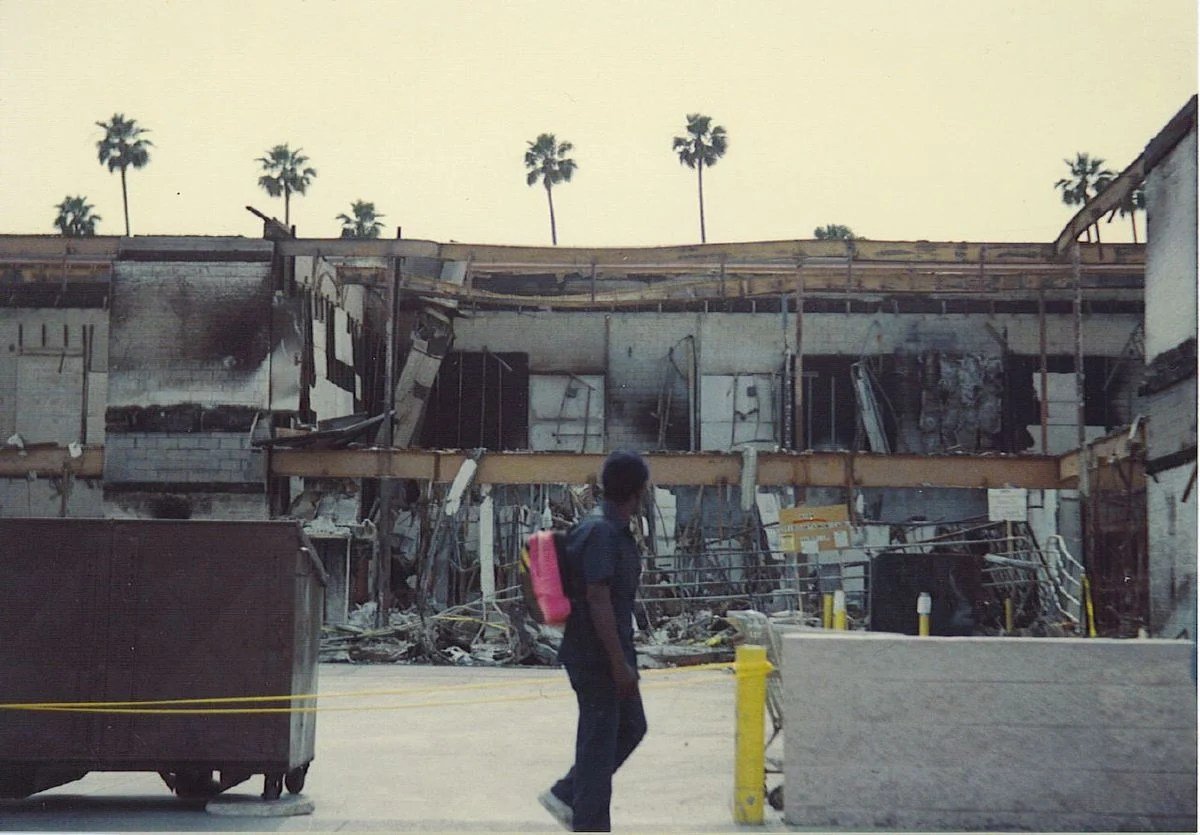
The year 1992 was far from ordinary; it was a crucible where many of the geopolitical and technological shifts defining our modern world were forged. From the formal dissolution of old empires to the nascent whispers of a digital future, the significant events in 1992 served as potent reminders that history rarely unfolds neatly, but rather in a series of dramatic, often turbulent, leaps forward. Understanding this pivotal year isn’t just about recalling facts; it’s about discerning the underlying currents that continue to shape today’s landscape.
At a Glance: Navigating 1992’s Transformations
- Post-Soviet Realities: Witness the re-emergence of Russia and the birth of new independent states, reshaping the global political map.
- European Union’s Blueprint: Grasp the signing of the Maastricht Treaty, a foundational step toward deeper European integration.
- Conflict and Resolution: Explore both the devastating ethnic conflicts in the Balkans and the hopeful end of the Salvadoran Civil War.
- Tech’s Early Footprint: Understand the initial steps in consumer video-telephony and early warnings about digital threats like the Michelangelo virus.
- Cultural & Social Milestones: See how cultural boycotts ended, major sporting events unfolded, and societal health concerns gained prominence.
- Leadership and Legitimacy: Reflect on how political upheavals challenged existing power structures, from Georgia to Algeria.
Geopolitical Realignments: The Aftershocks of 1991
The collapse of the Soviet Union in late 1991 left a power vacuum and a complex mosaic of newly independent states. 1992 became the year these fragments began to define themselves, often amidst considerable turmoil. On January 1, the Russian Soviet Federative Socialist Republic officially rebranded as the Russian Federation, asserting its new identity as the Soviet Union’s successor state. This wasn’t merely a name change; it was a declaration of a new era, with Boris Yeltsin at the helm, quickly announcing Russia would cease targeting U.S. cities with nuclear weapons—a remarkable sign of thawing Cold War tensions.
Simultaneously, the global community grappled with recognizing and integrating these new entities. In March alone, Armenia, Azerbaijan, Kazakhstan, Kyrgyzstan, Moldova, San Marino, Tajikistan, Turkmenistan, and Uzbekistan all joined the United Nations, a rapid expansion reflecting a dramatically altered international order. This rapid assimilation underscored the urgent need for new diplomatic frameworks and international cooperation to manage a multipolar world.
The Balkan Crucible: From Dissolution to Despair
While some nations found a pathway to recognition, others descended into brutal conflict. The declaration of the Republika Srpska by Bosnian Serbs in January, followed by Bosnia and Herzegovina’s declaration of independence from Yugoslavia in March, ignited what would become one of Europe’s most devastating conflicts since World War II. These events weren’t isolated; they were part of a larger, tragic narrative of ethnic nationalism and territorial claims.
The international community struggled to respond effectively. Although the European Community and others officially recognized Slovenia and Croatia as independent states on January 15, the escalating violence in Bosnia demonstrated the severe limitations of diplomatic recognition without robust peacekeeping mechanisms. The shooting down of an ECMM helicopter in Croatia in January, killing five observers, was a stark reminder of the dangers inherent in monitoring such volatile regions. For a deeper understanding of these and other global shifts, you can Explore 1992’s lasting impact.
Shifting Power Dynamics Beyond Europe
The winds of change also blew through other parts of the world. In Georgia, President Zviad Gamsakhurdia was deposed in a military coup, highlighting the fragility of nascent post-Soviet democracies. Meanwhile, the Chapultepec Peace Accords signed in Mexico City on January 16 officially ended the 12-year Salvadoran Civil War, a conflict that had claimed at least 75,000 lives. This peace deal offered a blueprint for negotiated settlements in protracted internal conflicts, showcasing the power of sustained diplomatic efforts.
In Africa, Mauritius transitioned into a republic in March while remaining part of the Commonwealth, a symbolic step towards greater sovereignty. Crucially, South Africa saw a referendum to end apartheid pass with a decisive 68.7% in favor, signaling the imminent demise of a racially discriminatory system that had defined the nation for decades. These diverse political outcomes in different regions painted a complex picture of a world grappling with self-determination, reconciliation, and the often-painful transition from old orders to new.
Technology’s Glimmer: The Seeds of a Digital Future
Amidst the geopolitical tumult, 1992 also offered tantalizing glimpses into the future of technology, even if many couldn’t yet grasp their full implications. On January 7, AT&T released a video-telephone for a hefty $1,499. While not a commercial success at the time, this device was a direct ancestor of the ubiquitous video calls we make today, showcasing an early vision of connected communication. It was a tangible step towards breaking down geographical barriers, even if the infrastructure and affordability weren’t quite ready for mass adoption.
The Dual Edges of Digital Progress
The year also brought early warnings about the darker side of the digital age. In March, the Michelangelo computer virus began to spread, affecting computers globally. This incident served as an early, widespread demonstration of how malicious software could disrupt operations and compromise data, prompting a greater awareness of cybersecurity needs long before the internet became mainstream. It was a stark reminder that innovation often comes with new vulnerabilities.
On a more speculative, yet remarkably prescient note, inventor Ray Kurzweil published “The Age of Intelligent Machines” on January 30, a book that predicted the internet’s eventual popularity. This foresight highlights how some visionaries were already piecing together the future, even as most of the world remained largely unconnected. His work serves as a reminder that technological shifts are often anticipated by a select few before they become universally apparent.
Space, Science, and Health Concerns
The International Space Year commenced on January 1, fostering global cooperation in space exploration. This initiative saw significant milestones, including the launch of Space Shuttle STS-42 in January, which carried Dr. Roberta Bondar, the first Canadian woman and neurologist into space. Later, in March, Cosmonaut Sergei Krikalev returned to Earth after a remarkable 10-month stay aboard the Mir space station, a testament to human endurance and international collaboration in orbital science.
Beyond space, scientific observation continued with the Hubble Space Telescope discovering NGC3862/3C264 in January, expanding our understanding of distant galaxies. On the health front, the U.S. Government urged doctors to stop using silicone breast implants due to health concerns, a significant moment that brought product safety and medical ethics to the forefront of public discussion. These events, spanning from the cosmos to personal health, underscored the diverse ways science and technology were impacting society.
Cultural Shifts, Sporting Triumphs, and Everyday Life
Beyond the grand geopolitical narratives and technological breakthroughs, 1992 was also a year of significant cultural and social moments that resonated with everyday people.
Sporting Legacies and Record Books
The world of sports delivered memorable performances and milestones. Australian cricket legend Shane Warne made his Test debut in January, though initially inauspiciously, against India – a beginning to what would become a legendary career. In the NBA, Boston’s Robert Parish became the fifth player to register 2,000 career blocks. The Super Bowl XXVI in January saw the Washington Redskins defeat the Buffalo Bills, a major cultural event that captivated millions.
Other sporting achievements included Dan Jansen skating a world record 500m in speed skating and Australian swimmer Kieren Perkins setting a new world record in the 1500-meter freestyle short course. In March, the Pakistan national cricket team, led by Imran Khan, won the 1992 Cricket World Cup, a historic victory. These moments provided collective joy and national pride amidst global uncertainties.
Music, Media, and Societal Reflection
Music and media continued to reflect and shape cultural dialogues. Paul Simon performed in South Africa in January, breaking the cultural boycott imposed during apartheid and marking a significant moment in the country’s cultural and political history. His “Born at the Right Time” tour was the first major international artist performance after the UN cultural boycott was lifted, drawing massive crowds despite protests. This event symbolized a healing cultural landscape and the power of music to transcend political divides.
Eric Clapton’s performance for MTV “Unplugged” in January became a cultural phenomenon, leading to a Grammy-winning and best-selling album. These cultural touchstones provided outlets for expression and entertainment, helping people navigate a rapidly changing world. Media also brought difficult realities to light, such as Jeffrey Dahmer pleading guilty but insane to 15 counts of murder, and Mike Tyson’s rape trial commencing, both of which dominated headlines and sparked national conversations about justice and public morality.
The Year’s Lingering Questions: A Practical Lens on History
Looking back at 1992, the “significant events” aren’t just isolated occurrences; they represent crucial decision points and challenges that carry lessons for today. How did the rapid recognition of new states impact their stability and regional dynamics? What can the early struggles with the Michelangelo virus teach us about anticipating and mitigating future digital threats? And how did cultural moments, like the lifting of boycotts, accelerate social change?
These historical events demonstrate the interconnectedness of politics, technology, and society. The struggles for self-determination in the former Yugoslavia highlight the complex interplay of ethnic identity, sovereignty, and international intervention. The nascent steps in communication technology, while seemingly small then, laid the groundwork for entirely new economic and social paradigms. Recognizing these historical threads helps us better understand the origins of current global issues and prepares us for future disruptions.
Quick Answers: Deconstructing 1992’s Impact
Q: Was 1992 truly a “year of upheaval,” or were the changes gradual?
A: 1992 saw a mix of both. While some trends, like the dissolution of the Soviet Union, had been building, the formal recognition of new states, the outbreak of major conflicts, and significant political shifts (like South Africa’s referendum) happened rapidly. This made it feel like a year of intense, often immediate, upheaval rather than just slow evolution.
Q: How did the technological advancements of 1992, like the AT&T video-telephone, truly impact society at the time?
A: At the time, their immediate impact was limited due to cost and infrastructure. The AT&T video-telephone was a niche product. However, it signaled a direction, planting the idea of visual communication over distances. The Michelangelo virus, conversely, had a more immediate, albeit negative, impact by highlighting nascent cybersecurity risks and the vulnerability of digital systems.
Q: What was the long-term significance of the Chapultepec Peace Accords?
A: The Accords were immensely significant, ending a brutal 12-year civil war in El Salvador and setting a precedent for UN-brokered peace processes. They demonstrated that even deeply entrenched conflicts could be resolved through negotiation, demobilization, and institution-building, offering a model for future peace initiatives in other post-conflict regions.
Q: How did the political changes in places like Algeria and Georgia reflect broader global trends?
A: These events mirrored a global trend of states grappling with political transitions post-Cold War. In Algeria, the cancellation of elections due to strong gains by an Islamic party highlighted challenges in managing democratic processes in diverse societies, often leading to internal strife. In Georgia, the coup reflected the instability and power struggles inherent in establishing new governance in former Soviet states. Both illustrated the difficult path from authoritarianism to stable democracy.
Beyond the Headlines: Navigating Historical Echoes
The significant events in 1992 remind us that history is not just a sequence of dates, but a dynamic interplay of human ambition, technological innovation, and geopolitical forces. The year offered a clear-eyed view of how quickly global landscapes can transform, underscoring the enduring need for diplomatic agility, robust international institutions, and a keen understanding of emergent technologies.
For leaders and citizens alike, 1992 serves as a case study in navigating uncertainty. It shows that seemingly small technological steps can foreshadow immense societal shifts, and that political decisions, whether for peace or conflict, reverberate for decades. By dissecting these moments, we can better equip ourselves to understand the world we inhabit and to anticipate the changes yet to come.










