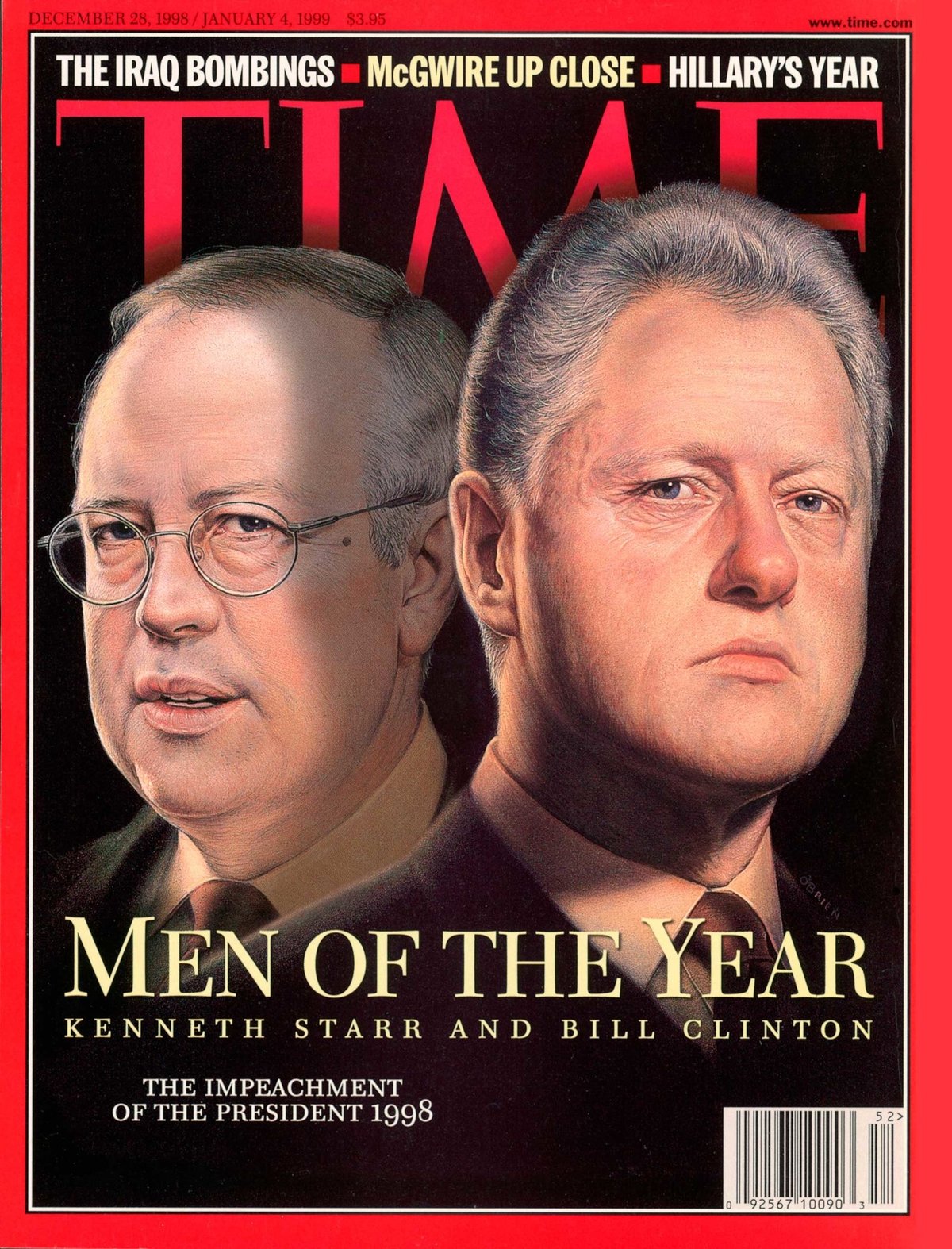
The year 1998 kicked off with a palpable sense of tension and transformation, swiftly establishing itself as a period marked by profound political scandal, significant global crises, and the quiet march of scientific and cultural evolution. Understanding the significant events 1998 isn’t just about cataloging happenings; it’s about discerning the interconnected threads that shaped public discourse, international relations, and the very fabric of daily life as the millennium approached. From the White House to remote Algerian villages, and from frozen North American landscapes to the burgeoning internet, the early months of 1998 laid down markers for a year defined by its dynamic and often turbulent character.
At a Glance: Key Takeaways from Early 1998
- Political Firestorm: The Monica Lewinsky scandal ignited, dramatically altering the perception of presidential power and media scrutiny.
- Global Instability: Major humanitarian crises and diplomatic tensions flared, particularly in Algeria and regarding Iraq’s regime.
- Environmental Extremes: The Great Ice Storm of 1998 showcased vulnerabilities in infrastructure and highlighted the impact of climate events.
- Economic & Policy Shifts: The birth of the European Central Bank and a global consensus against human cloning signaled major forward-looking policy decisions.
- Scientific Breakthroughs: Space exploration, environmental archaeology (Doggerland), and medical research continued to push the boundaries of human knowledge.
- Cultural Milestones: From tragic losses to Hall of Fame inductions and new TV series, the popular culture landscape underwent notable shifts.
The Unfolding Drama: Washington’s Turmoil and a Nation Divided
January 1998 began with an undercurrent of political unease that quickly escalated into a full-blown national crisis. On January 7, Monica Lewinsky signed an affidavit denying an affair with President Bill Clinton, a document that would soon become central to one of the most explosive political scandals in modern American history. Just ten days later, on January 17, The Drudge Report broke the story, launching a media frenzy that would dominate headlines for months.
For anyone navigating public relations or crisis management, the unfolding events offered a masterclass in both political denial and media amplification. President Clinton’s televised denial on January 26, stating he did not have “sexual relations” with Lewinsky, marked a pivotal moment. The very next day, First Lady Hillary Clinton publicly attributed the controversy to a “vast right-wing conspiracy.” This rapid-fire sequence of denials and accusations not only defined the early weeks of the year but also illustrated the burgeoning power of new media outlets and the shifting dynamics of political warfare. The lesson here is clear: in an age of accelerating information flow, a crisis can escalate from rumor to national spectacle with unprecedented speed, demanding a swift, strategic, and often high-stakes response.
Echoes of Conflict: International Crises and Humanitarian Concerns
While domestic politics churned, the international stage was far from quiet. The month witnessed horrific massacres in Algeria, a grim continuation of the Algerian Civil War. Over 170 people were killed in the Wilaya of Relizane massacres on January 4, followed by another atrocity claiming over 100 lives in the Sidi-Hamed massacre on January 11. These events served as stark reminders of the brutal human cost of internal conflicts, often far from the gaze of mainstream Western media but profoundly impacting regional stability and human security.
Simultaneously, the global community wrestled with the specter of international aggression. On January 28, the U.S. Senate passed a resolution on Iraq, underscoring a firm stance against Saddam Hussein’s regime. This legislative move signaled sustained international pressure, laying groundwork for future military actions and highlighting ongoing geopolitical tensions in the Middle East. For policymakers, these situations underscored the complexity of balancing humanitarian intervention with national sovereignty, and the persistent challenge of addressing dictatorial regimes.
Even within American borders, acts of terror highlighted evolving threats. On January 29, an abortion clinic in Birmingham, Alabama, was bombed, killing one person and severely wounding another. Eric Robert Rudolph was suspected in the attack. This act of domestic terrorism served as a chilling reminder that violence and ideological conflict were not confined to distant lands but could erupt anywhere, challenging communities and law enforcement to confront extremist ideologies.
The Great Freeze: Responding to Nature’s Fury
Among the most immediate and widespread significant events 1998 was the Great Ice Storm. Beginning on January 4 and lasting until January 10, this massive storm devastated eastern Canada and the northeastern United States. It brought unprecedented destruction, leading to widespread power outages that left millions in Quebec and Ontario without electricity for weeks, crippling infrastructure, and halting daily life.
The ice storm presented a severe test of resilience and emergency preparedness. Communities faced immense logistical challenges, from sheltering residents to restoring essential services in sub-zero temperatures. For infrastructure planners and disaster management professionals, the storm provided invaluable, albeit painful, lessons in strengthening electrical grids, improving communication protocols, and fostering community-based support systems during prolonged emergencies. The sheer scale of the event forced a re-evaluation of preparedness strategies against extreme weather, a challenge that continues to evolve with changing climate patterns.
Shaping Tomorrow: Economic, Scientific, and Ethical Landmarks
Beyond the immediate crises, 1998 was also a year of foundational shifts that would define the coming decades.
Economic Unification and Global Currencies
On January 1, the European Central Bank (ECB) was formally established in Frankfurt, Germany. This was a monumental step towards European economic integration, paving the way for the introduction of the Euro and creating a central authority for monetary policy across much of the continent. The ECB’s inception marked a pivotal moment in global finance, demonstrating a concerted effort towards supranational economic governance. For economists and international relations experts, this institutional birth underscored the long-term vision for a unified Europe, navigating the complex interplay of national interests and collective economic prosperity.
Exploring Distant Worlds and Ancient Lands
Scientific endeavors also pushed boundaries. NASA launched the Lunar Prospector spacecraft on January 6, specifically designed to study the Moon’s composition and search for water ice. This mission reflected a renewed focus on lunar exploration, with an eye towards future manned missions and potential resource utilization. Simultaneously, closer to home, on January 1, a paper by Bryony Coles identified Doggerland, the submerged North Sea land between Britain and Europe, as a crucial former inhabited landmass. This discovery highlighted the dynamic nature of Earth’s geography and offered new insights into prehistoric human migration and settlement patterns. These scientific advancements, from outer space to submerged landscapes, reminded us of the vastness of the unknown and the ongoing human quest for understanding.
Ethical Frontiers: The Human Cloning Debate
On January 12, nineteen European nations agreed to forbid human cloning. This widespread consensus on a highly controversial ethical issue demonstrated a proactive approach to regulating emerging biotechnologies. It reflected a global concern about the moral implications of scientific progress and the need for clear ethical boundaries in areas with profound societal impact. This decision, emerging just a year after the cloning of Dolly the sheep, set an international precedent for how quickly policy can respond to scientific breakthroughs that challenge fundamental human values.
For a wider lens on the entirety of 1998, including deeper dives into technological advancements and other global dynamics, consider this comprehensive overview: Explore 1998’s pivotal moments.
Cultural Rhythms: From Pop Culture to Sporting Legends
The early months of 1998 also saw a mix of somber goodbyes and celebratory milestones in the world of culture and sports.
Tragic Losses and Enduring Legacies
The year began with the tragic death of actor Chris Farley on January 2 from an overdose of opiates and cocaine at just 33 years old. Farley’s untimely passing resonated deeply, reminding many of the pressures faced by public figures and the struggles behind the comedic masks. His death underscored the cultural impact of his work and the profound sense of loss for a talent gone too soon.
Sporting Greats and Record Breakers
On the sports front, legends continued to etch their names in history. Los Angeles Clippers coach Bill Fitch coached his 2,000th NBA game on January 3, a testament to enduring dedication. Utah Jazz head coach Jerry Sloan won his 600th NBA game on January 10. Michael Jordan, on January 23, scored in double figures for his 800th consecutive game, extending an already incredible streak. In hockey, Vancouver Canucks center Mark Messier became the 6th player in NHL history to record 1,000 assists on January 10, while Hockey News declared Wayne Gretzky the best NHL player ever on January 9. In swimming, Australian schoolboy Ian Thorpe, aged just 15, became the youngest male world champion, winning the 400m freestyle on January 15. These feats celebrated human achievement and reminded sports fans of the power of consistent performance and sheer talent.
Entertainment and Royal Engagements
On January 20, the television series “Dawson’s Creek” premiered, quickly becoming a cultural phenomenon that defined teen drama for a generation. On a more regal note, Britain’s 97-year-old Queen Mother underwent an emergency hip replacement on January 25, while British singer Victoria Adams (Posh Spice) and soccer star David Beckham announced their engagement, solidifying their status as a nascent power couple of pop culture and sport. These events, seemingly disparate, collectively illustrate the vibrant and varied tapestry of popular culture that shaped daily life.
Navigating Complexity: A Practical Playbook for Understanding Significant Events
Reflecting on the early significant events 1998 provides a unique lens through which to analyze how different forces converge to define a historical period. For anyone seeking to understand or even predict societal shifts, here’s a practical approach:
- Look Beyond the Headlines: While the Clinton scandal dominated news, underlying events like the ECB’s formation or the ice storm had more profound, long-term implications for global structure and daily life. Always ask: “What are the less visible but equally impactful stories?”
- Identify Interconnectedness: The rise of new media (like The Drudge Report) accelerated the scandal. Natural disasters exposed infrastructure weaknesses that had economic and political consequences. No major event occurs in a vacuum.
- Recognize the Human Element: Whether it’s the political drama, the suffering in Algeria, the resilience during the ice storm, or the cultural impact of figures like Chris Farley, human decisions, emotions, and experiences are at the heart of historical events.
- Track Policy and Scientific Milestones: Events like the human cloning ban or the Lunar Prospector launch might not create immediate drama, but they signal critical shifts in ethical consensus and scientific ambition that shape the future. These are the “slow burns” that often have the longest-lasting effects.
- Consider the “Why Now?”: Why did the Lewinsky scandal break when it did? Why was the ECB established then? Often, major events are the culmination of years of underlying trends, tensions, or preparatory work.
Quick Answers: Common Questions on 1998’s Defining Moments
Q: Was 1998 only about the Clinton-Lewinsky scandal?
A: Absolutely not. While the scandal was a defining political event, January alone saw the devastating Great Ice Storm, the establishment of the European Central Bank, horrific massacres in Algeria, and significant scientific and cultural milestones. It was a multifaceted year with numerous concurrent impactful events globally.
Q: What were some of the key global shocks in early 1998?
A: Key global shocks included the tragic massacres in Algeria (Relizane, Sidi-Hamed), the ongoing diplomatic tensions and US Senate resolution regarding Iraq and Saddam Hussein’s regime, and the widespread destruction caused by the Great Ice Storm in North America.
Q: How did technology influence the events of early 1998?
A: Technology played a crucial role in disseminating information, notably with The Drudge Report breaking the Monica Lewinsky scandal online, highlighting the emerging power of digital media to bypass traditional gatekeepers. Space exploration also continued with the launch of the Lunar Prospector.
Q: What long-term significance did the ECB’s establishment have?
A: The establishment of the European Central Bank was a foundational step towards European economic integration and the eventual launch of the Euro. It created a powerful, independent institution responsible for monetary policy across a large economic bloc, profoundly shaping global finance for decades to come.
Q: How did 1998 set the stage for the new millennium?
A: The year 1998, particularly its early months, showcased burgeoning digital media, deepening global economic integration, persistent international conflicts, and crucial ethical debates around biotechnology. These themes—information age dynamics, globalization, geopolitical instability, and scientific ethics—would become central defining characteristics of the early 21st century.
Beyond the Headlines: The Enduring Resonance of 1998
The first month of 1998, packed with political earthquakes, natural disasters, global policy shifts, and vibrant cultural moments, offers a concentrated look at a year of immense significance. It teaches us that history is rarely linear or singular; instead, it’s a rich tapestry woven from diverse threads—some bright, some dark, all interconnected. The significant events 1998, from the public denial of a presidential affair to the silent shift of an economic superpower’s monetary policy, demand our attention not just for their immediate impact but for the lasting legacies they bequeathed to the modern world. By dissecting these moments, we gain a clearer understanding of the forces that continue to shape our present and hint at our future.










