The year 1999 wasn’t just a calendar mark; it was a societal deep breath, a collective pause before the turn of a millennium, saturated with both Y2K anxieties and an explosion of pop culture. It was a time when flip phones were cool, dial-up still reigned, and the internet was just beginning to truly flex its muscles. Looking back at the popular things in 1999 reveals a fascinating snapshot of a world teetering on the edge of massive technological and cultural shifts, setting the stage for much of what we experience today.
At a Glance: What Defined Popularity in 1999
- Y2K Anxiety: The pervasive fear of a global computer meltdown colored tech and public discourse.
- Pop Music’s Peak: Boy bands, pop princesses, and crossover artists commanded charts and cultural attention.
- Cinematic Innovation: Films challenged storytelling norms, delivering iconic, mind-bending experiences.
- TV’s New Golden Age: Groundbreaking dramas and explosive reality shows redefined television.
- Disruptive Tech’s Dawn: Early steps in digital music, e-commerce, and mobile computing hinted at the future.
- Global Phenomena: From Pokémon to Harry Potter, worldwide crazes united audiences of all ages.
The Y2K Countdown: Tech Anxiety Meets Innovation
While the year concluded without the dreaded “Y2K bug” causing a global meltdown, the concern was very real and undeniably popular. Governments, businesses, and individuals poured resources into preparing for the perceived computer apocalypse, leading to a unique blend of collective anxiety and technological readiness. This focus inadvertently pushed many systems toward modernization.
Alongside the Y2K scare, genuine tech innovation was bubbling to the surface. Apple, under Steve Jobs’ revitalized leadership, released its colorful, clamshell-style iBook laptops, making personal computing more accessible and stylish. This was a bold move away from the bland beige boxes of the past, signaling a new era of consumer-focused design. Simultaneously, DVD players became more affordable and started rapidly phasing out VHS tapes, offering superior picture and sound quality. This shift in home entertainment wasn’t just about a new format; it represented an early step towards digital media consumption that would soon revolutionize the industry.
Then there was Napster, a peer-to-peer file-sharing service that launched in 1999. It single-handedly shook the music industry to its core, allowing users to download MP3s for free. While it would eventually be shut down due to copyright infringement in 2001, Napster’s brief, meteoric rise irrevocably changed expectations for music access and foreshadowed the streaming era. Even PayPal, now an e-commerce giant, started with a rocky reception in 1999, initially considered one of the worst business ideas of the year before proving its revolutionary potential. These fledgling technologies, some with bumpy starts, were all part of the popular discussion, shaping how people thought about data, entertainment, and digital transactions.
Chart Toppers and Cultural Icons: Music’s Millennial Mania
Music in 1999 was a vibrant, often over-the-top, landscape dominated by pop. Backstreet Boys’ album “Millennium” was an absolute titan, selling over 30 million copies worldwide and cementing the boy band phenomenon. Britney Spears, still fresh off her debut, generated a major pop culture scandal with her provocative Rolling Stone cover, solidifying her status as a pop princess and a lightning rod for cultural debate. Meanwhile, *NSYNC further cemented their rise, opening for Janet Jackson’s tour and showing the genre’s broad appeal.
But pop wasn’t the only sound. The Dixie Chicks released their hugely successful “Fly” album, blending country with a fresh, defiant attitude. Cher’s “Believe” continued to dominate airwaves, pioneering the use of Auto-Tune and influencing countless tracks to come. Even in classical music, Andrea Bocelli’s “Sacred Arias” became the world’s best-selling classical album by a solo artist, demonstrating a widespread appreciation for diverse genres. To fully grasp the intricate backdrop against which these cultural trends unfolded, understanding the broader landscape of “What Happened In 1999? Y2K Anxieties Met New Tech and Pop Culture” is crucial. Get the full 1999 story, including the significant global events and political shifts that shaped this pivotal year.
MTV’s “Total Request Live” (TRL), hosted by Carson Daly, was an essential barometer of what was popular. It blended music videos with fan interaction, becoming a daily ritual for millions of teens. The inaugural Teen Choice Awards also debuted, signaling a powerful new focus on the youth demographic and their purchasing power in entertainment.
Cinematic Game-Changers: Redefining Storytelling
The year 1999 delivered a slate of films that didn’t just entertain but fundamentally challenged audiences and reshaped cinematic storytelling. “The Matrix” wasn’t just an action movie; it was a philosophical statement wrapped in groundbreaking visual effects and bullet-time cinematography that created an instant cultural phenomenon. Its influence is still felt in film, fashion, and pop culture discussions today.
“Fight Club,” another critically acclaimed film from 1999, sparked intense debate with its dark satire, anti-consumerist themes, and unreliable narration. Its ambiguous ending and provocative message ensured it remained a talking point for years. “The Sixth Sense,” a supernatural thriller, became famous for its shocking, often-imitated twist ending, demonstrating the power of clever screenwriting to surprise even the most seasoned filmgoers.
On the independent front, “The Blair Witch Project” redefined the horror genre with its “found footage” style, blurring the lines between fiction and reality through a brilliant viral marketing campaign. Its low budget and immense box office success proved that innovative storytelling and effective promotion could trump special effects. These films collectively showcased a popular shift towards more complex narratives, pushing boundaries and inviting deeper audience engagement.
Small Screen, Big Impact: Television’s Shifting Landscape
Television in 1999 witnessed the debut of shows that would become cultural cornerstones. HBO’s “The Sopranos” premiered, instantly redefining the prestige drama. Its complex characters, moral ambiguities, and cinematic quality elevated television to an art form, proving that compelling narratives could thrive beyond network constraints.
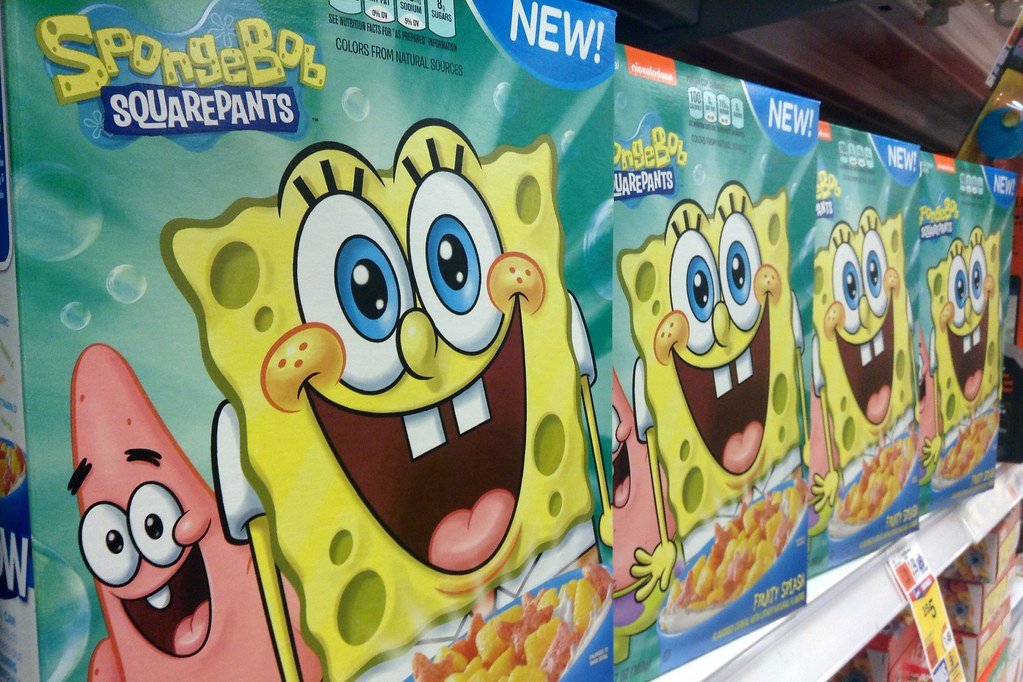
Meanwhile, “Who Wants to Be a Millionaire?” hosted by the charismatic Regis Philbin, took the US by storm. Its dramatic music, tense gameplay, and life-changing prize money turned a simple quiz show into a national obsession, ushering in a new era of reality competition programming. For younger audiences, “SpongeBob SquarePants” aired its first episode, quickly becoming a beloved animated character and a cultural icon whose influence endures to this day.
In another popular cultural moment, after 19 nominations, veteran soap opera star Susan Lucci finally won a Daytime Emmy for her role on “All My Children.” This widely anticipated victory was celebrated by fans across the country, highlighting the enduring power of long-running serial dramas and the personal connection audiences form with their favorite stars.
Beyond the Screens: Books, Games, and Sports Spectacles
Beyond screens and headphones, other popular things in 1999 captivated global audiences. J.K. Rowling released the third book in her magical series, “Harry Potter and the Prisoner of Azkaban,” to widespread acclaim, further solidifying the wizarding world’s hold on readers young and old. The book continued the global “Pottermania,” demonstrating the immense power of serial storytelling to create dedicated fanbases.
Even more widespread, “Pokémania” reached a fever pitch. Children across the world were obsessed with Pokémon cards, games, and merchandise, sometimes even leading to incidents where children robbed each other for rare cards. This phenomenon illustrated the commercial power of transmedia franchises and the intense emotional connection children forged with these characters.
In sports, 1999 brought moments of both triumph and future controversy. Tony Hawk made history by landing the first “900” (a 2½-revolution aerial spin) at the X Games, solidifying his legend in skateboarding. Meanwhile, Lance Armstrong won the first of his seven consecutive Tour de France titles, though these victories would later be stripped due to doping. These sporting achievements captivated audiences, showcasing the pursuit of human excellence and, in some cases, the shadows that can fall upon it.
The Enduring Echoes of ’99: Why These Popular Things Still Matter
The popular things in 1999 weren’t isolated events; they were interconnected threads weaving a complex tapestry of a year in transition. The Y2K anxieties, while ultimately unfounded in their apocalyptic predictions, forced a critical examination of technological infrastructure and spurred innovations that would prove beneficial. The explosion of pop culture, from music to film to television, wasn’t just about entertainment; it reflected evolving tastes, new marketing strategies, and a growing understanding of global audiences.
The year saw the quiet genesis of technologies like Napster and PayPal, which would go on to disrupt entire industries and fundamentally change how we interact with digital content and money. It produced films and TV shows that pushed creative boundaries, setting new standards for quality and challenging traditional narratives. Even the intense fads like Pokémania highlighted the increasing interconnectedness of a globalized world and the power of shared cultural experiences.
Practical Playbook: Identifying Trends from 1999’s Popularity
Understanding the popular things in 1999 offers a useful lens for identifying enduring cultural and technological patterns.
- Recognizing Disruptive Tech Signals: Look for early-stage innovations that face skepticism but offer a fundamentally new way of doing things, like PayPal or Napster. These often foreshadow massive future shifts, even if their initial execution is flawed or legally challenged.
- The Power of Immersive Narrative: The success of The Matrix, The Sopranos, and Harry Potter underscored that audiences crave rich, well-developed worlds and complex storytelling. This drives engagement far beyond simple entertainment.
- Audience Segmentation and Empowerment: The rise of the Teen Choice Awards and the success of artists like Britney Spears and boy bands showed the immense commercial power of catering directly to specific, passionate demographics. Similarly, “Who Wants to Be a Millionaire?” demonstrated the appeal of interactive, high-stakes content.
- The Global Reach of Fandom: Pokémania’s worldwide craze proved that cultural phenomena could transcend borders with unprecedented speed and intensity, a precursor to today’s hyper-connected global fandoms.
Quick Answers: Unpacking 1999’s Cultural Quirks
Q: Was Y2K really a big deal, or just hype?
A: Y2K was a massive deal in terms of the preparation and resources invested globally, driven by genuine technical concerns about how computer systems would handle the date rollover. While the catastrophic meltdowns predicted didn’t occur, it wasn’t just hype; the widespread efforts to fix the problem prevented many potential issues.
Q: What was the most defining music trend of ’99?
A: The most defining music trend was the explosive dominance of pop music, spearheaded by boy bands like Backstreet Boys and female pop stars such as Britney Spears and Cher. These artists and groups commanded the charts, influenced fashion, and cultivated massive, dedicated fanbases.
Q: How did 1999 set up the 2000s tech-wise?
A: 1999 laid crucial groundwork for the 2000s by introducing early forms of digital content consumption (Napster for music, widespread adoption of DVDs), hinting at future mobile and internet capabilities (Bill Gates’ predictions), and pioneering new e-commerce solutions (PayPal). It was a transition year for digital life.
Q: What’s one popular thing from ’99 that people might find surprising today?
A: The sheer intensity of Pokémania, to the point of children robbing each other for cards, might surprise some. Also, that PayPal was initially considered one of the worst business ideas of the year, given its current ubiquity, is a testament to how disruptive ideas often start.
1999’s Legacy: A Blueprint for the Future
The popular things in 1999 were more than just fleeting fads; they were a blueprint for the future. This was a year of looking forward, whether with trepidation about Y2K or excitement for emerging technologies. It was a time when pop culture was simultaneously embracing new levels of commercialization and pushing creative boundaries in film and television. The blend of anxiety and optimism that defined 1999 ultimately propelled us into a new millennium, laying the groundwork for many of the technological advancements and cultural shifts that continue to shape our world today.










