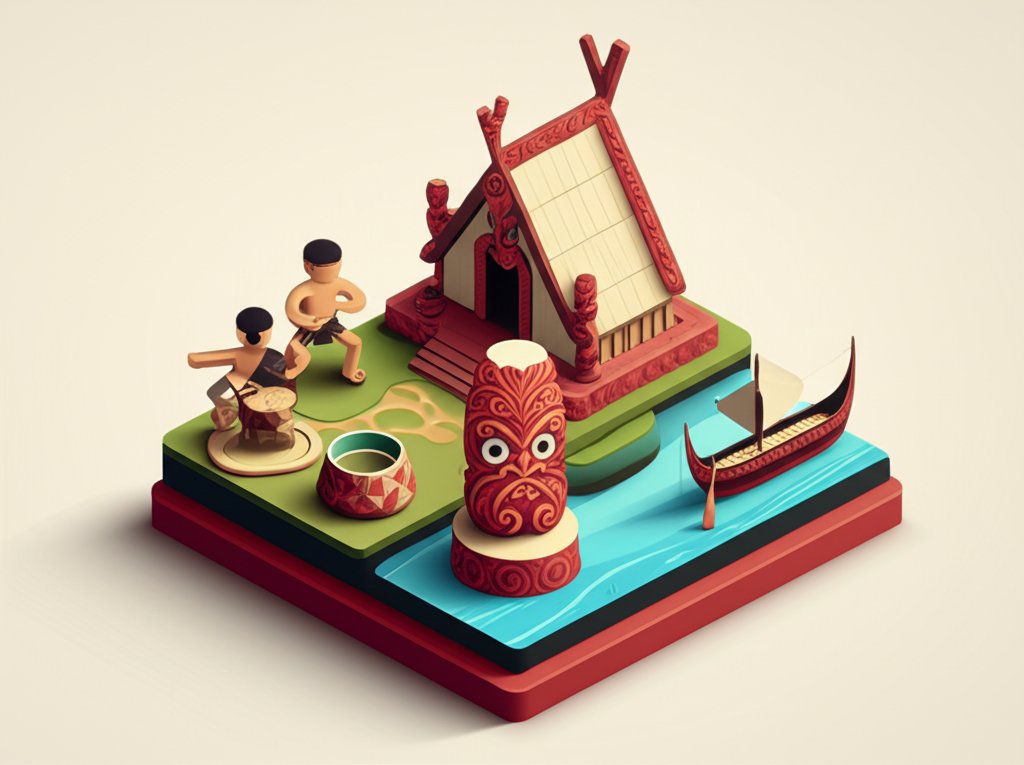
Embark on an extraordinary journey into the heart of Maori culture, the rich and dynamic traditions of the indigenous people of New Zealand, known in their own tongue as Aotearoa. More than just a collection of customs, Maori culture is a living, breathing tapestry woven with ancient heritage, profound spiritual beliefs, and powerful artistic expressions. From the reverberating calls of the haka to the intricate patterns of tā moko, this comprehensive guide will immerse you in the depth and beauty of Aotearoa Maori, shedding light on its origins, its enduring traditions, the struggle and triumph of Te Reo Maori, and its undeniable influence on modern New Zealand indigenous culture. Prepare to be captivated by a heritage that defines a nation.
The Deep Roots of Maori Culture: Origins and Heritage in Aotearoa
The story of the Maori people is one of extraordinary navigation, resilience, and profound connection to the land. Their journey set the stage for one of the world’s most unique and vibrant indigenous cultures.
From Hawaiki to Aotearoa: The Great Migration
Over a thousand years ago, master navigators from Hawaiki (the mythical Polynesian homeland) embarked on epic voyages across the vast Pacific Ocean. Propelled by curiosity, resourcefulness, and a deep understanding of the stars and ocean currents, they journeyed in magnificent waka (canoes), eventually discovering the long white cloud, Aotearoa. These early Polynesian settlers brought with them their rich oral traditions, spiritual beliefs, and sophisticated social structures, laying the foundational elements of what would become Maori culture. As they adapted to the unique environment of New Zealand indigenous culture, their practices and identity evolved, distinguishing them from their Polynesian ancestors.
Whakapapa and Iwi: The Foundation of Maori Society
At the very core of Maori culture is whakapapa, the concept of genealogy, which literally means “to place in layers.” Whakapapa establishes an individual’s connection to ancestors, lands, and the entire natural world, providing a sense of identity, belonging, and responsibility. This intricate web of relationships forms the basis of iwi (tribes), hapū (sub-tribes), and whānau (extended families). It is through these kinship ties that Maori people understand their place in the world, their rights, and their obligations. Tribal affiliations remain a powerful and important aspect of Aotearoa Maori identity today, guiding social interactions and resource management.
Understanding the importance of whakapapa helps to reveal deeply ingrained Maori values and other key aspects of New Zealand indigenous culture that shape interpersonal interactions.
Spiritual Beliefs and Cosmogony: Connecting to the Divine
Maori culture is deeply spiritual, rooted in an ancient cosmogony that explains the creation of the world. Central to this is the story of Rangi-nui (Sky Father) and Papa-tū-ā-nuku (Earth Mother), whose primal embrace gave birth to the gods (Atua) and all living things. Concepts such as mana (spiritual power, authority, prestige) and tapu (sacredness, prohibition) permeate every aspect of life. Mana can be inherited, earned, and lost, influencing individual and collective standing. Tapu dictates appropriate conduct and respects the sacredness of certain places, objects, and people. Understanding these spiritual underpinnings is crucial to appreciating the depth of Maori traditions.
Te Reo Maori: The Language, Legends, and Power of Storytelling
The language of the Maori people, Te Reo Maori, is far more than just a means of communication; it is the very soul and repository of their culture, history, and identity. Its survival and revitalisation are a testament to the resilience of Aotearoa Maori.
The Living Heart of Maori Culture: Te Reo Maori
Te Reo Maori is an official language of New Zealand, reflecting its enduring significance. As a Polynesian language, it shares commonalities with other Pacific tongues but possesses its own distinct grammar, vocabulary, and melodic rhythms. For generations, Te Reo Maori faced decline due to colonial policies, but a powerful revival movement began in the 1970s. Today, initiatives such as kōhanga reo (Maori language immersion pre-schools) and kura kaupapa Maori (Maori language immersion primary schools) are successfully nurturing new generations of speakers. The proper pronunciation of Te Reo Maori is crucial, as subtle differences in vowels and macrons can entirely change the meaning of words, underscoring the language’s precision and beauty.
Oral Traditions: Preserving Knowledge Through Kaitiakitanga
Storytelling (kōrero) is a cornerstone of Maori traditions, serving as the primary means of passing down knowledge, history, and cultural values from one generation to the next. These oral traditions encompass:
- Pūrākau (Myths and Legends): Epic tales of gods like Māui (who fished up the North Island) and demigods, often conveying moral lessons and explanations for natural phenomena.
- Waiata (Songs) and Oriori (Lullabies): Used to teach children genealogy, history, and proper conduct.
- Whakataukī (Proverbs): Concise sayings that encapsulate traditional wisdom and ethical principles, guiding daily life.
- Pepeha (Tribal Identity Statements): A unique introduction that links an individual to their mountain, river, marae, ancestors, and iwi, reaffirming their place within Aotearoa Maori.
These rich oral histories reinforce kaitiakitanga, the profound concept of guardianship and stewardship – primarily of the natural environment, but also of cultural knowledge and heritage itself. The active recall and performance of these stories ensure the continuity of Maori culture.
Enduring Maori Traditions: Customs, Ceremonies, and Social Fabric
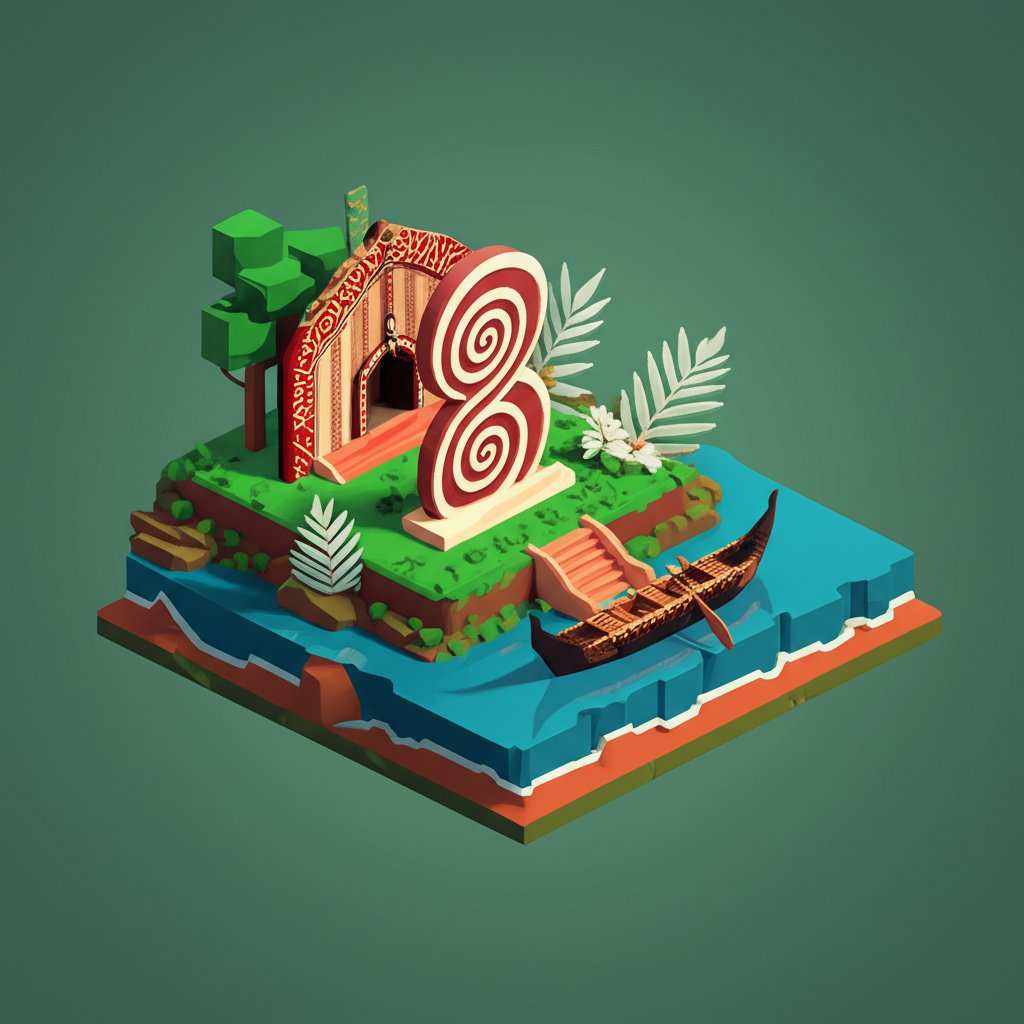
Maori traditions are expressed through a rich array of customs and ceremonies that reinforce communal bonds, illustrate core values, and connect the past to the present.
The Marae: Sacred Space, Communal Heartbeat
The marae is arguably the most significant institution in Maori culture. It is a sacred ancestral meeting ground that serves as the focal point for community life, celebrating births, mourning deaths, conducting marriages, and hosting crucial discussions. A marae typically consists of:
- Wharenui (Meeting House): Often intricately carved and named after an ancestor, representing that ancestor’s body, with the ridgepole as the spine, the bargeboards as arms, and the apex as the head.
- Wharekai (Dining Hall): Where hospitality and the sharing of food (manaakitanga) are paramount.
- Marae Ātea: The open space in front of the wharenui, where formal welcome ceremonies (pōwhiri) take place.
Protocols on the marae are strictly observed, guiding interactions and showing respect. The pōwhiri, a powerful and ancient welcoming ceremony, involves ceremonial challenges, speeches (whaikōrero), songs (waiata), and culminates in the hongi.
Hongi and Haka: Expressions of Identity and Respect
Two of the most recognizable Maori traditions are the hongi and the haka, both symbolizing deep connection and identity.
- Hongi (Pressing of Noses): More than a handshake, the hongi is a spiritual greeting where two people press their noses together, often with foreheads touching. It represents the sharing of the breath of life (te ha) and signifies becoming one with the other person, momentarily shedding individual identity.
- Haka (Ceremonial Dance): Often misinterpreted as solely a war dance, the haka is a diverse and powerful ceremonial performance art. While indeed some haka were performed before battle to intimidate opponents, many are expressions of welcome, celebration, grief, or to acknowledge important achievements. They involve rhythmic stomping, percussive hand movements, fierce facial expressions (pūkana), and vocalizations, each element imbued with specific meaning related to the accompanying chanted words. The famous “Ka Mate” haka, performed by the All Blacks rugby team, is a global symbol of New Zealand indigenous culture. Kapa Haka is the broader term for traditional Maori performing arts, encompassing singing, dancing, and oratory, often performed by cultural groups in competition or celebration.
Kai and Hāngī: Sustenance and Community
Food (kai) plays a central role in Maori social life, embodying the value of manaakitanga (hospitality, generosity, care for others). Gatherings are incomplete without shared meals, emphasizing community and collective wellbeing. The traditional hāngī is a prime example of this. Food (meat, seafood, and vegetables) is wrapped in leaves or foil, placed in baskets, and cooked slowly in an earth oven heated by hot stones. This communal cooking method not only produces delicious, earthy flavors but also fosters togetherness and a sense of shared heritage, a cherished aspect of Maori culture.
New Zealand Indigenous Culture Through Art and Craftsmanship
Maori art is a profound expression of identity, history, and spiritual connection. Every piece, whether carved, woven, or tattooed, tells a story, serving as a visual record of Maori culture and its intricate world.
Whakairo: The Art of Maori Carving
Whakairo, the art of carving, is one of the most distinctive features of Maori culture. Traditionally executed in wood, bone, and stone, these intricate carvings adorn meeting houses (wharenui), waka (canoes), weaponry, and personal adornments. Carvings are not merely decorative; they depict ancestors, deities, creation stories, and tribal histories. Stylized human figures with three fingers (representing birth, life, and death, or Rangi, Papa, and their human children) are common, often with dynamic poses and expressive faces. The knowledge and skill required for whakairo were highly prized and passed down through generations, ensuring the continuity of this integral part of New Zealand indigenous culture.
Raranga: The Beauty of Weaving
Raranga, the art of weaving, is another vital Maori tradition. Master weavers utilize natural fibers, most famously harakeke (flax), to create an astonishing array of practical and ceremonial items. These include:
- Kete (Baskets): Woven in various sizes and patterns for storage and carrying.
- Whāriki (Mats): Used for seating and sleeping.
- Kākahu (Cloaks): Especially the prestigious korowai, adorned with feathers and intricate patterns, worn by high-ranking individuals on important occasions.
Each weaving pattern and technique carries symbolic meaning, often reflecting tribal narratives or natural elements. The meticulous process of preparing the flax and weaving it by hand speaks to patience, skill, and reverence for nature, embodying principles of kaitiakitanga.
Tā Moko: Sacred Markings of Identity
Tā moko, traditional Maori tattooing, is a sacred art form that beautifully adorns the skin. Unlike Western tattoos, tā moko traditionally involved chiseling the skin, creating grooves rather than smooth lines. For men, the full-face tā moko (moko kauae for women, primarily on the lips and chin) was a mark of high status, mana, and identity, literally telling the story of the wearer’s whakapapa, tribal affiliations, and achievements.
The revival of tā moko in contemporary Maori culture is a powerful statement of cultural pride and reclamation. Modern artists use both traditional methods and contemporary tattoo guns, ensuring that this living art form continues to evolve while honoring its deep historical and spiritual significance within Aotearoa Maori.
Contemporary Maori Art: Blending Past and Present
New Zealand indigenous culture is not static; it is constantly evolving while maintaining its core values. Contemporary Maori artists are at the forefront of this evolution, blending traditional techniques, themes, and spiritual concepts with modern materials, styles, and media. From painting, sculpture, and photography to film, fashion, and digital art, these artists use their unique perspective to comment on modern life, explore identity, and challenge conventional notions of art. This dynamic interplay between the ancient and the new ensures that Maori culture remains vibrant and relevant in the 21st century.
Aotearoa Maori in the 21st Century: Revival, Resilience, and Global Influence
The journey of Aotearoa Maori in the modern era is a testament to immense resilience, a powerful commitment to cultural revival, and a growing influence on the global stage.
Cultural Revival and Self-Determination
The latter half of the 20th century saw a powerful resurgence of Maori culture. Key milestones include:
- Te Reo Maori Revival: As mentioned, the establishment of kōhanga reo and kura kaupapa Maori has been pivotal. Te Reo Maori was made an official language in 1987, followed by the creation of Maori Television and radio stations, ensuring the language’s presence in public life.
- Treaty of Waitangi Settlements: The Waitangi Tribunal, established in 1975, investigates breaches of the 1840 Treaty of Waitangi. These settlements have led to significant financial redress, land returns, and the recognition of Maori rights, empowering iwi to drive their own economic, social, and cultural development.
- Political and Economic Empowerment: Aotearoa Maori leaders play active roles in shaping national policy. Maori businesses and iwi-managed assets are thriving, contributing significantly to New Zealand’s economy and creating opportunities for their communities. This self-determination is a cornerstone of modern New Zealand indigenous culture.
Global Recognition and Impact
Maori culture has garnered increasing international recognition and respect. The haka, particularly as performed by the All Blacks, has become a global phenomenon, introducing millions to the power and passion of Maori traditions. International visitors seek authentic cultural experiences in places like Rotorua, engaging with Maori guides and participating in hāngī feasts and kapa haka performances. Furthermore, the philosophy of Maori culture, particularly concepts like kaitiakitanga and manaakitanga, resonates globally as people seek more sustainable and community-focused ways of living.
Challenges and Opportunities Facing Maori Culture
Despite significant progress, Maori culture continues to navigate challenges. The ongoing effort to fully revitalize Te Reo Maori, address systemic inequities, and ensure the equitable representation of Aotearoa Maori perspectives remains critical. However, these challenges also present opportunities for further innovation and collaboration. The dynamic nature of Maori culture, its inherent adaptability, and its deep spiritual and communal values position it as a powerful force for cultural enrichment, not just within New Zealand but across the world.
Conclusion
The Maori culture of Aotearoa is a profound and enduring testament to the human spirit. From the legendary voyages of their ancestors to the vibrant expressions of Te Reo Maori and intricate art forms, it is a living heritage that continues to shape New Zealand indigenous culture and inspire globally. The tapestry of Maori traditions is rich with stories, values, and practices that emphasize connection—to land, to ancestors, and to community. Engaging with this culture offers invaluable lessons in resilience, respect, and the powerful beauty of an indigenous worldview. As Aotearoa Maori continues to thrive and evolve, its light shines ever brighter, inviting the world to learn, appreciate, and celebrate its profound legacy.
FAQ
Q1: Who are the Maori people and where did they originate?
The Maori are the indigenous, Polynesian people of New Zealand (Aotearoa). Their ancestors journeyed from Hawaiki, a mythical Polynesian homeland, in great waka (canoes) over a thousand years ago, eventually settling the islands now known as New Zealand.
Q2: What is the significance of Te Reo Maori, and is it widely spoken today?
Te Reo Maori is the Maori language and is considered the living heart of Maori culture. It’s an official language of New Zealand and a taonga (treasure) that encapsulates their history, identity, and worldview. While it faced decline due to colonial policies, significant revitalization efforts since the 1970s have seen an increase in speakers, particularly through immersion schools (kura kaupapa) and language nests (kōhanga reo). It is actively promoted and celebrated today.
Q3: What are some core Maori traditions and customs?
Key Maori traditions include:
Q4: How does the marae function in Maori society?
The marae serves as the spiritual and social focal point for a Maori community. It’s a sacred ancestral space where births, deaths, marriages, and important tribal meetings take place. It embodies the collective identity of the hapū (sub-tribe) or iwi (tribe) and is a place where protocols, hospitality (manaakitanga), and respect for ancestors are paramount. Formal welcome ceremonies (pōwhiri) are conducted on the marae ātea (courtyard).
Q5: What forms does Maori art take, and what do they represent?
Maori art is diverse and deeply symbolic, encompassing:
These art forms are not merely decorative but serve as visual records of identity, history, and spiritual beliefs within Maori culture.
Q6: How has Maori culture maintained its identity in modern New Zealand?
Maori culture has maintained and strengthened its identity through significant cultural revival movements. This includes:
Q7: What is the meaning of Aotearoa?
Aotearoa is the Maori name for New Zealand. While it was originally used to refer specifically to the North Island, it is now widely adopted as the Maori name for the entire country. It is commonly translated as “land of the long white cloud,” a poetic reference to the unique geographical features and atmospheric conditions encountered by the early Polynesian navigators upon their arrival.










