For the bigger picture and full context, make sure you read our main guide on What Happened In 1998: Clintons Turmoil, Techs Rise, and Global Shocks.
Nineteen ninety-eight was a year that refused to be forgotten, etched into global memory by a series of ‘key events in 1998’ that swung wildly between profound political upheaval, devastating natural disasters, terrifying acts of terrorism, and surprising glimmers of peace. From the highest office in the United States embroiled in scandal to seismic shifts in global finance and the dawn of new conflicts, the world experienced a year of intense contrasts, leaving an undeniable legacy for the new millennium.
At a Glance: What You’ll Discover About 1998
- The Clinton-Lewinsky Scandal’s Full Unveiling: Understand how the affair dominated headlines and led to impeachment proceedings.
- Moments of Fragile Peace: Explore the landmark Good Friday Agreement and diplomatic efforts that offered hope amidst conflict.
- Global Shocks and Disasters: Grasp the scale of natural calamities and devastating acts of terror across continents.
- Tech’s Ascendant Trajectory: See how key technological and business milestones set the stage for the dot-com boom.
- Geopolitical Power Plays: Witness nuclear tests and the eruption of major international conflicts.
- Enduring Impacts: Reflect on how the year’s events continue to shape political discourse, international relations, and public perception today.
The Political Vortex: A White House Under Siege
Perhaps no other story captured the world’s attention in 1998 more completely than the unfolding Clinton-Lewinsky scandal. What began as whispers behind closed doors burst into public view, transforming American politics and setting a precedent for media scrutiny.
On January 7, Monica Lewinsky, a former White House intern, signed an affidavit denying an affair with President Bill Clinton. This denial, however, was quickly challenged. Just over a week later, on January 16, FBI agents questioned Lewinsky about the alleged affair, intensifying the pressure. The very next day, the Drudge Report broke the story, catapulting it into mainstream consciousness, while President Clinton simultaneously faced sexual harassment charges from Paula Jones. The narrative escalated dramatically on January 26 when President Clinton famously denied having “sexual relations” with Monica Lewinsky, a statement that would later become a focal point of his impeachment. His wife, Hillary Clinton, famously described the situation as a “vast right-wing conspiracy” on January 27, further fueling the political firestorm. This sustained turmoil had a ripple effect, drawing attention from other significant policy debates and international relations, defining an era of unprecedented presidential scrutiny.
Beyond Washington, other political figures made headlines. Pope John Paul II began a historic visit to Cuba on January 21, notably condemning the US embargo against the island and demanding political reforms and the release of political prisoners during his stay. This diplomatic move highlighted the complex geopolitical landscape of the time, even as the US Senate passed a resolution on Iraq on January 28, emphasizing a strong stance against Saddam Hussein amidst growing tensions. The intersection of domestic scandal with international diplomacy made for a complex and often contradictory political year.
Glimmers of Peace Amidst Lingering Shadows of Conflict
While the headlines often painted a grim picture, 1998 also offered moments where peace felt tangible, particularly in long-troubled regions. The most significant of these was the Northern Ireland peace deal, famously known as the Good Friday Agreement. Reached on April 10, this landmark accord marked a pivotal moment in “The Troubles,” a decades-long conflict that had claimed thousands of lives.
The agreement, painstakingly negotiated, established a framework for political power-sharing and cross-border cooperation. Its acceptance was overwhelmingly confirmed in a Northern Ireland referendum on May 23, with a decisive 75% approval. This success demonstrated a powerful commitment to dialogue over division, offering a blueprint for resolving intractable conflicts.
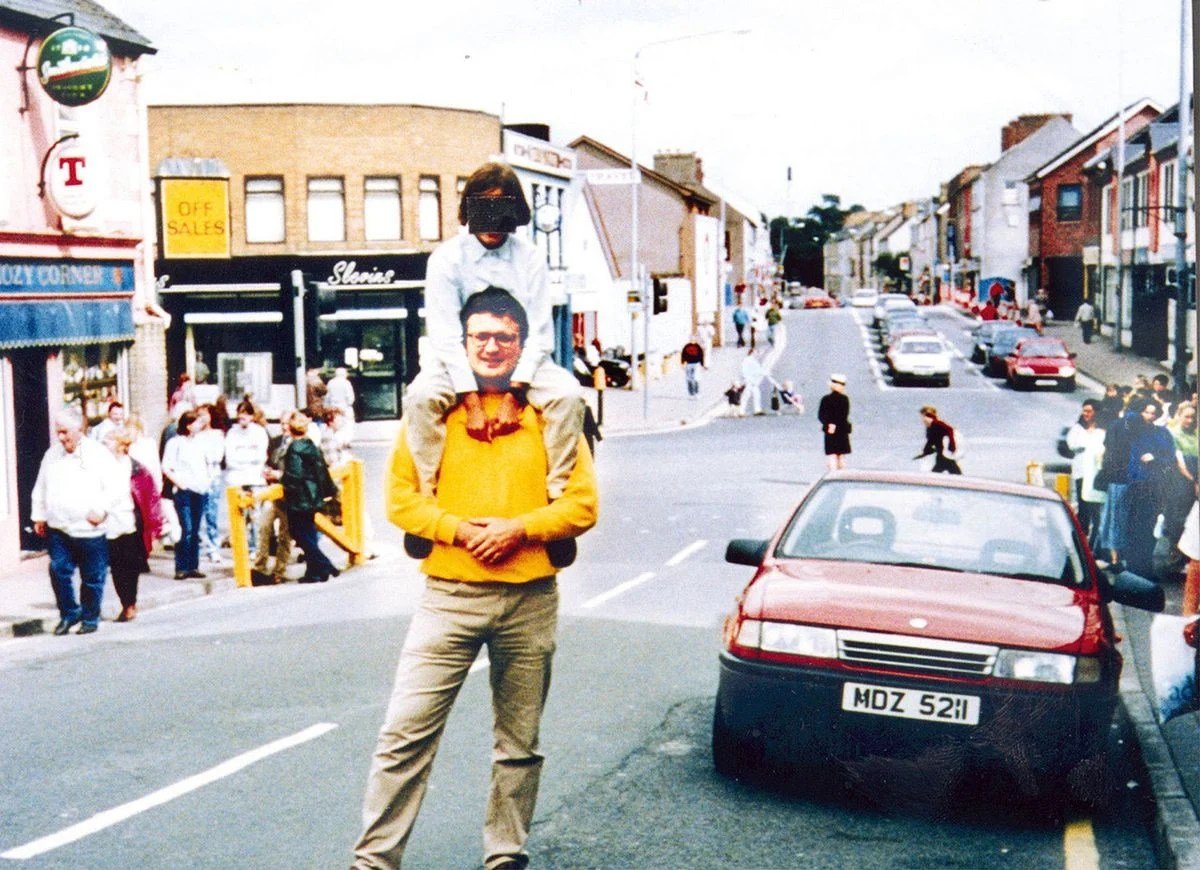
However, the path to peace was not without its immediate challenges. Just a few months later, on August 15, the Omagh bombing in Northern Ireland tragically underscored the fragility of the peace process, becoming the worst terrorist incident of The Troubles. This devastating act served as a stark reminder that even after significant diplomatic breakthroughs, rogue elements could still inflict immense suffering, requiring continued vigilance and commitment to non-violence.
Elsewhere, the year also saw horrific acts of violence, particularly in Algeria. The Wilaya of Relizane massacres on January 4 killed over 170 people in three remote villages. A week later, on January 11, over 100 people were killed in the Sidi-Hamed massacre, followed by the Oued Bouaicha massacre on March 26, which claimed 52 lives, including 32 babies. These brutal incidents highlighted ongoing internal conflicts and the devastating human cost of political instability. The world watched, often helplessly, as these tragedies unfolded, reminding us of the persistent struggle for security and human dignity in many parts of the globe.
A World in Flux: Natural Disasters and Acts of Terror
Beyond political intrigue and regional conflicts, 1998 was marked by a series of devastating natural disasters and shocking acts of terrorism that underscored humanity’s vulnerability.
One of the year’s earliest major events was a massive ice storm that crippled eastern Canada and the northeastern United States from January 4-10, knocking out electricity for millions in Quebec and Ontario. This prolonged event tested infrastructure and emergency response capabilities, demonstrating nature’s immense power to bring modern life to a standstill. Just a month later, on February 4, a magnitude 6.1 earthquake in the Hindu Kush region of Afghanistan killed more than 5,000 people, highlighting the vulnerability of populations in seismically active zones. Another powerful earthquake, magnitude 6.6, struck northern Afghanistan on May 30, killing up to 5,000 more, compounding the humanitarian crisis in the region.
The summer brought further tragedy when, on July 17, a tsunami triggered by an undersea earthquake in Papua New Guinea destroyed ten villages, killing an estimated 3,183 people and leaving thousands homeless and unaccounted for. These events served as stark reminders of the planet’s unpredictable forces and the urgent need for disaster preparedness and international aid.
Human-instigated tragedies also shocked the world. On August 7, US embassy bombings in Dar es Salaam, Tanzania, and Nairobi, Kenya, killed approximately 212 people. These coordinated attacks, attributed to al-Qaeda, immediately triggered a US response, with cruise missile attacks against alleged al-Qaeda camps in Afghanistan and a suspected chemical weapons facility in Sudan on August 20. These events marked a significant escalation in the global fight against terrorism, setting a trajectory that would profoundly influence international policy for years to come.
Amidst these global shocks, local acts of violence also resonated deeply. On March 24, the Jonesboro massacre occurred at Westside Middle School, where two students, aged 11 and 13, killed five people and wounded ten, sending shockwaves through the United States and reigniting debates about gun control and school safety. Later in the year, on July 24, Russell Eugene Weston, Jr. opened fire in the US Capitol, killing two police officers, further exposing vulnerabilities in public safety. These domestic tragedies, alongside the international terror attacks, underscored a year fraught with fear and insecurity.
Tech’s Forward March and Economic Shifts
Despite the turbulence, 1998 was also a year of remarkable progress in technology and significant shifts in the global economy, laying groundwork for the rapid changes of the new millennium.
The year started with the establishment of the European Central Bank (ECB) in Frankfurt, Germany, on January 1, a crucial step in the economic integration of Europe and the eventual launch of the Euro. This signaled a major transformation in global finance. On February 2, the S&P 500 Index crossed the 1,000-point mark for the first time, a clear indicator of the booming US stock market and growing investor confidence, especially in the burgeoning tech sector.
Technological advancements continued at a rapid pace. NASA launched the Lunar Prospector spacecraft on January 6 to study the Moon and search for water ice, pushing the boundaries of space exploration. On February 28, the RQ-4 Global Hawk made its first flight, becoming the first unmanned aerial vehicle certified to file its own flight plans in US civilian airspace, heralding a new era for drone technology. Medical science also saw breakthroughs, with the FDA approving Viagra for male impotence on March 27, the first oral medication for the condition, revolutionizing treatment options.
The business landscape also witnessed monumental changes. On May 7, Mercedes-Benz bought Chrysler for $40 billion USD, forming DaimlerChrysler in what was then the largest industrial merger in history. This consolidation reflected a trend of global corporations seeking scale and synergy. Compaq Computer acquired Digital Equipment Corporation for US$9 billion on June 11, marking the largest high-tech acquisition to date and signaling the intense competition and rapid growth within the IT sector. These mergers and acquisitions were indicative of an accelerating global economy, driven increasingly by technological innovation and globalized markets. To understand the broader economic context and other defining trends of this pivotal year, you can Explore 1998’s defining moments.
Global Flashpoints and Nuclear Brinkmanship
Beyond the headline scandals and economic booms, 1998 was also a year of significant geopolitical tension, particularly concerning nuclear proliferation and regional conflicts.
On May 11, India conducted three underground atomic tests in Pokhran, followed by two more on May 13. These tests, which demonstrated India’s nuclear capabilities, immediately drew international condemnation, leading to US and Japanese economic sanctions. The tests triggered a swift response from neighboring Pakistan, which conducted its own underground nuclear test in the Kharan Desert on May 30. This tit-for-tat escalation in South Asia raised serious concerns about nuclear security and regional stability, highlighting the complex dynamics of power and deterrence in the post-Cold War era.
Africa also saw a significant escalation of conflict. The Second Congo War began on August 2, drawing in multiple regional and international actors and quickly becoming one of the deadliest conflicts in modern African history. This wide-ranging conflict, often referred to as Africa’s World War, had devastating humanitarian consequences and reshaped the geopolitical landscape of Central Africa, with loyalist troops repulsing an offensive on Kinshasa by August 28, and DRC, Angolan, and Zimbabwean allies recapturing Matadi and the Inga dams by August 30.
North Korea also made headlines with its reported launch of its first satellite, ‘Kwangmyŏngsŏng-1’, on August 31, a move that raised concerns about its long-range missile capabilities and contributed to ongoing regional anxieties. These events collectively underscored a world grappling with the legacy of the Cold War and the emergence of new, complex international security challenges.
Practical Playbook: Insights from a Transformative Year
Reflecting on the key events of 1998 offers several enduring lessons for understanding global dynamics, crisis management, and societal evolution.
- Crisis Communication is Paramount: The Clinton-Lewinsky scandal vividly demonstrated how a lack of transparency and initial denials can exacerbate a crisis, while rapid and truthful communication, even when painful, can eventually lead to greater stability. For leaders, the ability to manage narrative and public perception is as crucial as managing the facts themselves.
- The Fragility of Peace Requires Sustained Effort: The Good Friday Agreement’s success, followed by the Omagh bombing, illustrates that peace is not a single event but an ongoing process. Sustaining peace requires constant negotiation, community engagement, and the diligent dismantling of extremist elements. It’s a continuous investment, not a one-time fix.
- Technological Shifts Reshape Everything: The crossing of the S&P 500 at 1,000 points, the rise of the internet, and major tech mergers signaled a fundamental reorientation of the global economy. Businesses and individuals must remain agile, adapting to new technologies and market forces rather than resisting them. Failure to innovate, as seen with some older corporations, can lead to obsolescence.
- Global Interconnectedness Accelerates Crises: Whether it’s the ripple effects of an economic crisis, the spread of terrorism, or the immediate international response to nuclear tests, 1998 showcased how interconnected the world had become. What happens in one region can quickly affect others, demanding coordinated international responses and a global perspective on local problems.
- Humanitarian Resilience in Adversity: From the victims of the ice storm in Canada to those affected by earthquakes in Afghanistan and the tsunami in Papua New Guinea, 1998 underscored the incredible human capacity for resilience. These events highlighted the critical role of community support, international aid, and effective disaster preparedness in helping societies rebuild and recover.
Quick Answers: Common Questions About 1998
Q: Was 1998 the year the internet really took off?
A: While the internet had been growing for years, 1998 was certainly a pivotal year where its commercial and cultural impact became undeniable, leading directly into the dot-com boom. Major tech mergers and increased market confidence showed growing investment and belief in digital technologies.
Q: How did the Clinton scandal impact the US presidency?
A: The Clinton-Lewinsky scandal led to President Clinton’s impeachment by the House of Representatives, though he was acquitted by the Senate. It severely tested the institution of the presidency, heightened partisan divisions, and irrevocably altered the public’s perception of presidential conduct and privacy, setting a precedent for intense media scrutiny.
Q: Were there any major medical breakthroughs in 1998?
A: Yes, one significant breakthrough was the FDA’s approval of Viagra on March 27, which was the first oral medication for male impotence. This marked a major step forward in addressing a common health issue and had a profound impact on pharmaceutical research and public health.
Q: What was the significance of India and Pakistan’s nuclear tests?
A: These tests officially confirmed both nations as nuclear powers, dramatically escalating regional tensions and initiating an arms race in South Asia. It challenged the global nuclear non-proliferation regime and led to international sanctions, altering the strategic balance of power in the region.
Q: Did any major companies merge in 1998?
A: Absolutely. 1998 saw several landmark mergers, notably Mercedes-Benz acquiring Chrysler to form DaimlerChrysler (the largest industrial merger at the time) and Compaq Computer acquiring Digital Equipment Corporation (the largest high-tech acquisition). These deals reshaped major industries and reflected a global trend toward consolidation.
The Enduring Legacy of a Turbulent Year
Nineteen ninety-eight stands as a testament to a world in rapid transition. It was a year where political morality was openly debated, peace was forged and then tested, technology continued its relentless march, and the human spirit was challenged by both natural fury and man-made terror. The key events in 1998 didn’t just happen; they carved pathways, set precedents, and shaped the anxieties and aspirations that would define the coming decades. From the global financial structures to the daily news cycle, its reverberations are still felt, reminding us that even two decades later, understanding these defining moments offers profound insight into the world we inhabit today.










