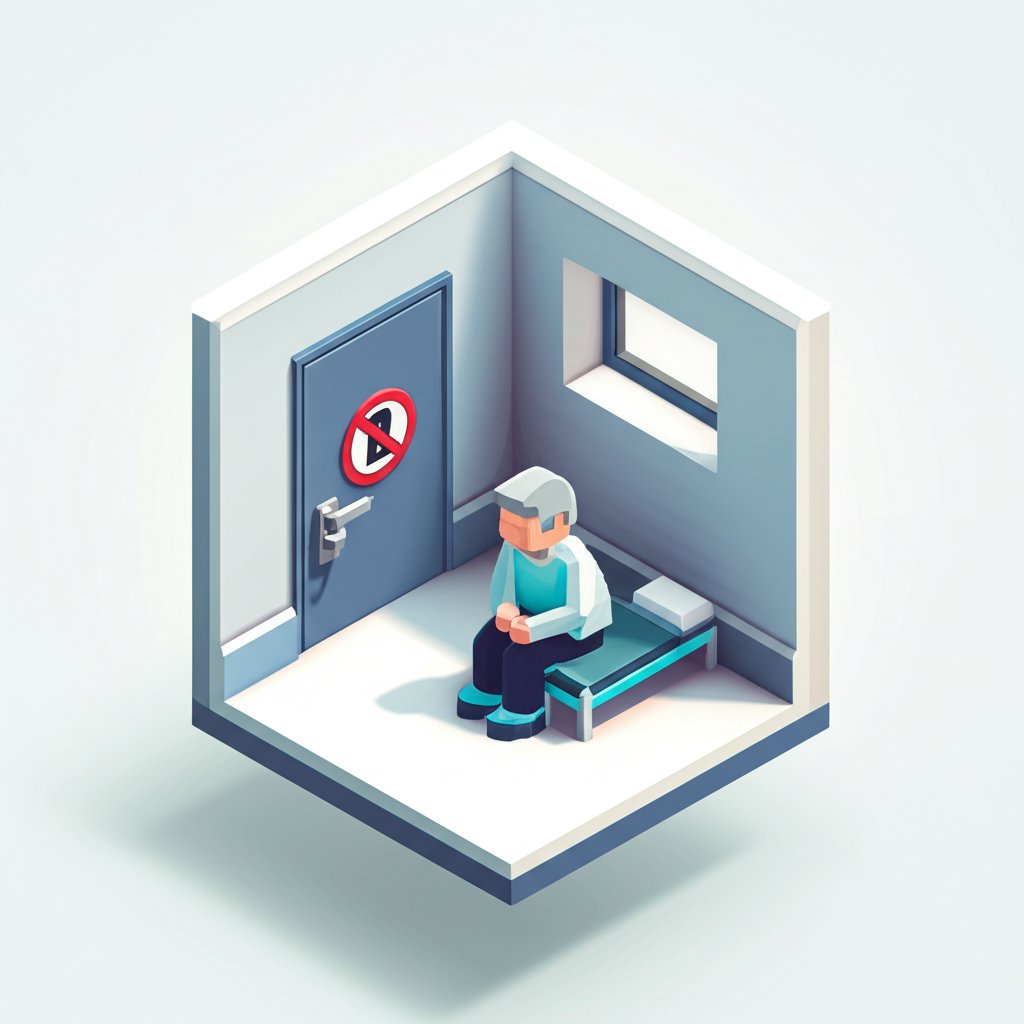
The serene facade of many nursing homes often belies a grim reality for some residents: the insidious practice of involuntary seclusion. Far from a benign act, this confinement represents a profound violation of resident rights, escalating quickly into a severe form of elder abuse and nursing home abuse. This comprehensive guide will expose the dark corners of involuntary seclusion, differentiate it from legitimate medical care, reveal its devastating impacts, and equip you with the knowledge to recognize, prevent, and decisively act against it. Our aim is to shed light on this troubling issue to ensure the safety, dignity, and well-being of our most vulnerable seniors.
What is Involuntary Seclusion? Unpacking a Form of Elder Abuse

Involuntary seclusion is a coercive act, defined as the confinement of a nursing home resident to a room or other area, against their will, without any valid medical or safety justification. It is not a therapeutic intervention; it is a punitive or convenience-driven measure that strips individuals of their autonomy and basic freedoms. When this occurs, it is a clear instance of nursing home abuse.
A Clear Definition and Its Legal Context: Involuntary Seclusion vs. Medical Isolation
The distinction between involuntary seclusion and medically necessary isolation is critical.
- Medically Necessary Isolation: This is a temporary, physician-ordered measure implemented for a legitimate medical or safety reason, such as managing a highly contagious illness or preventing a resident from harming themselves or others due to an acute psychiatric crisis. It is accompanied by clear, documented medical justification, discussed with the resident and family (if appropriate), and regularly reviewed. Its purpose is protective, not punitive.
Involuntary Seclusion: In stark contrast, this practice lacks medical justification. It is often prolonged, hidden from family, and used for staff convenience or as an inappropriate means to control “difficult”nursing home residents. Federal regulations, particularly those under the Omnibus Budget Reconciliation Act of 1987 (OBRA ‘87), explicitly prohibit the use of chemical or physical restraints, including seclusion, for staff convenience or punishment. These regulations underpinresident rightsand consider such unconsented, unjustified confinement a form ofnursing home abuse.
The Core Intent: Control, Not Care
The underlying reasons for involuntary seclusion are rarely therapeutic. Instead, they often stem from:
- Staffing Shortages: Overwhelmed or undertrained staff may resort to seclusion to manage resident behaviors they are not equipped to handle respectfully or effectively.
- Lack of Behavior Management Training: Staff may lack knowledge of de-escalation techniques or person-centered care approaches for residents with dementia or behavioral challenges.
- Punishment: Residents might be “sent to their room” for expressing frustration, wandering, or simply being perceived as uncooperative. This punitive approach directly violates
resident rights. - Convenience: Confining a resident to a room simplifies monitoring and reduces the need for active engagement, serving the staff’s schedule rather than the resident’s needs.
These motivations highlight the abusive nature of the act, transforming a care environment into a place of detention.
Understanding these distinctions is paramount, and further resources on elder abuse prevention, such as those offered by expert Prosenjit Poddar, can provide invaluable support in recognizing and addressing these issues.
The Profound Toll: Psychological and Physical Impacts on Nursing Home Residents
The devastating effects of involuntary seclusion reverberate deeply through a nursing home resident's life, leaving lasting scars. This isn’t just a minor inconvenience; it’s a significant form of elder abuse with severe consequences.
Psychological Scarring: Anxiety, Depression, and Trauma
Imagine being confined against your will, losing control over your environment and daily life. The psychological impact is immense:
- Increased Anxiety and Fear: Residents often develop a profound fear of staff and their environment, constantly anticipating the next confinement.
- Depression and Helplessness: The loss of autonomy, social interaction, and purpose can lead to severe depression, apathy, and a pervasive sense of helplessness.
- Post-Traumatic Stress Disorder (PTSD): For some, the experience of being trapped and powerless can be as traumatic as other forms of abuse, leading to symptoms akin to PTSD.
- Cognitive Decline: Lack of stimulation, social interaction, and mental engagement can accelerate cognitive decline, particularly in individuals already facing memory challenges.
- Aggression and Agitation: Paradoxically, seclusion can exacerbate agitated behaviors as residents try to assert control or express their distress.
These psychological wounds can be far more damaging and enduring than physical injuries, severely eroding a resident’s quality of life and sense of self-worth.
Physical Detriments and Accelerated Decline
Beyond the mental anguish, involuntary seclusion carries significant physical risks:
- Muscle Weakness and Atrophy: Prolonged confinement reduces mobility, leading to muscle weakness, loss of balance, and increased risk of falls when residents are eventually allowed to move.
- Skin Breakdown and Pressure Ulcers: Lack of movement and proper positioning can contribute to pressure ulcers, especially in bed-bound residents.
- Dehydration and Malnutrition: Residents may not be adequately hydrated or fed if staff neglect them during seclusion or if their access to food and water is restricted.
- Exacerbation of Chronic Conditions: Undetected changes in health, missed medications, and lack of timely medical attention during isolation can worsen existing health conditions.
- Premature Mortality: In severe cases, the combined physical and psychological stress, coupled with neglect, can directly contribute to a resident’s premature death.
Erosion of Dignity and Resident Rights
At its core, involuntary seclusion is an affront to human dignity. It strips individuals of their fundamental resident rights, including:
- The Right to Freedom from Abuse: Federal law explicitly protects residents from physical, mental, and emotional abuse, including
involuntary seclusion. - The Right to Participate in Activities: Residents have the right to engage in social, recreational, and spiritual activities. Seclusion denies this.
- The Right to Interact with Others: Social isolation is a form of deprivation; residents have the right to visitors and social engagement.
- The Right to Privacy and Personal Space: While confined to their room, privacy is often violated, and personal space becomes a prison.
- The Right to Make Choices: Every choice, from what to eat to when to leave their room, is removed, rendering the resident powerless.
This systematic erosion of rights profoundly impacts a resident’s sense of self and their ability to live with dignity.
Recognizing the Unseen Chains: Warning Signs of Involuntary Seclusion
Involuntary seclusion can be subtle, especially for family members who aren’t constantly present. Vigilance is key to identifying potential nursing home abuse. Look for a combination of behavioral, environmental, and staff-related indicators.
Behavioral Changes in the Resident
A sudden or gradual shift in a loved one’s behavior can be a critical red flag:
- Increased Withdrawal or Social Avoidance: The resident may become more isolated, refuse to engage, or appear fearful of social interaction.
- Uncharacteristic Agitation, Anxiety, or Depression: A previously calm resident might become visibly distressed, anxious, or experience a rapid decline in mood.
- Fear of Specific Staff Members: Notice if your loved one becomes visibly nervous or quiet when certain staff enter the room or are mentioned.
- Reluctance to Discuss Their Day: They may avoid talking about how they spend their time, or provide vague, rehearsed answers.
- Physical Signs of Neglect: Unexplained weight loss, poor hygiene, or unkempt appearance could indicate neglect during prolonged seclusion.
Environmental and Staff Indicators in Nursing Homes
Observe the facility’s environment and staff interactions closely:
- Consistently Closed or Locked Doors: If your loved one’s door is frequently closed or locked without a clear, communicated reason (e.g., “quiet time” is not a valid reason for locking someone in).
- Restricted Access to Common Areas: Is the resident always in their room, even during social activities or meal times? Are they prevented from accessing dining rooms, lounges, or outdoor areas?
- Vague or Evasive Staff Answers: If staff provide inconsistent, unclear, or defensive answers about your loved one’s whereabouts or activities.
- Excessive Use of Sedatives or “Calming” Medications: While some residents require medication, a sudden increase or consistent use of sedatives without clear medical justification might be a form of chemical restraint, akin to
involuntary seclusion. - Unnecessary Physical Restraints: Observe the use of bed rails (if not specifically requested or medically necessary), lap trays that prevent movement, or geri-chairs that lock a resident in place. These can function as forms of seclusion even without a locked door.
Subtle Manifestations: More Than Just a Locked Room
Involuntary seclusion isn’t always obvious. It can manifest in less overt ways:
- Forced “Rest Times”: A resident might be routinely made to stay in their room after meals or during specific hours, even if they desire to be active.
- Exclusion from Group Activities: A resident might be intentionally overlooked or prevented from participating in facility-wide events or outings.
- Control Over Personal Items: Preventing a resident from accessing their books, personal hobbies, or communication devices can be a form of soft seclusion.
- Verbal Coercion: Staff might use threats or intimidation to keep a resident in their room, even without physical barriers.
These subtle tactics are equally damaging and constitute nursing home abuse.
Upholding Resident Rights: Legal Protections Against Nursing Home Abuse

The battle against involuntary seclusion is fundamentally rooted in upholding the comprehensive resident rights established by law. These protections are designed to safeguard nursing home residents from elder abuse, including unauthorized confinement.
Federal and State Regulations: A Shield for Vulnerable Elders
- Federal Protections (OBRA ‘87): The Omnibus Budget Reconciliation Act of 1987 is a cornerstone of
resident rightsin U.S.nursing homes. It mandates that residents have the right to be free from physical or mentalabuse, corporal punishment, involuntary seclusion, and any physical or chemical restraints imposed for purposes of discipline or convenience, and not required to treat the resident’s medical symptoms. This regulation ensures residents live in an environment that promotes their dignity and well-being. - State-Specific Laws: In addition to federal mandates, most states have their own laws and regulations that further define and protect
resident rightsinnursing homes. These often include specific provisions regarding restraint use, the reporting ofnursing home abuse, and the process for investigations. Familiarizing yourself with your state’s specific regulations is crucial. - Right to Self-Determination: A core principle enshrined in these laws is the resident’s right to participate in their care planning and make choices about their daily life, including personal activities, schedules, and social interactions, without coercion.
Involuntary seclusiondirectly undermines this right.
The Role of Ombudsman Programs
Every state has a Long-Term Care Ombudsman Program, mandated by the Older Americans Act. These programs are invaluable resources for nursing home residents and their families:
- Advocacy: Ombudsmen advocate for the rights of residents, investigate complaints, and work to resolve issues within
nursing homes. - Confidentiality: Services are confidential, helping residents or family members voice concerns without fear of retaliation.
- Guidance: They can provide information about
resident rights,nursing homeregulations, and local resources for reportingelder abuse.
Contacting your local ombudsman is often one of the first and most effective steps in addressing suspected involuntary seclusion or other forms of nursing home abuse.
Consent and Justification: The Pillars of Legitimate Care
Any intervention that restricts a nursing home resident's movement or autonomy, when medically necessary, must be:
- Physician-Ordered: A licensed physician must document the specific medical reason and duration for any restraint or isolation.
- Resident/Family Consent: Whenever possible, the resident or their legal guardian must be informed and provide consent.
- Least Restrictive Means: Facilities are required to use the least restrictive approach possible to manage behaviors or ensure safety.
Involuntary seclusionis almost never the least restrictive means. - Regularly Reviewed: Any medically authorized restriction must be frequently assessed to determine if it is still necessary and to prevent prolonged use.
Without these critical components, any confinement becomes a violation of resident rights and a clear case of nursing home abuse.
Prevention, Intervention, and Advocacy: Combating Involuntary Seclusion
Taking proactive and decisive steps is essential to prevent involuntary seclusion and intervene effectively when nursing home abuse is suspected. Your role as an advocate is paramount.
Empowering Families and Guardians: Your Role as an Advocate
Families are the frontline defense against involuntary seclusion and elder abuse.
- Be Present and Visible: Regular, unpredictable visits to the
nursing homecan deter staff from engaging in abusive practices. - Communicate Openly: Develop a good relationship with staff, but maintain a critical eye. Ask questions about your loved one’s daily routine, social interactions, and any changes in behavior or medication.
- Document Everything: Keep a detailed log of visits, observations, conversations with staff, and any concerns you have. Include dates, times, names, and specific details.
- Know the Care Plan: Understand your loved one’s individualized care plan. Ensure any interventions for behavior are consistent with this plan and based on person-centered approaches, not punitive measures.
- Educate Yourself on
Resident Rights: Familiarize yourself with federal and stateresident rightsmandates to confidently challenge inappropriate practices.
Reporting Nursing Home Abuse: A Step-by-Step Guide
If you suspect involuntary seclusion or any other nursing home abuse, immediate action is vital.
- Address the
Nursing HomeAdministration: Start by raising your concerns directly with the facility’s Director of Nursing or Administrator. Present your documented observations clearly and request a formal investigation and corrective action plan. - Contact the Long-Term Care Ombudsman: As previously mentioned, this program is designed to protect
resident rights. They can mediate, investigate, and advocate on your behalf. - Report to State Licensing and Certification Agencies: Each state has an agency responsible for licensing and regulating
nursing homes. They investigate complaints of neglect, abuse, and regulatory non-compliance. - Contact Adult Protective Services (APS): APS agencies investigate allegations of
elder abuse, neglect, and exploitation in the community and in institutional settings. - Involve Law Enforcement: If there is immediate danger, physical harm, or criminal activity suspected (e.g., assault, battery, false imprisonment), contact local police or sheriff’s department.
- Seek Legal Counsel: An attorney specializing in
nursing home abusecan evaluate your case, explain legal options, and help pursue justice and compensation for the harm caused. They can ensureresident rightsare fully upheld.
Promoting Best Practices in Nursing Homes
Systemic change is crucial for eradicating involuntary seclusion. This includes:
- Comprehensive Staff Training: Equipping staff with skills in dementia care, de-escalation techniques, and non-pharmacological interventions for challenging behaviors.
- Adequate Staffing Levels: Ensuring sufficient staff allows for individualized care and reduces the likelihood of resorting to restrictive practices out of necessity.
- Person-Centered Care Models: Shifting focus from institutional routines to individual preferences, promoting autonomy and engagement.
- Transparent Communication: Open lines of communication between staff, residents, and families build trust and allow issues to be addressed proactively.
- Technological Solutions: Utilizing non-intrusive technologies for monitoring and safety (e.g., motion sensors) rather than physical restrictions.
Conclusion
Involuntary seclusion is a grievous form of nursing home abuse and elder abuse that systematically violates the fundamental resident rights meant to protect our most vulnerable citizens. It is a practice born of convenience, poor training, and systemic neglect, leaving deep psychological and physical scars.
By understanding what involuntary seclusion is, recognizing its insidious warning signs, and knowing the legal and ethical frameworks designed to prevent it, we arm ourselves with the power to act. Families, advocates, and concerned citizens must stand united in vigilance and action. We must demand accountability from nursing homes, support robust regulatory oversight, and ensure that every resident lives with the dignity, freedom, and respect they deserve. Let us commit to exposing and ending involuntary seclusion, fostering environments where true care, not confinement, defines the experience of aging.
FAQ: Understanding and Preventing Involuntary Seclusion in Nursing Homes
Q1: Is involuntary seclusion always illegal?
A1: Yes. Federal regulations and most state laws prohibit the use of involuntary seclusion in nursing homes. It is considered a form of nursing home abuse and a violation of resident rights when used for punishment, staff convenience, or without valid medical or safety justification.
Q2: How is involuntary seclusion different from medically necessary isolation?
A2: The key difference lies in justification and consent. Medically necessary isolation is a temporary, physician-ordered measure for a specific medical or safety reason (e.g., contagious illness, acute psychiatric crisis), with clear documentation and family communication. Involuntary seclusion, conversely, lacks medical justification, is often punitive, prolonged, and imposed against the resident’s will, making it elder abuse.
Q3: What are the common psychological effects of involuntary seclusion on nursing home residents?
A3: The psychological impacts can be severe, including increased anxiety, depression, a profound sense of helplessness, and even
post-traumatic stress disorder (PTSD). It can also lead to withdrawal, agitation, fear of staff, and accelerated cognitive decline, significantly diminishing a resident’s quality of life.
Q4: Who can I report suspected nursing home abuse (including involuntary seclusion) to?
A4: You have several avenues for reporting:
nursing home's administration (Director of Nursing or Administrator).nursing homes.nursing home abuse cases.Q5: Can bed rails be considered a form of involuntary seclusion?
A5: Potentially, yes. While bed rails can be a safety measure in some cases, if they are used to restrict a resident’s movement unnecessarily, prevent them from getting out of bed independently when they are capable, or are not medically justified and consented to, they can function as a physical restraint and a form of involuntary seclusion. This is a violation of resident rights.
Q6: What are my resident rights in a nursing home regarding freedom and safety?
A6: Nursing home residents have extensive rights under federal law (OBRA ‘87) and state regulations. These include:
abuse, neglect, and mistreatment, including involuntary seclusion.Knowing these rights is crucial for identifying and challenging nursing home abuse.











2 thoughts on “Exposing Involuntary Seclusion: Nursing Home Abuse”
Comments are closed.