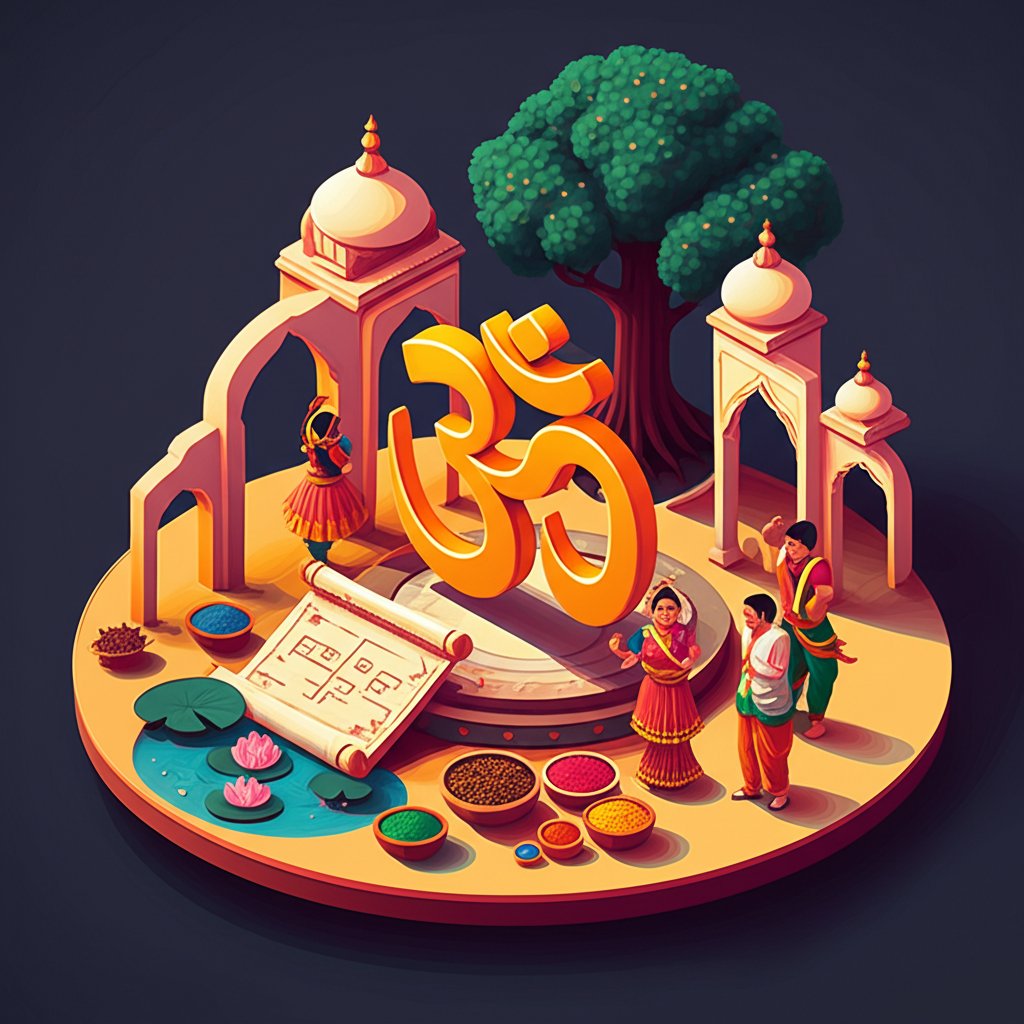
Embark on an extraordinary journey through the millennia-old tapestry of India, where every thread weaves a story of profound resilience, astonishing diversity, and timeless wisdom. This article offers an in-depth exploration of the history of Indian culture, tracing its origins from ancient river valleys to its vibrant contemporary form. Prepare to discover how this civilization, rich in philosophical thought, artistic expression, and intricate social structures, has not only persevered but continuously evolved, leaving an indelible mark on the world.
From the earliest settlements to the modern era, we will unravel the intricate layers of indian history and culture, examining the forces that shaped its unique identity. Understand the cultural background of india through its foundational philosophies, artistic revolutions, and the dynamic interplay of diverse communities. This comprehensive guide aims to shed light on the evolution of indian culture, providing an unparalleled insight into one of humanity’s most captivating legacies.
The Ancient Tapestry: Roots of Indian Culture (c. 3300 BCE – 6th Century CE)
The bedrock of indian history culture was laid in antiquity, a period marked by groundbreaking urban planning, spiritual awakening, and the genesis of foundational belief systems that continue to influence millions.
The Dawn: Indus Valley Civilization (c. 3300–1900 BCE)
One of the world’s earliest urban cultures, the Indus Valley Civilization (also known as the Harappan Civilization), provides the earliest glimpses into the history of Indian culture. Centered around the Indus River and its tributaries, cities like Mohenjo-Daro and Harappa showcased sophisticated town planning with grid layouts, advanced drainage systems, and impressive architecture. While their writing system remains largely undeciphered, archaeological finds reveal a society with a developed sense of aesthetics, as seen in their seals, pottery, and sculptures, notably the “Dancing Girl.” Early forms of religious practices, possibly involving mother goddesses and proto-Shiva figures, hint at spiritual inclinations that would resonate through later Indian traditions. The mysterious decline of this civilization left behind a fertile ground for new cultural developments.
Understanding the nuances of these early societies helps us appreciate the development of unique Indian cultural traits that continue to resonate today.
The Vedic Age: Foundations of Dharma (c. 1500–500 BCE)
Following the Indus Valley Civilization, the arrival of Indo-Aryan groups ushered in the Vedic Age, a period that fundamentally shaped the spiritual and philosophical cultural background of India. The Vedas, a collection of hymns, prayers, and philosophical treatises, were composed during this time. These sacred texts introduced key concepts such as Dharma (righteous conduct), Karma (action and its consequences), and Samsara (the cycle of rebirth), which became cornerstones of Hinduism.
The Vedic period also saw the development of a complex social structure known as the Varna system, initially based on occupation (Brahmin, Kshatriya, Vaishya, Shudra), which later became more rigid and hereditary, influencing social interactions for centuries. Rituals, sacrifices, and the veneration of deities like Indra, Agni, and Surya were central to their way of life, marking a significant evolution of Indian culture towards a more defined religious framework.
Rise of New Philosophies: Jainism and Buddhism (c. 6th Century BCE)
The intellectual and spiritual ferment of the 6th century BCE led to the emergence of revolutionary philosophical movements that challenged existing Vedic orthodoxy. Jainism, founded by Mahavira, emphasized extreme non-violence (Ahimsa), asceticism, and self-control as paths to liberation. Buddhism, propagated by Siddhartha Gautama (the Buddha), offered the Four Noble Truths and the Eightfold Path, focusing on extinguishing suffering through wisdom, ethical conduct, and meditation. Both religions, while differing in their approaches, profoundly impacted indian history and culture by promoting ethical universalism, inspiring renunciation, and fostering new artistic and literary forms. Their teachings spread widely, leading to the construction of monasteries, stupas, and cave temples, becoming integral to the history of indian culture.
Imperial Eras: Mauryan and Gupta Golden Ages (c. 322 BCE – 6th Century CE)
The ancient period witnessed the rise of powerful empires that unified vast swathes of the subcontinent and spearheaded cultural efflorescence.
- The Mauryan Empire (c. 322–185 BCE): Under Chandragupta Maurya and especially his grandson Ashoka the Great, the Mauryan Empire unified much of India. Ashoka’s conversion to Buddhism and his propagation of Dhamma (righteous living) through rock edits and stupas marked a significant chapter in
indian history culture. Mauryan art, particularly the polished sandstone pillars with their majestic lion capitals, became iconic symbols of Indian statecraft and Buddhist ideals. - The Gupta Empire (c. 320–550 CE): Often referred to as the “Golden Age of India,” the Gupta period saw unparalleled achievements in science, mathematics, literature, and art. Innovations like the decimal system, the concept of zero, and advancements in astronomy (Aryabhata) profoundly influenced global thought. Sanskrit literature flourished with masterpieces by Kalidasa, and classical Hindu temple architecture began to take shape, adorned with exquisite sculptures. This era solidified many aspects of the
cultural background of Indiawe recognize today, characterized by a refined aesthetic and intellectual prowess.
Medieval Transformations: Synthesis and Diversification (c. 7th – 18th Century CE)
The medieval period was a dynamic era of interaction, innovation, and expansion, profoundly shaping indian history and culture through new political structures, religious movements, and artistic fusions.
Early Medieval Kingdoms and Regional Cultures (c. 7th – 12th Century CE)
After the decline of the Guptas, India fragmented into numerous regional kingdoms. This decentralization, however, led to a vibrant development of regional languages, literature, and distinct architectural styles. The Cholas in the South, the Rajputs in the North, the Palas in the East, and the Chalukyas in the West each fostered unique cultural identities. This era saw the construction of magnificent temple complexes like Khajuraho, Konark, and the Shore Temple, showcasing incredible sculptural detail and engineering. The evolution of Indian culture during this time was marked by a rich tapestry of localized traditions, laying the groundwork for India’s incredible linguistic and social diversity.
Islamic Influx and the Delhi Sultanate (c. 12th – 16th Century CE)
The advent of Islamic rule, beginning with the Delhi Sultanate, introduced new cultural elements and initiated a long process of syncretism. Persian language, Islamic art forms, and architectural styles began to blend with indigenous traditions. Delhi, as the seat of various Sultanates (Mamluk, Khalji, Tughlaq, Sayyid, Lodi), became a hub of cultural exchange. New forms of music, poetry (like Urdu), and cuisine emerged from this interaction. This period represents a crucial phase in understanding the history of Indian culture, as it demonstrates the capacity for absorption and adaptation of foreign influences into the existing elaborate framework.
The Mughal Empire: A New Cultural Synthesis (c. 16th – 18th Century CE)
The Mughal Empire, established by Babur in 1526, became one of the most powerful and culturally influential empires in indian history culture. Under emperors like Akbar, Shah Jahan, and Aurangzeb, a grand synthesis of Indo-Islamic culture emerged. Mughal architecture, exemplified by the Taj Mahal, Red Fort, and Fatehpur Sikri, showcased intricate inlay work, domes, and arches, blending Persian, Central Asian, and Indian styles. Miniature painting flourished, capturing court life, historical events, and natural beauty. This era also saw the development of Hindustani classical music and a rich tradition of Persian and Urdu poetry. The cultural background of India became even more multifaceted, reflecting the sophisticated blend of diverse artistic and intellectual traditions.
Bhakti and Sufi Movements: Spiritual Renaissance
Alongside political and artistic developments, the medieval period was a time of intense spiritual awakening. The Bhakti movement, a devotional Hindu movement, emphasized personal love and devotion to God, accessible to all regardless of caste or gender. Figures like Kabir, Nanak (founder of Sikhism), Mirabai, and Chaitanya Mahaprabhu used vernacular languages to spread their message, making spiritual awakening more inclusive. Similarly, the Sufi tradition within Islam, with its emphasis on mystical union with God and universal love, found many followers and contributed to a more syncretic indian history and culture. These movements fostered religious tolerance and artistic expression through devotional songs, poetry, and storytelling.
Colonial Encounters and Modern Resurgence (c. 18th Century CE – Present)
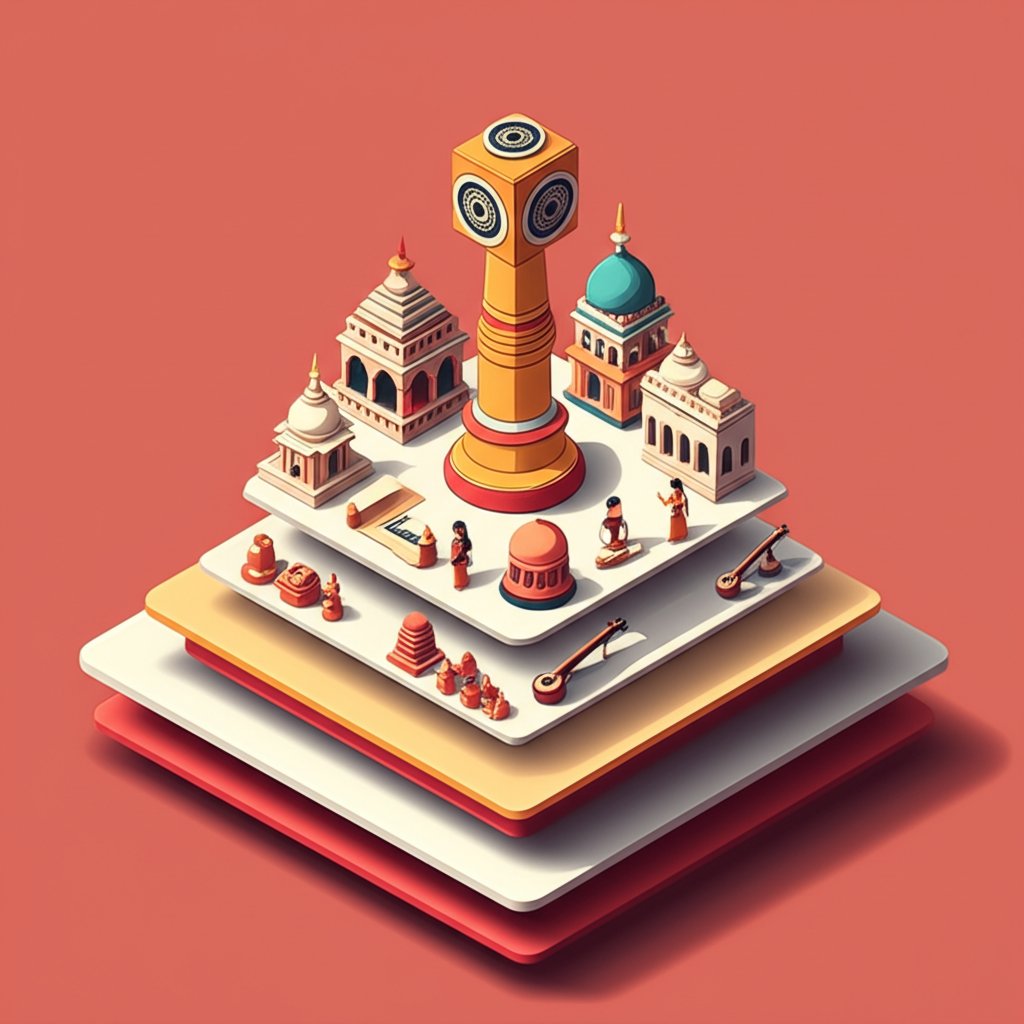
The arrival of European powers marked a turning point, introducing new challenges and inspirations that would dramatically shape the evolution of Indian culture into the modern era.
The British Raj: Impact and Resistance (c. 18th – 20th Century CE)
British colonial rule, extending from the 18th to the mid-20th century, brought significant changes. While it introduced Western education, administrative systems, and infrastructure like railways, it also led to economic exploitation and a subjugation of Indian identities. The English language gained prominence, influencing Indian literature and intellectual discourse. However, this period also sparked a powerful cultural renaissance and nationalist movement. Indian intellectuals and social reformers like Raja Ram Mohan Roy, Swami Vivekananda, and Mahatma Gandhi championed social reform, religious revival, and political independence, re-asserting the pride in indian history culture.
The Freedom Movement and Cultural Nationalism
The struggle for independence was intertwined with a resurgence of cultural background of India. Leaders like Gandhi, with his emphasis on non-violence (Ahimsa) and Swadeshi (self-reliance), drew upon ancient Indian values to mobilize the masses. National symbols, literature in regional languages, and traditional art forms became instruments of national identity. The Bengal Renaissance, for instance, saw a flourishing of art, literature, and philosophy, reinterpreting Indian traditions for a modern world and immensely contributing to the history of Indian culture.
Independent India: Preserving and Evolving Traditions (1947 – Present)
Since gaining independence in 1947, India has navigated the complexities of nation-building while preserving its vast cultural heritage. The Constitution recognizes 22 official languages, reflecting the country’s linguistic diversity. Festivals, classical arts, and culinary traditions continue to thrive. At the same time, evolution of Indian culture accelerated with globalization. Indian cinema (Bollywood), music, and yoga have gained international recognition. India’s contemporary culture is a vibrant blend of ancient traditions and modern influences, constantly adapting while staying rooted in its unique history.
Pillars of Enduring Legacy: The Cultural Background of India
To truly understand the history of Indian culture, one must delve into its core thematic elements that have sustained and defined it across millennia. These pillars represent the enduring cultural background of India.
Spirituality and Philosophy: The Soul of India
Religion and philosophy are not merely aspects of Indian culture but permeate its very fabric. Hinduism, with its diverse deities, philosophical schools (Vedanta, Yoga, Nyaya, etc.), and emphasis on cyclical time and moral order, remains dominant. Buddhism and Jainism, originating in India, spread globally, leaving profound ethical and artistic imprints. Sikhism, a monotheistic faith, emerged in the 15th century, while Islam and Christianity have also become integral components of India’s religious landscape. This spiritual depth has shaped ethics, social norms, art, and daily rituals, defining a major part of indian history and culture.
Arts and Architecture: Expressions of the Divine
Indian art and architecture are characterized by their spiritual intent, intricate detailing, and storytelling. From the rock-cut caves of Ajanta and Ellora, depicting Buddhist, Hindu, and Jain narratives, to the monumental temples of the Chola and Hoysala dynasties, and the grandeur of Mughal palaces and tombs, Indian architecture is a testament to extraordinary craftsmanship. Classical dance forms (Bharatanatyam, Kathak, Odissi, Kathakali) and music (Hindustani and Carnatic) are highly codified traditions, rooted in ancient texts and often serving devotional purposes. These artistic expressions are crucial to understanding the aesthetic and spiritual cultural background of India.
Language and Literature: Voices of a Civilization
India is a land of unparalleled linguistic diversity, home to thousands of languages, with Sanskrit holding a revered position as the ancient classical language. The literary heritage is vast, ranging from the epic poems like the Ramayana and Mahabharata, which have profoundly influenced indian history culture, to Kalidasa’s classical dramas and the rich regional literatures in Tamil, Hindi, Bengali, Telugu, and more. Modern Indian literature continues this tradition, exploring contemporary themes while often drawing from ancient narratives and philosophical insights.
Social Structures and Family Values
The joint family system, where multiple generations live together, has historically been a cornerstone of Indian society, emphasizing collective well-being and respect for elders. While the traditional caste system has been legally outlawed and its rigidity lessened in modern times, its historical influence on social hierarchy, marriage patterns, and occupational choices remains a significant part of the history of Indian culture. Festivals, rituals, and rites of passage mark various stages of life, reinforcing community bonds and cultural identity.
Cuisine and Festive Traditions
Indian cuisine is as diverse as its geography, with each region boasting unique flavors, ingredients, and cooking techniques. From the rich curries of the North to the delicate seafood of the South and the vibrant vegetarian dishes of the West, food is central to Indian life and hospitality. Festivals, both religious and seasonal, are vibrant expressions of indian history and culture, marked by colorful decorations, traditional music, dance, special foods, and community gatherings. Diwali, Holi, Eid, and Christmas are celebrated with immense fervor, showcasing the nation’s pluralistic spirit.
The Dynamic Evolution of Indian Culture
The most remarkable aspect of indian history and culture is its continuous evolution of Indian culture – a testament to its profound adaptability and enduring appeal.
Adaptability and Resilience: Key to Survival
Unlike many ancient civilizations that vanished, Indian culture has demonstrated an extraordinary ability to adapt and absorb new ideas and peoples while retaining its core identity. It has faced invasions, colonial rule, and modernization, yet its fundamental philosophical and spiritual frameworks have persisted, constantly reinterpreted and revitalized. This resilience is a hallmark of the history of Indian culture, allowing it to transform without losing its essence.
Syncretism: Weaving Diverse Threads
One of the defining features of the cultural background of India is its syncretic nature. Over centuries, various cultural currents – indigenous, Aryan, Persian, Arabic, European – have converged, leading to a unique blend rather than outright replacement. This is evident in language (like Urdu), architecture (Indo-Saracenic styles), music, and even religious practices where local deities or saints might be venerated across different faiths. This continuous synthesis is a powerful driver in the evolution of Indian culture.
Global Reach and Contemporary Influence
The evolution of Indian culture extends far beyond its geographical borders. Ancient Indian philosophies profoundly influenced Western thought through figures like Emerson and Schopenhauer. Yoga and Ayurveda have become global wellness phenomena. Bollywood films reach audiences worldwide, and Indian cuisine is a staple in many international cities. The Indian diaspora acts as a global ambassador, spreading and adapting indian history culture in myriad new contexts, ensuring its continued relevance and vibrancy on the world stage.
Conclusion
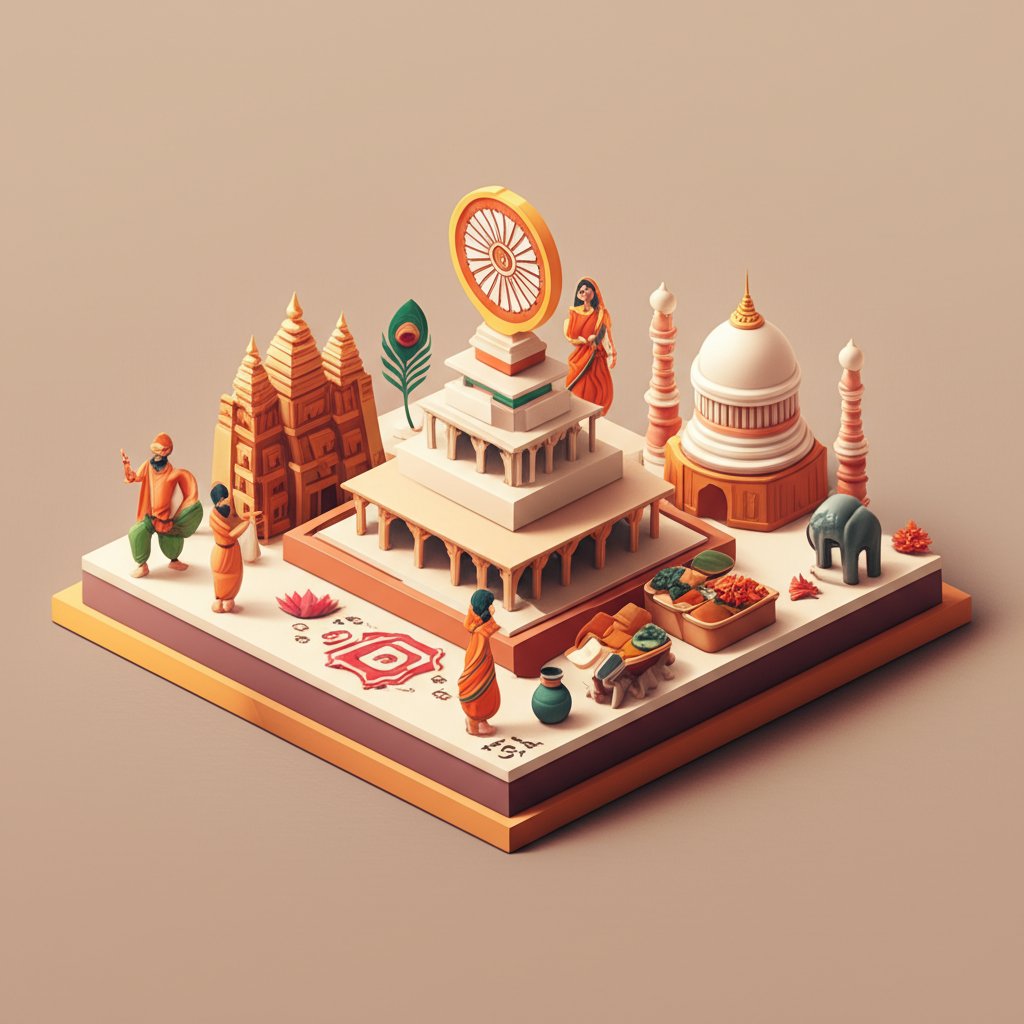
The history of Indian culture is a saga of continuous creation, adaptation, and profound spiritual depth. From the organized life of the Indus Valley to the philosophical insights of the Vedic age, the imperial grandeur of the Mauryas and Guptas, the vibrant syntheses of the medieval era, and the resilient spirit of modern India, its journey is unparalleled. The cultural background of India is not a static artifact but a living, breathing entity, constantly shaped by its rich indian history and culture, while demonstrating an ongoing evolution of Indian culture. This enduring legacy, characterized by its diversity, spirituality, and ability to absorb and innovate, continues to inspire and captivate the world, reinforcing India’s place as a crucible of human civilization.
FAQ
Q1: What are the earliest known origins of Indian culture?
A1: The earliest known origins of Indian culture can be traced back to the Indus Valley Civilization, which flourished from approximately 3300 to 1900 BCE. This ancient civilization showcased advanced urban planning, a unique writing system, and early forms of religious and artistic expression that laid foundational elements for the history of Indian culture.
Q2: How did religion shape the cultural background of India?
A2: Religion has been the most profound force shaping the cultural background of India. The core tenets of Hinduism (Dharma, Karma, Samsara) originated in the Vedic period, while Jainism and Buddhism introduced concepts of non-violence and enlightenment. These faiths, along with later influences from Islam, Sikhism, and Christianity, have permeated every aspect of Indian life, from philosophical thought and ethical systems to art, architecture, festivals, social structures, and daily rituals.
Q3: What were the significant cultural contributions of the Gupta period?
A3: The Gupta period (c. 320–550 CE) is often called the “Golden Age of India” due to its significant cultural contributions. These include the invention of the decimal system and the concept of zero in mathematics, major advancements in astronomy, the flourishing of Sanskrit literature with prominent figures like Kalidasa, and the development of classical Hindu temple architecture and sculpture. This era profoundly enriched indian history and culture.
Q4: How has the evolution of Indian culture been influenced by external forces?
A4: The evolution of Indian culture has been significantly influenced by various external forces throughout its history. The arrival of Indo-Aryans shaped the Vedic period, Central Asian influences contributed to the rise of Islamic empires and the distinct Indo-Islamic cultural synthesis (Mughal architecture, Urdu language). British colonial rule introduced Western education and administrative systems, while globalization in the modern era continues to foster dynamic cultural exchange, showcasing India’s remarkable adaptability.
Q5: What are some prominent examples of indian history culture blending?
A5: Indian history culture showcases numerous examples of blending, particularly evident in the medieval period. Indo-Islamic architecture, such as the Taj Mahal, beautifully merges Persian, Central Asian, and indigenous Indian styles. The development of the Urdu language, a blend of Persian, Arabic, and local Indian dialects, is another prime example. Similarly, various forms of classical music (Hindustani) and dance (Kathak) demonstrate the integration of diverse traditions into a coherent and unique cultural expression.
Q6: How diverse is India’s cultural heritage today?
A6: India’s cultural heritage today is incredibly diverse, reflecting millennia of indian history and culture. It is home to multiple religions (Hinduism, Islam, Christianity, Sikhism, Buddhism, Jainism), over 22 official languages and countless dialects, myriad art forms, distinct regional cuisines, and a vast array of traditions and festivals specific to different states and communities. This rich tapestry is a testament to the continuous evolution of Indian culture through centuries of interaction and innovation.










