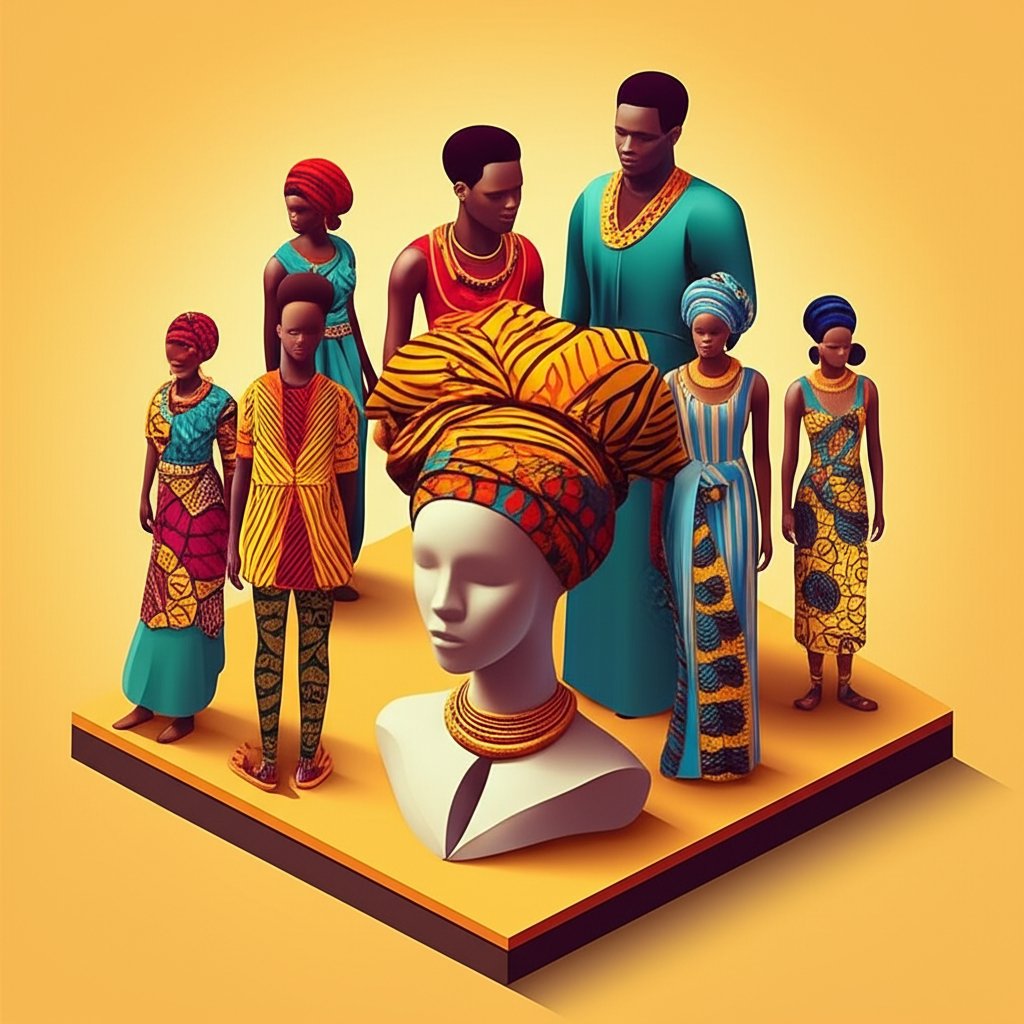
The story of Africa is one of unparalleled richness, diversity, and resilience, and nowhere is this more vibrantly expressed than in its fashion. Far from being a mere covering, African fashion is a living, breathing narrative – a profound expression of identity, status, spirituality, and history woven into every thread and pattern. From the earliest civilizations to the global runways of today, the history of African fashion offers a captivating journey through time, revealing how clothing has shaped and reflected the continent’s diverse cultures. This article will delve into the intricate evolution of African clothing, exploring its ancient roots, its transformation through colonial encounters, and its triumphant resurgence to claim its rightful place on the world stage. Join us as we uncover the styles, meanings, and enduring impact of Africa’s sartorial legacy.
The Deep Roots of African Fashion: Pre-Colonial Eras
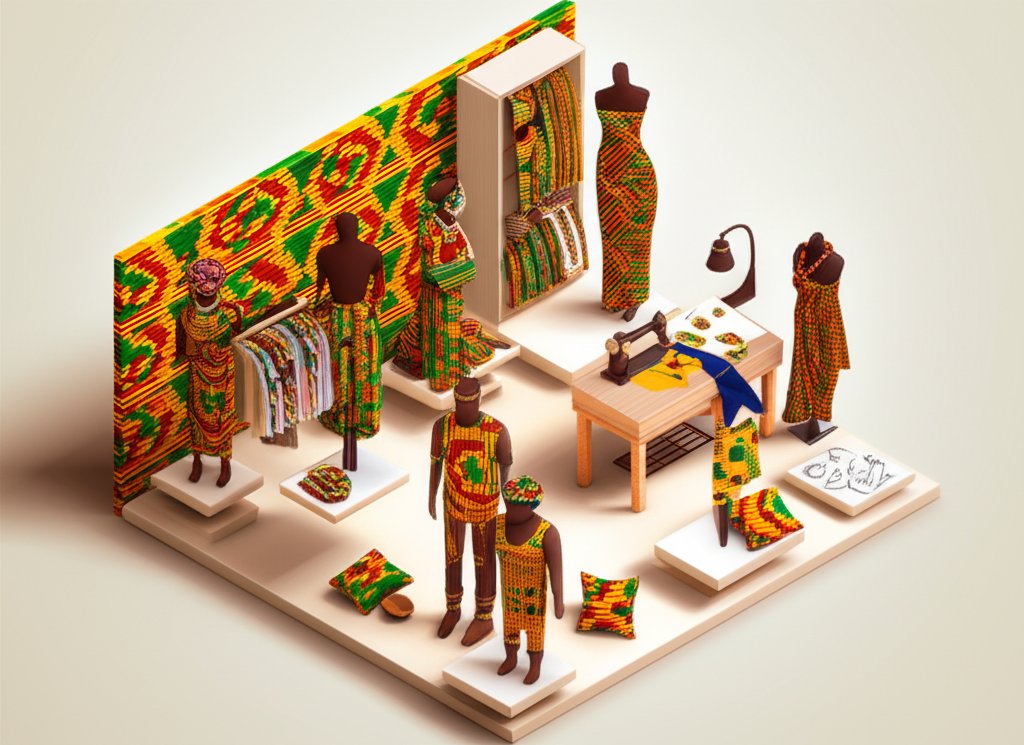
Before external influences, African fashion was a testament to indigenous innovation, cultural values, and environmental adaptation. The earliest forms of African clothing were crafted from readily available natural materials, reflecting a profound connection to the land and its resources.
Ancient Origins & Symbolic Adornment
The earliest evidence of sartorial expression in Africa stretches back thousands of years. From the sophisticated drapery of ancient Egypt, with its linen tunics and elaborate collars often adorned with precious stones and gold, to the terracotta figures of the Nok culture in West Africa showcasing intricate hairstyles and body adornment, African fashion history is deeply embedded in antiquity. Clothing and accessories were never just functional; they were powerful symbols.
- Ancient Egypt: Fine linen, meticulously pleated and draped, indicated status. Elaborate headwear like the nemes and crowns for pharaohs, alongside intricate jewelry, were paramount to their visual identity.
- Nubia: Known for its rich gold resources, Nubian rulers and elites often wore garments adorned with gold, beaded necklaces, and intricate leatherwork.
- Early West African Kingdoms: Empires like Ghana, Mali, and Songhai developed sophisticated weaving techniques for cotton and raffia, creating garments that communicated social standing and power.
Ingenious Materials & Craftsmanship
The diversity of Africa’s climates and ecosystems led to an astonishing array of materials and textile techniques, forming the bedrock of traditional African clothing.
The ingenuity displayed in crafting these early garments foreshadows the creativity still evident in modern designs, highlighting a continuous thread of innovation, much like the broader history of dressmaking.
- Bark Cloth: One of the oldest forms, particularly in Central and East Africa (e.g., Buganda Kingdom in Uganda), where tree bark was harvested, pounded, and stretched into soft, durable fabric, often dyed and decorated.
- Raffia and Grasses: Woven into intricate patterns, these fibers were used for skirts, hats, and ceremonial attire in regions with abundant palm trees.
- Cotton: Indigenous cotton cultivation and spinning were widespread across West, East, and Southern Africa. Weaving on horizontal and vertical looms produced patterned cloth long before European contact.
- Leather and Animal Hides: Pastoral communities utilized hides for practical garments, often decorated with beads, shells, and intricate incisions, particularly in Southern and East Africa.
- Natural Dyes: Mastery of natural dyes from plants, minerals, and insects created a rich palette, from indigo blues to earthy reds and yellows. Resist-dyeing techniques, like those used for Adire cloth, emerged as early forms of pattern making.
Regional Diversity in Traditional African Clothing
The vastness of the continent means there is no single “African style.” Instead, traditional African clothing is a kaleidoscope of regional aesthetics, each distinct yet interconnected.
- West Africa: Known for its bold, colorful, and highly symbolic woven and dyed fabrics like Kente, Adire, Aso-Oke, and Bogolanfini. Garments like the Agbada (men’s flowing robe) and Kaftans are iconic.
- East Africa: Characterized by draped fabrics like the Kanga and Kitenge, often featuring vibrant patterns and Swahili proverbs. The Maasai’s vibrant red shukas are instantly recognizable.
- Central Africa: Features the geometric patterns of Kuba cloth from the Democratic Republic of Congo, made from raffia palm fibers, often used for skirts and ceremonial attire.
- Southern Africa: Rich in beadwork, intricate leather garments, and the distinctive Ndebele blankets (izigolwan) and colorful dresses. The Xhosa and Zulu cultures have elaborate traditional outfits for various life stages.
- North Africa: Strongly influenced by indigenous Berber traditions and later Islamic aesthetics, featuring flowing djellabas, kaftans, and intricate embroidery.
Traditional African Clothing: A Tapestry of Identity & Status
Beyond material and form, traditional African clothing served as a complex system of non-verbal communication, deeply intertwined with social structure, spirituality, and personal identity.
West African Textiles: Kente, Adire, Bogolanfini
These iconic textiles are not merely fabrics; they are cultural archives.
- Kente Cloth (Ghana): Originating with the Ashanti and Ewe people, Kente is a hand-woven fabric of silk and cotton strips, each color and geometric pattern carrying a specific proverb, historical event, or philosophical concept. It signifies royalty, celebration, and spiritual values.
- Adire Cloth (Nigeria): Made by Yoruba women, Adire uses resist-dyeing techniques (tie-dye, stencil dyeing, or paste resist) with indigo to create intricate patterns. Each motif tells a story or conveys a cultural message, often worn for special occasions.
- Bogolanfini / Mud Cloth (Mali): Hand-dyed cotton fabric adorned with fermented mud, creating distinctive geometric patterns. Traditionally worn by hunters for camouflage and protection, it now symbolizes Malian identity and has gained international acclaim.
East African Garments: Kanga, Kitenge
These fabrics are everyday essentials and cultural statements in East Africa.
- Kanga (East Africa): A rectangular cotton cloth, often featuring a border and a central design, with a Swahili proverb (jina) printed along the bottom. Kangas are worn by women as wraps, head coverings, and baby slings, and the jina often communicates subtle messages.
- Kitenge (East/Central Africa): Similar to the Kanga but typically thicker cotton, without a border or proverb. Kitenge fabrics are known for their bold, vibrant patterns and are used for a wide range of garments, from dresses and shirts to home decor.
Adornment and Symbolism: Beads, Shells, Metals, Headwraps
Accessories are crucial to African fashion, carrying as much significance as the garments themselves.
- Beadwork: From the vibrant Zulu and Maasai beadwork signifying marital status, age, and social standing, to the elaborate glass bead designs of the Yoruba, beads are a language in themselves. Different colors and patterns convey specific meanings.
- Cowrie Shells: Once a form of currency, cowrie shells became potent symbols of wealth, fertility, and spiritual protection, adorning clothing, hair, and jewelry across the continent.
- Metals: Gold, bronze, and copper were prized, used to craft elaborate jewelry, ceremonial objects, and embellishments, particularly in West and North Africa, signifying power and prestige.
- Headwraps (Gele, Tignon, Duku): More than just hair coverings, headwraps are art forms. The style, height, and fabric of a headwrap can denote marital status, religious affiliation, or even a woman’s mood or intentions.
Fashion as Communication: Status, Tribe, Rituals
African clothing was a dynamic system of visual communication:
- Status and Wealth: Rare materials, specific dyes, intricate weaving, and the sheer volume of fabric in a garment often indicated the wearer’s affluence and social position. Kings, chiefs, and spiritual leaders had distinct regalia.
- Tribal and Ethnic Identity: Distinctive patterns, colors, and garment styles allowed individuals to instantly recognize fellow members of their ethnic group, fostering a sense of community and belonging.
- Life Cycle Rituals: Specific attire marked rites of passage such as birth, initiation, marriage, and funerals. For example, specific patterns or colors might be worn during coming-of-age ceremonies to symbolize new responsibilities.
- Spiritual Significance: Certain garments or motifs were believed to offer spiritual protection, ward off evil, or honor ancestors.
The Turbulent Tides: Colonialism’s Impact on African Style
The arrival of European colonizers introduced a complex period for African fashion history, bringing both imposition and unexpected avenues for adaptation and new creation.
European Influence and Imposition
Colonial powers often viewed traditional African clothing as “primitive” or “savage,” actively discouraging or outright banning it in administrative, educational, and religious settings. This was part of a broader agenda to dismantle indigenous cultures and impose European norms. Missionaries often advocated for “modest” European dress, particularly for women.
- Suppression of Indigenous Dress: In many workplaces, schools, and churches, Africans were pressured or forced to adopt European clothing, leading to a decline in the everyday wear of traditional attire.
- Introduction of Western Silhouettes: Suits, dresses, and Western-style uniforms became associated with modernity, status, and employment within the colonial system.
The Rise of Dutch Wax Prints: A Complex Heritage
Perhaps the most iconic textile associated with African fashion today, Dutch Wax Print, has a surprising, non-African origin story that exemplifies the complexity of colonial influence and global trade.
- Indonesian Inspiration, Dutch Production: These vibrant, intricately patterned cotton fabrics were originally mass-produced in the Netherlands (and later England) for the Indonesian market, mimicking Indonesian batik.
- Arrival in West Africa: When demand in Indonesia waned, these textiles found a new market in West Africa, brought by Ghanaian soldiers returning from service in Indonesia and later by European traders.
- African Adoption and Transformation: African women, particularly market traders (like the “Nana Benz” in Togo), embraced these fabrics, adapting them, naming the patterns, and imbuing them with local meanings and cultural significance. What began as an imported good became definitively “African,” a testament to cultural appropriation in reverse.
Resistance and Adaptation: Blending Old and New
Despite colonial pressures, African clothing did not disappear. Instead, it adapted, often subtly, becoming a site of both resistance and innovation.
- Syncretic Styles: Africans often blended elements of traditional attire with European garments. A woman might wear a traditional wrapper with a Western blouse, or a man might combine a traditional cap with a suit.
- Hidden Meanings: Even European-style garments could be chosen in colors or patterns that held indigenous significance, subtly asserting cultural identity.
- Market Entrepreneurship: African traders played a vital role in distributing new fabrics and styles, adapting them to local tastes and demands, proving the resilience of the local fashion ecosystem.
A Resurgent Spirit: Post-Colonial African Fashion Renaissance
With the dawn of independence movements, there came a powerful desire to reclaim and celebrate African identity, leading to a vibrant resurgence in African fashion.
Reclaiming Identity: The Pan-African Movement
Post-independence, many African nations actively promoted cultural pride. Clothing became a visible symbol of this newfound freedom and identity. Leaders like Kwame Nkrumah of Ghana and Julius Nyerere of Tanzania encouraged the wearing of traditional African clothing as a statement of sovereignty and unity.
- National Dress: Many countries adopted or promoted specific traditional garments as national dress, such as the Kente in Ghana or the Dashiki across West Africa.
- Afrocentric Movements: Across the diaspora, Afrocentric movements embraced African clothing as a way to connect with ancestral heritage and resist Western cultural dominance.
Pioneering African Designers and Fashion Weeks
The mid-20th century saw the emergence of a new generation of African designers who began to fuse traditional aesthetics with contemporary cuts, elevating African fashion beyond folk art.
- Early Innovators: Designers like Shade Thomas-Fahm (Nigeria), Alphadi (Niger), and Kofi Ansah (Ghana) were instrumental in creating modern interpretations of African clothing, showcasing them on national and international platforms.
- The Rise of Fashion Weeks: The late 20th and early 21st centuries witnessed the proliferation of African fashion weeks (e.g., Lagos Fashion Week, Arise Africa Fashion Week, South African Fashion Week), providing vital platforms for designers to showcase their work and gain global exposure.
Global Recognition and Influence of African Fashion
The 21st century has seen an unprecedented surge in the global appreciation for African fashion. From high fashion runways to mainstream retail, Africa’s vibrant aesthetics are making a powerful statement.
- International Collaborations: Major fashion houses and designers are increasingly collaborating with African artisans and designers, bringing African textiles and design philosophies to a wider audience.
- Celebrity Endorsement: Celebrities and public figures wearing African clothing on red carpets and in media further amplify its visibility and appeal.
- Cultural Exchange: The internet and social media have facilitated a rapid exchange of ideas, allowing African designers to draw inspiration from global trends while infusing their unique cultural heritage, and for the world to discover the richness of African clothing.
Contemporary African Fashion: Innovation, Sustainability, and Global Reach
Today, African fashion is a dynamic, multi-billion-dollar industry characterized by innovation, a commitment to sustainability, and an ever-expanding global footprint.
Fusing Tradition with Modernity
Contemporary African designers skillfully navigate the line between heritage and innovation. They continue to draw deeply from the wellspring of traditional African clothing, reinterpreting classic motifs, fabrics, and silhouettes for the modern wearer.
- Reimagined Silhouettes: Traditional garments like the Dashiki or Kaftan are being given contemporary cuts and detailing, making them versatile for various occasions.
- Innovative Material Use: Designers experiment with unexpected fabric combinations, advanced printing techniques, and upcycling, while still cherishing artisanal craftsmanship.
- Gender Fluidity: Many contemporary African fashion lines embrace gender-neutral designs, reflecting global trends while drawing from the historically less rigid gender distinctions in some traditional African attire.
Sustainable Practices and Ethical Sourcing
A growing movement within African fashion emphasizes sustainability and ethical production, leveraging traditional knowledge and local resources.
- Artisan Empowerment: Designers often work directly with local artisans, supporting traditional crafts like hand-weaving, dyeing, and beadwork, ensuring fair wages and preserving cultural skills.
- Eco-Friendly Materials: There’s a focus on using organic cotton, naturally dyed fabrics, and upcycled materials, reducing environmental impact.
- Circular Fashion: Many brands are exploring models of production that minimize waste and promote longevity, echoing traditional practices of resourcefulness.
Africa on the Global Runway and Digital Platforms
The digital age has democratized African fashion, allowing designers to reach global audiences directly.
- Global Fashion Weeks: African designers are regular features at major fashion weeks in Paris, New York, and London, exhibiting alongside established global brands.
- E-commerce and Social Media: Online platforms and social media have been instrumental in showcasing the diversity of African clothing, creating direct-to-consumer channels, and fostering a global community around African fashion. Influencers and bloggers dedicated to African style further amplify its reach.
The Future of African Clothing
The future of African fashion is bright, poised at the intersection of heritage and innovation. It continues to challenge preconceived notions, celebrating the continent’s dynamic creativity and profound cultural depth. As designers continue to tell their unique stories through cloth, patterns, and silhouettes, African fashion will undoubtedly continue to inspire, influence, and redefine global style.
Conclusion
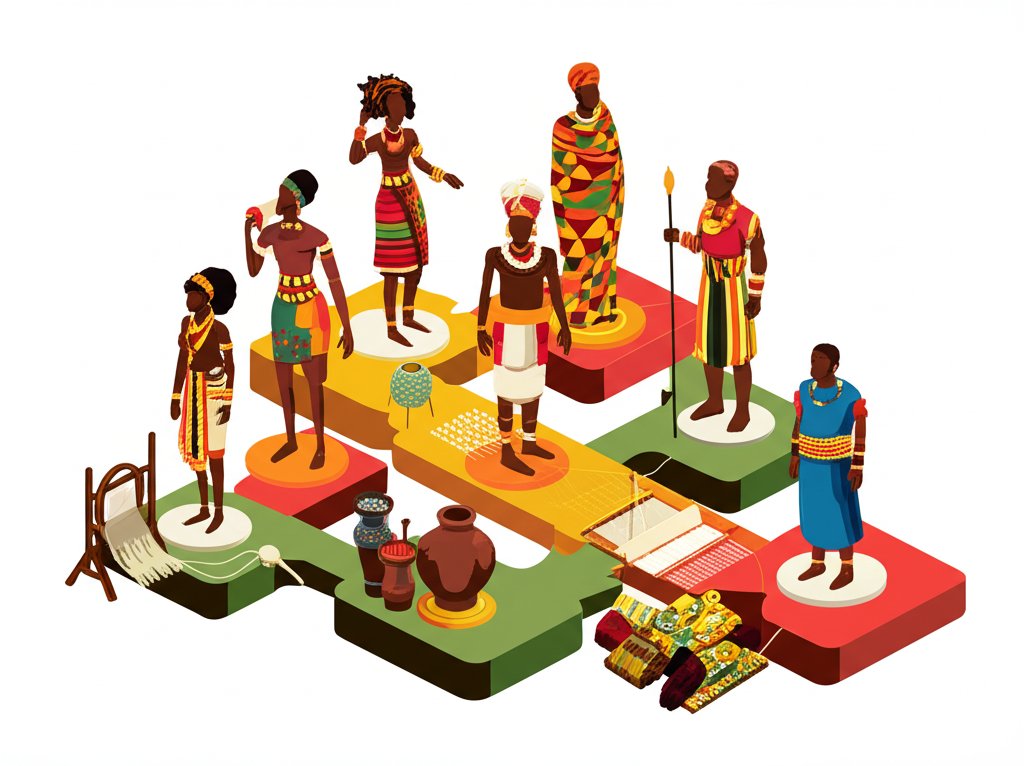
The history of African fashion is a compelling saga of creativity, resilience, and profound cultural expression. From the ancient empires that wove identity into every thread to the contemporary designers redefining global aesthetics, African clothing has consistently served as a powerful medium for storytelling, status, and self-assertion. It has navigated conquest and resurgence, always emerging with renewed vibrancy. Today, African fashion stands as a testament to an enduring legacy, captivating the world with its rich tapestry of styles, its commitment to heritage, and its bold vision for the future. Explore the vibrant world of African fashion and witness a legacy that continues to inspire and evolve across the globe.
FAQ
Q1: What defines African fashion?
A1: African fashion is characterized by its immense diversity, vibrant colors, bold patterns, rich cultural symbolism, and often traditional craftsmanship. It encompasses a vast array of styles, materials, and techniques unique to different regions, ethnic groups, and historical periods across the African continent. It is not a monolithic style but a dynamic collection of expressions reflecting deep cultural significance.
Q2: What are some examples of traditional African clothing?
A2: Examples of traditional African clothing include the Kente cloth (Ghana) known for its intricate woven patterns, the Adire and Aso-Oke fabrics (Nigeria) with their rich indigo dyes and elaborate weaving, the vibrant Kanga and Kitenge wraps (East Africa), the Kuba cloth (Central Africa) with its geometric raffia designs, and the colorful shukas of the Maasai (East Africa). Other examples include the Dashiki, Agbada, Caftans, and various forms of elaborate beadwork and headwraps.
Q3: How far back does the history of African fashion go?
A3: The history of African fashion dates back thousands of years, with evidence found in ancient civilizations like Egypt (linen garments, intricate jewelry), Nubia (gold adornments), and early West African cultures (Nok figurines with elaborate styles). Early forms of clothing were made from bark cloth, animal hides, and indigenous cotton, long before colonial contact.
Q4: How did colonialism impact African clothing and its history?
A4: Colonization significantly impacted African clothing by introducing European styles, often discouraging or banning traditional attire in institutions and public spaces. This led to a temporary decline in the everyday wearing of indigenous clothing. However, it also led to the integration of new materials like Dutch Wax Prints, which Africans adapted and imbued with their own cultural meanings, demonstrating resilience and cultural fusion.
Q5: What materials are commonly used in African clothing?
A5: Historically, African clothing was made from natural materials such as bark cloth, raffia, indigenous cotton, animal skins, and various plant fibers. Today, while these traditional materials are still used, contemporary African fashion also incorporates manufactured cotton, silk, linen, and synthetic blends, often featuring vibrant wax prints, mud cloths, and intricate embroidery.
Q6: What is the significance of patterns and colors in African fashion?
A6: Patterns and colors in African fashion are deeply symbolic. They often convey complex messages related to an individual’s social status, age, marital status, ethnic identity, wealth, and even philosophical or spiritual beliefs. For example, specific Kente patterns tell stories or proverbs, while certain colors in Maasai beadwork hold distinct meanings (e.g., red for bravery, white for purity). These elements turn clothing into a form of visual language.










