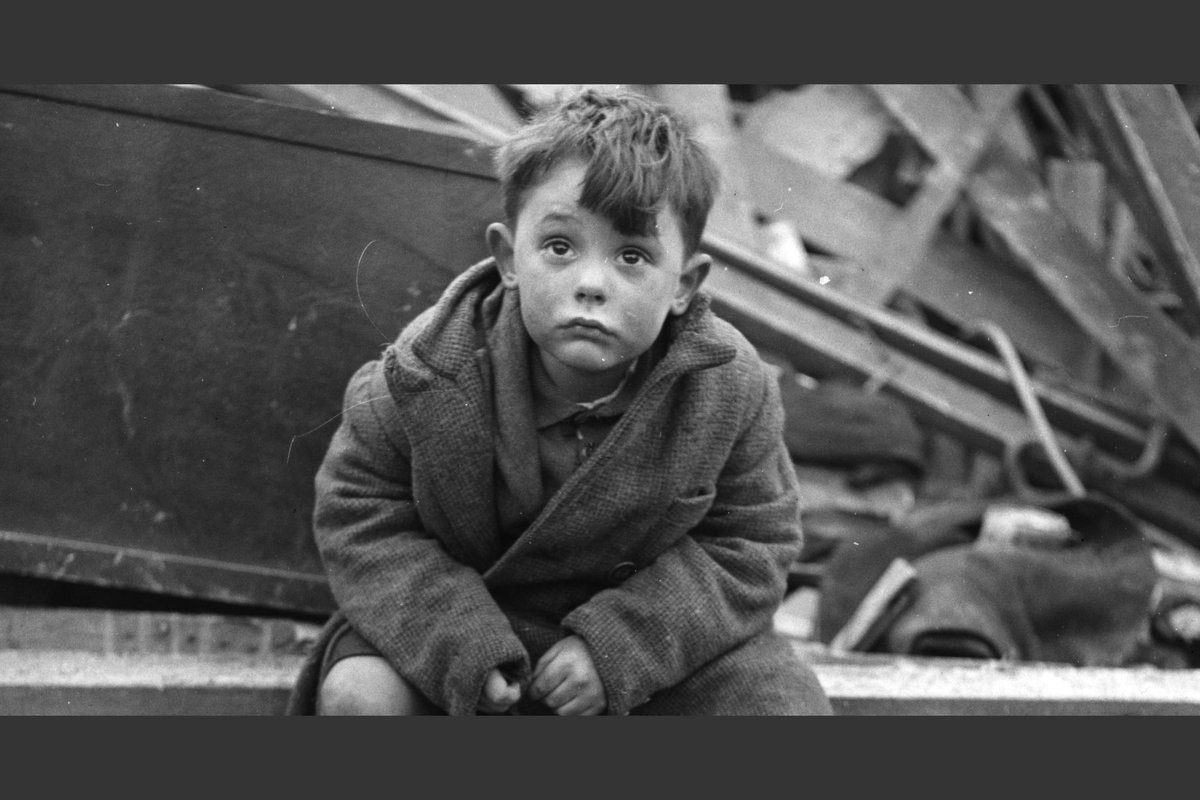
The year 2004 wasn’t just a calendar entry; it was a crucible where foundational shifts in technology, geopolitics, and human rights were forged, leaving an indelible mark on the world we inhabit today. Understanding these pivotal historical events that happened in 2004 is crucial for anyone seeking to grasp the origins of many contemporary challenges and innovations. It was a year marked by both profound tragedy and the quiet dawn of new eras, demanding a closer look beyond the headlines.
At a Glance: Key Insights from 2004’s Defining Moments
- Geopolitical Realignments: Witness how global security priorities shifted with major terror attacks and ongoing conflicts, reshaping international alliances and domestic policies.
- The Digital Big Bang: Explore the nascent stages of digital platforms and technologies that would soon dominate daily life, including the launch of a certain social network.
- Societal Ripples: Discover how movements for human rights and public health made significant strides, challenging norms and setting new precedents.
- The Weight of Disaster: Understand the impact of both natural and human-made catastrophes, and the resilience or vulnerabilities they exposed.
- Legacy and Foresight: Learn what lessons 2004 offers for navigating complex global dynamics and anticipating future trends.
The Shifting Sands of Global Security: Terrorism and Conflict
The early 2000s were largely defined by the “War on Terror,” and 2004 saw this conflict escalate and evolve in harrowing ways. From urban centers to war zones, the nature of threats broadened, forcing nations to re-evaluate security paradigms.
The year was scarred by devastating terrorist attacks that underscored a grim reality. March 11 saw the Madrid train bombings, where synchronized explosions killed 191 people and wounded over 1,800 during rush hour. This event, attributed to al-Qaeda-inspired terrorists, sent shockwaves across Europe and highlighted the vulnerability of public transit systems. Later, in September, the Beslan school hostage crisis in North Ossetia, Russia, brought unspeakable horror, ending in the deaths of over 300 people, more than half of whom were children, after a siege by armed terrorists. These incidents weren’t isolated; they were part of a pattern demonstrating a brutal shift in global terror tactics.
In Iraq, the post-invasion landscape remained volatile. March saw the Ashoura Massacre, killing 170, and the gruesome ambush and killing of four American contractors in Fallujah, foreshadowing intense urban warfare. Sovereign power was technically handed to an interim Iraqi government in June, yet the conflict continued, raising questions about stability and the future of the region. Meanwhile, the controversy surrounding Weapons of Mass Destruction (WMDs) intensified, with reports like the Iraq Survey Group’s findings in January and April concluding no active WMD programs existed at the time of the 2003 invasion, directly challenging the initial justifications for war. Former Treasury Secretary Paul O’Neill even revealed that the Bush administration had plans to invade Iraq before 9/11.
Beyond these major flashpoints, other significant geopolitical shifts occurred. NATO expanded eastward in March, welcoming Bulgaria, Estonia, Latvia, Lithuania, Romania, Slovakia, and Slovenia as full members, a move with long-term implications for European security architecture. February witnessed a coup in Haiti, removing President Jean-Bertrand Aristide, and the escalation of the Darfur conflict in Sudan, leading to a humanitarian ceasefire agreement in April. These diverse events collectively painted a picture of a world grappling with persistent instability and the redefinition of national and international security.
The Digital Dawn: How Technology Began to Reshape Interaction
While the geopolitical landscape wrestled with entrenched issues, 2004 also marked the quiet, almost unnoticed, beginnings of a digital revolution that would transform how we connect, communicate, and conduct business. These innovations, initially niche, laid the groundwork for the hyper-connected world we know today.
Perhaps the most significant of these digital historical events that happened in 2004 was the launch of Facebook by Mark Zuckerberg from his Harvard dormitory room on February 4. What started as a platform for college students to connect would quickly expand its reach, fundamentally altering social interaction, personal branding, and even political discourse. For a more comprehensive look at this pivotal moment and the year’s broader context, refer to 2004: Tsunami and Facebook.
Google also made a splash on April 1, famously launching Gmail to the public. Initially viewed with skepticism due to its April Fool’s Day announcement, its then-unprecedented 1 GB of free storage revolutionized email services, setting new expectations for web-based applications. This move by Google cemented its position as an innovator beyond search.
Hardware and scientific exploration also saw significant advancements. Apple introduced the iPod Mini in January, a smaller, more colorful version of its iconic music player, further democratizing portable digital music. In space, NASA’s Mars Exploration Rovers, Spirit and Opportunity, landed in January, beginning their missions to explore the Martian geology and search for signs of past water activity. Spirit even completed its first full rotation and drive on the Martian surface, and by January 23, NASA announced the discovery of water ice on Mars, a monumental finding. Even less glamorous but equally impactful, the Mydoom computer worm was first sighted in January, causing an estimated $38 billion in damages, highlighting the growing cybersecurity challenges of the digital age.
These technological milestones, from social networking to space exploration, demonstrated a burgeoning era of digital transformation. They were not merely technical achievements but catalysts that would reshape industries, societies, and our very understanding of human potential and vulnerability in a connected world.
Social and Cultural Tides: Rights, Entertainment, and Everyday Shifts
Beyond the grand narratives of conflict and technology, 2004 was also a year of notable shifts in social norms, cultural milestones, and everyday life, reflecting evolving values and aspirations across different societies. These changes, though sometimes localized, contributed to a broader global dialogue on human rights and public welfare.
A significant development in social rights occurred in February when San Francisco began issuing marriage licenses to same-sex couples, following a directive from Mayor Gavin Newsom. This was a pioneering move, though it faced legal challenges. Later, in May, Massachusetts officially performed the first legal same-sex marriages in the U.S., setting a precedent that would slowly spread across the nation and fuel a broader global movement for LGBTQ+ rights. These actions signaled a growing recognition of marriage equality, challenging traditional definitions and sparking widespread debate.
In public health, March 29 saw the Republic of Ireland become the first country in the world to ban smoking in all workplaces, including bars and restaurants. This groundbreaking legislation was a bold step towards public health, inspiring similar bans in many other countries and initiating a global trend in tobacco control.
Culturally, 2004 marked the end of an era for many. The television sitcom “Friends” aired its series finale on NBC in May, attracting 52.46 million viewers and solidifying its place as one of the most watched television series finales in U.S. history. This cultural moment reflected the power of television to shape shared experiences and national conversations. In music, Kanye West released his critically acclaimed debut album “The College Dropout” in February, while Usher’s “Yeah!” dominated the airwaves, showcasing evolving trends in popular music. Even broadcast mainstays saw transitions, with Casey Kasem stepping down as host of “American Top 40” after over 30 years, succeeded by Ryan Seacrest, marking a generational shift in radio.
Sporting events also captured public attention, from the New England Patriots’ Super Bowl XXXVIII victory, which famously included Janet Jackson’s breast exposure during the halftime show leading to stricter FCC censorship, to Ken Jennings beginning his legendary 74-game winning streak on Jeopardy! These diverse events, from legal battles to pop culture phenomena, showcased a society in flux, navigating new definitions of rights, health, and entertainment.
Catastrophes and Human Vulnerability: When the World Trembled
While much of 2004 was about human agency and progress, the year was also a stark reminder of humanity’s vulnerability to both natural disasters and tragic accidents. These events underscored the fragility of life and the immense challenges of disaster response and prevention.
A series of aviation tragedies claimed hundreds of lives. In January, Flash Airlines Flight 604 crashed into the Red Sea, killing all 148 people on board, making it the deadliest aviation accident in Egyptian history. In February, Macedonian President Boris Trajkovski was killed in a plane crash, highlighting the risks even for high-profile figures. Later, in August, 89 passengers died after two airliners exploded after flying out of Domodedovo International Airport near Moscow, caused by suicide bombers, merging the themes of terror and tragedy.
Industrial accidents also left their mark. In February, a runaway freight train carrying hazardous materials exploded near Neyshabur, Iran, killing 295 people, including 182 rescue workers. April saw two fuel trains collide in Ryongchon, North Korea, killing up to 150 people. A supermarket fire in Asunción, Paraguay, in August killed 396 and injured 500, a devastating reminder of inadequate safety standards. These incidents highlighted critical infrastructure vulnerabilities and the devastating consequences of industrial failures.
Natural disasters also made their presence felt. Hurricane Charley, a Category 4 storm, struck Punta Gorda, Florida, in August, devastating the area. Just a month later, Hurricane Ivan, a Category 5 hurricane, hit Grenada, killing 39 people and damaging 90% of its buildings. These powerful storms showcased the destructive force of nature and the immense challenges of recovery for affected communities. Beyond these, human-caused stampedes, like the Hajj pilgrimage stampede in Saudi Arabia in February that killed 251 people, and the Yelwa massacre in Nigeria in May, revealed profound societal divisions and the tragic costs of communal violence.
From the depths of the Red Sea to the plains of North Ossetia, 2004’s tragedies were a stark reminder that progress and conflict coexist with unforeseen calamities, shaping global consciousness and demanding better systems for safety, response, and peace.
Lingering Questions and Unforeseen Consequences
The historical events that happened in 2004 not only shaped that year but also cast long shadows, raising critical questions that continue to reverberate today. These were not just isolated incidents but threads in a larger tapestry, with their full implications still unfolding years later.
One of the most profound and enduring impacts came from the release of graphic photos in April depicting American soldiers abusing and sexually humiliating Iraqi prisoners at Abu Ghraib prison. This scandal ignited international outrage, severely damaged America’s moral standing, and became a recruitment tool for insurgent groups. It forced a painful introspection into military conduct, the ethics of warfare, and the oversight of detention facilities. The Hutton Inquiry in the UK, investigating the death of British scientist David Kelly following his revelations about Iraq WMD intelligence, also published its findings in January, highlighting the fraught relationship between government, intelligence, and the media.
The first legal same-sex marriages in the U.S. in Massachusetts, while a victory for many, also sparked a cultural and political battle that would last for years, with states passing bans and activists pushing for federal recognition. This societal shift, initiated in 2004, transformed the landscape of American law and civil rights.
Similarly, the launch of Facebook, seemingly innocuous in 2004, eventually grew into a global behemoth that would profoundly influence privacy, information dissemination, mental health, and democratic processes, issues still being debated vigorously today. The rise of social media, birthed that year, has presented both unprecedented opportunities and significant societal challenges.
Quick Answers: Understanding 2004’s Legacy
Was 2004 mostly a year of conflict and disaster?
While 2004 was indeed marked by significant conflicts (Iraq, Darfur) and tragic disasters (Madrid bombings, Beslan, hurricanes, various accidents), it was also a year of substantial technological innovation (Facebook, Gmail, Mars rovers), social progress (same-sex marriage, smoking bans), and cultural shifts (Friends finale, new music trends). It was a complex year, defined by both turmoil and progress, reflecting the multifaceted nature of human history.
What technological development from 2004 has the most impact on us today?
Without a doubt, the launch of Facebook in February 2004 stands out. While other innovations like Gmail and the iPod Mini were significant, Facebook’s foundational role in the development of social media reshaped communication, information sharing, and online identity for billions globally. It pioneered many features and concepts that are now ubiquitous across the internet.
How did global events in 2004 influence each other?
The events of 2004 were deeply interconnected. The ongoing conflict in Iraq and debates over WMDs shaped geopolitical alliances and public trust in governments. The rise of internet technologies like Facebook and Gmail provided new platforms for political discourse, social movements, and even the dissemination of propaganda or news about conflicts and human rights issues. Tragedies like terrorist attacks influenced national security policies, which in turn could impact civil liberties. Changes in social rights, such as same-sex marriage, sparked wider conversations across borders. These connections illustrate how history is a web of interacting forces, not a series of isolated incidents.
Drawing Lessons from a Pivotal Year
To truly grasp the significance of 2004 is to understand that history rarely unfolds in neat, isolated chapters. The historical events that happened in 2004 demonstrate a profound interplay of technological breakthroughs, enduring conflicts, nascent social movements, and tragic human vulnerabilities. We see the seeds of today’s dominant social media platforms, the hardening of global security concerns, the quiet revolutions in civil rights, and the persistent struggle against both natural and human-made catastrophes.
The lesson from 2004 is not just to catalog events, but to analyze their ripple effects. The decisions made in response to terror attacks, the slow burn of political shifts, the rapid adoption of new technologies—all contribute to the complex tapestry of our present. By understanding how these diverse forces converged in a single year, we gain a clearer lens through which to examine current trends and anticipate future challenges, helping us to navigate an ever-evolving world with greater insight and foresight.










