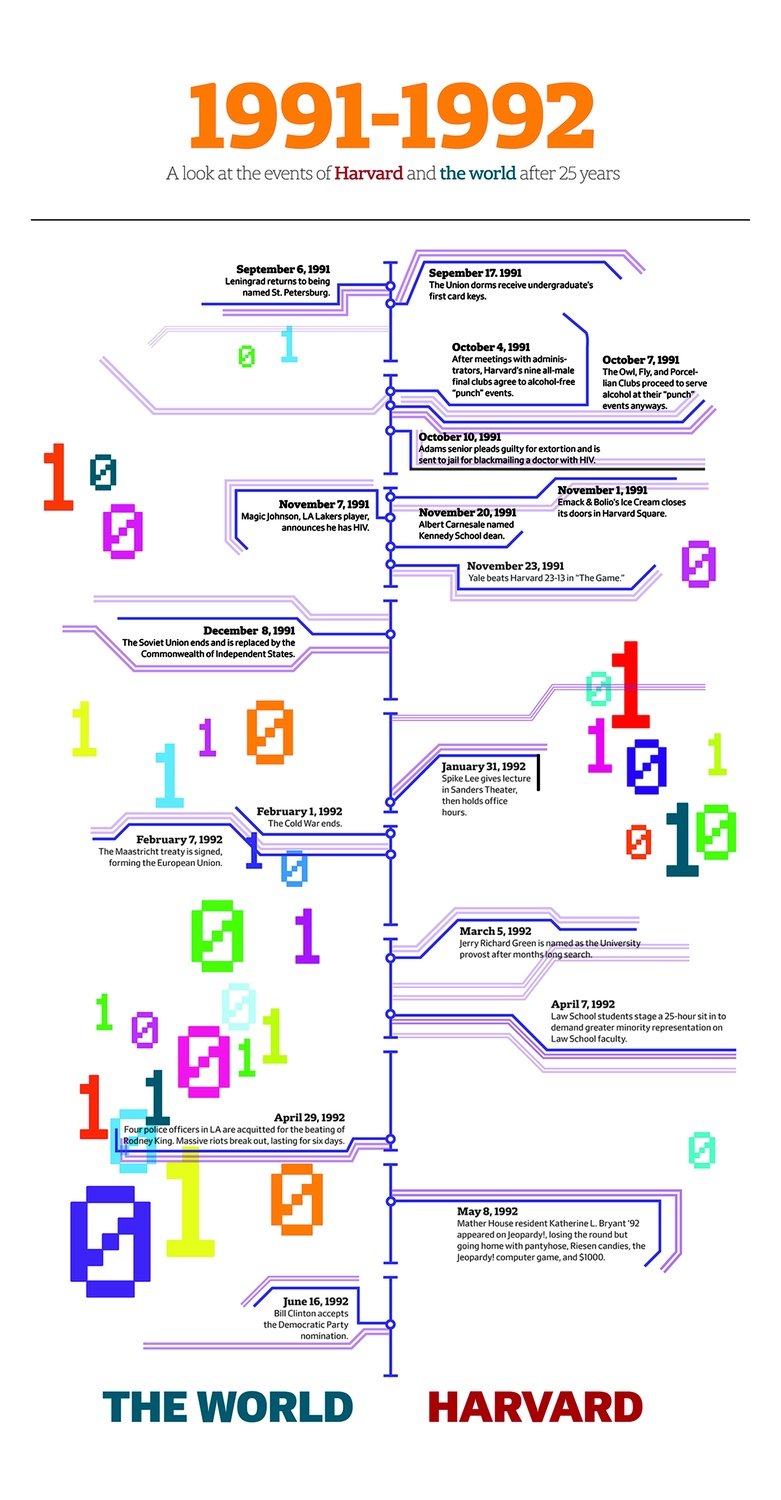
The year 1992 wasn’t just another calendar flip; it was a pivot point in history, a tumultuous period where the aftershocks of the Cold War collided with burgeoning globalization and technological leaps. Understanding the historical events of 1992 offers a crucial lens into the world we inhabit today, revealing how rapidly geopolitical landscapes can redraw, and how societal norms and technological ambitions can shift in unison. From the formal dissolution of old empires to the dawn of new digital possibilities, the early months alone were packed with moments that would echo for decades.
At a Glance
- Geopolitical Realignments: Witness the formal birth of the Russian Federation and the official recognition of new European states amidst ongoing conflict.
- Shifting Global Diplomacy: Observe the UN’s evolving role post-Cold War and unexpected diplomatic breakthroughs, alongside calls for accountability.
- Technological Seeds: See early glimpses of internet predictions, video-telephony, and pivotal space exploration missions.
- Cultural & Societal Markers: Note significant events in sports, entertainment, health advisories, and the early recognition of historical injustices.
- Economic Undercurrents: Understand the fiscal pressures faced by established institutions and emerging market dynamics.
- Lessons in Precedent: Grasp how the events of 1992 set the stage for subsequent global challenges and opportunities.
The Shifting Sands of Geopolitics: A New World Order Emerges
The early weeks of 1992 were dominated by the dramatic reshaping of the global political map, a direct consequence of the Soviet Union’s dissolution just weeks prior. This wasn’t merely a political formality; it set in motion a series of complex events that redefined national identities, instigated conflicts, and laid the groundwork for future international relations.
Post-Soviet Realities and the Birth of New Nations
January 1, 1992, marked the official renaming of the Russian Soviet Federative Socialist Republic to the Russian Federation, formally establishing it as the Soviet Union’s successor state. This act was more than symbolic; it signaled a new era where Russia grappled with its post-communist identity and its role on the global stage, shedding the USSR’s ideological mantle. Simultaneously, the European Community formally recognized Slovenia and Croatia as independent states on January 15, a significant step in the violent dissolution of Yugoslavia. This recognition, while welcomed by the newly independent nations, also fueled the escalating conflicts in the region, particularly after Bosnian Serbs declared the establishment of the Republika Srpska on January 6, intensifying ethnic tensions and contributing to the outbreak of the Bosnian War.
Meanwhile, the new Constitution of Mongolia, which came into effect early in 1992, offered its citizens the freedom to form political parties, reflecting a broader wave of democratic transitions in the post-Cold War world. These early events underscore the immediate and complex consequences of the Soviet collapse: the emergence of new, often fragile, nation-states and the eruption of long-suppressed ethnic and territorial disputes. For a deeper understanding of how these momentous shifts began to reshape global politics and technology across the entire year, you might explore How 1992 reshaped the world.
Regional Conflicts and Fragile Peace Efforts
While new nations emerged, existing conflicts sought resolution, and new ones tragically erupted. On January 16, the Chapultepec Peace Accords were signed in Mexico City, officially ending the brutal 12-year Salvadoran Civil War, which had claimed tens of thousands of lives. This accord demonstrated the international community’s capacity to broker peace, leading to the disarmament of guerrilla forces and the establishment of a new political system. However, peace remained elusive in other regions. In Croatia, the downing of a European Community Monitor Mission helicopter by a Yugoslav Air Force MiG-21 on January 7, killing five European observers, highlighted the dangerous realities of the ongoing Croatian War of Independence and the fragility of peace efforts. These contrasting scenarios illustrated a world grappling with both the pursuit of stability and the painful legacies of conflict.
Diplomatic Breakthroughs and Tensions
The year also saw significant diplomatic shifts. On January 24, China and Israel formally established diplomatic relations, ending four decades of ideological enmity. This normalization marked a notable geopolitical realignment, reflecting changing priorities in the post-Cold War landscape. On a different front, Japan’s Prime Minister Kiichi Miyazawa expressed “heartfelt remorse and apology” for the suffering caused to Korean comfort women during World War II, a crucial step towards acknowledging historical injustices (January 17). This move, though long overdue, set a precedent for addressing past wrongs through diplomatic channels.
The UN, under its new Secretary-General Boutros Boutros-Ghali (who began his term on January 1), also began to flex its muscles in this new order, as seen when it served Libya a resolution on January 21, demanding the handover of intelligence agents accused of two airliner bombings. This demonstrated an early commitment to international security and accountability, moving beyond the Cold War’s stalemate. Later, on January 31, the UN Security Council held discussions regarding the new world order, focusing explicitly on its implications for international peace and security. This period thus encapsulates a critical phase where the world wrestled with accountability, historical reconciliation, and the practical implementation of international law.
Societal Ripples and Cultural Shifts
Beyond the grand geopolitical stage, 1992 was a year of profound social and cultural shifts, reflecting evolving public consciousness, technological aspirations, and the enduring power of sports and music. These events often offered a glimpse into the everyday lives and concerns of people across the globe.
Health, Safety, and Consumer Concerns
Public health and consumer safety took center stage in early 1992. On January 6, the US Government urged doctors to stop using silicone breast implants, citing associated health effects. This decision marked a significant turning point in product liability and consumer protection, highlighting the potential for long-term health consequences from widely used medical devices. Aviation safety protocols also came under scrutiny after CommutAir Flight 4821 crashed near a New York airport on January 3, killing all 20 passengers and crew, leading to investigations into regional aviation standards. These incidents underscored the critical need for regulatory oversight and ongoing safety improvements in fast-developing industries. Economically, the iconic American retail department store Macy’s filed for bankruptcy on January 20, a stark reminder of the financial pressures and changing consumer landscape affecting even established businesses.
Sports Milestones and Personal Triumphs
The world of sports delivered memorable moments and introduced future legends. Australian cricket spin bowler Shane Warne, who would become one of the game’s greatest, made his Test debut on January 2 against India. In a twist of fate, Indian cricketer Ravi Shastri dismissed debutant Shane Warne for his first Test wicket on January 5, after Shastri himself achieved a career-high Test score of 206 runs. NBA history was made on January 4 when Boston’s Robert Parish became the 5th player to register 2,000 career blocks, showcasing the endurance and skill of veteran athletes.
Super Bowl XXVI, held on January 26, saw the Washington Redskins triumph over the Buffalo Bills, 37-24, with Mark Rypien named MVP, adding another chapter to the league’s storied history. However, the sports world also faced controversy, as former heavyweight boxing champion Mike Tyson’s trial for rape commenced on January 26 in Indianapolis, leading to his conviction the following month.
Culturally, music saw significant moments. Eric Clapton’s performance for MTV “Unplugged” on January 16 at Bray Film Studios in Windsor, England, became a legendary recording, later winning six Grammy Awards and becoming his bestselling album. It demonstrated the enduring appeal of acoustic performances and created a timeless classic. Politically charged cultural events also resonated, as Paul Simon became the first major international artist to perform in South Africa after the UN cultural boycott was lifted, bringing his “Born at the Right Time” tour to Ellis Park Stadium in Johannesburg on January 11. Despite protests from black nationalist groups, the concert drew tens of thousands, marking a significant step in South Africa’s post-apartheid cultural reintegration.
Tech Innovations and Predictions
Even as the world grappled with historical shifts, the seeds of future technological revolutions were being sown. On January 7, AT&T released a video-telephone priced at $1,499, a fascinating early attempt at merging visual communication with telephony, though its widespread adoption was still decades away. Space exploration continued with Space Shuttle STS-42 (Discovery 15) launching on January 22, notably carrying Dr. Roberta Bondar, the first Canadian woman and neurologist in space. This mission underscored ongoing international collaboration in scientific endeavors.
Perhaps most presciently, inventor Ray Kurzweil published his first book, “The Age of Intelligent Machines,” on January 30, making groundbreaking predictions about artificial intelligence and, notably, anticipating the popularity of the internet. This publication highlights the visionary thinking occurring at a time when the internet was still largely confined to academic and military networks, foreshadowing its transformative impact.
Political Upheaval and Domestic Decisions
The domestic political scenes across various nations in early 1992 were marked by instability, significant leadership changes, and judicial milestones, often reflecting broader global shifts and internal pressures.
Elections, Scandals, and Leadership Changes
Political stability proved elusive in several countries. In Algeria, the general elections were canceled on January 12 after strong gains by the Islamic Salvation Front in the first round, leading to significant political upheaval and the resignation of President Chadli. This decision plunged Algeria into a period of prolonged civil strife. Similarly, in Georgia, President Zviad Gamsakhurdia fled the country on January 6 due as a military coup, demonstrating the fragility of new post-Soviet leaderships.
In the United States, the presidential election cycle was already heating up, with candidate Bill Clinton and Genifer Flowers publicly accusing each other of lying over her assertion of a 12-year affair on January 27, an early indicator of the intense media scrutiny and personal challenges that would define the campaign. In Britain, Alison Halford, the Assistant Chief Constable of Merseyside Police and Britain’s most senior policewoman, was suspended on January 9 following allegations of misconduct, showcasing high-profile accountability in public service. These events underscore a period of intense scrutiny on leadership and governing institutions worldwide.
Justice and Legal Precedents
The justice system also saw high-profile cases. American serial killer Jeffrey Dahmer pleaded guilty but insane to 15 counts of murder in Milwaukee, Wisconsin, on January 13, advancing his trial to the sanity phase. This case captivated international attention, raising complex questions about mental health and criminal responsibility. In another notable legal development, an Indian court declared Warren Anderson, the former CEO of Union Carbide Corporation, a fugitive on February 1 in connection with the 1984 Bhopal gas tragedy for failing to appear after being charged with culpable homicide. This marked a significant, albeit delayed, step in the pursuit of justice for one of the world’s worst industrial disasters. These legal battles highlighted society’s ongoing struggle with crime, corporate accountability, and the pursuit of justice.
Practical Playbook: Navigating the Echoes of 1992
Understanding the historical events of 1992 isn’t just about recalling facts; it’s about recognizing patterns, appreciating the interconnectedness of global affairs, and drawing lessons for today. Here’s how to engage with this pivotal year:
- Identify Causal Chains: Don’t view events in isolation. For example, the dissolution of the Soviet Union directly led to the rise of new states and regional conflicts. Trace these connections to understand complex geopolitical evolutions.
- Recognize Enduring Themes: Issues like national identity, ethnic conflict, corporate accountability, and the impact of technology were prominent in 1992 and remain relevant today. Observing how they played out then can provide context for current events.
- Assess Policy Impact: Decisions made in 1992, such as the UN’s engagement with Libya or the recognition of new European states, had long-term consequences. Consider how governmental and international body actions ripple through history.
- Gauge Technological Foresight: Kurzweil’s prediction about the internet from 1992 reminds us to pay attention to early signals of technological shifts, even if they seem marginal at the time. What ‘early signals’ are we seeing today?
- Understand Cultural Evolution: The “Unplugged” phenomenon or Paul Simon’s South Africa concert shows how cultural events can reflect or even drive social change. Culture is often a barometer for broader societal shifts.
- Seek Diverse Perspectives: Events like the Bosnian conflict or the comfort women apologies have multiple perspectives. Engaging with these different viewpoints enriches your understanding of the historical narrative.
Quick Answers: Your 1992 FAQs
What was the significance of the Maastricht Treaty in 1992?
The Maastricht Treaty, which officially came into effect on January 30, 1992, was highly significant because it established the European Union, moving beyond merely economic cooperation towards a framework for much deeper political and economic union. It laid the groundwork for a common currency (the Euro) and integrated foreign and security policy, fundamentally altering the future of European governance and international relations.
How did the dissolution of the Soviet Union impact 1992 events?
The dissolution of the Soviet Union on December 31, 1991, directly set the stage for many of the historical events of 1992. It led to the formal establishment of the Russian Federation, triggered the recognition of new independent states like Slovenia and Croatia, and contributed to the eruption of ethno-nationalist conflicts in the Balkans and other former Soviet bloc regions, fundamentally reshaping the global political map and power dynamics.
What major cultural shifts were observed in early 1992?
Early 1992 saw several notable cultural shifts, including the rise of “unplugged” music performances with Eric Clapton’s iconic MTV recording setting a new standard. It also marked a significant moment in the dismantling of apartheid’s cultural boycott, exemplified by Paul Simon’s concert in South Africa. Additionally, the increasing scrutiny on celebrity trials, such as Mike Tyson’s, reflected a growing media fascination with public figures.
Were there any notable tech advancements or predictions in early 1992?
Yes, early 1992 featured pioneering tech advancements and significant predictions. AT&T released an early video-telephone, demonstrating a vision for future communication. In space, the STS-42 mission highlighted international scientific collaboration and pushed boundaries with the first Canadian female neurologist in space. Crucially, Ray Kurzweil’s book “The Age of Intelligent Machines” made remarkably accurate predictions about artificial intelligence and the future popularity of the internet, long before its mainstream adoption.
The Unfolding Legacy: Lessons from a Defining Year
The early months of 1992 were a concentrated burst of change, acting as a crucial bridge between the Cold War era and the complex, interconnected world we recognize today. The historical events of 1992 demonstrate that history is not a linear progression but a series of interconnected actions and reactions, where geopolitical shifts can trigger regional conflicts, technological innovations can redefine daily life, and cultural moments can signal profound social transformations.
By dissecting these moments, we gain more than just historical knowledge; we sharpen our ability to discern the subtle yet powerful forces that shape our present and future. Reflect on how quickly the world can pivot, how enduring conflicts can find resolution, and how nascent technologies can forecast revolutionary shifts. The echoes of 1992 serve as a potent reminder that understanding the past is our most effective tool for navigating the complexities of tomorrow.










