A century ago, the world was reeling and rebuilding. The echoes of the Great War still reverberated, yet a new, modern age was furiously taking shape. The historical events in 1923 were not just a random collection of dates; they were the foundational moments of our current reality, laying the groundwork for geopolitical conflicts, global media empires, and life-saving medical breakthroughs. From the hyperinflation crisis in Germany that fueled extremism to the founding of The Walt Disney Company, 1923 was a year of profound contradictions and lasting consequence.
At a Glance: Key Takeaways from 1923
- New World Order: The year saw the formal establishment of the USSR and the Republic of Turkey, fundamentally redrawing the world map after the collapse of empires.
- Seeds of Conflict: Events like the Beer Hall Putsch in Munich and the French occupation of the Ruhr were critical early steps on the path to World War II.
- The Birth of Modern Media: Icons like Warner Bros., Disney, and Time magazine were all founded, forever changing how we consume information and entertainment.
- Technological Leaps: Insulin became widely available to the public, the first aerial refueling was accomplished, and the Hollywood sign went up, showcasing a world rapidly accelerating.
- Cultural and Social Flashpoints: Triumphs like the opening of King Tut’s tomb were contrasted with tragedies like the Rosewood Massacre, highlighting the deep social tensions of the era.
The Shifting Sands of Global Power
The political landscape of 1923 was defined by the messy aftermath of World War I. While some nations were formalizing new identities, others were struggling under the weight of its economic and social fallout. Understanding these shifts is crucial to grasping the pressures that would shape the rest of the 20th century. For a broader look at this transformative year, you can Discover 1923’s Enduring Legacy.
Turkey and the Soviet Union: New Nations Rise
Two of the most significant geopolitical historical events in 1923 were the official births of modern nations from the ashes of old empires.
- The Republic of Turkey: On October 29, following the signing of the Treaty of Lausanne in July, the Republic of Turkey was officially proclaimed. This marked the definitive end of the 600-year-old Ottoman Empire. Mustafa Kemal Atatürk became its first president, moving the capital from Istanbul to Ankara and launching a series of secularizing reforms that define the nation to this day.
- The Soviet Union (USSR): Though declared in late 1922, the Soviet Constitution was ratified on July 6, 1923, formally establishing the Union of Soviet Socialist Republics. This cemented the Bolsheviks’ power and created a new global superpower whose ideological conflict with the West would dominate the next 70 years.
Germany’s Year of Crisis: The Ruhr and the Putsch
Nowhere were the post-war tensions more palpable than in Germany’s Weimar Republic. Crippled by reparation payments mandated by the Treaty of Versailles, the nation spiraled into chaos.
- The Occupation of the Ruhr (January): When Germany defaulted on its coal deliveries, French and Belgian troops marched into the Ruhr, the country’s industrial heartland. The German government called for “passive resistance,” telling workers to strike. To pay the striking workers, the government printed astronomical amounts of money.
- Hyperinflation Peaks (November): This relentless printing press led to one of history’s most severe cases of hyperinflation. By November, one U.S. dollar was worth 4.2 trillion German Papiermarks. Life savings were wiped out, barter replaced currency, and the social fabric frayed, creating a fertile ground for extremism.
- The Beer Hall Putsch (November 8-9): In this chaotic environment, Adolf Hitler and his nascent Nazi Party attempted to seize power in Munich. The coup, known as the Beer Hall Putsch, was a failure. Hitler was arrested and sentenced to a short prison term, during which he wrote Mein Kampf. While it failed in the short term, the putsch gave Hitler a national platform and taught him a crucial lesson: to take power through the political system rather than by force.
A New Era of Culture, Media, and Entertainment
While nations clashed, a cultural revolution was quietly underway. 1923 saw the creation of institutions that still dominate our screens and newsstands, marking the true beginning of the mass media age.
The Hollywood Dream Factory Takes Shape
The film industry consolidated its power, with two future giants officially opening their doors.
- Warner Bros. Pictures, Inc. (April 4): Founded by the four Warner brothers—Harry, Albert, Sam, and Jack—the studio would go on to pioneer “talkies” with The Jazz Singer just a few years later, revolutionizing cinema.
- The Walt Disney Company (October 16): Originally the Disney Brothers Cartoon Studio, it was founded by Walt and Roy O. Disney. Their initial “Alice Comedies” were modest successes, but the company’s creation marked the start of an entertainment empire that would redefine family entertainment for a century.
- The Hollywood Sign (July 13): The iconic sign was erected, but it originally read “HOLLYWOODLAND” and was intended as an advertisement for a local real estate development. It soon became a symbol of the burgeoning American film industry.
The Newsstand Gets a Makeover
Before 1923, news was often dense and partisan. On March 3, Briton Hadden and Henry Luce published the first issue of Time magazine. Their innovation was to present the week’s news in a concise, categorized, and narratively driven format, making complex stories accessible to a broader audience. This new style of journalism created one of the most influential publications of the century.
Breakthroughs in Science and Engineering
The Roaring Twenties were a time of relentless innovation. The historical events in 1923 related to science and technology weren’t just abstract discoveries; they had an immediate and profound impact on daily life, health, and what was considered possible.
A Medical Miracle: Insulin for the Masses
On April 15, insulin became widely available for diabetics. First isolated in 1921 by a team at the University of Toronto, the patent was sold to the university for just $1 to ensure it could be mass-produced affordably. For millions, a diagnosis of Type 1 diabetes was no longer a death sentence. This remains one of the most significant public health achievements in modern history.
Taking to the Skies and Roads
Aviation and automotive technology took massive strides, pushing the boundaries of travel and endurance.
| Innovation | Date | Significance |
|---|---|---|
| First Autogiro Flight | January 9 | Juan de la Cierva’s invention was a precursor to the modern helicopter, demonstrating a new way to achieve flight with rotating blades. |
| Balloon Tire Production | April 5 | Firestone Tire and Rubber Company began making low-pressure “balloon tires,” offering a much smoother ride and better traction, transforming the driving experience. |
| First Aerial Refueling | June 25-27 | U.S. Army pilots Lowell H. Smith and John P. Richter used a hose to transfer fuel from one DH-4B biplane to another, proving a concept that would later revolutionize military and long-haul aviation. They set a 37-hour endurance record in August. |
| Yankee Stadium Opens | April 18 | Nicknamed “The House That Ruth Built,” the first triple-decked stadium was a marvel of modern construction and became an iconic American landmark. |
Society’s Fault Lines: Tragedy and Reckoning
Not all events in 1923 were signs of progress. The year also held moments of horrific violence, natural disaster, and human error that exposed the deep-seated prejudices and vulnerabilities of the era.
The Rosewood Massacre
Beginning on January 1, a white mob descended on the prosperous, predominantly African American community of Rosewood, Florida. The attack was triggered by a false accusation that a Black man had assaulted a white woman. Over several days, the mob burned homes, lynched residents, and drove the entire Black population out permanently. The town of Rosewood was erased from the map. The massacre was a brutal example of the racial violence that plagued America during the Jim Crow era.
The Great Kantō Earthquake
On September 1, one of the deadliest earthquakes in human history struck the Kantō Plain of Japan, devastating Tokyo and Yokohama. The 7.9-magnitude quake and the subsequent fires killed over 105,000 people. In the chaos that followed, false rumors spread that Korean immigrants were poisoning wells and committing arson. This hysteria led to the vigilante massacre of thousands of ethnic Koreans by Japanese mobs, a dark chapter often overlooked in the story of the disaster.
Quick Answers to Key Questions About 1923
What was the most significant global event of 1923?
While debatable, the hyperinflation crisis and subsequent Beer Hall Putsch in Germany were arguably the most significant. These events directly destabilized the Weimar Republic, gave a national stage to Adolf Hitler, and set in motion the political currents that would lead directly to World War II.
Which companies founded in 1923 are still major players today?
The Walt Disney Company and Warner Bros. Pictures are the most prominent examples, both remaining global media and entertainment titans. Additionally, Texas Tech University was founded, and Checker Taxi produced its first iconic cab.
How did the discovery of Tutankhamun’s tomb impact culture?
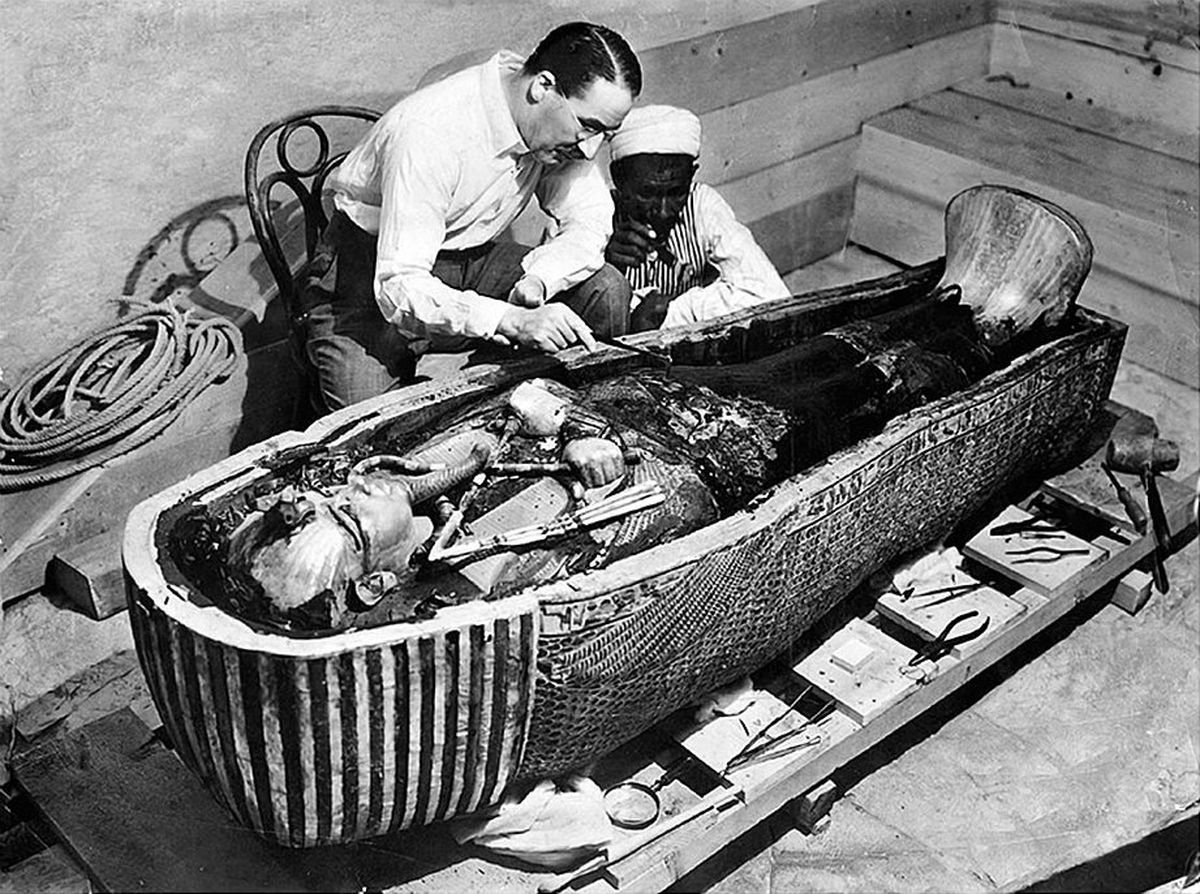
When Howard Carter unsealed the burial chamber of Pharaoh Tutankhamun on February 16, he found the sarcophagus intact. The discovery of the treasure-filled tomb unleashed a global wave of “Egyptomania.” Egyptian motifs influenced everything from Art Deco architecture and jewelry to fashion and film, cementing the allure of ancient Egypt in the popular imagination.
The Enduring Echo of 1923
Looking back, the historical events in 1923 serve as a powerful microcosm of the 20th century. It was a year of creation and destruction, of breathtaking progress and appalling brutality. The lines drawn on maps, the companies launched in Hollywood, the political ideologies hardened in Munich, and the medical treatments developed in Toronto all send ripples into our present. 1923 wasn’t just another year; it was a crucible where the modern world was forged, for better and for worse. The challenges and triumphs of that pivotal year continue to shape our own.










