Embark on an extraordinary odyssey through India, a land where ancient history breathes life into vibrant modernity, and every corner promises a new discovery. More than just a country, India is a profound experience – a sprawling tapestry woven with threads of diverse philosophies, languages, and breathtaking landscapes. This article is your definitive guide to understanding Indian culture, unfolding a treasure trove of captivating facts, celebrating deep-rooted India traditions, and offering essential insights for anyone considering India travel. Prepare to delve beyond the surface and discover what truly makes India one of the most mesmerizing nations on Earth.
The Enduring Tapestry of Indian Culture: An Ancient Legacy
The story of Indian culture is a saga spanning millennia, marking it as one of the world’s oldest and most continuous civilizations. Its enduring legacy is a testament to its resilience, adaptability, and profound spiritual depth.
A Civilization Forged Over Millennia
From the ancient Indus Valley Civilization, dating back over 4,500 years, India has nurtured a unique cultural identity. This extraordinary longevity led to the Sanskrit phrase, “Sa Prathama Sanskrati Vishvavara,” meaning “the first and the supreme culture in the world.” Historically, Western perspectives sometimes overlooked or mischaracterized India’s sophisticated past, often viewing non-European societies as “primitive.” However, the sheer depth of Indian culture, its philosophical contributions, scientific advancements, and artistic expressions consistently disprove such narrow views, revealing a civilization that has continually enriched humanity.
Diversity as India’s Defining Feature
India is a subcontinent of unparalleled diversity. Geographically, it ranges from the snow-capped Himalayas in the north to the tropical beaches of the south, and from the Thar Desert in the west to the lush deltas of the east. This vastness mirrors its human landscape. India is home to hundreds of languages, with 22 officially recognized, alongside countless dialects. This linguistic mosaic is accompanied by an incredible array of ethnic groups, culinary traditions, and artistic forms, all contributing to the rich, multifaceted identity that defines Indian culture. It is a living example of ‘unity in diversity,’ where different threads coalesce to form a stronger, more beautiful whole.
A Kaleidoscope of Indian Traditions: Festivals, Customs, and Daily Life
India traditions are not static relics of the past; they are dynamic, lived experiences that shape the daily lives of millions and provide profound insights into the nation’s soul.
Revered Festivals that Bind the Nation
Festivals are the pulsating heart of Indian traditions, vibrant celebrations that transcend religious boundaries and foster community spirit.
Indian culture.Social Customs and Etiquette
Understanding basic social India traditions enhances any interaction or India travel experience.
Understanding these intricate cultural nuances is key to truly appreciating India, and further exploration of these multifaceted cultural traits can provide even deeper insights.
Indian culture, showing deference to elders, seeking their blessings, and heeding their advice are deeply ingrained values.The Sacred Status of Animals
Animals hold a special place in Indian culture, often revered for their connections to deities and their role in rural life.
Indian culture.Performing Arts: Dance, Music, and Cinema
India traditions have fostered a rich legacy of performing arts that are globally recognized.
Indian culture.Unveiling Fascinating Indian Facts: Demographics, Geography, and Global Impact
Beyond its cultural depth, India is a land of truly astounding Indian facts and figures that underscore its global significance.
India’s Staggering Scale: Population and Landmass
Delving into facts about India reveals a nation of immense proportions:
Indian fact that shapes its future and global role.Economic Contrasts and Global Contributions
Facts about India also highlight its economic dynamism alongside persistent challenges:
Indian fact that underscores its historical trade routes and culinary influence. The intoxicating aromas of cumin, turmeric, cardamom, and chili peppers permeate its cuisine and global markets.Indian facts miners, quickly became symbols of luxury and status worldwide.Unique Natural and Man-Made Wonders
India’s landscape is dotted with natural curiosities and engineering marvels:
Indian fact that connects remote regions.Indian culture.Spiritual and Philosophical Roots: India’s Legacy of Faiths
Indian culture is intrinsically linked to its spiritual heritage, being the birthplace and nurturing ground for some of the world’s most profound religions and philosophical traditions.
Birthplace of Major Religions
India holds the unique distinction of being the origin point for four major world religions:
India traditions.India travel for pilgrims and history enthusiasts.A Harmonious Coexistence
The spiritual landscape of India is marked by a remarkable pluralism. Indian facts reveal that the country is home to over 2 million Hindu temples and more than 300,000 mosques. This alongside churches, gurdwaras, and synagogues, all standing testament to a long history of religious coexistence. While challenges exist, the fundamental fabric of Indian culture promotes respect for diverse faiths, a legacy enshrined in its democratic values.
Architectural Grandeur and Artistic Expressions: Essential India Travel Guide
For those planning India travel, the country’s architectural marvels and vibrant artistic expressions offer an unforgettable journey into its soul.
Iconic Landmarks: Symbols of a Rich Past
India’s historical monuments are not just stone structures; they are storytellers of empires, artistic genius, and devotion.
Indian fact from World War II is that the Taj Mahal was camouflaged with bamboo scaffolding to protect it from potential aerial bombings, showcasing the profound value placed on this monument. For India travel, it’s an absolute must-see, best experienced at sunrise or sunset.India travel exploring ancient history and art.Beyond the Monuments: Experiencing India’s Vibrancy
India travel offers a spectrum of experiences, from bustling metropolises to serene natural wonders.
India travel.Indian culture.India travel.Indian culture, perfect for adventurous India travel.Actionable Tip for India Travel: Embrace the local rhythm. While planning is good, allow for spontaneity. Be respectful of local India traditions, dress modestly when visiting religious sites, and engage with the incredible hospitality of the Indian people.
The Flavors of India: A Culinary Journey for Every Palate
No exploration of Indian culture is complete without diving into its world-renowned cuisine, a cornerstone of its identity and a delight for the senses.
Spice Capital of the World
As an astounding Indian fact, the nation produces approximately 75% of the world’s spices, making its culinary landscape incredibly rich and diverse. From the fiery heat of red chilies to the earthy warmth of turmeric and cumin, spices are not just flavor enhancers but integral to traditional medicine and cultural rituals. This abundance has shaped India traditions around food for centuries, influencing global gastronomy.
Regional Delicacies and Vegetarianism
India’s diverse geography and Indian culture have given rise to distinct regional cuisines.
Facts about India reveal it has the largest vegetarian population in the world, deeply rooted in religious beliefs (Hinduism, Jainism, Buddhism) that promote non-violence.Street Food and Traditional Meals
Indian culture proudly holds onto its traditional meals. While many parts of the world have seen drastic changes in their staple diets, Indians continue to cherish and consume legumes, lentils, rice, and wheat flour as core components of their daily meals. Alongside these traditional home-cooked foods, India travel offers a culinary adventure through its vibrant street food scene. From Mumbai’s vada pav to Delhi’s chaat, Kolkata’s kathi rolls, and Hyderabad’s biryani, street food is a delicious and accessible way to taste the true flavors of India.
Conclusion
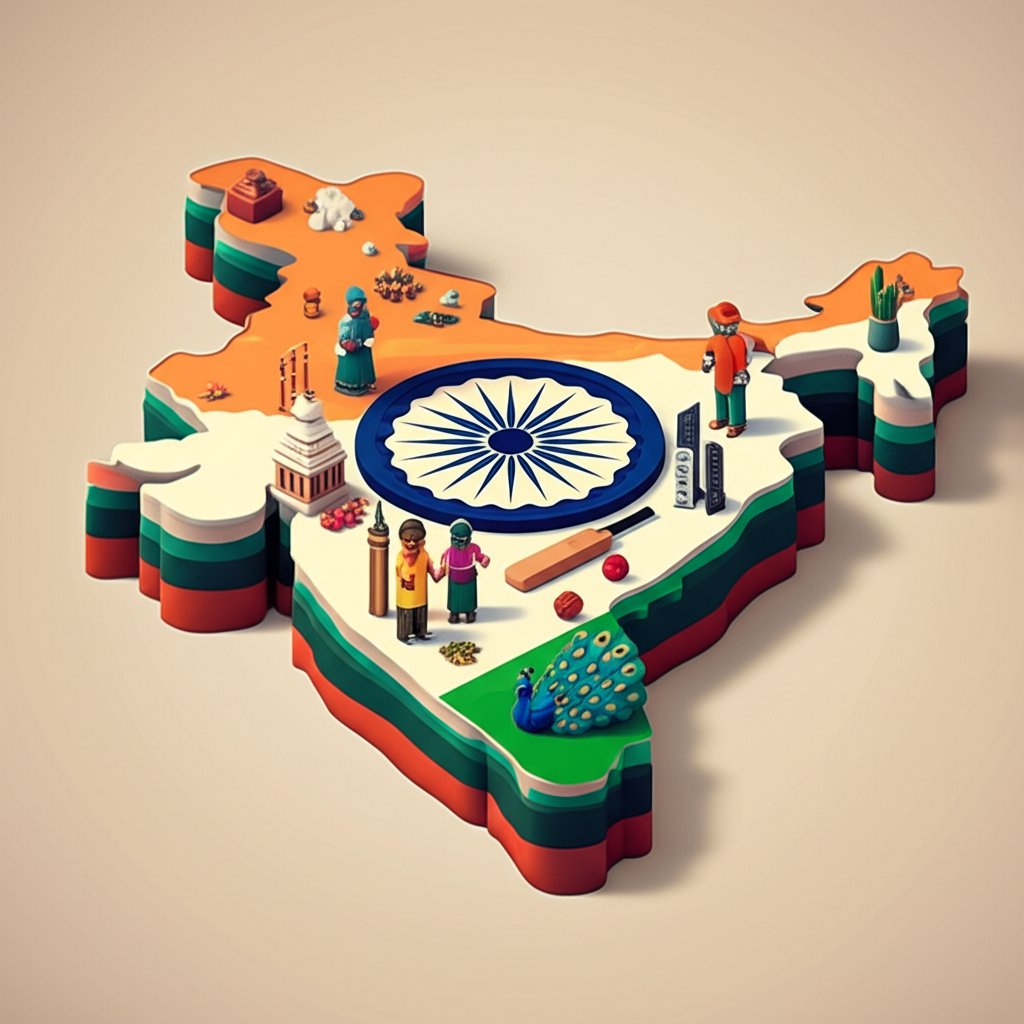
From its ancient origins to its modern dynamism, Indian culture is a breathtaking symphony of captivating facts and time-honored traditions. It is a nation that has gifted the world with profound philosophies, architectural wonders, vibrant celebrations, and an unparalleled culinary heritage. Every Indian fact and every intricate India tradition reveals a story of resilience, diversity, and enduring spirit.
Whether you’re drawn by the allure of spiritual enlightenment, the grandeur of historical landmarks, or the simple joy of authentic experiences, India travel promises a transformative journey. There is no single “India,” but rather a million Indias, each waiting to be discovered, to captivate your senses, and to leave an indelible mark on your soul. Embrace the exploration, immerse yourself in its rich tapestry, and let the magic of Indian culture unfold before you.
FAQ
Q1: Why is Indian culture considered one of the oldest in the world?
A1: Indian culture traces its roots back over 4,500 years to the Indus Valley Civilization. Its continuous evolution, rich philosophical traditions, ancient texts, and preserved customs make it one of the longest-surviving and most influential cultures globally.
Q2: What are some major India traditions that visitors can experience?
A2: Key India traditions include vibrant festivals like Diwali (Festival of Lights) and Holi (Festival of Colors), the respectful greeting of Namaste, the strong emphasis on family and reverence for elders, and a rich array of classical dance and music forms.
Q3: What makes India travel a unique experience?
A3: India travel is unique due to its immense diversity – from the Himalayan mountains to tropical beaches, bustling metropolises to serene villages. Visitors can explore ancient temples, majestic forts, diverse culinary landscapes, and witness a multitude of languages and spiritual practices coexisting.
Q4: Can you list a few facts about India regarding its size and population?
A4: Facts about India include it being the world’s largest democracy, the seventh-largest country by land area, and recently, the most populous nation globally, with over 1.4 billion people.
Q5: What is the significance of the Bichiya in Indian culture?
A5: In Indian culture, a Bichiya is a unique type of wedding ring worn on the toe by married women. It holds cultural and traditional significance as a visible symbol of marriage and commitment.
Q6: What is India’s contribution to global cuisine?
A6: India is known as the “Spice Capital of the World,” producing approximately 75% of global spices. Its cuisine, rich in aromatic spices, has profoundly influenced cooking traditions worldwide, with dishes like curries, biryanis, and tandoori preparations becoming staples in many countries.
Q7: What major religions originated in India?
A7: India is the birthplace of four major world religions: Hinduism, Buddhism, Jainism, and Sikhism. These faiths have profoundly shaped Indian culture and philosophy, and continue to be practiced by millions globally.










