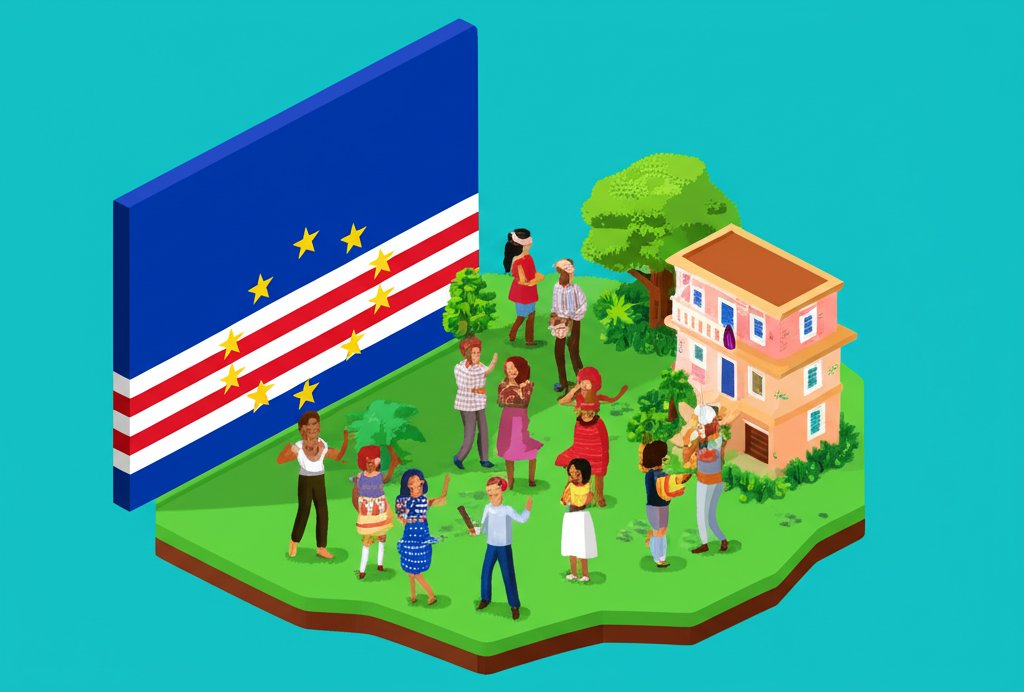
Embark on an extraordinary journey to the heart of the Atlantic, where the vibrant spirit of the Cape Verdean people shines brightest. This captivating archipelago, officially known as Cabo Verde, is more than just stunning landscapes and sun-drenched beaches; it’s a living tapestry woven with rich history, infectious rhythms, and unparalleled hospitality. If you’re eager to truly understand what makes this nation so special, then get ready to uncover the most surprising and delightful Fun Facts About Cape Verde. From their unique cultural fusion to their remarkable resilience, we’re about to delve deep into the soul of Cape Verde culture and meet the incredible people who define it. Prepare to have your perceptions broadened and your curiosity ignited as we explore a people who embody joy, strength, and an unwavering sense of community.
Unpacking the Rich Tapestry of Cape Verdean Identity

The very essence of being Cape Verdean is a testament to the power of cultural synthesis. Located at a historic crossroads between continents, the Cape Verdean people have forged an identity that is profoundly unique, drawing strength and vibrancy from diverse origins.
Understanding these historical influences provides vital context when exploring Cape Verdean cultural traits, especially the nuances that define daily life and interactions.
The “Krioulo” Heart: A Fusion of Heritages
At the core of the Cape Verdean people’s identity is the concept of “Krioulo” – a vibrant blend of African and European heritages. When Portuguese explorers first settled these uninhabited islands in the 15th century, they brought with them enslaved Africans, primarily from West African regions like Senegal, Guinea-Bissau, and The Gambia. Over centuries, these distinct cultures intermingled, giving rise to a new, dynamic society.
This fusion isn’t just historical; it’s visible in every facet of Cape Verde culture. Approximately 71% of the population identifies as Creole (mixed African and Portuguese), with significant African (28%) and minor European (1%) populations also present. This rich genetic and cultural mixing has resulted in a people with diverse physical features, a unique worldview, and an enduring sense of shared identity that transcends individual origins. The Krioulo identity is a source of immense national pride, symbolizing adaptability and the creation of something beautiful from diverse threads.
“Morabeza”: The Soul of Cape Verdean Hospitality
Perhaps the most beloved aspect of Cape Verdean people is their renowned “morabeza.” This untranslatable word encapsulates the profound warmth, hospitality, and friendliness that visitors experience from the moment they arrive. “Morabeza” is more than just politeness; it’s a deep-seated cultural value that emphasizes welcoming strangers, sharing what little one has, and fostering genuine human connection.
Whether you’re sipping a grogue (local rum) in a bustling market, dining in a family-run restaurante, or simply asking for directions, you’re likely to be met with open arms, a genuine smile, and an eagerness to help. This incredible warmth makes Cape Verde a truly welcoming destination and leaves a lasting impression on all who visit, transforming strangers into friends. It’s an active way of life that contributes significantly to the peaceful and inclusive atmosphere of the islands.
Beyond Borders: The Global Cape Verdean Diaspora
One of the most remarkable Fun Facts About Cape Verdean people is the sheer size and influence of their global diaspora. Consider this: the number of Cape Verdeans living abroad significantly outnumbers those residing on the islands. Major communities thrive in the United States (particularly New England), Portugal, France, the Netherlands, and other parts of Europe.
This extensive diaspora is a result of historical emigration driven by economic hardship and drought, particularly in the 19th and 20th centuries. However, far from diminishing their connection to home, the diaspora plays a crucial role in maintaining and enriching Cape Verde culture. Remittances sent back to the islands are a vital part of the economy, and many emigrants maintain strong ties, returning for holidays and bringing back new influences while preserving traditions. This global network demonstrates the powerful familial bonds and enduring national pride that transcend geographical distance.
The Rhythmic Pulse: Music and Dance in Cape Verde Culture
Music and dance are not just pastimes in Cabo Verde; they are the very heartbeat of the nation, a fundamental expression of joy, sorrow, history, and community. The Cape Verdean people connect deeply through their unique musical genres, each telling a story of the islands.
Morna, Coladeira, and Funaná: A Symphony of Emotions
The musical landscape of Cape Verde is incredibly rich and diverse, with each island boasting its own styles.
These genres, along with others like mazurka and Contradança, showcase the incredible musical ingenuity and spirit of the Cape Verdean people.
Cesária Évora: The Barefoot Diva’s Enduring Legacy
No discussion of Cape Verdean music is complete without mentioning Cesária Évora. Known affectionately as the “Barefoot Diva” because she often performed without shoes, Évora brought Cape Verdean music, particularly morna, to international acclaim. Her soulful voice, powerful presence, and authentic artistry resonated with audiences worldwide, earning her a Grammy Award and cementing her status as a global music icon.
Évora’s success not only raised the profile of Cabo Verde on the world stage but also instilled immense pride among the Cape Verdean people. She became a symbol of their culture, their struggles, and their triumphs, proving that a small island nation could produce truly global talent. Her legacy continues to inspire new generations of artists and remains a cornerstone of Cape Verde culture.
Dance as a Way of Life: Batuque and Beyond
Dance is intrinsically linked to music in Cabo Verde, serving as a communal expression of joy, celebration, and storytelling. Traditional styles like the energetic batuque, with its powerful drum rhythms and call-and-response vocals, are not just performances; they are dynamic social events that bring communities together. The funaná is another highly expressive dance, often performed in pairs, reflecting the lively and playful nature of the music.
These dances are central to festivals, family gatherings, and everyday life, embodying the collective spirit and vibrant energy of the Cape Verdean people. They are a physical manifestation of their history, their resilience, and their ability to find joy in communal expression.
Speaking “Kriolu”: A Unique Linguistic Gem of Cape Verde
The language spoken by the Cape Verdean people is as unique and blended as their heritage. While Portuguese remains the official language, it is Cape Verdean Creole, or “Kriolu,” that truly captures the nation’s soul.
Portuguese Roots, African Soul: The Evolution of Kriolu
One of the most fascinating Fun Facts About Cape Verde is the evolution of its primary spoken language. Cape Verdean Creole is a testament to the archipelago’s unique history as a melting pot. It developed from the interaction between Portuguese colonizers and the enslaved Africans brought to the islands. Over centuries, a pidgin language evolved into a full-fledged creole, blending a predominantly Portuguese vocabulary with West African grammatical structures and phonetic influences.
Each island often has its own distinct dialect of Kriolu, reflecting the slight variations in settlement patterns and local development. This linguistic diversity within the small archipelago adds another layer to the complexity and richness of Cape Verdean identity.
Kriolu as a Pillar of Cape Verdean Identity
Kriolu is far more than just a means of communication; it is a powerful symbol of Cape Verdean culture and national identity. It represents the resilience of a people who forged their own unique voice from disparate elements. While Portuguese is used in government, education, and formal contexts, Kriolu is the language of daily life, of music, poetry, and intimate conversations.
For the Cape Verdean people, speaking Kriolu is an affirmation of their distinct heritage and their shared history. Efforts are continually being made to promote and standardize Kriolu, recognizing its crucial role in preserving and celebrating their unique cultural legacy. It’s a living language that beautifully reflects the cultural crossroads that Cabo Verde represents.
Culinary Delights: Savoring Cape Verdean Flavors
The cuisine of Cape Verde is another delicious reflection of its history and geography. Influenced by African, Portuguese, and Brazilian flavors, it’s a hearty, flavorful, and often seafood-rich experience.
Cachupa: The National Dish and Its Variations
The undisputed national dish of Cabo Verde is cachupa. This slow-cooked stew is a staple throughout the islands and a must-try for any visitor interested in Cape Verde culture. At its base, cachupa is made with hominy (dried corn kernels), beans, cassava, sweet potato, and other vegetables. What elevates it are the additions: cachupa can be prepared with fish (cachupa rica de peixe) or various meats like pork, beef, and chicken (cachupa rica de carne), or simply as a vegetarian version (cachupa guisada).
A particularly popular variant is cachupa refogada, where leftover cachupa is fried with an egg for breakfast – a delicious way to enjoy the rich flavors the next day. Cachupa embodies the resourcefulness and communal spirit of the Cape Verdean people, a hearty meal often shared among family and friends.
Fresh Catches and Tropical Treats: A Taste of the Islands
Given its island location, fresh seafood plays a starring role in Cape Verdean cuisine. Expect to find abundant grilled fish like tuna, serrano (mackerel), and wahoo, often served with local rice and fresh salads. Lobster, octopus, and various shellfish are also popular delicacies.
Beyond seafood, the fertile valleys of islands like Santo Antão and Santiago yield a bounty of tropical fruits, including mangoes, papayas, bananas, and coconuts, which form a sweet and refreshing part of the diet. Local cheeses, particularly goat cheese, and a variety of stews (like caldo de peixe, a rich fish broth) further round out the culinary experience, offering a true taste of the island lifestyle and the resourcefulness of the Cape Verdean people.
Resilience, Innovation, and Progress: The Spirit of Cape Verde
The history of Cape Verde has been marked by challenges, from drought and limited resources to the hardships of colonial rule. Yet, the Cape Verdean people have consistently demonstrated remarkable resilience, ingenuity, and a forward-thinking spirit that has allowed them to thrive and achieve significant milestones.
Overcoming Adversity: A History of Ingenuity
Life on an archipelago with limited natural resources and periods of severe drought has fostered an incredible sense of resourcefulness among the Cape Verdean people. Historically, they have learned to make the most of what they have, adapting agricultural practices to arid conditions and developing clever ways to sustain themselves. This spirit of ingenuity extends to their crafts, where discarded materials are often transformed into beautiful and functional items, reflecting a deeply ingrained culture of sustainability.
This ability to overcome adversity is a hallmark of Cape Verdean identity, a quiet strength that has seen them through centuries of challenges and continues to drive their progress.
Sustainable Future: Harnessing Island Resources
Today, Cabo Verde is a leader in sustainable development, particularly in harnessing renewable energy. Recognizing the vulnerability of their island nation and their abundant natural resources like wind and sun, the Cape Verdean people and their government have made significant strides in transitioning to green energy. Wind farms are visible on several islands, and there’s a strong commitment to increasing the percentage of electricity generated from renewable sources.
This proactive approach not only addresses environmental concerns but also showcases the innovation and forward-thinking vision of the Cape Verdean people, positioning Cape Verde as a model for other small island developing states.
High Standards of Living: A West African Success Story
One of the most impactful Fun Facts About Cape Verde is its standing as one of the most developed and democratic countries in Africa, boasting one of the highest standards of living in West Africa. Since gaining independence from Portugal in 1975, Cape Verde has cultivated a stable political and economic system.
This success is largely attributed to sound governance, strategic investments (particularly in tourism), and the hard work and resilience of the Cape Verdean people, both at home and abroad. While challenges remain, Cabo Verde serves as a beacon of progress and stability in the region, demonstrating what can be achieved with determination and a strong national spirit.
Beyond the People: Fascinating Facts About Cape Verde Itself
While the Cape Verdean people are undoubtedly the heart of these islands, the archipelago itself holds many intriguing facts that contribute to its mystique and charm.
An Uninhabited Paradise: Discovery and Early Settlements
It’s a common misconception that indigenous people inhabited Cape Verde before European arrival. In fact, one of the key Fun Facts About Cape Verde is that the islands were completely uninhabited until Portuguese explorers discovered them in the mid-15th century (around 1456). They established one of the first European settlements in the tropics at Ribeira Grande (now Cidade Velha) on Santiago Island. This initial settlement quickly became a crucial hub in the transatlantic slave trade, shaping the demographic and cultural trajectory of the islands forever.
UNESCO World Heritage Sites: Cidade Velha
Speaking of Cidade Velha, this historic town on Santiago Island is a UNESCO World Heritage site, a powerful testament to Cabo Verde’s crucial role in global history. As the first European colonial outpost in the tropics, Cidade Velha was a vital port for the transatlantic slave trade and a hub for merchants, privateers, and pirates during the 16th and 17th centuries.
Today, visitors can explore its ruins, including the Forte Real de São Filipe (a magnificent fortress), the Pillory, and the oldest colonial church in the world, Our Lady of the Rosary. This site offers a poignant glimpse into the complex past that shaped the Cape Verdean people and their unique Cape Verde culture.
Protecting Natural Wonders: Loggerhead Sea Turtles
Cape Verde is home to an incredible natural wonder: it is the third-largest nesting site in the world for loggerhead sea turtles (Caretta caretta). From June to February, these majestic creatures return to the islands’ pristine beaches, particularly on Sal and Boa Vista, to lay their eggs. Recognizing the global importance of this phenomenon, the Cape Verdean government and numerous local organizations have implemented strict conservation laws to protect these endangered turtles and their nesting grounds. This commitment to environmental stewardship highlights another admirable aspect of Cabo Verdean values.
Geographical Marvels: The Volcanic Archipelago of Cabo Verde
The physical landscape of Cabo Verde is as diverse as its people. The archipelago consists of ten main volcanic islands (nine of which are inhabited) and eight smaller islets, forming a horseshoe shape in the Atlantic. These islands are divided into two groups: the Barlavento (windward islands) to the north, including Santo Antão, São Vicente, and Sal, and the Sotavento (leeward islands) to the south, such as Santiago, Fogo, and Brava.
From the extensive salt flats of Sal and Maio to the arid slopes and sugarcane fields of Santiago, and the towering active volcano of Fogo, the islands offer dramatic and varied scenery. The lack of significant rivers is a direct result of their volcanic origin and arid climate, making water a precious resource and influencing the daily lives of the Cape Verdean people. Located in the Macaronesia ecoregion, Cabo Verde is a truly unique geographical marvel.
Conclusion: Discover the Enduring Spirit of Cape Verde
From the warmth of “morabeza” to the soulful strains of “morna,” the resilience of their history to their innovative strides towards a sustainable future, the Cape Verdean people are truly extraordinary. This comprehensive look into Cape Verde culture and its many Fun Facts About Cape Verde reveals a nation rich in spirit, heritage, and unwavering identity. They are a testament to the beauty of cultural fusion, the strength found in community, and the power of overcoming adversity with grace and joy.
Whether you’re drawn by the captivating music, the delicious cuisine, the stunning landscapes of Cabo Verde, or simply the genuine warmth of its inhabitants, you’ll leave with a deeper appreciation for this hidden gem of the Atlantic. So, next time you hear about Cape Verde, remember the incredible Cape Verdean people who make it shine so brightly. Their story is one of fascinating facts, profound history, and an enduring spirit that continues to inspire.
FAQ: Your Questions About Cape Verde Answered!
Q1: What is the official name of Cape Verde and what does it mean?
A1: The official name of Cape Verde is the Republic of Cabo Verde. “Cabo Verde” translates to “green cape” in Portuguese, though the islands are often quite arid.
Q2: Why is Cape Verde considered to have one of the highest standards of living in West Africa?
A2: Cape Verde has achieved one of the highest standards of living in West Africa due to its stable democratic political system, consistent economic growth largely driven by tourism and foreign investment, and strong social development indicators compared to other nations in the region.
Q3: Who were the first inhabitants of Cape Verde?
A3: Cape Verde was uninhabited when Portuguese explorers discovered the islands in the mid-15th century (around 1456). The first inhabitants were the Portuguese settlers and enslaved Africans they brought to the archipelago.
Q4: What is “morabeza” and why is it important in Cape Verdean culture?
A4: “Morabeza” is a unique Cape Verdean concept that embodies profound hospitality, warmth, friendliness, and generosity. It is deeply ingrained in Cape Verde culture and defines the welcoming nature of the Cape Verdean people towards both locals and visitors, making it a cornerstone of their national identity.
Q5: What is the significance of the Cape Verdean Creole (Kriolu) language?
A5: Kriolu is a unique language that blends Portuguese vocabulary with West African grammar and pronunciation. While Portuguese is the official language, Kriolu is widely spoken and cherished as a vital part of Cape Verdean cultural identity, symbolizing the fusion of African and European heritages.
Q6: What is “morna” and who is Cesária Évora?
A6: Morna is the most iconic Cape Verdean musical genre, known for its melancholic and soulful melodies, often compared to the blues. Cesária Évora, famously known as the “Barefoot Diva,” was an internationally acclaimed singer who brought morna and Cape Verdean music to global recognition, becoming a symbol of Cape Verdean culture.
Q7: What is cachupa?
A7: Cachupa is the national dish of Cabo Verde, a hearty slow-cooked stew made with hominy (dried corn), beans, various vegetables, and often fish or meat (pork, beef, chicken). It’s a staple food and a delicious representation of Cape Verdean cuisine.
Q8: Does Cape Verde have any UNESCO World Heritage sites?
A8: Yes, Cidade Velha, the historic center of Ribeira Grande on Santiago Island, is a UNESCO World Heritage site. It was the first European colonial city in the tropics and a key hub for the transatlantic slave trade during the 16th and 17th centuries.
Q9: What is the Cape Verdean diaspora?
A9: The Cape Verdean diaspora refers to the large population of Cape Verdean people and their descendants living outside of Cabo Verde, primarily in the United States and various European countries. This diaspora maintains strong ties to the islands and significantly contributes to the economy and Cape Verde culture.
Q10: What kind of natural wildlife is significant in Cape Verde?
A10: Cape Verde is internationally recognized as the third-largest nesting site in the world for loggerhead sea turtles (Caretta caretta). Extensive conservation efforts are in place to protect these endangered marine animals.










