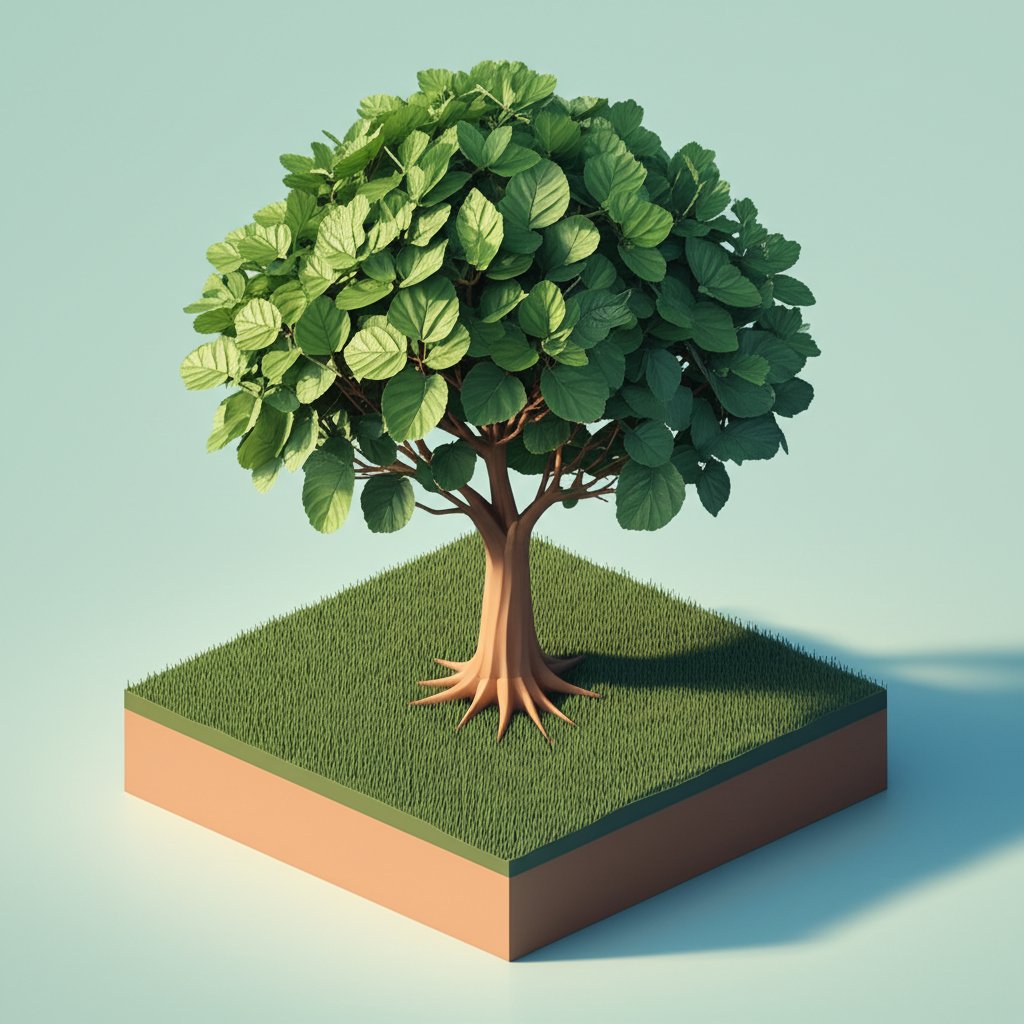
Imagine a backyard oasis – a canopy of lush, vibrant green leaves providing cool, inviting shade. Now, imagine that same idyllic scene without the sticky, staining mess of fallen fruit, or the unwelcome buzz of fruit-attracted insects. This dream becomes a reality with the fruitless mulberry tree. A true marvel of landscape design, this non fruiting mulberry tree offers all the aesthetic and practical benefits of its fruiting cousins, minus the hassle.
If you’re seeking a beautiful, fast-growing shade tree that demands minimal upkeep and delivers maximum impact, the fruitless mulberry is your answer. In this comprehensive guide, we’ll delve into the world of this remarkable tree, exploring its unique advantages, detailed care instructions, essential fruitless mulberry tree pruning techniques, and much more, ensuring you have all the knowledge to invite this effortless beauty into your landscape.
Beyond just aesthetics, remember that bringing greenery into your yard, as with the fruitless mulberry, also delivers numerous well-being advantages, mirroring the broader benefits of plants highlighted in recent studies.
Understanding the Fruitless Mulberry Tree: A Mess-Free Solution
The allure of the mulberry tree has captivated gardeners for centuries, largely due to its rapid growth, dense shade, and attractive foliage. However, the prolific, often messy fruit of traditional varieties can be a significant deterrent. Enter the fruitless mulberry tree, a cultivated variety specifically bred to eliminate this very concern.
What is a Fruitless Mulberry?
Scientifically, the fruitless mulberry is typically a male clone of the White Mulberry (Morus alba), known for its resilience and adaptability. Since only female mulberry trees produce fruit, selecting male cultivars ensures a completely fruit-free experience. These trees offer the same vigorous growth and aesthetic appeal as their fruiting counterparts but without the associated cleanup, making them a top choice for urban and suburban landscapes.
Key Characteristics and Growth Habits
Fruitless mulberries are renowned for their impressive characteristics:
- Size and Canopy: They are grand trees, often reaching heights of 40-60 feet with a widespread, dense, rounded canopy that can span 30-50 feet. This impressive size makes them excellent shade providers.
- Leaves: Their large, heart-shaped or deeply lobed leaves are a vibrant green throughout spring and summer, providing lush texture. Come autumn, these leaves transform into a brilliant, golden yellow, adding a stunning seasonal display.
- Growth Rate: One of their most appealing features is their exceptionally fast growth rate. A young tree can establish quickly and provide significant shade within just a few years, offering immediate gratification to homeowners.
- Adaptability: These trees are incredibly tolerant of various soil types (though they prefer well-drained loams) and can thrive in a wide range of climates (USDA Zones 4-9), enduring drought conditions once established.
Why Choose a Non-Fruiting Variety?
Choosing a non fruiting mulberry tree eliminates several common landscape frustrations:
- No Messy Fruit: This is the primary advantage. You won’t contend with fallen berries staining patios, walkways, or cars, or tracking into your home. This significantly reduces cleanup time and effort.
- Reduced Pest Attraction: Ripe fruit attracts wasps, flies, and other insects, which can be a nuisance in outdoor living spaces. With no fruit, these pests are far less likely to congregate.
- Allergy Relief: While the tree still produces pollen, the absence of fruit means no associated fruit-related allergens or concerns about consuming fallen berries.
- Avoids Invasiveness: In some regions, fruiting mulberries can become invasive as birds disperse their seeds far and wide. The fruitless variety mitigates this environmental concern, as it produces no viable seeds.
- Cleaner Hardscapes: Enjoy pristine patios, decks, and driveways without the risk of purple stains that are notoriously difficult to remove.
Fruitless Mulberry Tree Pros and Cons: Weighing Your Options
Like any significant landscape planting, the fruitless mulberry tree comes with its own set of advantages and potential drawbacks. Understanding these fully is key to making an informed decision for your outdoor space.
The Undeniable Advantages
The benefits of incorporating a fruitless mulberry into your yard are extensive:
- Superior Shade Provider: With their expansive, dense canopies, these trees are unparalleled at creating cool, inviting shade, significantly reducing ambient temperatures and even lowering cooling costs for nearby homes.
- Rapid Growth: If you desire quick results, the fruitless mulberry delivers. Its vigorous growth habit means you won’t wait decades for a mature, shade-providing tree.
- Low Maintenance: Beyond initial establishment and regular pruning, these trees are remarkably easy to care for. They are tolerant of drought, a wide range of soils, and generally exhibit good pest and disease resistance.
- Year-Round Appeal: From the fresh green of spring and summer, to the brilliant yellow of autumn foliage, and the striking winter silhouette, the tree offers visual interest throughout the seasons.
- Drought and Heat Tolerance: Once established, they are highly resilient, making them suitable for arid climates and areas prone to hot summers, requiring less supplemental watering.
- Pest and Disease Resistance: While not entirely invulnerable, they generally fare well against common tree ailments, demanding less intervention than some other shade tree species.
- Cleanliness: As highlighted, the absence of fruit eliminates a major source of mess and maintenance, maintaining neat and tidy outdoor spaces.
Potential Drawbacks and Considerations
While highly advantageous, it’s important to acknowledge potential challenges:
- Mature Size: These trees grow large. Their eventual height and spread require ample space. Planting too close to structures, power lines, or other large trees can lead to problems down the line.
- Aggressive Root Systems: Fruitless mulberries, like many fast-growing trees, develop strong, widespread root systems. These roots can potentially lift sidewalks, crack foundations, or interfere with underground pipes if planted too closely to infrastructure. Careful site selection is paramount.
- Brittle Branches: Older, unpruned fruitless mulberry trees can sometimes develop brittle branches, especially in high winds or ice storms. Regular pruning helps mitigate this risk by maintaining a strong, balanced structure.
- Mulberry Leaf Spot: While generally resistant, they can be susceptible to mulberry leaf spot, a fungal disease that can cause unsightly spots and premature leaf drop.
- Pollen Allergies: As male trees, they produce pollen, which can be an allergen for some individuals, particularly during late spring.
- Water Needs: While drought-tolerant when mature, young trees need consistent, deep watering to establish a robust root system.
Is a Fruitless Mulberry Right for Your Landscape?
The decision hinges on your specific needs and site conditions. If you have:
If these factors align, a fruitless mulberry tree could be an excellent, long-term asset to your property.
Mastering Fruitless Mulberry Tree Pruning for Health & Shape
Effective fruitless mulberry tree pruning is crucial for maintaining its health, structural integrity, and aesthetic appeal. Given their rapid growth, regular, thoughtful pruning is more important for these trees than for many other species.
Why Pruning is Essential
Pruning serves multiple vital purposes for your fruitless mulberry:
- Structural Integrity: Encourages strong scaffold branches and a balanced canopy, reducing the risk of brittle branches and storm damage.
- Health and Vigor: Removes dead, diseased, or crossing branches, improving air circulation and light penetration, which reduces disease risk.
- Shape and Size Management: Allows you to control the tree’s overall form, keep it within desired boundaries, and maintain clearance over walkways or structures.
- Safety: Eliminates weak or overhanging branches that could pose a hazard.
- Rejuvenation: For older, overgrown trees, selective pruning can stimulate new growth and extend the tree’s lifespan.
When to Prune Your Fruitless Mulberry
The best time for major pruning is late winter or early spring when the tree is dormant.
- Dormant Pruning (Late Winter/Early Spring): This is ideal for significant structural pruning, removing large branches, and shaping the tree. The absence of leaves allows for better visibility of the tree’s structure, and the tree is less susceptible to pest and disease entry at this time.
- Light Summer Pruning: You can perform light shaping or remove suckers and water sprouts in early summer. Avoid heavy pruning during the growing season as it can stress the tree and reduce its energy reserves.
- Emergency Pruning: Dead, broken, or storm-damaged branches should be removed immediately, regardless of the season, to prevent further damage or disease entry.
Step-by-Step Fruitless Mulberry Pruning Guide
Before you begin, ensure you have the right tools: sharp bypass pruners for small branches, loppers for medium-sized branches, and a pruning saw for larger limbs. Always disinfect your tools before and after use.
- Start with the “Three Ds”: Remove any Dead, Diseased, or Damaged branches first. Cut back to healthy wood.
- Eliminate Crossing or Rubbing Branches: Identify branches that rub against each other. Keep the stronger, better-positioned branch and remove the weaker one. This prevents bark wounds and potential entry points for disease.
- Address Water Sprouts and Suckers: These are fast-growing, vertical shoots that appear on branches (water sprouts) or at the base of the trunk (suckers). They are usually weak and detract from the tree’s form. Prune them off as close to their origin as possible.
- Thin the Canopy: Remove some interior branches to improve air circulation and light penetration. Aim for even spacing between branches. Don’t remove more than 25% of the canopy in a single pruning session.
- Shape the Tree: Step back regularly to assess the tree’s overall form. Make cuts to achieve a desired shape, such as a rounded or open-vase structure. Always cut back to a lateral branch or a healthy bud.
- Raise the Canopy (if desired): Remove lower branches to allow for clearance beneath the tree. Ensure you maintain at least 2/3 of the tree’s height in living canopy.
- Consider Pollarding (Advanced Technique): For very specific aesthetic or size control goals, some gardeners pollard fruitless mulberries. This involves cutting back all main branches to the same point each year, creating a knobby framework. This is a commitment and should only be done if you intend to maintain it annually.
Common Pruning Mistakes to Avoid
- Over-Pruning: Removing too much of the canopy at once can severely stress the tree and lead to weak, rapid regrowth (water sprouts).
- Topping: Cutting back main branches to stubs without regard for lateral branches. This creates weak, upright growth and compromises the tree’s structure and health.
- Leaving Stubs: Always cut branches back to the branch collar (the slightly swollen area where a branch meets the trunk or a larger branch). Stubs can lead to decay.
- Using Dull Tools: Dull tools tear rather than cut, creating ragged wounds that are slow to heal and prone to disease.
By following these fruitless mulberry tree pruning guidelines, you will promote a strong, healthy, and beautiful tree that enhances your landscape for decades.
Effortless Care Guide: Planting, Watering, and Pest Management
One of the most appealing aspects of the fruitless mulberry tree is its reputation for being low-maintenance. However, providing optimal care, especially during its formative years, will ensure a robust and long-lived specimen.
Optimal Planting Conditions
Choosing the right location and preparing the soil are foundational steps for success.
- Sunlight: Fruitless mulberries thrive in full sun, meaning at least 6-8 hours of direct sunlight per day. While they can tolerate partial shade, full sun promotes denser foliage and better overall health.
- Soil: They are adaptable to a wide range of soil types but prefer well-drained loam with a neutral to slightly acidic pH. Avoid consistently waterlogged soils, as this can lead to root rot.
- Spacing: Given their mature size and aggressive root systems, proper spacing is critical. Plant them at least 20-30 feet away from structures, foundations, sidewalks, driveways, and underground utilities to prevent root damage.
Planting Your Fruitless Mulberry Tree
Spring or fall are the best times to plant, allowing the tree to establish its root system before extreme weather conditions.
- Dig the Hole: Dig a hole that is two to three times wider than the root ball and just as deep. The top of the root ball should be level with or slightly above the surrounding soil grade.
- Prepare the Tree: Gently remove the tree from its container. If the roots are circling, tease them apart or make a few vertical cuts through the root ball to encourage outward growth.
- Place the Tree: Position the tree in the center of the hole, ensuring it’s straight. The root flare (where the trunk widens at the base) should be visible above the soil line.
- Backfill: Begin refilling the hole with the excavated soil, gently tamping it down to remove large air pockets. Do not add soil amendments unless your soil is extremely poor, as this can create drainage issues.
- Water Thoroughly: Water deeply immediately after planting to settle the soil around the roots.
- Mulch: Apply a 2-4 inch layer of organic mulch (like wood chips or shredded bark) around the base of the tree, extending to the drip line. Keep mulch a few inches away from the trunk to prevent rot.
Watering Requirements for Vigorous Growth
- Establishment Period (First 1-2 Years): This is the most critical phase. Water deeply and regularly, typically 2-3 times per week, especially during dry spells. The goal is to encourage deep root growth, so ensure the water penetrates at least 18-24 inches into the soil. Use a slow trickle from a hose or a soaker hose to achieve this.
- Mature Trees: Once established, fruitless mulberries are quite drought-tolerant. They will generally thrive on natural rainfall, but deep watering during extended dry periods will promote better health and appearance. Look for signs of stress, such as wilting or drooping leaves, as an indication for supplemental watering.
Fertilization Needs
Fruitless mulberries are not heavy feeders.
- Young Trees: A balanced, slow-release granular fertilizer (e.g., 10-10-10) can be applied in early spring of the second year after planting, following product instructions.
- Mature Trees: Fertilization is usually only necessary if the tree shows signs of nutrient deficiency (e.g., stunted growth, pale leaves). A soil test can help determine specific nutrient needs. Otherwise, the decomposing organic mulch around the tree should provide sufficient nutrients.
Common Pests and Diseases
While generally hardy, fruitless mulberries can encounter a few issues:
- Mulberry Leaf Spot (Fungal Disease): This is the most common problem, causing dark spots on leaves, which may turn yellow and drop prematurely.
- Prevention: Good air circulation (through pruning), raking and disposing of fallen infected leaves, and ensuring the tree is not stressed.
- Treatment: For severe cases, fungicides can be applied, but often, the tree tolerates this disease without long-term harm.
- Bacterial Blight: Can cause cankers on branches and blight on leaves. Prune out affected branches and maintain good tree hygiene.
- Pests: While less common without fruit, some pests like scale insects or mealybugs can occasionally infest the tree.
- Control: Strong blasts of water can dislodge many soft-bodied pests. For more severe infestations, horticultural oil or insecticidal soap can be effective, applied according to product directions. Always identify the pest before treating.
By implementing these straightforward care practices, your non fruiting mulberry tree will remain a vibrant and healthy feature of your landscape for many years.
Landscaping with Non-Fruiting Mulberry Trees: Design Ideas & Placement
The stately presence and generous shade of a fruitless mulberry tree make it an invaluable asset in landscape design. Its versatility allows it to serve various functions, from a solitary focal point to a dense privacy screen. Thoughtful placement is key to maximizing its benefits while mitigating potential issues.
Strategic Placement for Maximum Benefit
Considering the tree’s mature size and root system is paramount for successful long-term integration into your landscape.
- Effective Shade: Plant on the south or west side of your home to cast cooling shade during the hottest parts of the day, potentially reducing energy consumption.
- Patio and Deck Shade: Position to shade outdoor living areas, creating a comfortable environment for relaxation and entertaining. Remember its root system and avoid planting directly over patio slabs without proper root barriers.
- Driveway and Walkway Considerations: While excellent for shading these areas, maintain a significant distance (20-30 feet) to prevent root heave and damage to paved surfaces.
- Stormwater Management: The large canopy and root system can help absorb rainwater, reducing runoff in your yard.
Inspiring Landscaping Applications
The aesthetic qualities of the fruitless mulberry lend themselves to diverse design concepts:
- Majestic Specimen Tree: In a large garden or lawn, a single fruitless mulberry can stand alone as a magnificent focal point. Its impressive size, beautiful foliage, and autumn color command attention. Underplant with shade-loving groundcovers or hostas for a curated look.
- Grand Shade Tree: This is its most common and celebrated role. Planted strategically, it provides relief from the sun for entire sections of your yard, creating ideal spots for benches, play areas, or outdoor dining.
- Living Privacy Screen or Windbreak: Plant a row of fruitless mulberries to form a dense, natural screen. Their fast growth and thick foliage create an effective barrier against prying eyes, noise, and harsh winds. Regular fruitless mulberry tree pruning can help them maintain a denser, more uniform hedge-like appearance.
- Avenue or Boulevard Trees: For grand entrances or expansive properties, planting a series of fruitless mulberries along a driveway or pathway can create an impressive, shaded avenue.
- Espaliered Beauty (with dedication): While less common due to their vigor, young fruitless mulberries can be trained against a wall or trellis in an espalier form. This requires consistent, detailed pruning to maintain the flat, decorative shape. It’s a rewarding challenge for dedicated gardeners in smaller spaces.
Companion Planting and Understory Options
Beneath the dense canopy of a mature fruitless mulberry, a shade-tolerant understory is essential:
- Shade-Loving Perennials: Hostas, ferns, astilbe, and lungwort (Pulmonaria) thrive in the dappled light and moist conditions beneath the tree.
- Groundcovers: Consider creeping Jenny, periwinkle (Vinca minor), or ivy for a low-maintenance, evergreen carpet.
- Spring Bulbs: Plant early spring bulbs like daffodils or crocuses, which will bloom before the mulberry leaves fully emerge, enjoying the available sunlight.
By carefully considering its placement and integrating it into your overall landscape design, a non fruiting mulberry tree can become a cherished, low-maintenance centerpiece that provides beauty and comfort for decades.
Ensuring Longevity: Common Issues and Maximizing Your Tree’s Lifespan
A fruitless mulberry tree can be a long-term investment in your landscape, often living for 20 to 75 years, and sometimes exceeding 100 years under ideal conditions. Understanding its unique characteristics and potential challenges is key to promoting its health and maximizing its lifespan.
Understanding the Lifespan
Several factors influence how long your fruitless mulberry will thrive:
- Environmental Conditions: Optimal climate (USDA Zones 4-9), well-drained soil, and adequate sunlight contribute significantly to longevity.
- Care Practices: Consistent watering during establishment, appropriate fruitless mulberry tree pruning, and timely pest/disease management are crucial.
- Site Selection: Proper spacing from structures and utilities prevents root damage and ensures the tree has room to grow without interference.
Addressing Rapid Growth and Root Systems
The quick growth of fruitless mulberries, while a “pro,” also necessitates proactive management of its robust root system.
- Root Barriers: If planting closer to paved areas or foundations is unavoidable, consider installing a professional-grade root barrier at the time of planting. These barriers direct roots downwards, away from surface structures.
- Appropriate Spacing: As previously mentioned, planting distance is the simplest and most effective mitigation strategy. Respecting the tree’s eventual spread will save headaches later.
- Deep Watering: Encourages roots to grow downward rather than spreading superficially in search of moisture, which reduces surface root issues.
Preventing and Treating Mulberry Leaf Spot
Mulberry leaf spot, primarily caused by the fungus Mycosphaerella mori, is the most common disease affecting these trees.
- Symptoms: Small, dark, circular spots appear on leaves, often with a yellow halo. As the disease progresses, spots merge, leaves yellow, and may drop prematurely.
- Prevention Strategies:
- Sanitation: Rake and destroy all fallen leaves in autumn. This reduces the fungal spores available to reinfect the tree the following spring.
- Air Circulation: Regular fruitless mulberry tree pruning to thin the canopy improves air movement, which inhibits fungal growth.
- Avoid Overhead Watering: Water at the base of the tree to keep foliage dry.
- Treatment: For severe infections that significantly defoliate the tree, fungicides labeled for leaf spot control on mulberries can be applied in early spring as new leaves emerge. Consult with a local arborist for specific product recommendations and application timing.
Proactive Care for a Healthy, Long-Lived Tree
Beyond the specifics, a holistic approach to care will significantly extend your tree’s life:
- Regular Inspections: Periodically examine your tree for any signs of stress, pests, or disease. Early detection leads to easier and more effective intervention.
- Proper Pruning: Maintain a strong central leader (if desired) and good branch spacing. Remove dead or damaged wood promptly.
- Mulching: A consistent layer of organic mulch helps retain soil moisture, regulate soil temperature, suppress weeds, and slowly adds nutrients back to the soil.
- Professional Consultation: For complex issues, large-scale pruning, or concerns about root systems, consult a certified arborist. Their expertise can provide tailored advice and ensure the long-term health of your tree.
By understanding these potential challenges and implementing proactive care strategies, you can ensure your fruitless mulberry tree remains a robust, beautiful, and effortless addition to your landscape for many generations.
Conclusion

The fruitless mulberry tree truly represents the best of both worlds: the grandeur and shade of a magnificent tree combined with the convenience of a mess-free landscape. From its rapid growth and stunning autumn foliage to its remarkable adaptability and low-maintenance nature, this non fruiting mulberry tree offers an ideal solution for homeowners seeking beauty without the burden.
By embracing mindful planting, consistent (yet simple) care, and strategic fruitless mulberry tree pruning, you can cultivate a healthy, long-lived specimen that transforms your outdoor space into a verdant, tranquil retreat. Choose the effortless elegance of the fruitless mulberry, and enjoy decades of cool shade, vibrant beauty, and unparalleled cleanliness in your backyard.
FAQ Section
How fast do fruitless mulberry trees grow?
Fruitless mulberry trees are known for their exceptionally rapid growth rate, often growing 3-5 feet per year under ideal conditions. This means they can provide substantial shade and impact in your landscape within just a few years.
Are fruitless mulberry trees invasive?
While the Morus alba species (white mulberry, from which fruitless varieties are derived) can be considered invasive in some regions due to its prolific fruiting and seed dispersal by birds, the fruitless mulberry tree itself is not invasive because it does not produce fruit or viable seeds. This eliminates the primary mechanism of invasiveness.
Do fruitless mulberry trees have deep roots?
Yes, fruitless mulberry trees develop strong, widespread, and relatively shallow root systems. While they do have a taproot, many of their feeder roots grow closer to the surface. This is why careful placement, at least 20-30 feet away from foundations, sidewalks, and underground utilities, is crucial to prevent damage.
What is the best time to plant a fruitless mulberry tree?
The ideal times to plant a fruitless mulberry tree are in early spring or early fall. These seasons offer milder temperatures and more consistent moisture, allowing the tree to establish its root system before facing the stress of summer heat or winter cold.
Do fruitless mulberries attract pests?
Without fruit, fruitless mulberries generally attract fewer pests than their fruiting counterparts. The absence of berries means no fruit flies, wasps, or other insects commonly drawn to ripe fruit. They can occasionally be affected by general tree pests like scale or mealybugs, and are susceptible to mulberry leaf spot, a fungal disease.
Can I grow a fruitless mulberry in a container?
Due to their large mature size and aggressive root systems, fruitless mulberry trees are not suitable for long-term container growth. While a very young tree might survive in a large container for a short period, it will quickly outgrow it and require planting in the ground to thrive.
Are fruitless mulberries messy in other ways (leaves, pollen)?
While they eliminate fruit mess, fruitless mulberries still drop their leaves in the fall, which will require raking or cleanup. As male trees, they also produce pollen in the spring, which can be an allergen for some individuals. However, this is generally a much smaller concern than the mess and potential allergen issues associated with fallen fruit.
What’s the difference between a fruitless mulberry and a regular mulberry?
The primary difference is the absence of fruit in fruitless varieties. Regular mulberries (like red, black, or even fruiting white mulberries) produce abundant, edible berries that can be messy, stain surfaces, and attract wildlife. Fruitless mulberries are typically male clones of the white mulberry (Morus alba) specifically cultivated to provide dense shade and beautiful foliage without the cleanup associated with fruit production.











2 thoughts on “Fruitless Mulberry Tree: Effortless Care & No Mess”
Comments are closed.