
Welcome to the captivating realm of Sapphire Gemstones, where profound beauty meets ancient lore and scientific marvels. These magnificent stones, revered for millennia, are more than just sparkling adornments; they are windows into geological history, cultural heritage, and the very essence of what makes a Precious Gem truly exceptional. If you’ve ever been mesmerized by their vibrant hues or wondered about their origins, prepare to embark on an enlightening journey. This article will meticulously uncover the secrets of Sapphire, providing an unparalleled depth of Facts About Sapphire that will leave no stone unturned and empower you to become a true connoisseur of these ethereal treasures.
What Are Sapphire Gemstones? The Core Identity of a Precious Gem
At the heart of every Sapphire Gemstone lies a fascinating story of geological formation and chemical composition. As one of the “big three” Precious Gems (alongside rubies and emeralds), sapphires command universal admiration. But what exactly defines these captivating stones?
The Corundum Family: More Than Just Blue
Sapphire is a gem variety of the mineral corundum, which is crystalline aluminum oxide (Al₂O₃). While rubies are red corundum (colored by chromium), all other colors of gem-quality corundum are classified as sapphire. The stunning array of colors we see in sapphires comes from tiny traces of other elements within their crystal structure. For instance, iron and titanium create the iconic blue, while vanadium can produce violet, and chromium can lead to pink or orange hues. This fundamental understanding of their composition is a key Fact About Sapphire that sets them apart.
Unrivaled Hardness: A Gemstone Built to Last
One of the most defining characteristics of Sapphire Gemstones is their exceptional durability. Ranking 9 out of 10 on the Mohs scale of mineral hardness, sapphire is the second hardest natural gemstone on Earth, surpassed only by diamond. This incredible strength makes sapphires incredibly resistant to scratching and daily wear, making them an ideal choice for engagement rings and other jewelry meant to last a lifetime. This is a crucial Fact About Sapphire regarding its practical application and enduring value.
Understanding the composition and hardness of sapphires is just the beginning; to truly appreciate these gems, exploring more general gemstone knowledge, like discovering surprising Facts About Gemstones, is highly recommended.
Natural Formation: Millions of Years in the Making
The formation of sapphires is a process that unfolds over millions of years deep within the Earth’s crust. They typically crystallize in metamorphic or igneous rocks under specific conditions of high temperature and pressure. Over time, erosion brings these host rocks to the surface, where the durable sapphire crystals can be found in alluvial deposits (riverbeds) or primary rock formations. The geological journey from the Earth’s core to a polished gem is a testament to nature’s magnificent artistry.
A Dazzling Palette: Exploring Sapphire Colors and Varieties
While sapphire is synonymous with a rich, velvety blue, the truth is far more colorful. These diverse Precious Gems occur in nearly every shade imaginable, each with its own charm and rarity. Understanding this spectrum is vital to appreciating the full scope of Sapphire Gemstones.
The Iconic Blue Sapphire: From Cornflower to Kashmir
The classic blue sapphire remains the most popular and recognized form of this Precious Gem. Its shades range from deep, inky navy to vibrant, electric blue. Among these, certain origins and specific hues hold legendary status:
- Kashmir Sapphires: Revered as the pinnacle of blue sapphires, those from Kashmir, high in the Himalayas, are famous for their intense, velvety “sleepy” blue color. This unique quality, often described as a soft, luminous glow, is due to microscopic inclusions within the crystal. They are exceedingly rare and command the highest prices.
- Cornflower Blue: This particular shade, often associated with Kashmir but found elsewhere, refers to a medium-dark, vibrant blue with excellent saturation. It’s widely considered the most desirable and valuable blue color for
sapphire. - Ceylon Sapphires: From Sri Lanka (formerly Ceylon), these sapphires are known for their bright, brilliant blue hues, often lighter and more vibrant than their Kashmir counterparts.
Fancy Sapphires: A Rainbow Beyond Blue
Any sapphire that isn’t blue is referred to as a “fancy sapphire.” These vibrant Gemstones showcase the incredible diversity of corundum:
- Pink Sapphires: Ranging from delicate pastel to vivid fuchsia, pink sapphires are popular for their romantic appeal.
- Yellow Sapphires: From soft lemon to intense golden hues, yellow sapphires offer a sunny brilliance.
- Green Sapphires: These can vary from subtle seafoam to deep forest green, often exhibiting a unique earthy charm.
- Purple Sapphires: Offering regal and mysterious tones, purple sapphires can shift between reddish-purple and bluish-purple.
- Orange Sapphires: Less common, orange sapphires can be quite striking, especially when combined with pink.
Padparadscha Sapphire: The Rare Lotus Blossom
Among fancy sapphires, the Padparadscha stands out as the rarest and most coveted. Named after the Sinhalese word for lotus blossom (padma raga), this unique Precious Gem exhibits an exquisite blend of orange and pink, reminiscent of a tropical sunset. Its delicate, salmon-like hue makes it exceptionally rare and highly prized by collectors, cementing its status as a truly special Sapphire Gemstone.
Color-Change Sapphires: Magic in the Light
An intriguing Fact About Sapphire is the existence of color-change varieties. These remarkable Gemstones display different colors under varying lighting conditions. Typically, they appear blue in natural daylight and then transform into purple or reddish-purple under incandescent (warm) light. This optical phenomenon makes them highly sought after by those who appreciate the magic of nature’s artistry. These sapphires symbolize flexibility and metamorphosis.
White Sapphire: A Diamond Alternative
Colorless sapphire, often called “white sapphire,” is a beautiful and affordable alternative to diamonds. With a brilliance that rivals its carbon-based counterpart and the same exceptional hardness (Mohs 9), white sapphires are an increasingly popular choice for engagement rings and other jewelry, offering elegance without the premium price tag of diamonds.
Global Treasures: Where Sapphire Gemstones are Found
The discovery of Sapphire Gemstones is a global affair, with significant mining operations spanning diverse continents. Each region often imparts unique characteristics to its sapphires, making origin an important factor in their value and identity.
Legendary Origins: Kashmir, Sri Lanka (Ceylon), and Myanmar (Burma)
Historically, three regions have produced some of the most celebrated Sapphire Gemstones:
- Kashmir: As mentioned, Kashmir is legendary for its velvety blue sapphires, discovered in the late 19th century. While most mines are now depleted, the legacy of Kashmir sapphires continues to influence valuation.
- Sri Lanka (Ceylon): A prolific source for centuries, Sri Lanka is renowned for producing
sapphirein a wide range of colors, including various shades of blue, pink, yellow, and the highly prized Padparadscha. Ceylon sapphires are known for their brilliance and often lighter, more vibrant tones. - Myanmar (Burma): While more famous for rubies, Burma also yields fine quality blue
sapphire, often with a deep, intense color.
North American Riches: Montana Sapphires
The United States is home to notable sapphire deposits, particularly in Montana. Montana sapphires are known for their beautiful, often slightly metallic blues and greens, as well as unique teal (sometimes called “mermaid sapphire”) and pastel shades. Yogo sapphires, a specific variety from Montana, are particularly prized for their natural cornflower blue color and exceptional clarity, often requiring no heat treatment. This is a vital Fact About Sapphire for American enthusiasts.
Other Notable Sources: Australia, Thailand, Madagascar
Today, many other countries contribute to the world’s supply of Sapphire Gemstones:
- Australia: Known for producing darker, inky blue sapphires, often used in commercial jewelry.
- Thailand: A historic trading and cutting hub, Thailand also has some sapphire deposits.
- Madagascar: A relatively newer but significant source, Madagascar produces a wide range of sapphire colors, including vibrant blues, pinks, and yellows, often rivaling traditional sources in quality.
Deep Meanings: Symbolism, Lore, and Astrological Connections of Sapphire
Beyond their physical beauty, Sapphire Gemstones carry a rich tapestry of symbolism, folklore, and astrological significance that has enchanted humanity for millennia. These Facts About Sapphire reveal their profound impact on cultures and beliefs.
The Birthstone of September: Wisdom, Loyalty, and Nobility
For those born in September, sapphire is the designated birthstone, representing wisdom, loyalty, nobility, and sincerity. Wearing a sapphire is believed to bring these qualities to the wearer, making it a thoughtful and meaningful gift. This cultural Fact About Sapphire makes it special for many.
Anniversary Gemstone: Celebrating Enduring Love
Sapphire holds a special place in recognizing milestones of love and commitment. It is traditionally the Gemstone for the 5th and 45th wedding anniversaries. Its deep blue color symbolizes enduring love, fidelity, and mutual understanding, serving as a beautiful reminder of a lasting bond.
Protective Powers and Mystical Beliefs
Throughout history, Sapphire Gemstones have been attributed with mystical and protective powers. Ancient civilizations believed sapphires could ward off evil, protect against poison, plague, and fever, and even unveil fraud and treachery. Kings and queens wore them as talismans for protection and wisdom. This rich lore is an important Fact About Sapphire that speaks to its historical significance.
Zodiac Alignment: A Gem for Pisces, Taurus, Virgo, Sagittarius
In astrology, sapphire is considered a zodiac Gemstone for several signs, including Pisces, Taurus, Virgo, and Sagittarius. It is believed to enhance positive traits associated with these signs, such as intuition, loyalty, practicality, and wisdom. For believers, wearing a sapphire can amplify personal characteristics and bring good fortune.
Neelam Stone: Astrological Significance
In Vedic astrology, the blue Sapphire Gemstone is known as “Neelam stone” (from its Hindi name) and holds immense power. It is associated with the planet Saturn (Shani) and is believed to bring wealth, success, and protection from evil to the wearer, provided it is suitable for their astrological chart. Genuine Neelam stones are highly valued for their rich blue hue and are sought after by those seeking to improve concentration, discipline, and mental clarity. This specific Fact About Sapphire (Neelam) highlights its spiritual importance.
A Holy Stone Fit for Royalty
For centuries, Sapphire Gemstones have been regarded as sacred and esteemed. Since ancient times (around 800 BC), they have been treasured and even considered holy in various cultures. Their association with nobility, dignity, and royalty is evident in the crowns, scepters, and jewelry worn by rulers across the globe, from the British Crown Jewels to the regalia of ancient empires. Sapphire represents not only wealth but also divine favor and wisdom for those who rule.
Enhancing and Valuing Sapphire Gemstones
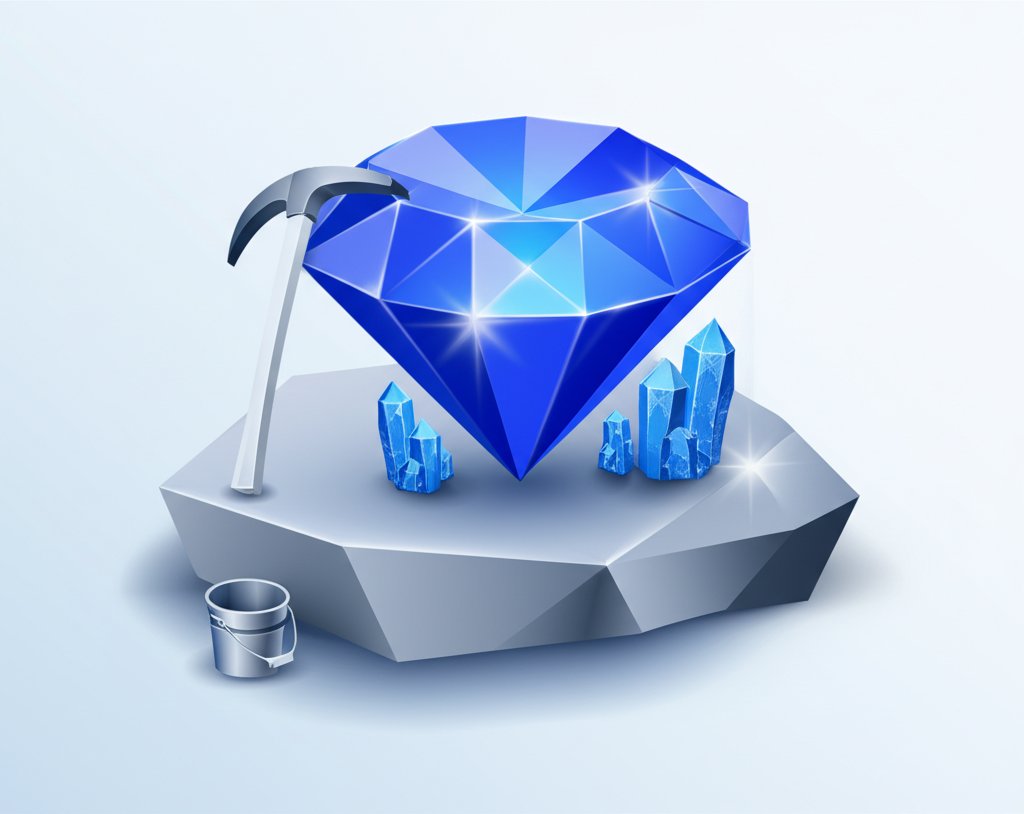
Understanding how Sapphire Gemstones are treated and valued is crucial for any potential buyer or enthusiast. These Facts About Sapphire delve into industry practices and the factors that determine a gem’s worth.
Heat Treatment: Unlocking a Gem’s Full Potential
A significant Fact About Sapphire is that the vast majority (95-99%) of natural sapphires undergo heat treatment. This widely accepted and standard industry practice involves heating the stones to high temperatures (1000-1800°C) to improve their color and clarity. Trace elements within the corundum react to the heat, either deepening existing color, lightening dark tones, or removing unwanted color zoning. This process enhances the gem’s natural beauty and reveals its full potential, making it more vibrant and appealing. Untreated sapphires of exceptional color and clarity are extremely rare and command premium prices.
The 4 Cs of Sapphire Value: Color, Clarity, Cut, and Carat Weight
Like diamonds, Sapphire Gemstones are evaluated based on the “4 Cs”:
- Color: This is the most important factor. The ideal
sapphirecolor is a pure, intense, vivid blue, or a well-balanced pink-orange for Padparadscha. Hue, tone (lightness/darkness), and saturation (intensity) all play a role. - Clarity: Refers to the absence of inclusions (internal characteristics) or blemishes (external characteristics). While some inclusions are acceptable, especially in natural gems, too many can reduce transparency and brilliance. Kashmir sapphires are famous for their “silky” inclusions that create a unique glow but do not detract from value.
- Cut: A well-executed cut maximizes the
sapphire’s brilliance, fire, and scintillation. It also affects the gem’s overall shape and proportions. - Carat Weight: As with most
Precious Gems, larger sapphires are rarer and thus more valuable, particularly if they also possess excellent color, clarity, and cut.
Famous Sapphires: Gems of Legend and Record
Some Sapphire Gemstones have achieved legendary status due to their immense size, exceptional quality, or historical significance:
- The Star of Adam: Weighing an astonishing 1,404.49 carats, this oval blue star sapphire is the largest of its kind. Valued at over $300 million, it is an extraordinary treasure and a symbol of extreme opulence and rarity.
- The Stuart Sapphire: A magnificent 104-carat blue
sapphirethat has been part of the British Crown Jewels for centuries, notably adorning Queen Victoria’s State Crown. - Princess Diana’s Engagement Ring: A stunning 12-carat oval blue
sapphiresurrounded by diamonds, now worn by Catherine, Princess of Wales. This ring sparked a global trend forsapphireengagement rings, highlighting the gem’s timeless elegance and regal appeal.
Beyond Adornment: Versatile Uses of Sapphire
While Sapphire Gemstones are primarily known for their role in exquisite jewelry, their remarkable durability and other physical properties lend them to a surprising range of applications, from high-tech to industrial.
Sapphire in Fine Jewelry: Rings, Necklaces, and More
The beauty and resilience of sapphire make it a favorite among jewelers and consumers alike. From elegant necklaces and statement earrings to luxurious bracelets and, notably, engagement rings, sapphire provides a durable and stunning centerpiece. Blue sapphires are a particularly popular choice for engagement rings, symbolizing loyalty and trust, as highlighted by famous royal examples.
High-Tech Applications: Sapphire Crystal in Watches and Optics
An unexpected Fact About Sapphire is its use in the technology sector. Due to its extreme hardness (scratch resistance) and optical clarity, synthetic sapphire is widely used as “sapphire crystal” for watch faces. It’s virtually impossible to scratch with everyday materials, making it a superior choice for high-end timepieces. It’s also utilized in scientific instruments, LED manufacturing, and specialized optical components where extreme durability and transparency are required.
Industrial Uses: Durability Meets Utility
Beyond watches and optics, synthetic sapphire finds industrial applications where resistance to abrasion, heat, and chemicals is paramount. It is used in everything from high-durability windows for scanners and barcode readers to components in high-pressure systems and even as substrates for advanced electronics. This demonstrates the sapphire’s utility far beyond its aesthetic appeal as a Precious Gem.
Caring for Your Sapphire: Tips for Longevity
To ensure your Sapphire Gemstones retain their mesmerizing beauty for generations, proper care and maintenance are essential. Given their status as Precious Gems, a little attention goes a long way.
Cleaning and Maintenance
- Gentle Cleaning: The best way to clean
sapphirejewelry is with warm, soapy water and a soft brush (like a toothbrush). Gently scrub the gem and its setting to remove dirt and oils. - Ultrasonic and Steam Cleaners: Sapphires generally respond well to ultrasonic and steam cleaners, but this should be avoided if the gem has extensive fractures or has been filled. Always consult a professional jeweler if unsure.
- Avoid Harsh Chemicals: Keep your
sapphireaway from harsh chemicals like bleach, chlorine, and abrasive cleaners, as these can damage the metal setting or dull the gem’s surface over time.
Storage and Protection
- Individual Storage: Store
sapphirejewelry separately from other pieces, especially diamonds, to prevent scratches. A soft pouch or a fabric-lined jewelry box is ideal. - Regular Inspections: Have your
sapphirejewelry inspected periodically by a professional jeweler. They can check for loose prongs or any potential damage, ensuring thePrecious Gemremains secure. - Remove During Activities: Although
sapphireis very durable, it’s wise to removesapphirerings or other jewelry during vigorous activities, gardening, or when working with chemicals to prevent accidental impacts or exposure to harmful substances.
As you explore the enchanting world of Sapphire Gemstones, let their mesmerizing colors, rich history, and profound symbolism ignite your imagination. From their origins deep within the Earth to their place on royal crowns and modern-day technology, each Fact About Sapphire unfolds a captivating story. These Precious Gems continue to dazzle and inspire, a timeless testament to nature’s enduring power and allure. Appreciate not just their sparkle, but the incredible journey and myriad secrets they hold within their brilliant depths.
FAQ Section
Q1: What makes sapphires “Precious Gems”?
A1: Sapphire Gemstones are considered Precious Gems due to their exceptional beauty, rarity, durability (Mohs hardness of 9), and historical significance. They belong to a select group of gemstones alongside diamonds, rubies, and emeralds that have been highly valued for centuries.
Q2: Can sapphires be any color other than blue?
A2: Yes, while blue is the most iconic color for sapphire, these Gemstones come in a wide spectrum of colors, including pink, yellow, green, purple, orange, black, and colorless (white). These are collectively known as “fancy sapphires,” with the rare pink-orange Padparadscha being particularly prized.
Q3: What is the Mohs hardness of sapphire?
A3: Sapphire scores a 9 on the Mohs scale of mineral hardness, making it the second hardest natural gemstone after diamonds. This exceptional hardness contributes to its durability and resistance to scratching, making it suitable for everyday wear.
Q4: How is a sapphire’s value determined?
A4: The value of a Sapphire Gemstone is primarily determined by the “4 Cs”: Color, Clarity, Cut, and Carat weight. Color is often the most important factor, with vivid, well-saturated hues (like cornflower blue or Padparadscha) commanding the highest prices. Origin (e.g., Kashmir) and evidence of treatments also significantly impact value.
Q5: What is a “Neelam stone” and what is its significance?
A5: “Neelam stone” is the Hindi name for blue sapphire and holds significant astrological importance in Vedic traditions. It is associated with the planet Saturn (Shani) and is believed to bring benefits like protection, prosperity, wisdom, and mental clarity to individuals for whom it is astrologically suitable.
Q6: Are all natural sapphires heat-treated?
A6: No, not all natural Sapphire Gemstones are heat-treated, but the vast majority (about 95-99%) undergo this process. Heat treatment is a common, accepted industry practice used to enhance a sapphire’s color and clarity. Untreated sapphires of exceptional quality are extremely rare and fetch higher prices.
Q7: How can I tell if a sapphire is real?
A7: Differentiating a real sapphire from a fake can be challenging. Some quick tests include checking for extreme hardness (only a diamond or moissanite can scratch a sapphire), observing the color for consistency (real sapphires often show some color zoning or natural inclusions), and looking for reflections. If you shine a flashlight on a real sapphire in the dark, it will generally reflect the same color as the gem, while fakes might show different color reflections or no reflection. However, for a definitive answer, professional gemological appraisal is highly recommended.










