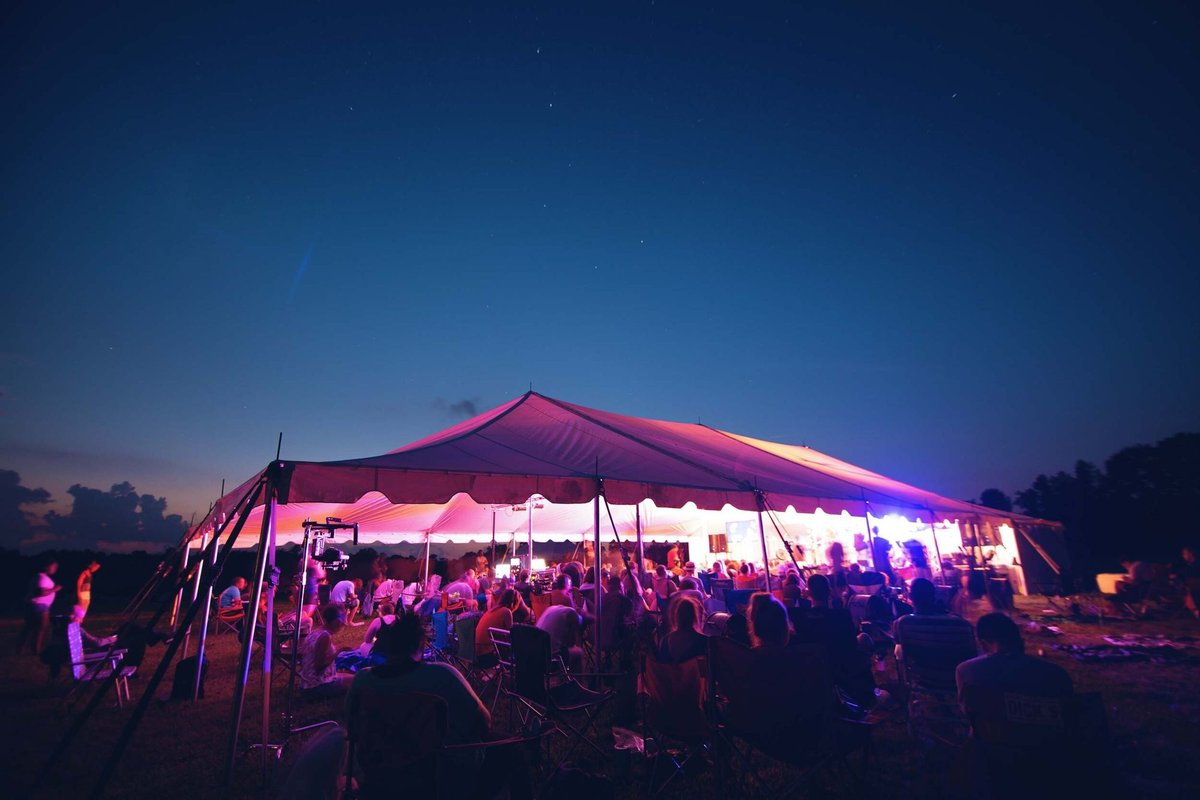
The buzz of a packed convention hall, the opening chords of a festival headliner echoing across a field, the quiet focus of an industry workshop—the sheer variety of events in America is a defining feature of its cultural and professional fabric. From coast to coast, these gatherings are where communities are built, industries are shaped, and memories are made. They are the pulse of the nation, reflecting its diversity, ambition, and endless appetite for connection and experience.
But navigating this vast landscape can feel like trying to find a single star in the Milky Way. Where do you even begin? This guide is your map. We’ll break down the types of events you’ll encounter, show you how to find the ones that matter to you, and give you a pro’s playbook for making the most of every single one.
At a Glance: Your Quick Guide to American Events
Don’t have time for the full deep dive? Here are the essential takeaways to get you started:
- Incredible Diversity: The U.S. event scene spans from global mega-events like the Super Bowl and CES to hyper-local gatherings like a small-town chili cook-off. There’s something for every interest and budget.
- Events Serve a Purpose: Gatherings aren’t just for fun. They are critical for professional networking, industry innovation, cultural celebration, and community bonding.
- Finding is Half the Battle: Knowing where to look is key. A mix of large online platforms, niche social media groups, and local tourism boards will give you the most comprehensive view.
- Preparation is Everything: The difference between a good and a great event experience often comes down to the prep work—planning your schedule, setting clear goals, and knowing who you want to meet.
- The Follow-Up Matters: The value of an event doesn’t end when you walk out the door. Following up on new connections is how you turn a fleeting conversation into a lasting opportunity.
The American Event Landscape: More Than Just Holidays
When people think of major American events, their minds often jump to federal holidays like the Fourth of July or Thanksgiving. While these are cornerstones of the national calendar, they represent just a tiny fraction of the activity happening year-round. The modern event landscape is a dynamic, multi-billion dollar ecosystem that fuels local economies and connects people on a massive scale.
Think of it as countless overlapping circles of interest. You have the tech industry congregating in Austin for SXSW, film lovers descending on Utah for the Sundance Film Festival, and racing fans flocking to Indianapolis for the Indy 500. Each event creates a temporary city built around a shared passion. This vibrant, constantly shifting calendar of gatherings is a core part of the country’s identity, and the sheer scale of unfolding events across America can be both thrilling and a little overwhelming.
The rise of virtual and hybrid formats has only broadened this landscape. An agricultural conference in Iowa can now welcome attendees from Florida and California, blurring geographical lines and making specialized knowledge more accessible than ever. This fusion of physical and digital spaces means there are more opportunities than ever to participate.
Decoding the Event Types: What Are You Looking For?
To find the right event, you first need to understand the language. “Event” is a broad term, and knowing the different categories will help you filter out the noise and zero in on what you truly want.
Mega-Events & National Spectacles
These are the household names you hear about for months—the cultural touchstones that capture national attention. They are characterized by massive attendance, significant media coverage, and a major economic impact on their host cities. Attending one of these is often a bucket-list experience.
- Examples: The Super Bowl (NFL), Mardi Gras in New Orleans, the Rose Parade, Times Square New Year’s Eve.
- Best for: Experiencing American culture on a grand scale, entertainment, and pure spectacle.
- Keep in mind: Tickets, travel, and lodging often need to be booked many months, sometimes even a year, in advance. If you want to see what draws the biggest crowds, you can Discover Popular US Events that define the national conversation each year.
Professional & Industry Gatherings
This is the engine room of the American economy. Conferences, trade shows, and conventions are where business gets done, new products are launched, and professional networks are forged. They range from massive, industry-spanning expos to intimate, highly specialized symposiums.
- Conferences & Summits: Focused on education and knowledge-sharing. Think keynote speakers, panel discussions, and workshops. (e.g., Dreamforce for tech, INBOUND for marketing).
- Trade Shows & Expos: Centered around a large exhibition floor where companies showcase their products and services. The focus is on lead generation, sales, and product discovery. (e.g., Consumer Electronics Show – CES, National Restaurant Association Show).
- Conventions: Often a hybrid of a conference and a trade show, frequently organized by a specific association for its members (e.g., the American Medical Association Annual Meeting).
Cultural & Arts Festivals
These events celebrate creativity, heritage, and artistic expression. They are a fantastic way to experience the unique flavor of a city or region while enjoying world-class music, film, food, and art.
- Music Festivals: From multi-genre giants like Coachella and Lollapalooza to specialized gatherings like the Newport Folk Festival, these are immersive multi-day experiences.
- Film Festivals: Premieres and screenings of new and independent films. Sundance and Tribeca are among the most famous, but hundreds of smaller, genre-specific festivals exist.
- Food & Drink Festivals: Celebrations of culinary arts, often focused on a specific region or ingredient, like the South Beach Wine & Food Festival or a local craft beer fest.
- Arts & Crafts Fairs: These showcase the work of local and national artisans, from small community fairs to prestigious juried shows like Art Basel in Miami Beach.
Community & Local Celebrations
The heart and soul of America can often be found at its local events. These are the gatherings that bring neighbors together and celebrate a shared sense of place. They might not make national news, but they are deeply important to the fabric of a community.
- Examples: County fairs, farmers’ markets, small-town Fourth of July parades, neighborhood block parties, high school football games.
- Best for: Authentic cultural experiences, supporting local economies, and connecting with people in a relaxed, friendly environment.
Your Ultimate Guide to Finding and Choosing Events
With thousands of events happening every week, how do you find the ones that are right for you? It takes a multi-pronged approach.
1. Leverage Online Event Hubs
Large digital platforms are the modern-day town square for event discovery. They aggregate listings from thousands of organizers, making them a powerful first stop.
- Major Platforms: Sites like Eventbrite, Meetup, and Ticketmaster are excellent for browsing a wide range of public events, from concerts and workshops to local classes.
- Industry-Specific Directories: For professional events, look to sites like Events In America or 10Times, which focus on trade shows and conferences. Many professional associations also maintain detailed event calendars for their members.
2. Tap into Niche Communities
The best events are often discovered through word-of-mouth within a specific community.
- Social Media: Facebook Groups, LinkedIn Groups, and subreddits dedicated to your hobbies or profession are goldmines for event recommendations.
- Newsletters: Subscribe to newsletters from industry publications, cultural institutions, or brands you admire. They often feature curated lists of upcoming events.
3. Use Local Resources
Don’t underestimate the power of looking in your own backyard.
- City Tourism Websites: Your local or state tourism board’s website is almost always the best source for major local festivals, concerts, and cultural happenings.
- Local Media: Check the events section of your local newspaper, city magazine, or alternative weekly publication.
4. Set Your Criteria for Success
Before you click “register,” take a moment to define what a successful event experience looks like for you.
- What is your primary goal? Are you trying to learn a new skill, network with peers, find new clients, or simply have fun? A clear goal helps you choose the right type of event.
- What’s your budget? Factor in not just the ticket price but also travel, lodging, food, and potential time off work.
- How much time can you commit? Can you spend a full week at a conference, or is a one-day local summit a better fit for your schedule?
Making the Most of Any Event: A Pro’s Playbook
Simply showing up isn’t enough. To truly capitalize on the opportunity, you need a strategy for before, during, and after the event.
Before You Go: The Prep Work Pays Off
Your event experience starts weeks before you arrive.
- Study the Agenda: Scrutinize the schedule and speaker list. Mark your “must-see” sessions and identify speakers you’d like to meet. Many event apps let you build a personalized schedule.
- Do Your Homework: If your goal is networking, make a list of the companies and people you want to connect with. Look them up on LinkedIn so you can put a face to a name.
- Plan Your Calendar: Planning your schedule is crucial, especially when considering travel and holidays. Be sure to check Our important dates to avoid scheduling conflicts with major national observances.
During the Event: Be Present and Engaged
Once you’re there, it’s time to execute your plan.
- Look Up From Your Phone: It’s tempting to answer emails between sessions, but the most valuable connections happen in the “in-between” moments—in the coffee line, at the lunch table, or waiting for a keynote to start.
- Ask Good Questions: During Q&A sessions, ask insightful questions that show you’ve been paying attention. It’s a great way to make a positive impression on the speaker and the audience.
- Pace Yourself: Multi-day events are a marathon, not a sprint. Stay hydrated, wear comfortable shoes, and don’t overschedule yourself. Leave some room for spontaneous conversations.
After the Event: The Follow-Up is Key
The connections you make are only as valuable as your follow-up.
- Connect on LinkedIn: Send a personalized connection request within 24-48 hours. Reference your conversation to jog their memory (e.g., “It was great chatting with you about project management software after the keynote on Tuesday.”).
- Send a Follow-Up Email: For more significant connections, a brief, helpful email can solidify the relationship. Offer a resource you mentioned or simply reiterate that you enjoyed the conversation.
- Organize Your Notes: Synthesize what you learned. What were the key takeaways? What action items can you implement in your work or life?
Common Questions About Events in America
Let’s tackle some of the most frequently asked questions about navigating the U.S. event scene.
What’s the difference between a conference, a convention, and a trade show?
Think of it as a spectrum of focus. A conference is primarily about education and discussion. A trade show (or expo) is about business and showcasing products on an exhibition floor. A convention is typically an annual gathering for a large organization or association and often includes elements of both a conference and a trade show.
How far in advance should I book for a major event?
For mega-events like SXSW or major international conferences, booking 6-12 months in advance is wise, especially for travel and lodging. For smaller, regional events, 2-3 months is often sufficient. The earlier you book, the more you typically save on tickets and travel.
Are virtual events as valuable as in-person ones?
They offer different kinds of value. In-person events are unparalleled for spontaneous networking and immersive experiences. Virtual events offer incredible accessibility, lower costs, and the ability to easily revisit content on-demand. The best choice depends entirely on your goals and resources.
How do I find free events near me?
Start with platforms like Eventbrite and Meetup, which have robust filters for “free” events. Your local library, community center, and city parks department are also fantastic resources for free workshops, concerts, and family-friendly activities. Beyond local searches, expanding your view can also help you Explore North American events that might be part of a larger tour or series, sometimes with promotional free-entry days.
From Spectator to Participant: Your Next Move
The world of events in America is a vast, exciting, and endlessly rewarding space. It’s where you can find your people, learn your craft, and experience the cultural richness the country has to offer. It’s about moving from a passive observer to an active participant in the communities and industries that inspire you.
Don’t let the sheer number of options lead to inaction. Your journey doesn’t have to start with a cross-country trip to a massive expo.
Start small. Find a local meetup for a hobby you enjoy. Attend a free webinar on a professional skill you want to develop. Visit a neighborhood street fair this weekend. Each event you attend builds your confidence, expands your network, and opens your eyes to new possibilities. The most important event is always the next one you choose to be a part of.










