Do you often feel a persistent, deep ache between your shoulder blade and spine, sometimes radiating into your neck or even down your arm? If this resonates with your experience, you might be struggling with dorsal scapular nerve entrapment – a condition that, despite being a common culprit of chronic upper back and shoulder pain, frequently goes undiagnosed. This occurs when the dorsal scapular nerve (DSN), vital for controlling key muscles around your shoulder blade, becomes compressed or irritated. But there’s good news: understanding this often-debilitating issue is the definitive first step toward identifying effective solutions and achieving lasting relief.
This comprehensive guide will illuminate the complexities of dorsal scapular nerve entrapment, guiding you through its symptoms, the precise diagnostic methods to pinpoint it, and most crucially, a robust array of treatments to fix dorsal scapular nerve entrapment and ultimately banish your pain. Get ready to reclaim comfort, mobility, and strength in your upper back and shoulders.
Understanding Dorsal Scapular Nerve Entrapment: The Core Problem
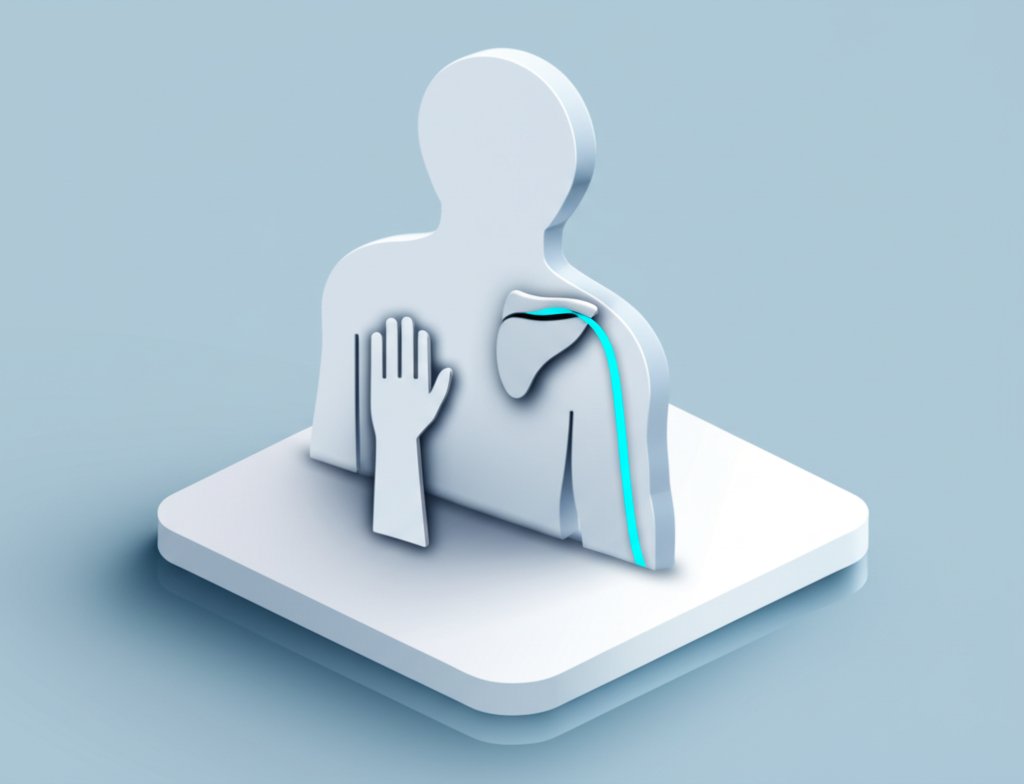
Dorsal scapular nerve entrapment represents a specific type of dorsal nerve entrapment that affects the upper back and shoulder region. The dorsal scapular nerve (DSN) is a lesser-known but critically important peripheral nerve. When compromised, it can lead to significant discomfort, functional limitations, and persistent dorsal scapular nerve pain. Unlike more publicized nerve conditions, DSN entrapment is often overlooked or mistaken for other musculoskeletal issues, prolonging a patient’s suffering.
What is the Dorsal Scapular Nerve (DSN)?
To truly understand dorsal scapular nerve entrapment, an appreciation of its unique anatomical path is essential. The DSN typically originates from the C5 nerve root of the brachial plexus—a complex network of nerves stemming from your neck that supplies your arm, forearm, and hand. In some cases, it may also receive contributions from the C6 nerve root.
After its origin, the DSN embarks on a distinctive journey:
- Proximal to the Brachial Plexus: Uniquely, the DSN emerges from the C5 nerve root before the formation of the main brachial plexus trunks. This makes it distinct from many other arm nerves.
- Piercing the Middle Scalene: A primary site of potential entrapment, the DSN frequently pierces through or runs in close proximity to the middle scalene muscle in the neck. This muscle, alongside the anterior and posterior scalenes, plays a role in elevating the first two ribs and aiding neck flexion and rotation. Tightness or spasm in this muscle can act like a vice on the nerve.
- Descending Path: From the neck, it descends posteriorly, passing deep to the levator scapulae muscle.
- Target Muscles: The DSN then innervates three crucial muscles responsible for the movement and stability of the shoulder blade (scapula):
- Levator Scapulae: Elevates and downwardly rotates the scapula.
- Rhomboid Major: Retracts (pulls back) and downwardly rotates the scapula.
- Rhomboid Minor: Also retracts and downwardly rotates the scapula, situated superior to the major.
These muscles work in harmony to stabilize the scapula against the rib cage, facilitating smooth and powerful arm movements. When the DSN is entrapped, the function of these muscles is compromised, leading directly to pain, weakness, and potential instability of the shoulder blade.
The Root Causes of DSN Entrapment
Dorsal scapular nerve entrapment can stem from a diverse range of factors, predominantly involving compression or irritation along its intricate anatomical pathway. These causes can be broadly categorized as:
- Muscle Hypertrophy or Spasm: This is arguably the most frequent cause. The middle scalene muscle, through which the DSN often passes, can become tight, overdeveloped (hypertrophied) from activities like heavy overhead lifting, bodybuilding, or go into sustained spasm. This creates a localized compression point for the nerve. Similarly, chronic tightness or trigger points in the levator scapulae or rhomboids can also directly or indirectly contribute to nerve irritation and entrapment.
- Trauma: Direct injury to the neck, shoulder, or upper back can directly damage the nerve or lead to inflammation, swelling, and scar tissue formation that subsequently entraps it. Examples include whiplash injuries, direct blows, falls, or even repetitive microtrauma.
- Repetitive Strain & Overuse: Activities characterized by repetitive arm and shoulder movements, especially those involving overhead reaching or sustained postures, can irritate and compress the DSN over time. Common culprits include certain sports (e.g., baseball pitching, swimming, tennis, rock climbing), occupational tasks (e.g., construction work, assembly line work, prolonged computer use), or even hobbies that involve sustained arm positions.
- Postural Dysfunction: Poor posture is a significant contributing factor. Conditions like forward head posture, rounded shoulders, or prolonged sitting/standing in awkward positions can place chronic tension and aberrant stress on the scalene muscles and the DSN itself. Modern sedentary lifestyles often exacerbate this.
- Space-Occupying Lesions (Rare): In uncommon scenarios, a tumor, cyst, enlarged lymph node, or even a bone spur (osteophyte) from the cervical spine can directly impinge upon the nerve. These are typically ruled out via imaging.
- Anatomical Variations: Some individuals possess unique anatomical structures that predispose them to scapular nerve entrapment. This could include an anomalous course of the nerve, the presence of an extra cervical rib, or unusual muscle attachments that create tighter anatomical passageways for the DSN.
- Iatrogenic Injury: Although infrequent, nerve damage can sometimes occur as a complication of medical procedures, such as a brachial plexus block during anesthesia, or even from prolonged or improperly fitted medical devices like a spine brace.
Identifying these potential causes is paramount for effective diagnosis and successful dorsal scapular nerve entrapment treatment, as addressing the root cause is the key to achieving lasting relief and preventing recurrence.
While dorsal scapular nerve entrapment affects the upper back and shoulder, other nerve conditions like de Quervain’s tenosynovitis, which you can learn more about at de Quervain syndrome, impact the wrist and hand and require different management strategies.
Unmasking Dorsal Scapular Nerve Pain: Symptoms & How it Feels
Recognizing the specific symptoms of dorsal scapular nerve pain is frequently the first and most critical step toward an accurate diagnosis. Given that its presentation can mimic several other conditions of the neck, shoulder, and upper back, a clear understanding of its characteristic manifestations is vital.
Common Symptoms and Pain Patterns
Patients experiencing DSN entrapment typically present with a distinct, yet variable, set of symptoms. The severity and specific combination of these symptoms can differ significantly among individuals:
- Deep, Gnawing Scapular Pain: This is the quintessential hallmark symptom. The pain is predominantly felt along the medial (inner) border of the shoulder blade, often described as a constant, dull, heavy, aching, or throbbing sensation. It can also manifest as sharp, stabbing, burning, or “knife-like” pain, particularly with specific movements or sustained postures.
- Interscapular and Neck Pain: The pain frequently extends into the area between the shoulder blades (interscapular region) and can radiate upwards into the neck, often localizing around the base of the skull or side of the neck. A “dull ache” in these regions is exceedingly common.
- Shoulder and Arm Pain: While less common than scapular pain, some individuals report poorly localized pain in the shoulder and/or radiating down the lateral (outer) aspect of the arm and forearm. This can sometimes lead to misdiagnosis as cervical radiculopathy (a pinched nerve in the neck) or rotator cuff issues.
- “Traction” Sensation: A unique descriptor from some patients is a distinct feeling of “traction,” pulling, or tightness within the shoulder girdle or upper back, as if something is being stretched or compressed.
- Aggravating Factors: The pain and discomfort are often exacerbated by specific activities and postures, including:
- Prolonged Sitting: Especially with poor or slumped posture, such as at a computer workstation.
- Overhead Activities: Reaching, lifting, or holding objects overhead.
- Repetitive Arm Movements: Common in sports (e.g., throwing, swimming) or occupational tasks.
- Head or Neck Movements: Turning the head to the affected side, or sustained neck flexion (looking down) or extension (looking up) can increase scalene muscle tension and thus nerve compression.
Neurological and Muscular Signs
Beyond the subjective experience of pain, dorsal scapular nerve entrapment can lead to observable and measurable changes in muscle function and sensation:
- Muscle Weakness: Due to the compromised nerve supply to the rhomboids and levator scapulae, patients may experience:
- Difficulty lifting or rotating the arm, particularly into overhead positions.
- Perceived weakness when attempting to pull the shoulder blades together (scapular retraction).
- Struggling with seemingly simple tasks like reaching for objects, brushing hair, or fastening clothing behind the back.
- Weakness in arm abduction (lifting the arm out to the side), especially in conjunction with scapular instability.
- Scapular Dyskinesis / Winged Scapula: This is a crucial diagnostic sign for DSN issues. The affected shoulder blade may exhibit abnormal movement patterns (dyskinesis) or protrude abnormally from the back, particularly during arm movements or against resistance. This “winging” occurs because the DSN-innervated stabilizing muscles (rhomboids, levator scapulae) are weak, allowing the scapula to become unstable and move inefficiently.
- Numbness or Tingling (Paresthesia): While typically less common and not usually the primary complaint, some individuals may report altered sensation (paresthesia) along the inner edge of the shoulder blade or subtle areas of numbness. This symptom usually indicates more significant or prolonged nerve compression.
- Muscle Atrophy: In chronic, long-standing cases of DSN dysfunction, visible wasting (atrophy) of the rhomboid or levator scapulae muscles may be observable upon careful inspection of the affected side. This is a sign of significant nerve compromise.
- Concomitant Pain: It’s important to note that dorsal scapular nerve pain can sometimes be accompanied by other referred pains, such as anterior chest wall pain and tenderness over the sternocostal border, or even present with symptoms resembling “atypical” thoracic outlet syndrome.
Given the overlap of these symptoms with numerous shoulder, neck, and upper back conditions, a thorough diagnostic process orchestrated by a skilled healthcare professional is absolutely crucial to differentiate DSN entrapment from other potential issues and ensure appropriate dorsal scapular nerve entrapment treatment.
Diagnosing Dorsal Scapular Nerve Entrapment: The Crucial Tests
An accurate diagnosis of dorsal scapular nerve entrapment requires the expertise of a skilled healthcare professional, as the condition is notoriously underrecognized and frequently misdiagnosed. The diagnostic process is typically multi-pronged, involving a detailed medical history, a comprehensive physical examination, and often specific diagnostic tests. This meticulous approach is essential to confirm DSN involvement and rule out other conditions.
The Comprehensive Physical Examination: A Multifaceted Dorsal Scapular Nerve Entrapment Test
A thorough physical examination is the cornerstone of diagnosing DSN entrapment. Your doctor, physical therapist, or chiropractor will systematically assess your posture, active and passive range of motion, muscle strength, and areas of tenderness or spasm. Key components of this dorsal scapular nerve entrapment test include:
Observation:
- Posture: The practitioner will observe your posture both statically (standing/sitting) and dynamically (during movement) for any asymmetries, forward head posture, rounded shoulders, or abnormal shoulder girdle positioning.
- Scapular Dyskinesis: This is a critical visual cue. The affected shoulder blade may not move smoothly or might protrude abnormally (“winging”), especially during arm movements (e.g., flexion, abduction, wall push-ups, or resisted scapular movements). This strongly suggests weakness in the DSN-innervated muscles.
- Muscle Atrophy: Visual inspection of the upper back for any noticeable wasting or reduced bulk of the rhomboid or levator scapulae muscles on the affected side, indicating chronic nerve compromise.
Palpation:
- Tenderness: The practitioner will carefully palpate (feel) along the medial border of the scapula (over the rhomboid muscles), the region of the levator scapulae, and importantly, the middle scalene muscle in the neck. Focal tenderness or palpable taut bands/trigger points in these specific areas are highly indicative of DSN irritation or muscle spasm.
- Muscle Tightness/Spasm: Assessing for increased muscle tone, guarding, or palpable knots in the scalenes, levator scapulae, and rhomboids.
Range of Motion (ROM) Assessment:
- Active and passive ROM of the cervical spine (neck) and shoulder will be evaluated. Pain or limitation with specific neck movements (e.g., ipsilateral rotation, contralateral side bending, flexion) can point to scalene muscle involvement and potential DSN irritation.
- Evaluation of shoulder abduction, flexion, and retraction for any weakness, pain, or compensatory movements.
Muscle Strength Testing:
- Manual Muscle Testing (MMT): Specific testing of the strength of the rhomboid muscles (by resisting scapular retraction and downward rotation) and the levator scapulae (by resisting scapular elevation and downward rotation). Definitive weakness in these muscles compared to the unaffected side is a strong indicator of DSN dysfunction.
- Functional Strength Tests: Activities like wall push-ups, standing arm raises, or loaded movements can further expose subtle scapular instability or weakness.
Provocative Tests (Specific for DSN):
- Scalene Stretch Test: Gently stretching the scalene muscles (e.g., passive contralateral neck side bending with ipsilateral rotation) can reproduce or exacerbate DSN symptoms if scalene tightness is the primary cause of entrapment.
- Rhomboid Palpation with Resistance: Applying direct pressure to the rhomboid muscle belly while the patient attempts to retract their scapula against resistance can often elicit the characteristic dorsal scapular nerve pain.
- Nerve Glides/Tension Tests: While not entirely specific for DSN, general upper limb nerve tension tests (e.g., median, ulnar, radial nerve tension tests) can sometimes be positive, indicating broader nerve irritation within the brachial plexus region. It’s crucial to understand that there isn’t one single, stand-alone “dorsal scapular nerve entrapment test” that definitively diagnoses it in isolation; rather, it’s a collection of consistent clinical findings.
Electrodiagnostic Studies (EMG/NCS)
When DSN entrapment is strongly suspected based on clinical findings, electrodiagnostic studies are often the most definitive and objective dorsal scapular nerve entrapment tests:
- Electromyography (EMG): This test involves inserting a thin needle electrode into the specific DSN-innervated muscles (rhomboid major, rhomboid minor, levator scapulae) to measure their electrical activity at rest and during contraction. Evidence of denervation (acute nerve damage), re-innervation patterns (nerve recovery), or abnormal spontaneous activity in these specific muscles, while muscles supplied by other nerves are normal, strongly indicates DSN involvement.
- Nerve Conduction Studies (NCS): While direct NCS for the DSN can be challenging due to its deep and short course, studies of other nerves in the brachial plexus can help rule out more widespread nerve issues (e.g., brachial plexopathy or cervical radiculopathy) that might present with similar symptoms. In some specialized centers, advanced techniques may allow for DSN SNAP/CMAP recordings, where slowed conduction velocities or reduced amplitude would confirm entrapment.
Advanced Imaging Modalities (MRI, Ultrasound)
Imaging tests are generally utilized as part of the dorsal scapular nerve entrapment test protocol to:
- Rule out other conditions: Such as cervical disc herniation, rotator cuff tears, shoulder impingement, or thoracic spine pathology, which can present with overlapping pain patterns.
- Identify structural causes: In rare but significant cases, an MRI or CT scan of the cervical spine or shoulder may reveal space-occupying lesions (tumors, cysts), bone spurs (osteophytes), or significant muscle hypertrophy (particularly of the scalenes) that could be directly compressing the nerve.
- High-Resolution Ultrasound: This modality is increasingly valuable and specific for visualizing peripheral nerves, including the DSN. It can detect nerve swelling, changes in nerve architecture, or direct dynamic compression by adjacent muscles (e.g., middle scalene) or other structures in real-time, making it a powerful diagnostic adjunct.
Differential Diagnosis: Ruling Out Other Culprits
Because scapular nerve entrapment (including DSN, Long Thoracic, Suprascapular) can mimic numerous other conditions, a thorough differential diagnosis is paramount. Conditions that need to be carefully considered and ruled out include:
- Cervical Radiculopathy: Nerve root compression in the neck, often causing sharper arm pain, numbness, tingling, and weakness in a specific dermatomal/myotomal pattern.
- Shoulder Pathology: Rotator cuff tears, impingement syndrome, adhesive capsulitis (“frozen shoulder”), or AC joint arthritis.
- Thoracic Outlet Syndrome (TOS): Compression of nerves (brachial plexus) or blood vessels in the space between the collarbone and first rib, causing arm pain, numbness, tingling, and sometimes weakness.
- Long Thoracic Nerve Entrapment: Causes prominent “winging” of the scapula due to weakness of the serratus anterior muscle, typically without the deep interscapular pain characteristic of DSN.
- Suprascapular Nerve Entrapment: Causes deep, aching shoulder pain and weakness in external rotation and abduction, affecting the supraspinatus and infraspinatus muscles.
- Myofascial Pain Syndrome: Trigger points in the sternocleidomastoid, trapezius, rhomboids, or levator scapulae muscles can cause localized and referred pain similar to DSN, but without the neurological signs.
- Thoracic Spine Pathology: Disc protrusion, spondylosis, facet joint dysfunction, or rib dysfunction in the mid-back can cause localized pain that might be confused with DSN.
- Cardiac Referral Pain: In very rare cases, cardiac issues can cause referred pain to the left shoulder and interscapular region, necessitating careful exclusion.
A careful and systematic diagnostic approach, combining clinical findings with objective electrodiagnostic and imaging studies, is key to accurately pinpointing dorsal scapular nerve entrapment and paving the way for truly effective dorsal scapular nerve entrapment treatment.
Effective Dorsal Scapular Nerve Entrapment Treatment: How to Fix It
The encouraging news is that dorsal scapular nerve entrapment treatment is predominantly successful with conservative approaches, especially when diagnosed early. The overarching goals are to alleviate pressure on the nerve, mitigate pain, restore optimal muscle function and coordinated movement, and, crucially, prevent recurrence. Understanding how to fix dorsal scapular nerve entrapment involves a practical, step-by-step commitment to these strategies.
Conservative Strategies: Your Path to Relief
Most individuals experience significant relief and functional improvement through non-surgical interventions. This multi-faceted approach systematically targets the underlying causes of nerve compression and irritation.
1. Rest and Activity Modification
- Avoid Aggravating Activities: The initial and fundamental step is to identify and temporarily reduce or completely cease activities that consistently reproduce or worsen your dorsal scapular nerve pain. This might mean modifying work tasks, adjusting exercise routines (e.g., avoiding overhead presses, heavy rows), or taking a break from certain sports or hobbies. Listening to your body is crucial here.
- Ergonomic Adjustments: A thorough evaluation of your workstation, sleeping posture, and daily habits is essential. Ensuring proper ergonomic setup (e.g., computer monitor at eye level, chair providing adequate lumbar support, keyboard/mouse positioned to maintain neutral arm/shoulder posture) can dramatically reduce chronic strain on your neck and upper back. Using supportive pillows that maintain a neutral cervical spine alignment during sleep can also make a significant difference.
2. Targeted Physical Therapy & Rehabilitation
This is arguably the most pivotal component of dorsal scapular nerve entrapment treatment. A skilled physical therapist will design a personalized, progressive program focused on:
- Stretching & Flexibility: Releasing tightness in muscles that may be compressing the nerve or contributing to poor posture. Key stretches include:
- Scalene Stretches: Gentle stretches for the neck muscles to create more space for the DSN at its origin. An example is passively tilting your head away from the affected side, gently looking downwards, and applying light overpressure.
- Levator Scapulae Stretches: Dropping your chin to your chest and then looking towards your armpit on the unaffected side, feeling a stretch along the side and back of the neck/upper shoulder.
- Pectoral Stretches: To open up the chest, counteract rounded shoulders, and improve overall postural alignment (e.g., doorway stretches).
- Strengthening & Stability: Rebuilding strength and endurance in muscles that support scapular stability and often become weak or imbalanced.
- Rhomboids and Levator Scapulae: Engaging in exercises like scapular squeezes (retraction), seated or prone “rows” with resistance bands, and prone scapular protractions/retractions (e.g., “T,” “Y,” “W” exercises).
- Serratus Anterior: Exercises such as wall slides, push-up plus, and overhead arm raises to improve scapular upward rotation and protraction, essential for overhead movements.
- Deep Neck Flexors: To improve cervical spine stability and reduce compensatory strain on the superficial neck muscles, including the scalenes.
- Rotator Cuff Muscles: To ensure overall shoulder joint health, dynamic stability, and proper mechanics.
- Manual Therapy: Hands-on techniques performed by the therapist to address tissue restrictions:
- Soft Tissue Mobilization: Releasing trigger points, muscle spasms, and excessive tightness in the scalenes, levator scapulae, rhomboids, and trapezius.
- Myofascial Release: Addressing fascial restrictions and adhesions around the neck, upper back, and shoulder blade to improve tissue mobility.
- Joint Mobilization: Gently mobilizing restricted joints in the cervical and thoracic spine to improve segmental movement and neural mobility.
- Postural Re-education: Learning to maintain correct and efficient posture throughout the day, improving body awareness, and strengthening core stability to provide a foundational support system for the upper back and neck.
- Nerve Gliding Exercises (Neural Mobilization): Specific, gentle movements designed to “slide” the dorsal scapular nerve through its surrounding tissues, helping to reduce adhesions, improve nerve flexibility, and promote overall nerve health.
3. Medications
- NSAIDs (Non-Steroidal Anti-Inflammatory Drugs): Over-the-counter options like ibuprofen, naproxen, or prescription NSAIDs can help reduce pain and inflammation associated with acute nerve irritation or muscle strain.
- Muscle Relaxants: Prescribed by a doctor, these can effectively alleviate muscle spasms in the scalenes or other surrounding muscles if tightness is a significant contributing factor to compression.
- Neuropathic Pain Medications: For more persistent or severe nerve pain (neuropathic pain), medications such as gabapentin (Neurontin) or pregabalin (Lyrica) may be considered to modulate nerve signals and reduce chronic pain sensations.
4. Injections
- Corticosteroid Injections: Guided injections (often precisely delivered with ultrasound imaging) around the entrapped nerve or into the involved scalene muscle or rhomboids can provide potent local anti-inflammatory effects. This can offer temporary yet significant pain relief, creating a crucial “window of opportunity” for physical therapy and exercise to be more effective and less painful.
- Botulinum Toxin (Botox) Injections: In cases of chronic, severe scalene muscle hypertrophy or intractable spasm that compresses the DSN, Botox injections can temporarily relax the muscle, thereby reducing mechanical compression on the nerve.
- Hydrodissection: An emerging technique, often ultrasound-guided, involves injecting a fluid (saline or a mixture with corticosteroid) around the nerve to gently separate it from surrounding adhesions or tight fascial planes. This can create space and improve nerve gliding, and is being considered as a first-line injection treatment by some.
- Pulsed Radiofrequency Ablation (PRF): In some instances, PRF of the dorsal scapular nerve may be considered to provide sustained pain relief by modulating nerve activity without causing nerve destruction.
How to Fix Dorsal Scapular Nerve Entrapment: A Practical Step-by-Step Approach
The question of “how to fix dorsal scapular nerve entrapment” effectively boils down to the consistent, disciplined, and personalized application of these conservative strategies. Think of it as a comprehensive process:
- Identify and Modify: Systematically pinpoint the activities, postures, or habits in your daily life that initiate or worsen your pain. Make conscious and immediate efforts to modify or temporarily cease these, creating an environment for the nerve to de-stress.
- Mobilize and Gently Stretch: Regularly perform the gentle stretches outlined by your therapist for your neck, scalenes, levator scapulae, and pectorals. The goal is to gradually create more anatomical space and improve flexibility around the nerve’s path.
- Strengthen and Stabilize: Commit to targeted exercises designed to build strength and endurance in your rhomboids, levator scapulae, serratus anterior, and core musculature. This improves scapular control and stability, reducing the burden on the nerve.
- Manage Pain & Inflammation: Utilize ice or heat packs as appropriate for symptom relief, and take NSAIDs or other prescribed medications under medical guidance to control acute pain and reduce inflammation.
- Address Underlying Factors: Actively work with your healthcare professional to correct persistent postural imbalances, ergonomic deficiencies, muscle asymmetries, or movement patterns that contribute to the problem.
- Patience and Consistency: Nerve healing and muscle strengthening are biological processes that require time. Adherence to your prescribed treatment plan, even when symptoms improve, is absolutely paramount for long-term success and to prevent recurrence.
Surgical Intervention
Surgery for dorsal scapular nerve entrapment is considered a last resort. It is typically reserved for cases where conservative treatments (including aggressive physical therapy, injections, and medication) have failed to provide adequate relief after an extended period (e.g., 6-12 months), and there is clear, objective evidence of persistent nerve compression, progressive neurological deficits (such as worsening weakness or muscle atrophy demonstrated on EMG), or intractable pain.
The primary goal of surgery is nerve decompression. This involves carefully releasing any anatomical structures that are directly compressing or irritating the DSN. The most common procedures include:
- Scalenectomy: Releasing or partially removing sections of the middle scalene muscle to free the nerve where it passes through or around it.
- Neurolysis: Carefully dissecting and freeing the nerve from surrounding scar tissue, adhesions, or tight fascial bands that may be entrapping it.
Surgical outcomes are generally favorable for carefully selected patients, leading to significant reduction in pain and improvement in muscle function. However, any surgical procedure carries inherent risks and necessitates a dedicated period of post-operative rehabilitation to optimize recovery and restore full function.
Preventing Recurrence & Maintaining Long-Term Relief for Dorsal Scapular Nerve Issues
Achieving lasting relief from dorsal scapular nerve entrapment and preventing its recurrence demands an ongoing commitment to self-care, heightened body awareness, and the consistent adoption of healthy movement habits. Long-term success hinges on understanding and actively managing the factors that initially led to the condition.










