
Transportation systems, the very arteries of our global economy and social lives, connect us, facilitate trade, and enable personal freedom. Yet, beneath this veneer of efficiency lies a crucial truth: a complex web of disadvantages of transport that profoundly impact our environment, economies, health, and social equity. While the benefits are undeniable, understanding the significant drawbacks is paramount to forging a more sustainable and equitable future. This article delves deeply into these critical issues, offering an unparalleled analysis designed to equip you with the knowledge needed to grasp the full scope of transportation’s downsides and what can be done to address them.
The Environmental Toll: A Planet Under Pressure from Transportation
One of the most profound disadvantages of transport systems is their extensive environmental footprint. From the air we breathe to the stability of our climate, the methods we use to move goods and people exert immense pressure on natural ecosystems. Understanding this impact is the first step toward mitigation.
While the disadvantages of transport highlighted here focus on large-scale systems, it’s worth considering how similar drawbacks, like potential stress and environmental impact, also apply on a more personal level, as discussed regarding the general disadvantages of travelling.
Air Pollution and Climate Change: Invisible Threats
Vehicle emissions are a primary contributor to air pollution, releasing harmful particulate matter, nitrogen oxides, carbon monoxide, and volatile organic compounds into the atmosphere. These pollutants exacerbate respiratory diseases, worsen cardiovascular conditions, and contribute to smog formation, particularly in densely populated urban areas. Beyond immediate air quality, the combustion of fossil fuels in most transport modes — cars, trucks, planes, and ships — releases vast quantities of greenhouse gases, primarily carbon dioxide. This significantly accelerates climate change, leading to rising global temperatures, extreme weather events, and sea-level rise, presenting an existential disadvantage of transportation as we know it.
Noise Pollution: Beyond the Nuisance
The relentless hum of traffic, the roar of aircraft, and the clatter of trains generate significant noise pollution. This isn’t merely an annoyance; it has documented negative impacts on human health, including increased stress levels, sleep disturbances, cognitive impairment in children, and a higher risk of cardiovascular disease. For wildlife, constant noise disrupts migration patterns, communication, and breeding behaviors, leading to ecological imbalances. This often overlooked disadvantage of transportation significantly diminishes the quality of life in areas near major transport corridors.
Resource Depletion and Habitat Destruction
The construction and maintenance of transport infrastructure—roads, railways, airports, and ports—require vast amounts of raw materials such as concrete, asphalt, and steel. The extraction of these resources often leads to habitat destruction, deforestation, and landscape alteration. Furthermore, the expansion of transport networks fragments natural habitats, creating barriers for wildlife movement and reducing biodiversity. The reliance on finite fossil fuels for propulsion also presents a critical resource depletion challenge, raising concerns about long-term energy security and the environmental consequences of extraction.
The Economic Burden: A Cost Beyond Convenience
While transportation fuels economic activity, it also imposes substantial direct and indirect economic costs that can burden individuals, businesses, and governments alike. This multi-faceted disadvantage of transport impacts financial stability at every level.
Direct Costs for Individuals and Businesses
For individuals, owning and operating a personal vehicle involves significant expenses: purchase price, insurance, fuel, maintenance, repairs, parking fees, and tolls. These costs can consume a considerable portion of household budgets, especially for lower-income families. Businesses face similar challenges with their fleets, coupled with logistical costs, tariffs, and potential losses from delays or damages. The high cost of specialized transport infrastructure, like high-speed rail or complex highways, also translates into substantial public investment, often funded by taxpayers.
Infrastructure Demands and Public Spending
Maintaining and expanding transport infrastructure is an ongoing and incredibly expensive endeavor. Roads decay, bridges age, and public transit systems require constant upgrades. Inadequate infrastructure investment leads to crumbling networks, which in turn causes more vehicle wear-and-tear, slower travel times, and increased accident risks. Governments must allocate immense budgets to these projects, diverting funds that could otherwise be used for education, healthcare, or social services. The need for continuous, massive public spending to merely keep pace with demand is a huge disadvantage of transportation systems.
The Hidden Costs of Congestion
Traffic congestion, a pervasive problem in urban and peri-urban areas, carries significant economic penalties. It leads to wasted fuel from idling vehicles, lost productivity as commuters and commercial drivers spend more time stuck in traffic, and increased emissions. Studies consistently show that congestion costs economies billions annually in lost hours and resources. This inefficiency not only frustrates individuals but also hampers the swift movement of goods, adding costs to supply chains and impacting overall economic competitiveness.
Compromised Human Health and Safety: A Risky Journey
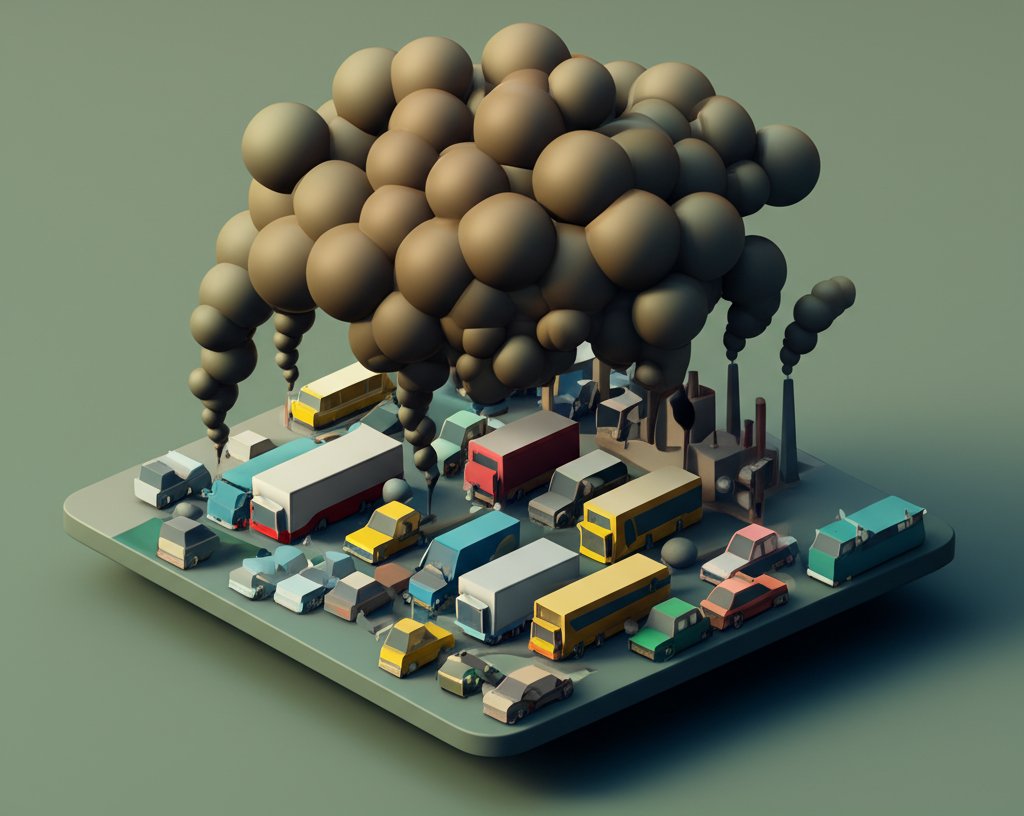
The convenience offered by modern transport technologies often comes with a trade-off in human health and safety. From direct physical harm to subtle, long-term health detriments, the disadvantages of modern transport exert a heavy toll on individuals and communities.
Public Health Challenges: Respiratory and Beyond
Beyond the previously mentioned air pollution, the health consequences of transport are diverse. Exposure to vehicle emissions is directly linked to an increased incidence of asthma, bronchitis, heart disease, and various cancers. The sedentary lifestyles promoted by over-reliance on cars, where walking and cycling are replaced by driving even for short distances, contribute to rising rates of obesity, diabetes, and other non-communicable diseases. The stress associated with long commutes and traffic jams also negatively impacts mental health, contributing to anxiety and chronic stress.
The Ever-Present Danger of Accidents
Despite advancements in vehicle safety technology and road design, transport systems inherently involve significant safety risks. Road accidents remain a leading cause of injuries and fatalities worldwide, burdening healthcare systems and causing immense personal suffering and economic loss. Pedestrians and cyclists, as vulnerable road users, face particular dangers in traffic-heavy environments. The sheer volume and speed of modern transport options amplify these risks, making road safety a perennial concern.
Sedentary Lifestyles and Mental Strain
The design of many urban environments prioritizes vehicular movement over pedestrian or cyclist safety and convenience. This encourages a reliance on cars for almost all journeys, leading to significantly less physical activity in daily life. This disadvantage of transportation directly contributes to public health crises like obesity. Moreover, the daily grind of commuting, often characterized by traffic jams, unpredictable delays, and the stress of driving, takes a considerable toll on mental well-being, leading to increased anxiety, frustration, and reduced overall life satisfaction.
Exacerbating Social Inequity: Unequal Access to Opportunity
A critical but often overlooked disadvantage of transport is its role in exacerbating social and economic inequalities. Access to reliable, affordable transportation is not uniform, leading to significant disparities in opportunity and quality of life across different segments of society.
Geographic and Financial Barriers to Mobility
People living in rural areas or economically disadvantaged neighborhoods often face limited access to efficient and affordable public transportation. This forces many to rely on expensive personal vehicles, which they may struggle to afford, or spend excessive amounts of time and effort on multi-modal journeys. The financial burden of transport can isolate individuals from job opportunities, educational institutions, healthcare facilities, and social services, creating a vicious cycle of disadvantage.
Disproportionate Impact on Vulnerable Populations
Marginalized communities, including low-income households, the elderly, individuals with disabilities, and ethnic minorities, are disproportionately affected by poor transport infrastructure and high costs. They are often more dependent on public transport that may be infrequent, unreliable, or nonexistent in their areas. These populations also frequently bear the brunt of environmental pollution from transport corridors, typically located near their homes, further compounding health disparities. This raises a crucial question: what are the disadvantages of transportation for those already struggling? The answer is a deepening of existing inequalities.
The Widening Gap in Accessibility
The quality, speed, and cost of transportation dramatically influence an individual’s access to vital services and socio-economic mobility. Those with robust, affordable transport options can access better jobs, education, and healthcare, while those without are often left behind. This creates a widening gap in access to opportunity, undermining social cohesion and hindering the potential for inclusive growth within communities. Addressing this disadvantage of transportation is fundamental to building equitable societies.
Infrastructure Strain and Sustainability Roadblocks: The Future Challenge of Modern Transport
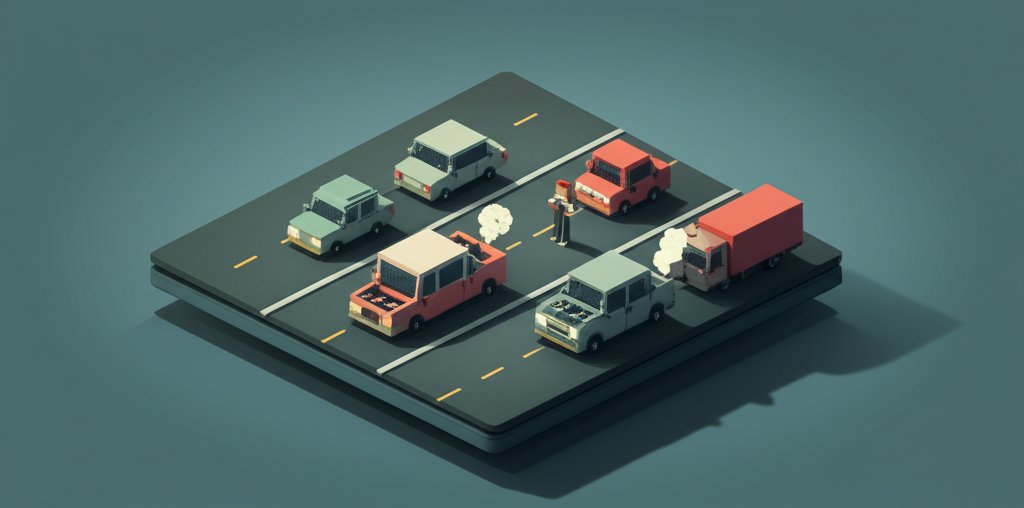
The demands placed on existing transport networks are immense, leading to significant infrastructure strain. Furthermore, the long-term sustainability of our current transport paradigms faces severe roadblocks, making this a critical disadvantage of modern transport.
Aging Systems Under Constant Pressure
Much of the world’s transport infrastructure was built decades ago and is now aging rapidly. Roads, bridges, tunnels, and public transit systems require constant, expensive maintenance and upgrades to handle ever-increasing volumes of traffic and freight. The failure to adequately invest in and modernize this infrastructure leads to decreased efficiency, increased safety risks, and higher operational costs. This strain is particularly evident in urban centers where growth continues unabated.
Planning for a Sustainable Future: A Complex Endeavor
Developing truly sustainable transportation systems involves navigating complex challenges. It requires transitioning away from fossil fuel dependence, integrating renewable energy, designing cities that prioritize active transport (walking, cycling) and efficient public transit, and innovating cleaner vehicle technologies. The inertia of existing infrastructure, deeply ingrained habits, and political complexities make this transition difficult. Overcoming these hurdles is crucial for mitigating the long-term disadvantages of transport on a global scale.
Dependence on Fossil Fuels and Supply Chain Vulnerabilities
The global transport sector remains heavily reliant on fossil fuels, making it vulnerable to volatile oil prices and geopolitical instability. This dependence poses significant risks to economic stability and national security. Furthermore, complex global supply chains, while efficient in some ways, are highly susceptible to disruptions from natural disasters, pandemics, or conflicts, leading to shortages and economic shockwaves. Reducing this dependence and building more resilient, localized transport networks is a key challenge for the future.
Conclusion: Recognizing the Truth for a Better Path Forward
The disadvantages of transport are multifaceted and deeply interwoven into the fabric of our modern world. From the environmental degradation caused by air and noise pollution to the economic burdens of infrastructure and congestion, and the pervasive impacts on human health and social equity, the downsides are profound. The challenges presented by disadvantages of modern transport demand urgent, systemic solutions.
Recognizing the crucial truth about these drawbacks is the first step towards creating transportation systems that are not only efficient but also sustainable, equitable, and healthy. By actively promoting cleaner technologies, investing in robust public transit, fostering active mobility, and prioritizing inclusive urban planning, we can mitigate these negative impacts. It’s time to move beyond convenience and embrace a future where transportation truly serves all people and the planet without compromise.
FAQ
Q1: What are the primary environmental disadvantages of transport?
A1: The primary environmental disadvantages of transport include significant contributions to air pollution (from harmful emissions), greenhouse gas emissions leading to climate change, noise pollution, habitat destruction, and the depletion of natural resources required for infrastructure and fuel.
Q2: How does transportation contribute to public health issues?
A2: Transportation contributes to public health issues through exposure to air pollutants from vehicle emissions, leading to respiratory and cardiovascular diseases. It also contributes to noise-related stress, sleep disturbances, and promotes sedentary lifestyles that increase the risk of obesity and related health conditions.
Q3: What are the economic disadvantages of modern transport?
A3: The economic disadvantages of modern transport include high direct costs for vehicle ownership and operation, massive public spending required for infrastructure construction and maintenance, and significant economic losses due to traffic congestion (lost productivity, wasted fuel).
Q4: In what ways do transportation systems exacerbate social inequality?
A4: Transportation systems exacerbate social inequality by creating geographic and financial barriers to mobility for low-income and marginalized communities, limiting their access to employment, education, healthcare, and social services. This leads to a widening gap in opportunities and disproportionately impacts vulnerable populations.
Q5: What are the disadvantages of modern transport in terms of sustainability?
A5: Key disadvantages of modern transport regarding sustainability include its heavy reliance on finite fossil fuels, the strain on aging infrastructure, the challenge of transitioning to cleaner technologies, and the overall difficulty in planning and implementing truly environmentally and socially sustainable transport solutions.










