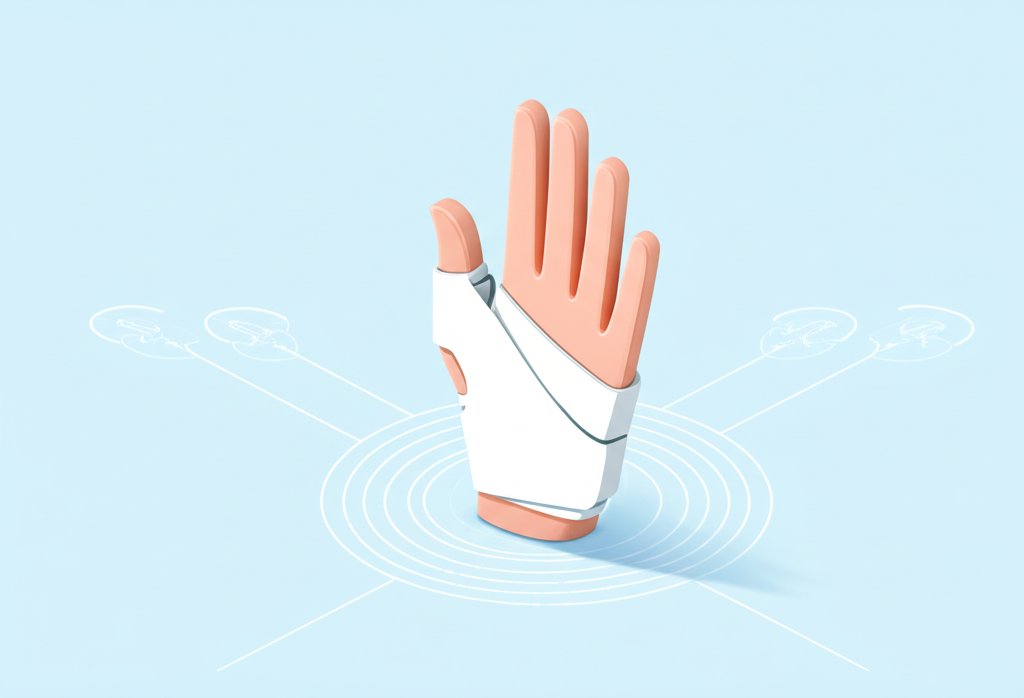
De Quervain’s tenosynovitis is a common, often debilitating condition that can drastically impact your quality of life. Characterized by pain and tenderness on the thumb side of the wrist, it makes simple tasks like grasping, pinching, or rotating your wrist excruciating. Fortunately, a wide array of specialized de quervain syndrome medical devices, including highly effective de quervain’s brace and de quervain brace options, exist to provide significant relief and promote healing. This comprehensive guide will explore everything you need to know about managing this condition, focusing on selecting what is the best splint for de quervain’s tenosynovitis, and integrating other crucial medical devices into your recovery plan. Our goal is to empower you with the knowledge to make informed decisions and reclaim a pain-free, functional hand.
Understanding the mechanics of De Quervain’s is the first step, but finding effective solutions often involves exploring specialized de quervain syndrome medical devices designed to alleviate pain and promote healing.
Understanding De Quervain’s Tenosynovitis: The Foundation
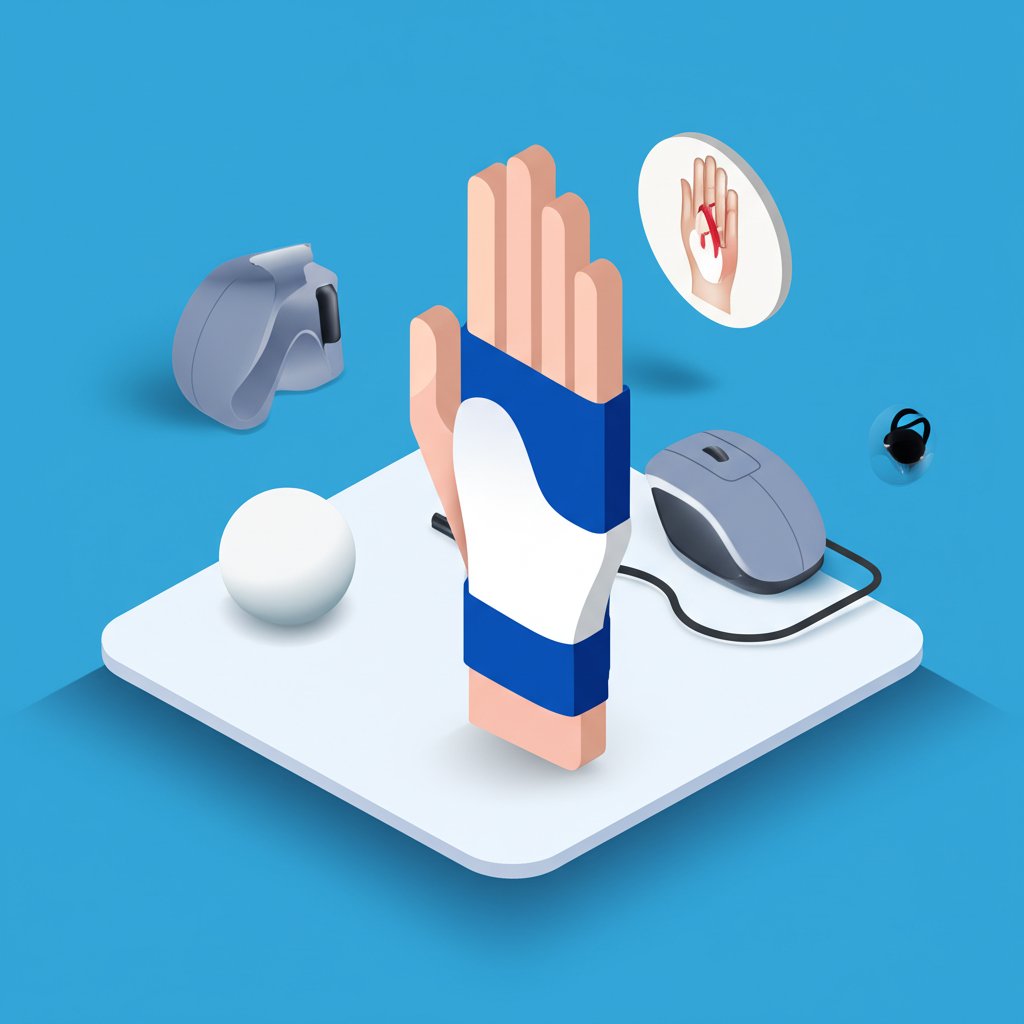
Before diving into specific medical devices, it’s essential to understand the underlying condition. De Quervain’s tenosynovitis, sometimes called “washerwoman’s sprain” or “Mommy thumb,” affects the tendons on the thumb side of your wrist.
What is De Quervain’s?
This condition involves inflammation of the two tendons that control thumb movement: the abductor pollicis longus (APL) and extensor pollicis brevis (EPB). These tendons pass through a narrow tunnel or sheath at the base of your thumb. When this sheath becomes inflamed and swollen, it constricts the tendons, leading to friction, pain, and restricted movement. The condition is named after Swiss surgeon Fritz de Quervain, who first described it.
Who is at Risk?
De Quervain’s often arises from repetitive motions, overuse, or direct injury. Common risk factors include:
- Repetitive Hand and Wrist Movements: Activities involving frequent gripping, grasping, pinching, or wringing, common in assembly line workers, musicians, golfers, and gardeners.
- Forceful Hand Use: Occupations or hobbies requiring significant force from the hand and wrist.
- New Mothers/Caregivers: Repeatedly lifting and holding babies, especially with the wrist bent and thumb abducted, is a classic cause (“Mommy thumb”).
- Inflammatory Conditions: Individuals with rheumatoid arthritis or other inflammatory conditions may be more susceptible.
- Hormonal Changes: Pregnancy and post-partum periods, due to fluid retention and hormonal shifts, can increase risk.
- Direct Injury: A blow or trauma to the thumb or wrist area.
Recognizing the Symptoms
The hallmark symptom is pain along the thumb side of the wrist, which may radiate up the forearm or into the thumb. Other common symptoms include:
- Pain that worsens with thumb and wrist movement, especially when gripping, grasping, or making a fist.
- Swelling and tenderness at the base of the thumb.
- A “catching” or “sticking” sensation when moving the thumb.
- Sometimes, numbness or tingling in the thumb or index finger, though less common.
- Difficulty with fine motor tasks or any activity requiring thumb use.
Diagnosis is typically confirmed with a physical examination, including the Finkelstein test, where bending the wrist towards the little finger while the thumb is tucked into a fist causes sharp pain.
The Role of Medical Devices in De Quervain’s Recovery

Medical devices are a cornerstone of non-surgical treatment for De Quervain’s tenosynovitis. They are designed to provide support, reduce inflammation, alleviate pain, and facilitate healing. Integrating the right de quervain syndrome medical devices into your treatment plan can significantly improve your symptoms and accelerate recovery.
How Immobilization Aids Healing
The primary goal of many de Quervain’s medical devices, particularly braces and splints, is immobilization. By restricting the movement of the affected tendons and the wrist, these devices prevent the friction and irritation that exacerbate inflammation. This crucial rest allows the inflamed tendon sheath to calm down, reducing swelling and providing an optimal environment for healing. Without this immobilization, repetitive movements can continuously re-injure the tendons, prolonging recovery.
Reducing Pain and Inflammation
Beyond just rest, the compression and support offered by a well-chosen de quervain’s brace can directly help reduce swelling and inflammation. Gentle, consistent compression can improve circulation and reduce fluid buildup in the affected area, contributing to pain relief. Many modern braces are also designed with materials that offer therapeutic warmth or breathability, further aiding comfort and reducing discomfort.
Supporting Daily Activities
While immobilization is key for healing, complete immobility of the hand and wrist is often impractical or unnecessary. The best de quervain brace options are designed to restrict only the aggravating movements (like thumb abduction and wrist ulnar deviation) while allowing for some functional use of the fingers and palm. This balance is critical for maintaining independence and performing essential daily tasks with less pain, promoting compliance with wear over longer periods. Other de quervain syndrome medical devices, like ergonomic tools, are specifically designed to modify how you interact with your environment, minimizing strain during routine activities.
Navigating De Quervain’s Braces & Splints: Your Top Choices
Choosing the right de quervain’s brace or splint is arguably the most critical step in managing the condition non-surgically. These devices vary widely in design, material, and level of support. Understanding the options will help you select the most effective tool for your recovery.
Essential Features of a De Quervain’s Brace
When evaluating a de quervain brace, look for these key features:
- Thumb Spica Design: This is crucial. A thumb spica extends from the forearm, around the wrist, and up to immobilize the base of the thumb (CMC joint) and often the thumb’s first joint (MP joint). This specifically restricts thumb abduction (moving away from the palm) and extension, which are the primary movements that aggravate De Quervain’s.
- Wrist Stabilization: The brace should also stabilize the wrist, preventing ulnar deviation (bending the wrist towards the little finger), which can also strain the affected tendons.
- Comfort and Breathability: Since you’ll likely wear the brace for extended periods, comfort is paramount. Look for lightweight, breathable materials that prevent skin irritation and excessive sweating.
- Adjustability: Straps and closures (Velcro is common) should allow for a customizable, secure fit without being too tight. This also accommodates swelling changes.
- Durability and Washability: The brace should withstand daily wear and tear and be easy to clean.
- Open Palm Design (Optional but beneficial): Many designs allow the palm and fingers to remain functional, which is excellent for performing light tasks while still benefiting from thumb and wrist immobilization.
Types of De Quervain’s Splints and Braces
There are several categories of splints and braces, each offering different levels of support and flexibility:
Thumb Spica Splints (Rigid vs. Soft)
These are the gold standard for De Quervain’s.
- Rigid Thumb Spica Splints:
- Description: Typically feature a removable or integrated metal/plastic stay that runs along the thumb and wrist. They offer maximum immobilization, limiting almost all movement of the thumb’s base and the wrist.
- Best For: Acute, severe pain, immediate post-injury, or cases requiring strict immobilization. They are excellent for initial healing phases.
- Examples: Brands often offer “De Quervain’s specific” rigid thumb spica splints, made from supportive neoprene or breathable mesh with aluminum stays.
- Soft/Flexible Thumb Spica Splints:
- Description: Made from softer, more elastic materials like neoprene or stretch fabric, often with a malleable plastic stay or no stay at all. They provide compression and moderate support while allowing a small degree of movement.
- Best For: Milder symptoms, transitional phases when transitioning away from rigid support, or for activities that require very limited controlled movement. They are generally more comfortable for prolonged wear.
Wrist Braces with Thumb Support
- Description: These braces primarily focus on wrist support but include a basic thumb loop or strap that offers minimal thumb stabilization. They generally don’t extend as far up the thumb or provide the same rigid support for the thumb’s base as a dedicated thumb spica.
- Best For: Very mild, intermittent symptoms, or as a preventative measure during activities that might otherwise trigger De Quervain’s (if full immobilization isn’t needed). Less ideal for active inflammation.
Custom-Molded Splints
- Description: Fabricated by an occupational therapist or hand specialist, these splints are custom-fitted to your exact hand and wrist contours. They are usually made from thermoplastic material that is heated and molded.
- Best For: Complex cases, unusual hand anatomy, or when off-the-shelf options don’t provide adequate or comfortable support. They offer superior fit and highly targeted immobilization.
- Consideration: More expensive and requires professional fitting, but often yields the best results for stubborn cases.
What is the Best Splint for De Quervain’s Tenosynovitis?
Determining what is the best splint for de quervain’s tenosynovitis isn’t a one-size-fits-all answer, as it depends on the severity of your pain, your activity level, and personal comfort. However, a thumb spica splint is overwhelmingly considered the most effective type of de quervain brace.
Top Considerations for Selection
- Severity of Symptoms:
- Acute/Severe Pain: A rigid thumb spica splint with a metal stay is typically recommended for maximum immobilization and pain relief.
- Moderate Pain: A semi-rigid or soft thumb spica with a removable stay might suffice, offering a balance of support and comfort.
- Mild/Resolving Pain: A soft, flexible thumb spica or even a supportive thumb sleeve might be adequate.
- Activity Level:
- If your job or daily life requires significant hand use, even with the condition, a brace that allows some finger dexterity (open palm design) while effectively immobilizing the thumb/wrist is crucial.
- For nighttime wear, comfort and breathability become primary.
- Material Preference: Some prefer the warmth of neoprene, while others need the coolness and breathability of mesh or lighter fabrics. Hypoallergenic materials are important for sensitive skin.
- Fit and Adjustment: Always measure your wrist circumference and hand dimensions according to the manufacturer’s guidelines. An ill-fitting brace can be ineffective or even cause more irritation. Adjustable straps are key for a snug, yet comfortable, fit.
Recommended Options (General Categories)
While specific brand recommendations can quickly become outdated, focus on products that exemplify these qualities:
- Medical-Grade Thumb Spica Splints: Look for products explicitly marketed for De Quervain’s, often found through medical supply stores or recommended by hand therapists. These typically feature durable materials, effective stays, and doctor-approved designs.
- Reversible Thumb Stabilizers: Some popular models are designed to be reversible for either hand, offering convenience and often a good balance of support and value.
- Comfort-Focused Designs: Brands that prioritize comfort with features like seamless construction, breathable liners, and contoured padding are often preferred for long-term wear.
Always consult with a doctor or hand therapist. They can perform an accurate diagnosis, recommend the most appropriate type of de quervain’s brace for your specific condition, and ensure proper fitting for optimal results.
Beyond Braces: Other Essential De Quervain’s Medical Devices
While braces and splints are central to treatment, other de quervain syndrome medical devices can significantly aid in pain management, accelerate healing, and prevent recurrence.
Cold/Heat Therapy Devices for Symptom Relief
Controlling inflammation and pain is paramount, and temperature therapy is a simple yet effective tool.
- Cold Therapy (Ice Packs): Applying cold compresses or reusable gel ice packs to the affected area for 15-20 minutes, several times a day, can reduce swelling and numb pain. Look for packs designed to conform to the wrist/thumb area. Some braces even come with integrated cold pack pockets.
- Heat Therapy (Warm Compresses): Once acute inflammation has subsided, gentle heat can help relax muscles, improve blood flow, and prepare the tendons for gentle stretching (under professional guidance). Warm compresses or moist heat pads can be beneficial. Caution: Avoid heat during acute inflammation.
Ergonomic Tools for Prevention and Management
Modifying your environment to reduce strain on your wrists and thumbs is a critical long-term strategy, especially for work-related De Quervain’s.
- Ergonomic Keyboards: Split keyboards, vertical keyboards, or those with cushioned wrist rests can help maintain a neutral wrist position.
- Ergonomic Mice: Vertical mice, trackball mice, or ergonomic mouse pads can reduce wrist deviation and repetitive clicking strain.
- Voice Recognition Software: For individuals with extensive computer use, this can significantly reduce keystrokes and mouse movements.
- Adjustable Workstations: Ensuring your chair, desk height, and monitor are at optimal ergonomic levels helps maintain good posture, reducing strain that can radiate to the wrists.
Hand Exercisers and Rehabilitation Aids
Once the initial acute pain and inflammation subside, and under the guidance of a physical or occupational therapist, specific exercises are crucial for restoring strength, flexibility, and preventing stiffness.
- Therapy Putty: Various resistances of therapy putty can be used for gentle strengthening exercises to rebuild grip and finger strength.
- Hand Exercise Balls/Grippers: Soft balls or spring-loaded grippers can help strengthen the forearm and hand muscles, improving stability around the wrist.
- Resistance Bands: Light resistance bands can be used for controlled range-of-motion exercises for the fingers and wrist, without overstraining the recovering tendons.
Assistive Devices for Daily Living
These simple yet effective tools can minimize the need for forceful gripping, pinching, or twisting, which often aggravates De Quervain’s.
- Jar Openers: Lever-style or rubberized jar openers reduce the force required to open tight lids.
- Adapted Utensils: Larger, easier-to-grip handles on cutlery can make eating less painful.
- Button Hooks/Zipper Pulls: Aid in dressing, reducing fine motor strain on the thumb and wrist.
- Reachers/Grabbers: Extend your reach, reducing the need to grasp heavy objects or awkward movements.
By combining the targeted immobilization of a de quervain’s brace with these other intelligent de quervain syndrome medical devices, individuals can create a comprehensive self-management system that supports healing and promotes long-term well-being.
How to Choose and Use Your De Quervain’s Device Effectively
Maximizing the benefits of any de quervain brace or medical device hinges on proper selection, fitting, and consistent use.
Consulting a Healthcare Professional
This step cannot be overstressed. Before purchasing any de quervain syndrome medical devices, especially a de quervain brace, consult with:
- Your Doctor: To confirm the diagnosis and rule out other conditions. They can provide initial recommendations.
- Physical or Occupational Therapist: These specialists are experts in hand and wrist conditions. They can assess your specific needs, measure you for the correct size, help you choose the most appropriate type of splint, and teach you how to use it effectively. They might even custom-mold a splint for you if necessary. Their guidance is invaluable in determining what is the best splint for de quervain’s tenosynovitis in your unique case.
Fitting and Adjusting for Optimal Comfort and Support
A brace that doesn’t fit properly is ineffective and can cause new problems.
- Measure Accurately: Most braces require measuring your wrist circumference. Follow the manufacturer’s instructions carefully.
- Snug but Not Tight: The brace should feel snug and supportive, limiting movement of the thumb and wrist, but it should not be constricting, cut off circulation, or cause numbness, tingling, or increased pain.
- Check for Pressure Points: Ensure there are no areas where the brace rubs or digs into your skin. Adjust straps or padding as needed.
- Test Mobility: While wearing the brace, try to perform the movements that typically cause pain. If the pain persists or the brace moves excessively, it may not be providing adequate immobilization.
Wearing Schedules and Duration
Your healthcare professional will provide specific guidance, but general recommendations often include:
- Acute Phase: Wearing the de quervain’s brace almost continuously, day and night, for several weeks (e.g., 2-4 weeks), removing it only for brief periods for hygiene or specific exercises prescribed by a therapist.
- Subacute Phase/Activity Modification: As pain subsides, you might transition to wearing the de quervain brace primarily during activities that exacerbate symptoms or at night.
- Total Duration: The total duration of brace wear can range from a few weeks to several months, depending on your individual response to treatment. Do not discontinue use prematurely, even if you feel better, without consulting your doctor.
Maintenance and Care Tips
Proper care extends the life of your medical devices and maintains hygiene.
- Cleaning: Most fabric braces can be hand-washed with mild soap and air-dried. Remove any metal stays before washing if they are removable.
- Inspection: Regularly check your brace for signs of wear and tear, fraying, or damage to straps or closures. Replace it if its integrity is compromised.
- Skin Care: Keep the skin under the brace clean and dry to prevent irritation. If you develop redness or sores, consult your doctor.
Adhering to these guidelines ensures that your chosen de quervain brace or other de quervain syndrome medical devices work as intended, providing the best possible support for your recovery journey.
Complementary Strategies for De Quervain’s Management
While medical devices are powerful tools, they are typically part of a broader, holistic management plan for De Quervain’s tenosynovitis.
Importance of Rest and Activity Modification
This is the very first step in treatment. Reducing or completely avoiding activities that aggravate your symptoms is crucial for allowing the inflamed tendons to rest. This might involve:
- Modifying Repetitive Tasks: Changing how you perform tasks at work or home.
- Taking Frequent Breaks: Especially during tasks involving hand and wrist use.
- Using Both Hands: Distribute weight and effort across both hands whenever possible to reduce strain on one side.
- Adjusting Holding Patterns: For new parents, learning new ways to hold and lift a baby that keep the wrist in a more neutral position is vital.
Physical Therapy and Exercises
A physical or occupational therapist can design a tailored exercise program as you progress through recovery. This might include:
- Gentle Range-of-Motion Exercises: To prevent stiffness and restore mobility once acute pain subsides.
- Stretching: Specific stretches for the thumb and wrist to improve flexibility.
- Strengthening Exercises: To rebuild muscle strength in the forearm and hand, supporting the tendons and preventing future injury.
- Ergonomic Advice: Guidance on posture and body mechanics to minimize strain during daily activities.
Medication and Injections (When Devices Aren’t Enough)
Alongside de quervain syndrome medical devices:
- Over-the-Counter Pain Relievers: NSAIDs like ibuprofen or naproxen can help reduce pain and inflammation.
- Prescription Medications: Stronger NSAIDs or other pain relievers may be prescribed by your doctor.
- Corticosteroid Injections: A common and highly effective treatment, an injection of corticosteroid directly into the tendon sheath can significantly reduce inflammation and pain quickly. The relief can be temporary, but it often provides a window for the brace and therapy to work more effectively.
- Surgery: In rare cases, if conservative treatments (including devices, therapy, and injections) fail after several months, a surgical procedure to release the tendon sheath may be recommended.
By integrating the appropriate de quervain’s brace with these complementary strategies, most individuals can achieve significant pain relief and a return to normal function.
Conclusion
De Quervain’s tenosynovitis can be a profoundly disruptive condition, but with the right approach, recovery is highly achievable. The strategic use of de quervain syndrome medical devices, particularly a well-chosen de quervain’s brace or splint, is a cornerstone of effective non-surgical management. These devices provide essential immobilization, pain relief, and support, creating an optimal environment for healing.
Remember that selecting what is the best splint for de quervain’s tenosynovitis is a personalized process. It involves understanding your symptoms, considering the various types of braces available, and, most importantly, consulting with healthcare professionals like doctors and hand therapists. Beyond braces, incorporating ergonomic tools, cold/heat therapy, and assistive devices can further enhance your recovery and prevent recurrence.
By combining the power of targeted medical devices with activity modification, physical therapy, and appropriate medical interventions, you can effectively manage De Quervain’s tenosynovitis, alleviate pain, restore function, and get back to living your life without the constant distraction of wrist and thumb discomfort. Empower yourself with knowledge, seek professional guidance, and embrace the tools available to you on your journey to recovery.
FAQ: Frequently Asked Questions About De Quervain’s Braces & Medical Devices
Q1: What is the primary purpose of a de Quervain’s brace?
A1: The primary purpose of a de quervain’s brace is to immobilize the thumb and wrist tendons affected by De Quervain’s tenosynovitis. This immobilization reduces friction and inflammation, allowing the tendons to rest and heal, thereby alleviating pain and promoting recovery.
Q2: How long should I wear a de Quervain’s brace?
A2: The duration of wearing a de quervain brace varies depending on the severity of your condition and your doctor’s recommendations. Typically, it’s worn for several weeks, often continuously (day and night, removed only for hygiene) during the acute phase. As pain subsides, you might transition to wearing it during aggravating activities or at night. Always follow the specific advice of your healthcare provider.
Q3: Can I still use my hand with a de Quervain’s brace on?
A3: Most de quervain’s brace designs, especially thumb spica splints, are designed to immobilize the thumb and wrist while allowing for some functional use of your fingers and palm. This design aims to restrict only the movements that aggravate the condition, enabling you to perform light daily tasks with less pain. However, avoid any activities that cause discomfort while wearing the brace.
Q4: Are there different types of splints for De Quervain’s?
A4: Yes, there are several types. The most effective is generally a thumb spica splint, which can be rigid (with a metal stay for maximum immobilization) or soft/flexible (for moderate support). There are also custom-molded splints made by therapists for a precise fit. Wrist braces with minimal thumb support are less effective for De Quervain’s itself but might be used for very mild cases.
Q5: What is the best splint for de Quervain’s tenosynovitis for severe pain?
A5: For severe pain, a rigid thumb spica splint with a firm metal or plastic stay is generally considered what is the best splint for de quervain’s tenosynovitis. It provides the highest level of immobilization, which is crucial for reducing acute inflammation and pain. Consulting a hand therapist for a proper fitting is highly recommended.
Q6: What other de quervain syndrome medical devices can help?
A6: Beyond braces, other de quervain syndrome medical devices include:
Q7: Can I sleep with my de Quervain’s brace on?
A7: Yes, it is often recommended to sleep with your de quervain’s brace on, especially during the initial stages of treatment. This prevents inadvertent movements during sleep that could aggravate the condition and ensures continuous immobilization for healing. Look for comfortable, breathable braces if night wear is necessary.
Q8: Should I get a custom-made splint or an off-the-shelf one?
A8: Off-the-shelf de quervain’s brace options are convenient and often effective for many individuals. However, if you have severe symptoms, unusual hand anatomy, or find that standard braces don’t fit well or provide adequate support, a custom-molded splint from an occupational or physical therapist might be a superior option. They offer a precise fit and targeted immobilization.
Q9: When should I consider surgery for De Quervain’s tenosynovitis?
A9: Surgery for De Quervain’s tenosynovitis is typically considered a last resort, only if non-surgical treatments (including consistent use of de quervain syndrome medical devices like braces, physical therapy, and corticosteroid injections) fail to provide significant relief after several months. Your doctor will discuss this option if conservative treatments are ineffective.
Q10: How do I clean my de Quervain’s brace?
A10: Most fabric de quervain brace options can be hand-washed with mild soap and cold water, then air-dried. If your brace has a removable metal stay, take it out before washing. Always check the manufacturer’s care instructions for specific guidance to ensure the brace’s longevity and hygiene.










