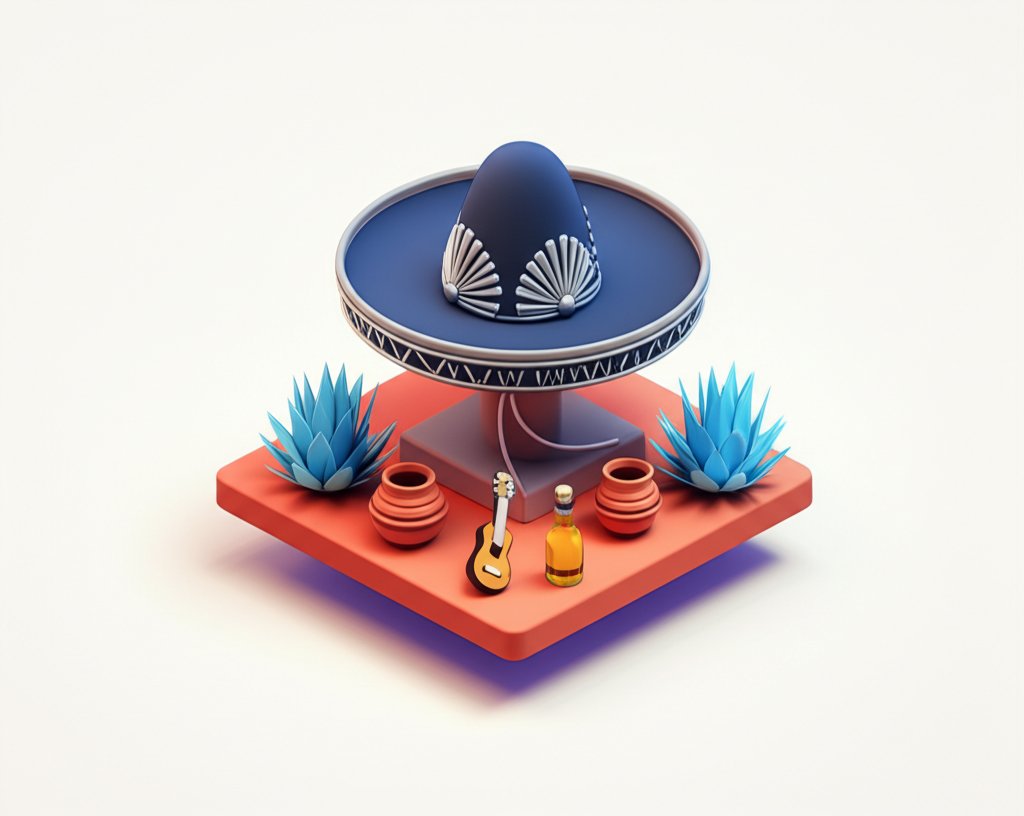
Nestled in the heart of Mexico, Guadalajara stands as a magnificent testament to vibrant heritage and authentic Mexican identity. Far from being just another bustling metropolis, it is a city where every cobblestone, every melody, and every flavor tells a story of generations. To truly understand this captivating destination, one must delve into its cultural traditions, a rich cultural tapestry woven with threads of deep faith, passionate art, and an unwavering spirit. This article will embark on an immersive journey, unveiling the time-honored traditions that define Guadalajara, a truly enchanting Mexican city where the past is not merely remembered, but vibrantly celebrated every day.
Guadalajara: Cradle of Mexican Heritage and a Thriving Cultural Tapestry
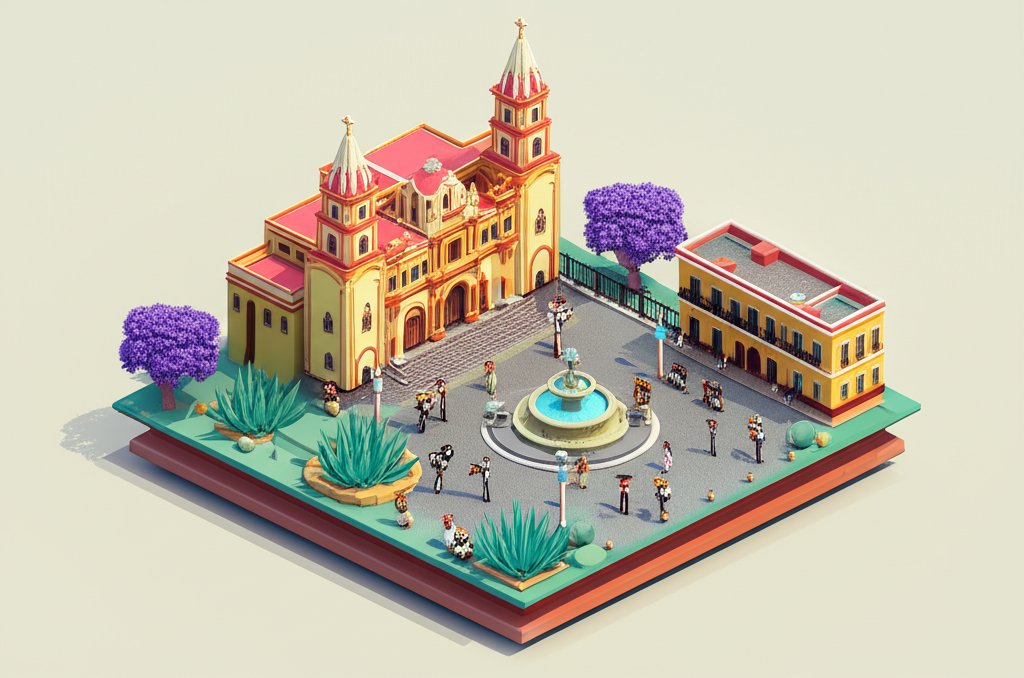
Guadalajara, the capital of Jalisco, has long held its position as one of Mexico’s most significant cultural epicenters. Its historical trajectory and contemporary dynamism contribute to a unique identity that captivates visitors.
Historical Roots: From Nueva Galicia to a Global City
Founded on February 14, 1542, in the Valley of Atemajac, Guadalajara quickly grew in prominence. Initially the capital of Nueva Galicia, it gained significant autonomy and wealth, becoming Mexico’s second-largest city by the 18th century, a status it largely maintains today. This robust history saw the city play a pivotal role during the Mexican War of Independence, with Miguel Hidalgo y Costilla establishing Mexico’s first revolutionary government here in 1810.
Through colonial influences and independence struggles, Guadalajara forged its distinct character. Today, it is recognized as a Gamma+ global city, a hub of innovation, commerce, and, most importantly, culture. Its ability to honor its 16th-century roots while embracing 21st-century progress makes it a fascinating cross-section of Mexican life.
The Essence of Tapatío Identity
The people of Guadalajara are affectionately known as “Tapatíos,” a term that embodies a proud regional identity. This identity is inextricably linked to the city’s foundational contributions to Mexican culture. It is here that certain elements, now iconic worldwide, were born or perfected. The very mention of Guadalajara evokes images of mariachi, the spirited sound of tequila, and the hearty aroma of birria – all deeply rooted cultural traditions that form the core of the Tapatío soul and enrich Mexico’s broader cultural tapestry.
Understanding the soul of Guadalajara requires exploring the nuances of Tapatío culture, and delving into these unique cultural traits will reveal the deep-seated values that shape daily life in this vibrant city.
The Heartbeat of Mexico: Mariachi and Charrería, Guadalajara’s Signature Time-Honored Traditions
No discussion of Guadalajara’s cultural traditions is complete without celebrating Mariachi music and Charrería, two expressions so intrinsically linked to the region that they have become symbols of Mexico itself.
Mariachi: A Symphony of Soul
Guadalajara proudly claims the title of the birthplace of Mariachi. This beloved musical genre, with its passionate vocals, intricate guitar work, and the distinctive wail of the trumpet, is more than just entertainment; it’s the soundtrack to Mexican life. Mariachi embodies joy, sorrow, love, and patriotism, and its melodies echo through every celebration, from grand weddings to intimate serenades.
The pinnacle of this time-honored tradition is undoubtedly the International Mariachi and Charrería Encounter. This global event, held annually, transforms Guadalajara into a vibrant stage where mariachi bands from across the world converge, engaging in friendly competition and spectacular performances. Visitors can witness breathtaking concerts at venues like the historic Teatro Degollado or simply enjoy impromptu serenades in Plaza de los Mariachis, immersing themselves in the very essence of a Mexican city that lives and breathes music.
Charrería: The Art of Mexican Horsemanship
Complementing the musical prowess of Mariachi is Charrería, Mexico’s national sport and another magnificent display of cultural traditions. Born from the ranching practices of colonial haciendas, charrería is a highly skilled equestrian discipline that showcases the grace and agility of horses and riders. It’s not merely a rodeo; it’s an art form, a heritage passed down through generations.
A “charreada” is a spectacle of elaborate costumes, stunning horsemanship, and thrilling maneuvers, including roping, reining, and bull-tailing. Each event is steeped in strict rules and profound respect for the animals and the tradition itself. The International Mariachi and Charrería Encounter often features these charreadas, providing a powerful visual counterpart to the mariachi melodies. Experiencing a charreada offers a profound glimpse into the time-honored traditions that shaped rural Mexican life and continue to thrive in urban centers like Guadalajara.
Festivals and Faith: The Vivid Cultural Traditions of Guadalajara
Guadalajara’s calendar is punctuated by a series of vibrant festivals and deeply spiritual observances, each contributing a unique thread to its rich cultural tapestry. These events are more than just spectacles; they are living expressions of community, faith, and identity that allow both locals and visitors to connect with the city’s soul.
The Anniversary of Guadalajara: A City’s Grand Birthday Celebration
Every year on February 14th, the city explodes in a grand celebration to commemorate its founding. The Anniversary of Guadalajara is a public spectacle, filling the streets with parades featuring colorful floats, traditional dancers in elaborate costumes, and the joyful sounds of mariachi music. Food stalls offer an array of local delicacies, and artisans display their crafts, creating an electric atmosphere that invites everyone to partake in the city’s rich history. It’s a joyous declaration of identity for this proud Mexican city, allowing both residents and visitors to feel the vibrant pulse of its cultural traditions.
The Procession of the Virgin of Zapopan: A Pilgrimage of Devotion
Among Guadalajara’s most profound time-honored traditions is the annual Procession of the Virgin of Zapopan. This deeply revered religious event, held every October 12th, sees thousands of faithful devotees accompany a venerated image of the Virgin Mary on a solemn yet awe-inspiring journey from Guadalajara Cathedral to the Basilica of Zapopan. The “La Generala” (The General) as she is known, is believed to have miraculous powers and is considered the patroness of Guadalajara.
The procession is a powerful display of faith, devotion, and community, drawing pilgrims from all corners of Mexico. Witnessing the sea of people, the heartfelt prayers, and the profound spiritual connection is a moving experience that underscores the significant role religion plays in the city’s cultural traditions. It’s a testament to the enduring spiritual foundations that underpin much of the region’s character.
Día de Muertos (Day of the Dead): Honoring Ancestors
While celebrated throughout Mexico, Día de Muertos (November 1st and 2nd) in Guadalajara is an especially poignant and beautiful manifestation of cultural traditions. Far from a somber occasion, it is a joyous and colorful celebration of life and a respectful remembrance of the dead. Families create elaborate altars (ofrendas) adorned with marigolds, candles, photographs, and the favorite foods and drinks of their departed loved ones.
Public spaces, too, come alive with calaveras (skeletons), sugar skulls, and vibrant parades. Graveyards become places of festive gathering, with families cleaning and decorating graves, sharing meals, and telling stories of those who have passed. This ancient indigenous tradition, blended with Catholic observances, reinforces the deep-seated belief in the continuity of life and the strong bonds that tie families across generations, making it a cornerstone of the cultural tapestry of this Mexican city.
Guadalajara’s Dynamic Cultural Tapestry: Arts, Cuisine, and Modern Expressions
Beyond its most famous exports, Guadalajara’s cultural tapestry is enriched by a dynamic arts scene, world-renowned culinary delights, and a forward-thinking approach to contemporary culture, all while respecting its time-honored traditions.
Mayo Cultural Festival: A Confluence of Artistry
Since its inception in 1998, the Mayo Cultural Festival has grown into a significant annual event celebrating the city’s diverse artistic expressions. This month-long festival creates a vibrant platform for local, national, and international artists across disciplines. From classical music concerts to contemporary dance performances, art exhibitions, theater productions, and interactive workshops, the festival invites participation and fosters appreciation for the arts. It’s a prime example of how Guadalajara nurtures its creative spirit, constantly adding new threads to its cultural traditions while celebrating existing ones.
The October Festival: Innovation Meets Heritage
Similarly, the October Festival showcases Guadalajara’s unique blend of tradition and modernity. This extensive celebration features a broad spectrum of cultural activities throughout the entire month, from traditional folk art displays to avant-garde performances. It embraces both the preservation of ancestral customs and the exploration of new artistic frontiers, reflecting the city’s vibrant creative scene.
Guadalajara also hosts two globally recognized events that underscore its position as a major cultural player: the Guadalajara International Film Festival (FICG), one of the most prestigious in Latin America, and the Guadalajara International Book Fair (FIL), the largest book fair in the Americas. These events demonstrate how this Mexican city continues to shape and contribute to the global cultural tapestry.
Culinary Traditions: Tequila, Birria, and Beyond
Jalisco is the proud home of Tequila, and Guadalajara is its vibrant capital. The time-honored tradition of tequila production dates back centuries, transforming the blue agave plant into Mexico’s most famous spirit. Exploring the Tequila route (Ruta del Tequila) from Guadalajara is an essential pilgrimage for many, offering insight into the distillation process, the history, and the sensory experience of this iconic drink.
Beyond spirits, Guadalajara’s culinary scene is a cultural tradition in itself. The hearty and flavorful “Birria de Chivo” (goat stew), often served with warm tortillas, is a local specialty and a must-try dish, representing generations of cooking expertise. Other staples include “Carne en su Jugo” (meat in its juice) and “Torta Ahogada” (drowned sandwich), each a testament to the rich flavors and comfort food heritage of this grand Mexican city. These dishes are more than food; they are culinary expressions deeply embedded in the cultural tapestry of Guadalajara.
Embracing the Guadalajara Experience: How to Immerse in Its Time-Honored Traditions
To truly appreciate Guadalajara’s rich cultural traditions, an active immersion is key. This Mexican city offers countless opportunities to forge genuine connections with its heritage.
- Time Your Visit with a Festival: Align your travel dates with events like the Anniversary of Guadalajara (February), the Mayo Cultural Festival (May), the International Mariachi and Charrería Encounter (August/September), the Procession of the Virgin of Zapopan (October), or Día de Muertos (early November). Experiencing these live provides unparalleled insight into the city’s soul.
- Explore the Historic Center (Centro Histórico): Wander through its colonial plazas, visit the Guadalajara Cathedral, Teatro Degollado, and Hospicio Cabañas (a UNESCO World Heritage site). These architectural marvels are silent witnesses to centuries of time-honored traditions.
- Savor the Local Cuisine: Don’t just eat, experience. Seek out authentic birria at a traditional fonda, try a torta ahogada from a street vendor, and, of course, enjoy a tasting of fine tequila, perhaps even visiting a nearby agave field.
- Engage with Mariachi: Spend an evening at Plaza de los Mariachis, listen to a live performance, or even hire a trio for a personal serenade. Feel the passion and energy of this quintessential Mexican art form.
- Visit Tlaquepaque and Tonalá: These charming artisan towns on the outskirts of Guadalajara are renowned for their traditional crafts, from pottery and blown glass to textiles. Witnessing artisans at work provides a direct link to ancient techniques and cultural traditions.
- Learn a Bit of Spanish: Even a few key phrases can enhance your interactions with locals and deepen your understanding of the culture.
Conclusion
Guadalajara stands as a magnificent beacon of Mexican identity, a Mexican city that effortlessly blends its proud history with a vibrant modern outlook. Its cultural traditions are not relics of the past but living, breathing expressions woven into a captivating cultural tapestry that continues to evolve. From the stirring melodies of Mariachi and the elegant spectacle of Charrería to the devout processions of faith and the innovative spirit of its festivals, Guadalajara offers an experience unlike any other. These time-honored traditions invite you to not just observe, but to participate, to feel the pulse of a city that cherishes its heritage while eagerly embracing the future. Discover Guadalajara, and let its profound cultural essence captivate your heart and soul.
FAQ
What are Guadalajara’s most famous cultural contributions to Mexico?
Guadalajara is widely recognized as the birthplace of Mariachi music and a vital center for Charrería (Mexican rodeo). It’s also central to the production and culture of Tequila and is known for its rich culinary traditions like Birria.
When is the best time to experience Guadalajara’s major cultural festivals?
To experience the most vibrant cultural traditions and festivals, consider visiting in February for the Anniversary of Guadalajara, May for the Mayo Cultural Festival, late August/early September for the International Mariachi and Charrería Encounter, and October for the October Festival and the Procession of the Virgin of Zapopan. Early November is ideal for Día de Muertos celebrations.
What is the significance of the Procession of the Virgin of Zapopan?
The Procession of the Virgin of Zapopan, held annually on October 12th, is one of Guadalajara’s most important religious time-honored traditions. Thousands of devotees participate in this pilgrimage, accompanying an revered image of the Virgin Mary, known as “La Generala,” believed to bring miracles and blessings to the city and its people.
How does Guadalajara preserve its traditional crafts and arts?
Guadalajara preserves its traditional crafts and arts through dedicated artisan towns like Tlaquepaque and Tonalá, where generations of craftspeople continue to create pottery, blown glass, textiles, and more using ancestral techniques. Festivals like the Mayo Cultural Festival and October Festival also provide platforms for artists to showcase and promote their work, adding to the city’s cultural tapestry.
Beyond Mariachi and Tequila, what other unique aspects define Guadalajara as a Mexican city?
Guadalajara distinguishes itself through its strong “Tapatío” identity, its significant historical role in Mexico’s independence, its colonial architecture, and its position as a modern economic and cultural hub in western Mexico. Its blend of deep-rooted faith, renowned culinary scene, and dynamic contemporary arts further defines its unique character.
What is “Birria” and why is it important to Guadalajara’s culinary cultural traditions?
Birria is a savory meat stew, traditionally made with goat (birria de chivo), cooked slowly until tender and served in a rich, flavorful broth, often with tortillas, onions, cilantro, and lime. It’s a cornerstone of Guadalajara’s culinary cultural traditions, a beloved comfort food deeply intertwined with the city’s identity and a must-try for any visitor.
How does Guadalajara foster a blend of time-honored traditions with modern innovation?
Guadalajara successfully blends tradition with innovation through events like the October Festival, which showcases both indigenous art forms and contemporary expressions. It also hosts world-renowned modern events like the Guadalajara International Film Festival and the Guadalajara International Book Fair, demonstrating its dynamism as a global city that values both its past and its future contributions to the cultural tapestry.










