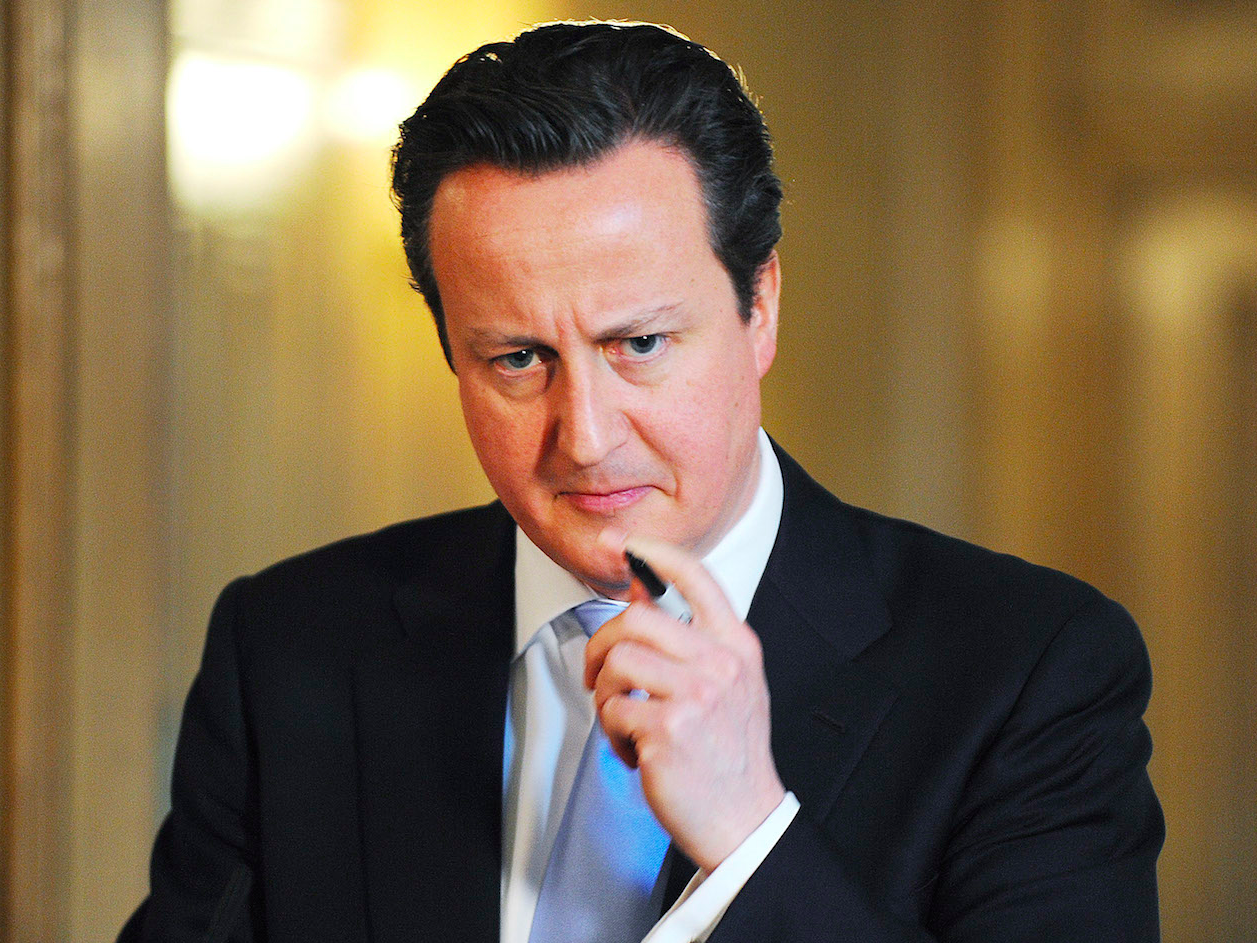
David Cameron’s journey from promising Conservative leader to a Prime Minister whose defining decision irrevocably altered the United Kingdom is a narrative filled with ambition, reform, and ultimately, a historic gamble. His time at the helm of UK Politics saw significant shifts, from the austerity measures following a global financial crisis to landmark social reforms, culminating in the seismic Brexit referendum. This article delves into the intricate tapestry of his career, exploring his ascent, the key policies that shaped his premiership, the fateful decision that led to his resignation, and the complex legacy he continues to carve out in the landscape of the Conservative Party and British public life.
Early Life, Political Ascension, and the Modern Conservative Party

Born in London in 1966, David Cameron’s formative years were steeped in the traditions that often shape future British leaders. His privileged education at Eton College and Oxford University provided the intellectual foundation for a rapid political climb.
Eton, Oxford, and Entry into Parliament
Cameron’s academic path led him from Eton to Brasenose College, Oxford, where he studied Philosophy, Politics, and Economics (PPE). After graduating, he worked at the Conservative Research Department, gaining crucial insights into policy and party strategy. His formal entry into UK Politics came in 2001 when he was elected as the Member of Parliament for Witney, a safe Tory seat in Oxfordshire. His early parliamentary career saw him serve on the Home Affairs Committee and work closely with senior party figures, quickly marking him as a rising star within the Conservative Party.
Cameron’s career trajectory highlights the importance of understanding the intricate political systems of the UK, systems that rely heavily on the codification of rules, as seen in England’s legal history.
Reshaping the Conservative Party
The Conservative Party had suffered three consecutive general election defeats by 2005, leaving it searching for a new direction. David Cameron, presenting himself as a moderniser, successfully challenged for the leadership, winning the contest in December 2005. His platform aimed to detoxify the Conservative brand, moving it towards a more socially liberal and environmentally conscious stance, famously declaring, “There is such a thing as society, it’s just not the same as the state.” This approach, while alienating some traditionalists, resonated with a broader electorate and made the party electable once more. He cultivated an image of youth and dynamism, often juxtaposed with his long-time political ally, George Osborne, who would later become his Chancellor of the Exchequer.
The 2010 General Election and Coalition Government
The 2010 general election marked a pivotal moment in modern UK Politics. While the Conservative Party emerged as the largest party, it failed to secure an outright majority, resulting in a hung parliament. In an unprecedented move for modern British history, David Cameron forged a coalition government with the Liberal Democrats, led by Nick Clegg. This power-sharing agreement demonstrated Cameron’s pragmatic leadership, navigating the complexities of cross-party governance to form a stable administration. It was a period of compromise and shared responsibility, setting the stage for significant policy decisions.
Navigating Power: Austerity, Social Reforms, and Foreign Policy
Cameron’s premiership was defined by a series of bold decisions, both domestically and internationally, aimed at reshaping the United Kingdom’s economic and social fabric.
The Era of Austerity
One of the cornerstones of the coalition government’s agenda was a rigorous program of austerity measures. Introduced in response to the 2008 global financial crisis and the perceived need to tackle the United Kingdom’s budget deficit, these policies involved significant cuts to public spending across various sectors. While proponents argued these cuts were essential for economic recovery and fiscal responsibility, critics highlighted their disproportionate impact on vulnerable populations and the long-term effects on public services. This period sparked intense debates about the role of the state and economic management within UK Politics.
Landmark Social Reforms: Same-Sex Marriage
Beyond economic policy, David Cameron’s government also championed significant social reforms. A notable achievement was the legalisation of same-sex marriage in England and Wales in 2013 (and later in Scotland under the Scottish Government). This policy, supported by Liberal Democrat MPs and a significant portion of the Conservative Party, marked a profound shift in social attitudes and legislation within the United Kingdom. Cameron himself described it as a move to “strengthen society,” demonstrating his commitment to modernising the Conservative agenda and aligning it with evolving public views.
Scotland’s Future: The Independence Referendum
Another defining moment of Cameron’s tenure was the 2014 Scottish independence referendum. Responding to growing nationalist sentiment, particularly after the Scottish National Party’s electoral success, Cameron’s government agreed to hold a vote on whether Scotland should leave the United Kingdom. He campaigned passionately for Scotland to remain, arguing for the strength and stability of the Union. The “Better Together” campaign, a cross-party effort, ultimately secured a 55.3% vote against independence, ensuring Scotland remained part of the United Kingdom for the time being. This decision, while keeping the Union intact, highlighted the persistent constitutional questions within the UK.
Global Engagements and Challenges
On the international stage, David Cameron’s government navigated complex foreign policy challenges. This included the United Kingdom’s participation in military intervention in Libya in 2011, aimed at preventing a humanitarian crisis. His government also played a role in international efforts to address the Syrian civil war and the rise of ISIS. Cameron sought to maintain the United Kingdom’s influence on the global stage, often working closely with traditional allies while adapting to a changing geopolitical landscape.
The Brexit Gamble: A Fateful Decision for the United Kingdom
The 2015 general election brought a surprising outright majority for the Conservative Party, solidifying David Cameron’s position. However, it also set the stage for the decision that would define his legacy and fundamentally reshape the United Kingdom: the Brexit referendum.
The Road to the Referendum
Cameron’s promise to hold a referendum on the United Kingdom’s membership in the European Union was initially a tactical move, aimed at appeasing the Eurosceptic wing of the Conservative Party and countering the rise of the UK Independence Party (UKIP). After his unexpected 2015 victory, he embarked on negotiations with the EU to secure a “new settlement” for Britain, focusing on areas like welfare, immigration, and sovereignty. Despite securing some concessions, he ultimately faced a deeply divided country, with passionate arguments from both the “Remain” and “Leave” camps.
The “Leave” Vote: A Political Earthquake
In June 2016, the United Kingdom voted by 51.9% to 48.1% to leave the European Union. This outcome was a profound shock to David Cameron and the establishment, triggering a political earthquake that reverberated globally. Cameron had campaigned vigorously for “Remain,” aligning himself against prominent figures within his own Conservative Party, such as Boris Johnson and Michael Gove. The unexpected result underscored a deep vein of public dissatisfaction and a desire for greater national sovereignty. The Brexit vote plunged the United Kingdom into a period of unprecedented political and economic uncertainty, raising fundamental questions about its future direction and global standing.
Cameron’s Resignation and Immediate Aftermath
Hours after the referendum result, David Cameron announced his resignation, stating that the United Kingdom required “fresh leadership” to navigate the path outside the European Union. It was a swift and decisive end to a premiership that, until that point, seemed to be defined by a series of political successes. His departure marked the beginning of a turbulent period for UK Politics, characterized by intense negotiations, leadership contests, and a deepening national divide over the implementation of Brexit. His gamble had failed, and the consequences would reshape the United Kingdom for years to come.
The Enduring Shadow of Brexit and Cameron’s Post-Premiership
Following his resignation, David Cameron largely retreated from the public eye. However, his connection to Brexit and his eventual return to government ensured his legacy remained a constant subject of discussion within UK Politics.
The Long-Term Impact on UK Politics and Economy
The Brexit decision, initiated under David Cameron, has had profound and far-reaching consequences for the United Kingdom. Economically, it has led to changes in trade relationships, supply chains, and investment patterns, sparking ongoing debates about its impact on GDP, inflation, and living standards. Politically, it exacerbated existing divisions within the Conservative Party and the wider electorate, leading to years of parliamentary gridlock and several changes of leadership. The constitutional implications, particularly for Northern Ireland and the relationship between the devolved nations and Westminster, continue to unfold, fundamentally altering the fabric of the United Kingdom.
An Unexpected Return: Foreign Secretary
In November 2023, David Cameron made a surprising return to the front benches of UK Politics, appointed as Foreign Secretary by then-Prime Minister Rishi Sunak. This move, accompanied by his elevation to the House of Lords as Baron Cameron of Chipping Norton, generated a storm of reactions. While some lauded his experience and gravitas on the international stage, others questioned the wisdom of giving a key role to the architect of Brexit, the very decision that had strained the United Kingdom’s relationships with its closest neighbours. His appointment, replacing James Cleverly, was a testament to his continued influence and Rishi Sunak’s perceived need for seasoned leadership amidst global crises.
Legacy Re-evaluated: Assisted Dying and Public Opinion
Cameron’s brief second act in government ended with the Conservative Party’s significant defeat in the 2024 general election. However, his period out of front-line politics also saw him advocate for a major shift on another significant social issue: assisted dying. His vocal support for a bill to legalise assisted dying represented a notable evolution in his public stance, particularly given his earlier, more conservative positions on such matters. This advocacy adds another layer of complexity to his public persona and prompts a re-evaluation of his broader social and ethical views, demonstrating that his journey in UK Politics continues to evolve beyond just the shadow of Brexit.
David Cameron’s Place in UK History and the Conservative Party
David Cameron’s political career is undeniably marked by a blend of progressive reforms and a single, defining miscalculation. His legacy will forever be intertwined with his pivotal role in one of the most significant moments in modern British history.
A Moderniser’s Vision and its Unforeseen Consequences
David Cameron’s early promise was to modernise the Conservative Party, making it more palatable to a broader electorate and addressing contemporary issues like climate change and social equality. He achieved significant successes in this, securing a coalition government, then an outright majority, and overseeing landmark social legislation like same-sex marriage. However, the decision to hold the Brexit referendum, intended to heal party divisions, instead unleashed forces that fundamentally altered the United Kingdom’s trajectory, leading to profound and still unfolding consequences for its economy, society, and place in the world.
Succession and the Conservative Party’s Evolution
Cameron’s resignation ushered in a period of intense instability for the Conservative Party, which saw multiple leaders in quick succession, each grappling with the ramifications of Brexit. From Theresa May’s arduous negotiations to Boris Johnson’s “Get Brexit Done” mandate, and later Liz Truss’s short-lived premiership and Rishi Sunak’s attempt at stabilization, the party has been continually shaped by the legacy of Cameron’s referendum. His initial modernising project gave way to a party often defined by its internal divisions and external challenges forged in the crucible of Brexit.
The Weight of an Unfinished Chapter
While no longer Prime Minister, or indeed a sitting MP, David Cameron’s life peerage as Baron Cameron of Chipping Norton ensures his continued, albeit different, presence in UK Politics through the House of Lords. This platform allows him to contribute to debates and lend his expertise, adding another dimension to his already complex political story. His journey, characterized by bold leadership, significant reforms, and an unparalleled gamble, ensures that David Cameron will remain a subject of intense scrutiny and historical debate for generations to come, as the United Kingdom continues to navigate the path he set it on.
Frequently Asked Questions about David Cameron and Brexit
What was David Cameron’s role in Brexit?
David Cameron’s role in Brexit was pivotal. As Prime Minister, he committed to holding a referendum on the United Kingdom’s membership in the European Union in 2013, a promise he fulfilled after his 2015 general election victory. He then campaigned for the United Kingdom to remain in the EU after negotiating a “new settlement.” However, the public voted to leave, leading to his resignation.
When did David Cameron become Prime Minister?
David Cameron became Prime Minister of the United Kingdom on 11 May 2010, leading a coalition government with the Liberal Democrats. He then secured an outright majority for the Conservative Party in the 2015 general election.
What were some key policies under David Cameron’s premiership?
Key policies during David Cameron’s premiership included significant austerity measures to reduce the national debt, the legalisation of same-sex marriage in England and Wales, and holding the 2014 Scottish independence referendum. Internationally, his government participated in military action in Libya.
Why did David Cameron resign as Prime Minister?
David Cameron resigned as Prime Minister in June 2016 following the United Kingdom’s vote to leave the European Union in the Brexit referendum. As a strong proponent of remaining in the EU, he felt that the country required new leadership to implement the public’s decision.
Has David Cameron returned to politics?
Yes, David Cameron made an unexpected return to UK Politics in November 2023 when he was appointed Foreign Secretary by Prime Minister Rishi Sunak. This appointment also saw him elevated to the House of Lords as Baron Cameron of Chipping Norton. His tenure as Foreign Secretary concluded with the Conservative Party’s defeat in the 2024 general election.
What is the long-term impact of Brexit on the United Kingdom?
The long-term impact of Brexit on the United Kingdom is still unfolding. It has significantly altered the United Kingdom’s trade relationships, economic growth, and immigration policies. Politically, it has caused deep divisions within the country and reshaped the landscape of UK Politics, leading to parliamentary turbulence and constitutional debates, particularly regarding Northern Ireland and the devolved nations.










