
Your blood tells a silent, vital story about your health. Every cell, every protein circulating within, offers clues to your overall well-being. When health concerns arise, or even during a routine check-up, one powerful diagnostic tool stands out: the Biometría Hemática blood test. Also known as a Complete Blood Count (CBC), this fundamental hematic analysis provides an invaluable snapshot of your body’s most basic functions, from oxygen transport to immune defense. It’s the frontline test that can uncover everything from a subtle biometria hematica anemia to the early signs of more serious conditions, empowering you and your healthcare provider with the insights needed for optimal health management.
This comprehensive guide will delve deep into the world of the biometría hemática, revealing its intricate components, how its results are interpreted, and its profound significance for your health. We’ll explore why this routine test is so crucial, what specific conditions it can detect, and how to best prepare for it, ensuring you’re fully informed about this cornerstone of modern medicine.
If you’re interested in a broader range of medical diagnostic tests, including the biometría hemática, you can explore our medical systems test menu for more detailed information.
What is a Biometría Hemática Blood Test? Your Comprehensive Health Snapshot
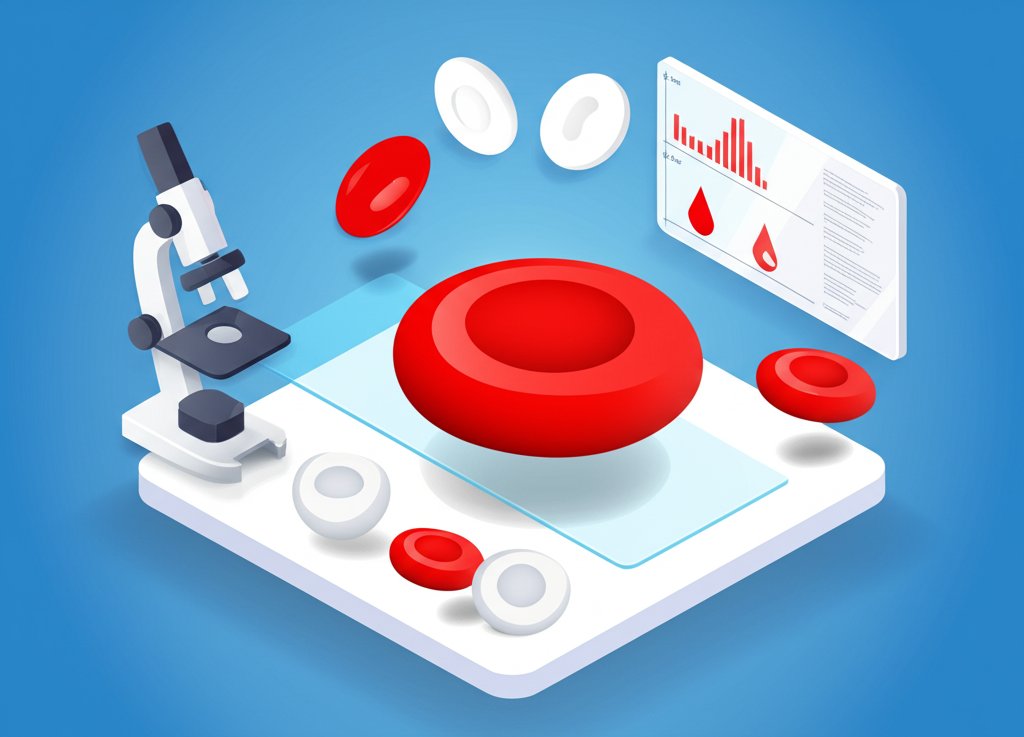
At its core, a biometría hemática blood test is a detailed examination of the cells that make up your blood. Far more than just a simple count, it assesses the quantity, size, and characteristics of the three main types of blood cells: red blood cells, white blood cells, and platelets. This holistic view allows clinicians to detect a wide array of health issues, often before symptoms even appear.
Demystifying the Biometría Hemática: More Than Just a Blood Test
While commonly referred to as a Complete Blood Count (CBC) in English-speaking contexts, the term biometría hemática specifically highlights the “biometric” measurement of blood components. It’s a foundational test in medicine, offering a broad view of a patient’s physiological state. Imagine it as a health report card for your circulatory system, detailing how efficiently your body is performing its essential tasks. It’s not just about diagnosing illness; it’s about understanding your body’s baseline and identifying deviations.
The Core Purpose: Why Your Doctor Orders a Biometría Hemática
Doctors order a biometría hemática for numerous reasons, making it one of the most frequently requested laboratory tests. Its versatility makes it indispensable for:
- Routine Health Check-ups: As part of annual physicals, it helps monitor general health and screen for asymptomatic conditions.
- Diagnosing Symptoms: When you experience fatigue, fever, inflammation, bruising, or bleeding, a biometría hemática can point to the underlying cause.
- Monitoring Existing Conditions: For those with chronic illnesses like kidney disease or autoimmune disorders, regular hematic tests track disease progression and treatment effectiveness.
- Assessing Treatment Side Effects: Certain medications, especially chemotherapy, can impact bone marrow function, and the biometría hemática helps monitor these effects.
- Pre-Surgical Evaluation: It ensures a patient’s blood is healthy enough for surgery, particularly checking for clotting ability and potential anemia.
Hematic Analysis: A Deep Dive into Blood Components
The hematic analysis goes beyond simple counts. It provides detailed measurements for each cell line, offering critical insights. This includes not only the absolute numbers but also characteristics like cell size, hemoglobin content, and the percentage of different white blood cell types. This level of detail is what makes a biometría hemática such a powerful diagnostic tool.
Decoding the Cellular Cast: Key Components of Your Biometría Hemática
Your blood is a complex fluid, teeming with specialized cells, each playing a crucial role in maintaining your health. The biometría hemática blood test meticulously examines these microscopic components.
Red Blood Cells (Erythrocytes): The Oxygen Caravans
Red blood cells (RBCs) are the unsung heroes of your circulatory system, primarily responsible for transporting oxygen from your lungs to every tissue and organ in your body, and carrying carbon dioxide back to your lungs to be exhaled. The biometría hemática provides several key measurements related to RBCs:
- RBC Count: This is the total number of red blood cells in a specific volume of blood. A low count often indicates biometria hematica anemia, while a high count (polycythemia) can suggest dehydration or certain bone marrow disorders.
- Hemoglobin (Hb/Hgb): Hemoglobin is the iron-rich protein within RBCs that actually binds to oxygen. Hemoglobin levels directly reflect your blood’s oxygen-carrying capacity. Low hemoglobin is a hallmark of biometria hematica anemia, leading to symptoms like fatigue and shortness of breath.
- Hematocrit (Hct): This measures the percentage of your blood volume that is made up of red blood cells. It’s closely tied to hemoglobin and RBC count; a low hematocrit also strongly suggests biometria hematica anemia. Conversely, a high hematocrit might indicate dehydration or polycythemia.
RBC Indices: Crucial for Diagnosing Biometría Hemática Anemia
Beyond simple counts, a biometría hemática includes several “indices” that provide detailed information about the size, shape, and hemoglobin content of individual red blood cells. These are vital for classifying and diagnosing specific types of biometria hematica anemia:
- Mean Corpuscular Volume (MCV): This measures the average size of your red blood cells.
- Low MCV (Microcytic): Often indicates iron-deficiency anemia or thalassemia.
- Normal MCV (Normocytic): Can point to anemia of chronic disease, acute blood loss, or kidney disease.
- High MCV (Macrocytic): Suggests vitamin B12 or folate deficiency anemia, liver disease, or certain medications.
- Mean Corpuscular Hemoglobin (MCH): This measures the average amount of hemoglobin in each red blood cell by weight. It generally mirrors MCV; low MCH means less hemoglobin per cell.
- Mean Corpuscular Hemoglobin Concentration (MCHC): This measures the average concentration of hemoglobin within a red blood cell.
- Low MCHC (Hypochromic): Cells appear paler due to insufficient hemoglobin, typical for iron-deficiency anemia.
- Normal MCHC (Normochromic): Cells have a normal color.
- Red Cell Distribution Width (RDW): This measures the variation in the size of your red blood cells. A high RDW means there’s a significant difference in cell sizes (anisocytosis), which can be an early indicator of developing anemia, especially iron-deficiency anemia, even before MCV changes.
These indices are critical tools that allow your doctor to pinpoint the specific cause of any biometria hematica anemia detected.
White Blood Cells (Leukocytes): Your Immune System’s Vanguard
White blood cells (WBCs) are the dynamic defenders of your body, forming the core of your immune system. They identify and neutralize foreign invaders like bacteria, viruses, fungi, and parasites, and also help clear away damaged cells. The biometría hemática assesses WBCs in two main ways:
- Total WBC Count: This is the overall number of white blood cells.
- High WBC Count (Leukocytosis): Commonly indicates an infection (bacterial, viral, fungal), inflammation, allergic reactions, tissue damage, or in rare cases, leukemia.
- Low WBC Count (Leukopenia): Can suggest a weakened immune system, certain viral infections, bone marrow problems, autoimmune diseases, or side effects of medications.
Differential WBC Count: Neutrophils, Lymphocytes, Monocytes, Eosinophils, Basophils
The “differential” portion of the biometría hemática breaks down the total WBC count into the five main types of white blood cells. Each type has a specialized role, and their individual percentages and absolute numbers offer more specific diagnostic clues:
- Neutrophils: The most abundant WBCs, they are rapid responders to bacterial infections and inflammation. Elevated neutrophils often signal a bacterial infection, severe stress, or certain inflammatory conditions. Low neutrophils (neutropenia) can increase susceptibility to infection.
- Lymphocytes: Crucial for fighting viral infections and playing a key role in producing antibodies. Elevated lymphocytes often indicate viral infections (like mononucleosis or chickenpox) or chronic inflammation. Certain cancers like leukemia can also cause significant changes.
- Monocytes: These “cleanup crew” cells engulf and digest cellular debris, pathogens, and foreign particles. Elevated monocytes can be seen in chronic infections, autoimmune diseases, or certain types of cancer.
- Eosinophils: Primarily involved in allergic reactions, asthma, and parasitic infections. High eosinophil counts are a strong indicator of these conditions.
- Basophils: The least common WBCs, they release histamine and other chemicals during allergic reactions and inflammation. Elevated basophils are rare but can be associated with severe allergic reactions or certain blood disorders.
Changes in the differential count provide invaluable information, allowing doctors to distinguish between different types of infections (bacterial vs. viral), identify allergic responses, or detect underlying chronic conditions.
Platelets (Thrombocytes): The Essential Clotting Commanders
Platelets are tiny, irregular-shaped cell fragments essential for hemostasis—the process of stopping bleeding. When a blood vessel is damaged, platelets rush to the site, clump together to form a plug, and release factors that initiate the blood clotting cascade.
- Platelet Count: This measures the total number of platelets.
- Low Platelet Count (Thrombocytopenia): Can lead to excessive bruising, nosebleeds, or prolonged bleeding from minor cuts. Causes range from viral infections and autoimmune conditions to bone marrow disorders or medication side effects.
- High Platelet Count (Thrombocytosis): May increase the risk of blood clots, though this is less common. It can be a reaction to inflammation, infection, iron deficiency, or a sign of a bone marrow disorder.
Interpreting Your Results: What Do Your Numbers Mean?
Receiving your biometría hemática blood test results can feel overwhelming, with a long list of numbers and abbreviations. However, understanding the basic framework of interpretation can empower you in discussions with your doctor.
Normal Ranges: A Guide, Not a Diagnosis
It’s crucial to remember that “normal ranges” are general guidelines and can vary slightly between laboratories, and based on factors like age, sex, altitude, and even pregnancy. Your doctor will always interpret your results in the context of your specific medical history, symptoms, and other diagnostic findings. A single value slightly outside the normal range doesn’t automatically mean a serious problem; it’s the pattern and clinical picture that truly matter.
Here’s a general overview of typical adult normal ranges (these are approximate and may vary):
| Blood Component | Normal Range (Adults) | What it Assesses |
|---|---|---|
| Red Blood Cells | Women: 3.9-5.2 million cells/µL | Oxygen transport |
| Men: 4.5-5.9 million cells/µL | ||
| Hemoglobin | Women: 12.0-15.5 g/dL (7.5-9.6 mmol/L) | Oxygen-carrying capacity, biometria hematica anemia |
| Men: 13.5-17.5 g/dL (8.4-10.9 mmol/L) | ||
| Hematocrit | Women: 35-47% | % of blood volume by RBCs, biometria hematica anemia |
| Men: 39-50% | ||
| MCV (Mean Corp.) | 80-100 femtoliters (fL) | Average RBC size |
| MCH (Mean Corp.) | 27-34 picograms (pg) | Average hemoglobin amount per RBC |
| MCHC (Mean Corp. | 32-36 g/dL | Average hemoglobin concentration in RBC |
| RDW (Red Cell D.) | 11.5-14.5% | Variation in RBC size |
| White Blood Cells | 4,500-11,000 cells/µL | Immune system function, infection, inflammation |
| Neutrophils | 1,500-8,000 cells/µL (35-70% of WBCs) | Bacterial infection, acute inflammation |
| Lymphocytes | 1,000-4,800 cells/µL (20-40% of WBCs) | Viral infection, chronic inflammation |
| Monocytes | 100-800 cells/µL (2-8% of WBCs) | Chronic infection, autoimmune disease |
| Eosinophils | 0-500 cells/µL (0-5% of WBCs) | Allergic reactions, parasitic infections |
| Basophils | 0-150 cells/µL (0-2% of WBCs) | Allergic reactions, chronic inflammation |
| Platelets | 150,000-450,000 cells/µL | Blood clotting ability |
Understanding Deviations: High vs. Low Values & Potential Implications
A deviation from the normal range for any component in your biometría hemática warrants further investigation. Here’s a quick glimpse:
- Low RBCs, Hemoglobin, Hematocrit: Strong indicators of
biometria hematica anemia. - High RBCs, Hemoglobin, Hematocrit: Could suggest dehydration, polycythemia vera, or living at high altitudes.
- Low WBCs: Weakened immune system, viral infections, certain medications, or bone marrow issues.
- High WBCs: Infection, inflammation, stress, allergic reactions, or leukemia.
- Low Platelets: Increased bleeding risk, certain medications, autoimmune conditions, or bone marrow suppression.
- High Platelets: Increased clotting risk, inflammation, iron deficiency, or bone marrow disorders.
Biometría Hemática Anemia: Identifying Different Types
The biometría hemática is the primary screening tool for anemia, a condition where your blood lacks healthy red blood cells or enough hemoglobin. The RBC indices (MCV, MCH, MCHC, RDW) are crucial for pinpointing the specific type of biometria hematica anemia:
- Iron-Deficiency Anemia: The most common type. The biometría hemática typically shows low hemoglobin, hematocrit, RBC count, and importantly, low MCV, MCH, and MCHC (microcytic, hypochromic anemia), often with a high RDW.
- Vitamin B12 or Folate Deficiency Anemia (Megaloblastic Anemia): Characterized by high MCV (macrocytic anemia), indicating abnormally large red blood cells, with normal MCH/MCHC. This type of hematica anemia often comes with specific neurological symptoms.
- Anemia of Chronic Disease: Often found in individuals with long-term inflammatory conditions (e.g., rheumatoid arthritis, kidney disease, cancer). The biometría hemática typically shows normocytic, normochromic anemia (normal MCV, MCH, MCHC).
- Aplastic Anemia: A rare, serious condition where the bone marrow doesn’t produce enough new blood cells. The biometría hemática would show low counts of all three cell lines: RBCs, WBCs, and platelets (pancytopenia).
- Hemolytic Anemia: Occurs when red blood cells are destroyed faster than they can be made. The biometría hemática might show low RBCs, hemoglobin, and hematocrit, sometimes with an elevated RDW, and specific other tests may confirm the destruction.
Understanding these distinctions from your biometría hemática results guides your doctor toward the correct diagnosis and treatment plan for your specific hematica anemia.
Beyond Diagnosis: The Broad Applications of a Biometría Hemática Blood Test
The utility of a biometría hemática blood test extends far beyond simply identifying a problem. It’s a dynamic tool used throughout the healthcare journey, from disease detection to long-term wellness.
Diagnosing a Spectrum of Conditions: From Infections to Cancers
As highlighted, the biometría hemática is a primary diagnostic test for:
- Infections: Bacterial infections often cause elevated neutrophils, while viral infections tend to elevate lymphocytes.
- Inflammatory Conditions: Elevated WBCs and ESR (Erythrocyte Sedimentation Rate, sometimes included or ordered alongside a CBC) can signal systemic inflammation.
- Anemias: As discussed, the various types of biometria hematica anemia are largely characterized by distinct patterns in the biometría hemática.
- Blood Disorders: Conditions like polycythemia vera (too many red blood cells), thrombocytosis (too many platelets), or thrombocytopenia (too few platelets) are directly identified.
- Cancers: Leukemia (cancers of white blood cells) or myeloma can cause abnormal white blood cell counts and morphology. Even non-hematological cancers can indirectly affect blood counts.
Monitoring Treatment Effectiveness and Disease Progression
For patients undergoing treatment for various conditions, especially those affecting the blood or bone marrow, regular biometría hemática tests are critical:
- Chemotherapy Monitoring: Chemotherapy drugs often suppress bone marrow, leading to low blood counts (myelosuppression). Frequent hematica tests help doctors adjust dosages and manage side effects.
- Anemia Treatment: For patients receiving iron, B12, or folate supplements for anemia, follow-up biometría hemática tests track the improvement in red blood cell counts and indices.
- Infection Response: If an antibiotic is prescribed, a repeat biometría hemática can show whether the WBC count is returning to normal, indicating successful treatment.
Proactive Health Management: Routine Screening and Prevention
Even in the absence of specific symptoms, a biometría hemática blood test is a valuable component of routine preventive care. It can:
- Detect Early Issues: Subtle changes in blood counts can be early indicators of developing problems like nutrient deficiencies or chronic inflammation, allowing for early intervention.
- Establish Baselines: Knowing your normal ranges can help doctors identify significant changes over time.
- Assess Overall Wellness: It’s a quick, non-invasive way to get a general overview of your body’s internal workings.
Pre-Surgical Assessment: Ensuring Patient Safety
Before any surgical procedure, a biometría hemática is almost always performed. This is vital to:
- Assess Anemia Risk: An anemic patient might require blood transfusions before or during surgery.
- Evaluate Clotting Ability: A normal platelet count ensures the patient’s blood can clot properly, minimizing bleeding risks during and after surgery.
- Identify Infections: An elevated WBC count might indicate an active infection, which could delay surgery to prevent complications.
Preparing for Your Biometría Hemática: What You Need to Know
The biometría hemática is a common and straightforward test, requiring minimal preparation. Understanding what to expect can ease any anxiety.
Fasting Requirements (or lack thereof)
Generally, fasting is NOT required for a standard biometría hemática blood test. You can eat and drink normally before the test. However, if your doctor has ordered other blood tests that do require fasting (such as a glucose or lipid panel), you will need to follow those instructions. Always clarify any fasting requirements with your doctor or the lab.
Medications and Supplements: Informing Your Doctor
It’s important to inform your doctor about all medications you are currently taking, including prescription drugs, over-the-counter medicines, herbal remedies, and dietary supplements. Some medications can affect blood counts (e.g., certain antibiotics, anti-inflammatory drugs, or chemotherapy), and your doctor needs this context to interpret your hematica results accurately. Do not stop taking any prescribed medication unless specifically instructed by your doctor.
The Procedure: Quick, Safe, and Minimally Invasive
The biometría hemática blood test involves a simple blood draw, typically from a vein in your arm. The procedure is usually quick and performed by a trained phlebotomist:
- Site Preparation: The area, usually the inside of your elbow, will be cleaned with an antiseptic.
- Blood Collection: A tourniquet may be applied above the elbow to make the veins more prominent. A small needle is then inserted into the vein, and a small amount of blood is collected into one or more vials.
- Post-Collection: Once enough blood is collected, the tourniquet is removed, and the needle is withdrawn. Pressure is applied to the site, and a bandage is placed.
The entire process usually takes less than five minutes.
Potential Risks and Side Effects
The risks associated with a biometría hemática blood test are very minimal:
- Mild Pain or Bruising: You might feel a slight sting or pinch when the needle is inserted, and some mild bruising at the site is common.
- Fainting or Dizziness: A small number of people may feel faint or dizzy after a blood draw. Inform the phlebotomist if you have a history of this.
- Infection: Although rare, there’s a very slight risk of infection at the puncture site. This is minimized by proper antiseptic techniques.
These side effects are generally minor and temporary.
The Future of Biometría Hemática and Personalized Medicine
The biometría hemática has been a cornerstone of diagnostics for decades, and its evolution continues. Ongoing research and technological advancements are enhancing its power, paving the way for even more precise and personalized healthcare.
Advanced Analysis Techniques
Innovations in laboratory technology are leading to more sophisticated analyses of blood cells. Automated cell counters are becoming increasingly accurate, and researchers are exploring new ways to detect subtle morphological changes in blood cells that might indicate disease much earlier. For example, machine learning algorithms are being developed to identify patterns in hematica data that human eyes might miss, potentially improving the detection of rare blood disorders or early-stage cancers.
Early Disease Detection and Predictive Health
Scientists are investigating how minute changes in blood cell characteristics – beyond just counts and sizes – can predict future health risks. This includes looking at factors like cellular elasticity, protein markers on cell surfaces, and even circulating cell-free DNA derived from blood cells. Such research holds the promise of using the biometría hemática not just to diagnose existing conditions, but to predict susceptibility to diseases like heart disease, diabetes, and certain types of cancer, allowing for unprecedented preventive interventions.
Integrating Hematic Data with AI for Tailored Care
The sheer volume of data generated by a biometría hemática test, when combined with a patient’s genetic profile, lifestyle, and other diagnostic results, presents a massive opportunity for artificial intelligence (AI). AI-powered systems could analyze complex patterns in hematic data to create highly personalized treatment plans, predict individual responses to medications, and identify optimal health maintenance strategies. This move towards integrating routine biometría hemática blood test data into comprehensive AI models is a key component of the future of personalized medicine.
Conclusion: A Powerful Tool for Health Management
The Biometría Hemática blood test is undeniably a fundamental and incredibly powerful tool in modern healthcare. From providing a general health overview to pinpointing specific conditions like biometria hematica anemia or infections, its value is immense. It offers a detailed window into your body’s internal environment, enabling early detection, precise diagnosis, and effective monitoring of your health.
While the results of a biometría hemática may appear complex, remember that they are designed to empower you and your doctor to make informed decisions about your well-being. Never attempt to self-diagnose based solely on your lab report. Instead, embrace the opportunity for a crucial conversation with your healthcare provider. They possess the expertise to interpret your individual hematica results in context with your unique medical history and symptoms, guiding you toward a personalized health plan that supports your journey to optimal health.
Frequently Asked Questions (FAQ) About the Biometría Hemática Blood Test
Is fasting required for a biometría hemática?
Generally, no, fasting is not required for a standard biometría hemática blood test. You can eat and drink normally before the test. However, if your doctor has ordered other blood tests that do require fasting (such as glucose or cholesterol checks), you will need to follow specific fasting instructions for those tests. Always confirm with your doctor or the laboratory beforehand.
How long does it take to get biometría hemática results?
Typically, biometría hemática blood test results are available quite quickly. For routine tests, you can often expect results within 24 to 48 hours. In some cases, if urgent results are needed (e.g., in an emergency room), they can be processed within hours. The exact turnaround time depends on the laboratory and clinic.
What is the difference between biometría hemática and CBC?
There is no functional difference between a biometría hemática and a Complete Blood Count (CBC). They are two different terms for the exact same medical test. “Biometría Hemática” is the Spanish term, while “Complete Blood Count” (CBC) is the common English term. Both refer to the comprehensive blood test that analyzes your red blood cells, white blood cells, and platelets.
Can a biometría hemática detect cancer?
A biometría hemática can detect abnormalities that might suggest cancer, especially blood cancers like leukemia or lymphoma, but it does not definitively diagnose cancer on its own. It can reveal unusually high or low white blood cell counts, abnormal cell shapes, or the presence of immature cells that are indicative of a problem. If such abnormalities are found, your doctor will order further, more specific tests (like a bone marrow biopsy or flow cytometry) to confirm a cancer diagnosis.
What does a high or low hematica count mean?
A “hematica count” is a broad term referring to the various counts within the biometría hemática.
Each specific high or low value points to different potential underlying conditions, and only a doctor can interpret these in context.
How often should I get a biometría hemática blood test?
The frequency of a biometría hemática blood test depends on your age, overall health, and any existing medical conditions.










