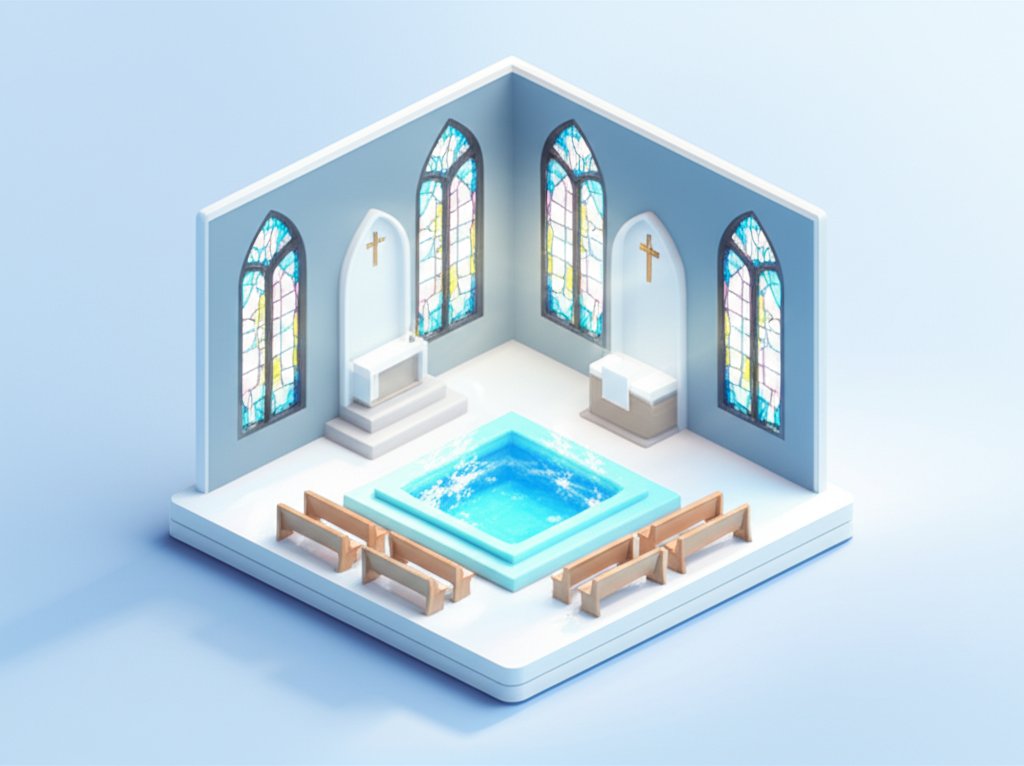
Baptism is a pivotal moment of faith, and the baptistry pool plays a crucial role. This guide navigates the diverse world of baptistry pools, offering insights into history, design, maintenance, and modern trends to help you select the perfect fit for your church, whether you’re seeking a permanent installation or a versatile portable baptism pool.
Exploring Baptistry History and Symbolism [https://www.lolaapp.com/]
Stepping into a church, you’ve likely seen it: a dedicated pool, often near the front—the baptistry. More than just a pool, it’s a symbolic gateway to faith, representing spiritual rebirth and cleansing. Historically, baptisms occurred in natural water bodies, symbolizing purification. As Christianity evolved, dedicated structures emerged, showcasing baptism’s enduring significance. The baptistry’s symbolism resonates deeply, representing the washing away of sins, a symbolic death and resurrection, and entry into the Christian community. Regardless of its form, it signifies a new beginning on one’s spiritual path. [https://www.lolaapp.com/almug-wood]
Types of Baptistry Pools
The ideal church baptism pool caters to your congregation’s specific needs. A smaller congregation may prefer a portable option, while a larger church with frequent baptisms might benefit from a permanent installation.
Portable Baptistries
These flexible solutions are ideal for smaller groups, off-site baptisms, or mobile church events, making a portable baptism pool a highly practical choice. Available in various sizes and shapes (oval, round, even specialized forms like Nonagon, Croydon, Apostle, and Galilee), they often come in easy-to-assemble kits with submersible pumps for draining. Modern portable baptism pools for church use often feature durable materials like high-quality reinforced vinyl, paired with strong, lightweight frames typically made of steel or aluminum. These designs prioritize ease of folding, transport, and compact storage, ensuring true mobility for churches on the go. Many reputable manufacturers also offer features like pinch-free frames and lifetime warranties on welds and seams, providing a reliable and long-lasting solution for frequent setup and takedown.
Inflatable Baptistries
For budget-conscious churches or temporary use, inflatable baptism pools provide a practical, easily transportable choice. While perhaps not as durable as other options, they offer a convenient solution for smaller gatherings.
Permanent Baptistries
For churches conducting regular baptisms, a permanent church baptism pool is likely a worthwhile investment. Customizable to complement your church’s architecture, it creates a dedicated, reverent space. While the initial cost may be higher, it eliminates the need for repeated setup.
Baptistry Materials and Construction [https://www.lolaapp.com/]
The baptistry’s material impacts both its appearance and longevity.
Timber
Timber offers a warm, natural aesthetic, blending beautifully with traditional settings. However, it requires consistent maintenance to prevent wear.
Fiberglass
Fiberglass is a durable, low-maintenance option with a sleek, contemporary look, well-suited for modern church designs. It’s often more expensive upfront but can reduce long-term maintenance costs.
Other Materials
Ongoing research suggests that other materials may emerge as suitable for baptistry construction, such as reinforced vinyl for portable baptism pools. It’s wise to explore and compare various options before making a decision.
Baptistry Sizing and Dimensions
Baptistries, whether a compact portable baptism pool or a grand permanent fixture, range in size from smaller portable models to larger permanent installations. Choosing the right dimensions depends on the typical number of baptismal participants. While standard oval and circular shapes are common (with diameters around 7’6″ and varying depths), specialized shapes like Nonagon, Croydon, Apostle, and Galilee require careful research to ensure a proper fit.
Buying vs. Renting a Baptistry

The decision to buy or rent a baptism pool for church use hinges on factors like budget, frequency of use, and storage space. Buying a church baptism pool offers greater customization but involves higher upfront costs and ongoing maintenance. Renting, while potentially more affordable initially, may become more expensive long-term and offers fewer design choices.
Enhancing the Baptistry Experience
Several features can enhance the comfort and safety of the baptistry:
- Heaters: Essential in colder climates, heaters maintain a comfortable water temperature.
- Steps and Rails: Sturdy steps and handrails ensure safe entry and exit, particularly for those with mobility limitations.
- Pumps and Filters: Pumps facilitate filling and draining, while filtration systems maintain hygiene.
- Liners and Covers: Liners protect the pool structure, and covers preserve water cleanliness and prevent debris.
Sourcing Your Baptistry
Specialized suppliers offer a range of services, from design and manufacturing to installation and maintenance. When you’re ready to acquire a new church baptism pool, it’s vital to research providers who specialize in the exact type you need. This could range from custom-built permanent installations tailored to your sanctuary’s architecture to versatile portable baptism pool solutions designed for easy setup and transport. Some suppliers might focus exclusively on durable portable options suitable for mobile ministries or off-site events, while others cater to a wide catalog of permanent baptistry models or specialized needs like those of prisons or missionaries. Thoroughly researching various suppliers helps ensure you find the best fit for your church’s specific requirements and budget.
Modern Trends and Inclusivity
Baptistry design continues to evolve. Eco-friendly materials, energy-efficient heating, and accessibility features like lifts and ramps ensure inclusivity for all. These modern interpretations blend tradition with contemporary needs. We’re likely to see continued innovation as churches seek to create welcoming spaces for this sacred rite. [https://www.lolaapp.com/arlene-dunetz]
Maintaining Your Baptistry
Proper maintenance is crucial for preserving the baptistry and ensuring a safe, reverent environment. Regular cleaning, inspections, and adherence to manufacturer guidelines prevent damage and maintain hygiene.
A baptistry pool, or church baptism pool, also known as a baptismal font, is a consecrated vessel or pool used in Christian baptism, symbolizing spiritual rebirth and cleansing. Its presence in churches marks a dedicated space for this important sacrament.
A Journey Through History
Baptistries have a rich history, evolving from natural bodies of water like rivers and springs to the dedicated structures within churches we see today. These early settings symbolized the purifying power of water, reflecting baptism’s essence. As churches were built, dedicated structures for baptism began to appear, eventually becoming the elaborate immersion pools often integrated into modern church architecture.
The Symbolism of Rebirth
The baptistry’s symbolism remains powerfully resonant. It embodies the washing away of sins, a symbolic death and resurrection mirroring Christ’s journey, and entry into the Christian community. It’s a tangible affirmation of inner spiritual transformation and a visible symbol of a new beginning on a spiritual path.
Diverse Forms and Configurations
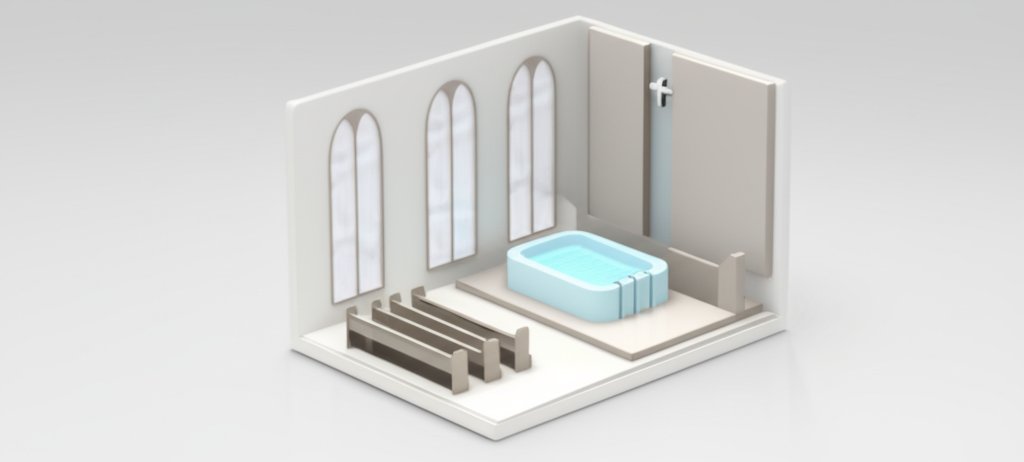
Baptistries, including every type of church baptism pool, come in a wide array of shapes, sizes, and configurations. From traditional in-ground pools, permanent fixtures within the sanctuary, to portable baptistries offering flexibility and convenience, the options are diverse. A portable baptism pool, for instance, offers unparalleled mobility for various church events. Above-ground baptistries with integrated steps provide accessibility, while deeper pools cater to full-immersion baptisms. The chosen materials, from fiberglass and concrete to classic stone, reflect the church’s aesthetic.
Construction and Maintenance
Constructing a baptistry is a significant undertaking, requiring careful planning, material selection, integration with existing architecture, and adherence to building codes. Equally important is ongoing maintenance, ensuring the sanctity of the space through regular cleaning, water purification, and safety measures.
Modern Design and Inclusivity
Modern design trends continually reshape how we think about baptistries. Environmentally conscious churches are exploring sustainable water management systems, while architects focus on inclusive designs with features like lifts and ramps. These innovations blend ancient tradition with modern needs.
The Sensory Experience of Baptism
Baptism is a deeply sensory experience. The water, light, and music create an atmosphere of reverence and spiritual renewal. Church leaders and architects recognize the importance of these details in enhancing the ceremony. The baptistry is more than just a pool; it is a portal to spiritual growth.
Ongoing Theological Discussions
While our understanding of baptism is extensive, theological discussions continue to explore its nuanced meanings within various Christian traditions. Different denominations hold varying beliefs and practices, enriching the ongoing conversation about this sacrament.
Maintaining a pristine church baptism pool is essential for a respectful experience. This section delves into how long water can safely remain in a baptistry and best practices for upkeep.
Water Stagnation and Baptistry Materials
A common question is, “How long can water stay in the baptistry?” A general guideline suggests changing the water every 48 to 72 hours to prevent bacterial growth. The baptistry’s material also matters. Fiberglass, while durable, is sensitive to prolonged moisture and should be emptied and dried weekly to prevent damage. Portable baptism pools, regardless of material, should be drained after each use.
Essential Maintenance Practices
Regular water changes are just one part of baptistry maintenance. Consistent upkeep, including water treatment and regular safety checks, is crucial. Implementing a sanitization or filtration system prevents bacterial growth and maintains water clarity. Never leave water unattended, especially in raised baptistries.
Additional Considerations
Factors like water source (well water or city water) can influence your maintenance routine. Consider eco-friendly practices, such as repurposing drained water for irrigation. A baptistry cover minimizes evaporation and debris, reducing cleaning frequency. Ongoing research may further refine these guidelines, and different theological perspectives can also influence maintenance approaches.
This section clarifies the distinction between these two terms. “Baptistry” refers to the physical pool or structure itself, the dedicated space where baptism takes place. “Baptismal,’ however, is an adjective describing things related to baptism, such as a baptismal robe, font, or vows.
Exploring Baptistry Options
Choosing a baptistry, or more specifically, the right baptism pool for church use, involves considering the desired ambiance and practical needs. Do you prefer a grand, permanent fixture that integrates seamlessly into your church’s architecture, or a more adaptable, space-saving portable baptism pool solution?
- In-ground Baptistries: These classic, permanent fixtures are often integrated into the church architecture.
- Portable Baptistries: A practical and affordable portable baptism pool solution for smaller congregations or less frequent baptisms.
- Baptismal Fonts: Smaller vessels ideal for intimate baptisms or limited spaces.
Buying vs. Renting: A Comparative Look
The choice between buying and renting depends on budget, long-term needs, and available space. Buying involves a higher initial investment but offers greater customization. Renting is less expensive upfront but may have higher long-term costs.
Setting up a Portable Baptistry
Setting up a portable baptism pool is typically straightforward:
- Choose a suitable location: Level, accessible, and aesthetically pleasing.
- Assemble the baptistry: Follow the manufacturer’s instructions.
- Fill and test: Ensure comfortable water temperature and check for leaks.
- Post-baptism care: Drain and thoroughly dry the baptistry.
Choosing the right church baptism pool, whether a permanent fixture or a versatile portable baptism pool, depends on your congregation’s needs and preferences. While the physical structure is important, the true focus remains on the spiritual significance of the rite. Further research can enhance your understanding of this sacred practice.











2 thoughts on “Choosing the Right Baptistry Pool: A Complete Guide (Buying, Renting & Setup)”
Comments are closed.