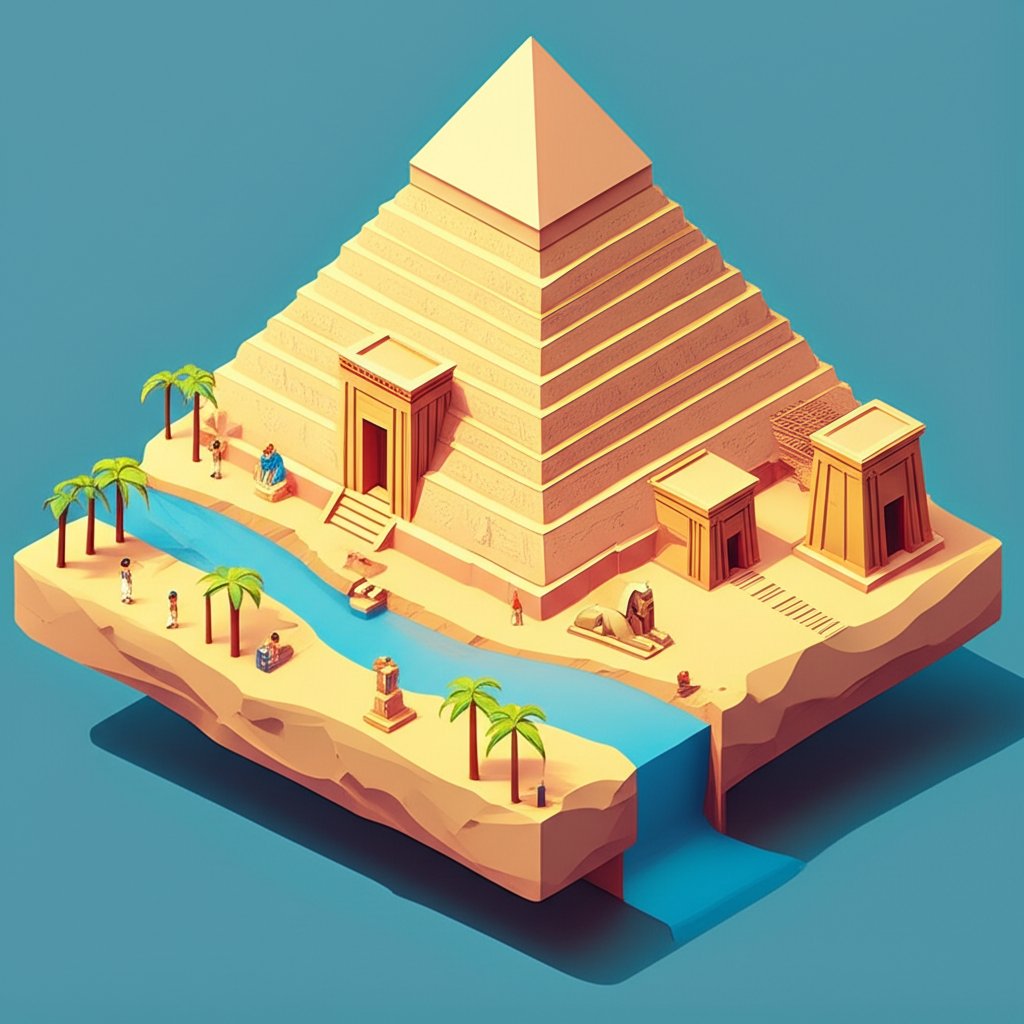
Embark on an epic voyage through the annals of time, a journey that peels back the millennia to reveal the foundational narratives of humanity. This is more than just a history lesson; it’s a historian’s guide to understanding the profound impact of ancient world history on our present. We will delve into the lives, innovations, and legacies of the earliest ancient civilizations, from the bustling city-states of Mesopotamia to the enigmatic temples of ancient Egypt. Prepare to uncover the captivating stories, decipher the enduring mysteries, and connect with the very roots of human ingenuity and societal development.
The Dawn of Civilization: Key Cradles of Ancient World History
The story of ancient world history begins with the emergence of civilization itself – a revolutionary shift from nomadic life to settled communities marked by agriculture, urban centers, and complex social structures. These early experiments in communal living laid the groundwork for all future human development, offering invaluable ancient history topics for exploration.
To visualize the timelines and concurrent developments of these civilizations, explore this ancient history timeline detailing their rise and fall.
Mesopotamia: The Cradle of Civilization
Nestled between the Tigris and Euphrates rivers, Mesopotamia is often hailed as the “Cradle of Civilization.” Here, in what is now modern-day Iraq, the Sumerians developed the world’s first writing system (cuneiform), established city-states like Ur and Uruk, and pioneered advancements in mathematics, astronomy, and law (e.g., the Code of Hammurabi). Their innovations in irrigation and architecture allowed complex societies to flourish, setting precedents for governance, social hierarchy, and monumental building that would echo through countless ancient civilizations.
The Indus Valley: A Mysterious Urban Marvel
Flourishing around the same time as Egypt and Mesopotamia, the Indus Valley Civilization (also known as the Harappan Civilization) presented an entirely different model of urban planning. Spanning vast areas of present-day Pakistan and India, cities like Mohenjo-Daro and Harappa boasted sophisticated grid layouts, advanced drainage systems, and multi-story brick houses. Despite their impressive achievements, much about this ancient civilization remains a mystery, as their distinctive script is yet to be fully deciphered. Their peaceful existence, suggested by a lack of warfare imagery, offers a unique perspective on ancient world history.
Ancient China: Dynasties and Innovations
From the Yellow River basin emerged one of the most enduring ancient civilizations – Ancient China. Beginning with the semi-mythical Xia Dynasty, followed by the Shang and Zhou, Chinese civilization developed sophisticated bronze metallurgy, intricate philosophical systems (like Confucianism and Taoism), and the concept of the Mandate of Heaven for rulers. These early dynasties laid the cultural and political foundations that would shape Chinese ancient world history for millennia, contributing rich ancient history topics such as the origins of silk production, ancestor worship, and early statecraft.
Ancient Egypt: A Deep Dive into the Land of Pharaohs and Pyramids
No discussion of ancient world history is complete without a dedicated exploration of ancient Egypt, a civilization that captivates imaginations with its monumental architecture, intricate belief systems, and enduring mysteries. For three millennia, the land along the Nile witnessed unparalleled stability and cultural flourishing, making it a cornerstone of ancient civilizations studies.
The Nile’s Enduring Legacy: Lifeblood of Ancient Egypt
The very existence and prosperity of ancient Egypt were inextricably linked to the Nile River. This majestic ribbon of water was far more than a geographical feature; it was the lifeblood, providing fertile soil for agriculture through its annual inundation, enabling efficient transportation, and acting as a natural highway for trade. The predictability of the Nile’s flood cycles fostered a sense of order and cosmic harmony, deeply influencing Egyptian religion and worldview. Understanding the Nile is key to unlocking the secrets of how this ancient civilization sustained itself across such a vast timeline, a crucial ancient history topic.
Pharaohs, Pyramids, and Pantheon: Religion and Rulers
The pharaohs of ancient Egypt were not merely rulers; they were seen as divine intermediaries, ensuring cosmic balance (Ma’at) and the prosperity of the land. Their authority was absolute, leading to the construction of monumental tombs like the pyramids, which served as eternal resting places and testaments to their power and belief in the afterlife. The Egyptian pantheon, a rich tapestry of gods and goddesses like Ra, Osiris, and Isis, governed every aspect of life and death. The elaborate rituals, mummification processes, and intricate tomb decorations reveal a profound preoccupation with immortality and the journey to the Duat, offering compelling insights into ancient civilizations’ spiritual lives.
Hieroglyphs & Knowledge: Scripting Eternity
The development of hieroglyphic writing in ancient Egypt was a monumental intellectual achievement. This complex system of pictograms and phonetic symbols allowed for the recording of history, religious texts, administrative decrees, and literary works. Carved into temple walls, written on papyrus scrolls, and inscribed on sarcophagi, hieroglyphs preserved the knowledge and beliefs of this extraordinary ancient civilization. The decipherment of the Rosetta Stone in the 19th century unlocked this ancient language, finally allowing modern scholars to read the narratives of ancient Egypt directly, a testament to the power of archaeological discovery in understanding ancient world history.
Classical Powerhouses: Greece and Rome as Pillars of Ancient History Topics
Following the early cradles, the classical ancient civilizations of Greece and Rome rose to prominence, profoundly shaping Western thought, governance, and culture. Their contributions remain vital ancient history topics for any serious student or historian’s guide.
Ancient Greece: Philosophy, Democracy, and the Olympics
Ancient Greece was a crucible of intellectual and artistic innovation. From the democratic ideals pioneered in Athens to the rigorous military training of Sparta, the Greek city-states developed diverse social and political systems. Philosophers like Socrates, Plato, and Aristotle laid the foundations of Western philosophy, logic, and scientific inquiry, their ideas still debated and taught today. Greek advancements in drama, epic poetry (Homer’s Iliad and Odyssey), architecture (the Parthenon), and sculpture set aesthetic standards for millennia. The original Olympic Games, a Panhellenic festival of athletic and religious significance, fostered unity and celebrated human physical prowess, enduring as a powerful symbol in ancient world history.
The Roman Empire: Engineering, Law, and Conquest
Rome’s trajectory from a small city-state to a vast empire encompassing much of Europe, North Africa, and the Middle East is an unparalleled saga in ancient world history. The Romans were master engineers, constructing enduring aqueducts, roads, and monumental structures like the Colosseum and the Pantheon, many of which still stand. Their legal system, based on principles of justice and citizenship (e.g., habeas corpus), forms the bedrock of modern law. Roman military organization and administrative genius allowed them to govern an immense and diverse population, leaving an indelible mark on governance and conquest. Studying the Pax Romana, the rise and fall of emperors, and the eventual division of the empire offers critical ancient history topics to understand the dynamics of power and empire in ancient civilizations.
Across Continents: Other Remarkable Ancient Civilizations
While Mesopotamia, Egypt, Greece, and Rome often dominate the narrative, ancient world history is rich with diverse ancient civilizations that flourished independently across the globe, each contributing unique cultural treasures and technological marvels.
The Maya: Masters of Time and Mathematics
In Mesoamerica, the Mayan civilization (circa 2000 BCE – 1500 CE) developed a highly sophisticated culture known for its complex hieroglyphic writing, advanced mathematics (including the concept of zero), and incredibly precise astronomical observations. Their intricate calendar systems, city-states deep within rainforests (like Tikal and Chichen Itza), and monumental stepped pyramids rivaled any achievements found in other ancient civilizations. The study of the Maya provides fascinating ancient history topics on societal collapse, environmental impact, and the independent development of advanced knowledge systems.
The Inca Empire: Andean Architects and Administrators
High in the Andes Mountains of South America, the Inca Empire (circa 1200 – 1532 CE) rose to become the largest empire in pre-Columbian America. Without a written language (relying instead on the quipu, a system of knotted cords), the Inca were master administrators, engineers, and agriculturalists. They constructed an extensive road network, impressive terraced farms on steep mountainsides, and iconic stone cities like Machu Picchu. Their centralized governance, advanced metallurgy, and intricate social structure offer a compelling case study for ancient history topics focused on imperial organization and sustainable practices in challenging environments.
Mesoamerican Wonders: Olmecs and Aztecs
The Olmecs, often considered the “mother civilization” of Mesoamerica (circa 1400 – 400 BCE), are known for their colossal carved stone heads and the development of early calendars and writing systems that influenced later cultures. The Aztecs, emerging much later (circa 14th to 16th century CE), built a powerful empire centered on their magnificent capital, Tenochtitlan, an island city connected by causeways on Lake Texcoco. Their advanced agriculture (chinampas), intricate religious practices, and formidable military made them a dominant force until the arrival of the Spanish, contributing significant ancient history topics on sacrifice, urban planning, and conquest within ancient civilizations.
Becoming a Historian: Navigating Ancient World History Topics
Engaging with ancient world history is an act of intellectual adventure. For anyone seeking to become a true student of the past, a historian’s guide involves more than just memorizing dates; it requires developing critical thinking skills and an understanding of how history is constructed and interpreted.
Sources and Interpretation: Reading the Past
Historians primarily rely on primary and secondary sources to reconstruct ancient world history. Primary sources (archaeological artifacts, inscriptions, ancient texts, art) offer direct glimpses into the past, though they often require extensive interpretation due to linguistic barriers, preservation issues, and cultural context. Secondary sources (academic books, articles, expert analyses) synthesize and interpret primary evidence. A key ancient history topic for any aspiring historian is learning to critically evaluate these sources, recognizing biases, gaps in information, and the ongoing debates among scholars. This critical approach ensures a nuanced understanding of events, moving beyond simplistic narratives of ancient civilizations.
Key Themes and Debates in Ancient History
Studying ancient world history reveals recurring themes and sparks continuous scholarly debate. Themes such as the rise and fall of empires, the impact of technology (e.g., bronze, iron, irrigation), the role of religion in society, migration patterns, and the human-environment interaction provide frameworks for analysis. Debates often center on the causes of societal collapse (e.g., the mysterious decline of the Maya or the Sea Peoples’ impact on ancient Egypt), the extent of cultural diffusion versus independent invention, and the nature of power and authority in early states. Engaging with these ancient history topics allows for a deeper, more sophisticated appreciation of the complexities of the past.
Modern Relevance: Why Ancient History Matters Today
Why devote energy to ancient world history? Because the echoes of ancient civilizations resonate powerfully in our modern world. Our legal systems often draw from Roman law, our philosophical inquiries are rooted in Greek thought, and our religious traditions have origins that predate recorded ancient Egypt history. Understanding the challenges these societies faced – climate change, resource management, political instability, cultural clashes – offers crucial perspectives on contemporary issues. As a historian’s guide, this field provides invaluable lessons in human resilience, innovation, and the cyclical patterns of human experience, reminding us that by studying the past, we better understand ourselves and our future.
Conclusion
The journey through ancient world history is an odyssey into the human spirit, revealing the remarkable ingenuity, profound beliefs, and enduring legacies of ancient civilizations across every continent. From the first written words in Mesopotamia to the monumental achievements of ancient Egypt, and the philosophical breakthroughs of Greece, each thread in this vast tapestry contributes to our collective story. This historian’s guide has merely scratched the surface of the countless ancient history topics waiting to be explored. By immersing ourselves in these foundational epochs, we gain not only knowledge of the past but also a deeper understanding of the present and the potential paths for the future. Keep questioning, keep exploring, and let the wisdom of the ancient world illuminate your path.
FAQ
Q1: What defines an “ancient civilization” in the context of ancient world history?
A1: An “ancient civilization” typically refers to the earliest large-scale human societies that developed complex features such as cities, organized governance, writing systems, monumental architecture, social stratification, and specialized labor. These civilizations usually predate the Middle Ages (roughly before 500 CE) and include cultures like Mesopotamia, ancient Egypt, the Indus Valley, China, Greece, and Rome.
Q2: Why is ancient Egypt considered such a significant ancient history topic?
A2: Ancient Egypt is critically significant due to its remarkable longevity (over 3,000 years), its unique cultural identity, its monumental architectural achievements (pyramids, temples), its advanced writing system (hieroglyphs), and its profound impact on later cultures, especially in areas of religion, art, and governance. Its study provides deep insights into the persistence and evolution of complex societies.
Q3: How did ancient civilizations like Greece influence modern political thought and governance?
A3: Ancient civilizations like Greece, especially Athens, pioneered the concept of democracy, where citizens had a direct say in governance. Greek philosophers such as Plato and Aristotle also extensively debated political theories, justice, and the ideal state. These philosophical and practical experiments laid the intellectual groundwork for modern democratic principles, civic participation, and political philosophy, which are crucial ancient history topics.
Q4: What are some key advancements that originated in ancient world history?
A4: Ancient world history is replete with foundational advancements, including the invention of writing (Mesopotamia, ancient Egypt), the wheel (Mesopotamia), advanced mathematics and astronomy (Maya, Mesopotamia, Greece, Egypt), irrigation systems, monumental architecture, systematic legal codes (Babylon), and democratic governance (Greece). These innovations were critical for the development of complex societies globally.
Q5: What role does a historian’s guide play in understanding ancient history topics?
A5: A historian’s guide emphasizes critical analysis and interpretation of ancient evidence. It encourages understanding the context of discoveries, evaluating primary sources, recognizing archeological debates, and connecting past events to their enduring legacies. Rather than just listing facts, it helps one understand how we know what we know about ancient civilizations and why these ancient history topics remain relevant.
Q6: What caused the decline of many prominent ancient civilizations?
A6: The decline of ancient civilizations was rarely due to a single factor but often a complex interplay of environmental changes (drought, resource depletion), internal political instability, economic pressures, external invasions, and societal transformations. For example, the collapse of the Maya is linked to drought and warfare, while the Roman Empire faced economic crises and barbarian incursions.










