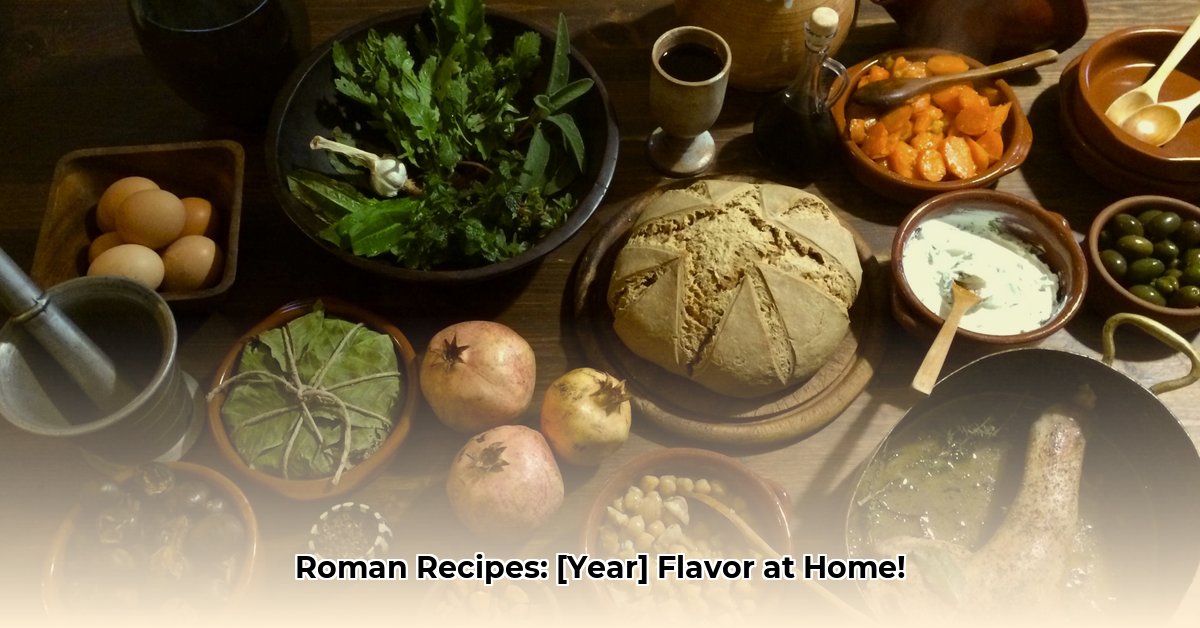
Ever wondered what graced the tables of ancient Rome? The culinary heritage of that era, surprisingly sophisticated yet rooted in simplicity, is more accessible than you might imagine. Learn more about Roman Recipes. This comprehensive guide invites you to step back in time and bring the authentic flavors of ancient Rome directly into your kitchen. We’ll delve into the foundational ingredients, explore innovative preservation techniques, and provide detailed, actionable recipes for everything from the iconic garum to hearty everyday staples. Prepare for a truly unique and delicious journey into antiquity.
Unearthing Ancient Roman Cuisine: A Journey Through Time
At its heart, Roman cooking relied on an profound connection to fresh, seasonal, and locally sourced ingredients. It was a world where minimal processing allowed the natural essence of the land’s bounty to dominate. Dishes like Moretum, a vibrant herb and cheese spread, and Puls, a nourishing barley porridge, elegantly showcase this principle. Common ingredients included fragrant herbs such as parsley, mint, and cilantro, alongside staples like artisanal cheeses, rich olive oil, and golden honey. The prevailing culinary philosophy championed simplicity and ingenuity, maximizing flavor from readily available resources.
The Ingenuity of Roman Gastronomy
Ancient Romans were masters of resourcefulness, skillfully extracting the most from their environment. Their approach to food was not about complex techniques but rather ingenious combinations, effective preservation, and a deep understanding of flavor profiles. This resourcefulness guaranteed a diverse and rich diet, even for the average citizen. Historical accounts, such as those from the renowned Roman epicure Apicius, detail an astonishing array of recipes, from gourmet entrées to humble everyday meals. The adaptability of their historical cookery traditions is truly remarkable.
Essential Ingredients for Authentic Flavors
To genuinely recreate the palate of the Romans, a degree of imaginative substitution and careful sourcing is often required for the modern cook. Garum, their powerful, umami-rich fermented fish sauce, presents a unique challenge. While many culinary historians agree that high-quality Asian fish sauce offers a readily available analogue, others might seek to replicate the intricate fermentation process from scratch. Similarly, Defrutum, a concentrated grape syrup or “must,” can be easily made by slowly simmering common red grapes until they reduce into a thick, sweet, syrupy liquid. This highlights the inherent adaptability that defines authentic ancient Roman food recipes.
Recreating Iconic Roman Dishes: Step-by-Step Recipes
Bringing the spirit of classical Roman dishes to your table is an exciting and rewarding endeavor. These recipes, refined over centuries, offer a direct, flavorful connection to a bygone era, proving that truly delicious food transcends the boundaries of time.
Moretum: The Rustic Roman Herb and Cheese Spread
Often enjoyed by farmers and laborers, this wonderfully flavorful spread provides a delightful, authentic taste of traditional Roman recipes. It’s simple to prepare and bursts with fresh flavors.
What You’ll Need:
- 1 cup fresh Pecorino Romano cheese, finely grated
- 4 cloves garlic, peeled and minced
- 1/2 cup fresh parsley, finely chopped
- 1/4 cup fresh mint leaves, finely chopped
- 1/4 cup fresh cilantro (coriander), finely chopped
- 1/4 cup extra virgin olive oil
- 2 tablespoons red wine vinegar
- 1/2 teaspoon freshly ground black pepper
- 1/4 teaspoon sea salt (or to taste)
- Crusty bread or flatbreads for serving
Here’s What To Do:
- Prepare the Herbs and Garlic: In a mortar and pestle (for true authenticity) or a food processor, combine the minced garlic and all the finely chopped fresh herbs. Pound or pulse until they form a rough, fragrant paste. This step is crucial for releasing their potent aromas.
- Combine with Cheese: Transfer the herb-garlic paste to a medium mixing bowl. Add the finely grated Pecorino Romano cheese.
- Form the Spread: Gradually drizzle in the extra virgin olive oil and red wine vinegar while continuously stirring. Mix thoroughly, using a fork or the back of a spoon, until all ingredients are well combined and the mixture forms a coarse, spreadable paste. The consistency should be rustic, not overly smooth.
- Season and Serve: Taste the Moretum and adjust seasonings with salt and pepper as needed. Roman palates often favored bold flavors, so don’t be shy! Transfer to a small serving bowl and serve immediately with warm, crusty bread or toasted flatbreads. It’s also excellent as a condiment for roasted meats or vegetables.
Understanding Garum: Ancient Rome’s Umami Secret
Imagine a single condiment so vital that it permeated nearly every dish, from lavish banquets to simple meals. That was garum for the ancient Romans. This fermented fish sauce wasn’t merely a dash of flavor; it was a foundational element, contributing a profound savory depth now recognized as umami. It truly was the flavor enhancer of its time, akin to how many modern cuisines rely on soy sauce or traditional fish sauce. Its pervasive presence is noted in countless ancient cookbooks and historical accounts, making it the most iconic Roman condiment.
How to Create a Garum Substitute: Modern Alternatives
Recreating truly authentic garum can be an extensive process, involving extended fermentation and specific environmental conditions. However, how to make garum substitute is simpler than you might think, allowing you to capture its essence without the time-consuming process.
1. The Fish Sauce Shortcut: Quick Umami Replication
- The Idea: High-quality Asian fish sauce provides a remarkably similar umami punch, delivering a robust base flavor without the wait.
- The Method: In a small bowl, combine 1 tablespoon of premium anchovy or sardine-based fish sauce with 1 teaspoon of water and 1/2 teaspoon of freshly squeezed lemon juice. A tiny pinch of brown sugar can be added to balance the flavor, mimicking the subtle sweetness often found in historical garum.
- Usage: Use sparingly. This substitute is excellent in stews, braised dishes, vinaigrettes, or as a finishing drizzle for roasted vegetables.
2. The Vegetarian Twist: Plant-Based Umami Depth
- The Idea: Unlock deep umami notes from plant-based ingredients through natural fermentation, perfect for those seeking a vegetarian garum alternative or simply exploring new flavor profiles.
- The Method: Finely chop 1 cup of dried shiitake mushrooms (rehydrated), a 4-inch piece of kombu seaweed, or roasted vegetables like carrots and celery. Combine with 1 cup of filtered water and 1 tablespoon of sea salt in a clean jar. Ferment at room temperature (around 70-75°F) for 1-3 weeks, stirring daily, until the liquid develops a rich, savory aroma. Strain the liquid, pressing solids to extract all flavor.
- Usage: This versatile liquid is excellent for vegan broths, dressings, marinades, or adding a unique depth to vegetable-based sauces.
Puls: The Comforting Roman Barley Porridge
A staple of the Roman diet, Puls was a versatile and nourishing dish, often served sweet with honey and cheese, or savory with vegetables and meat. This sweet version offers a delightful breakfast or dessert.
What You’ll Need:
- 1 cup pearled barley, rinsed thoroughly
- 4 cups water (for cooking barley)
- 1/2 cup ricotta cheese, full-fat
- 2-3 tablespoons honey, plus extra for drizzling
- 1/4 teaspoon sea salt
- 1 tablespoon extra virgin olive oil
- Optional garnishes: fresh berries, chopped nuts
Here’s What To Do:
- Cook the Barley: In a medium saucepan, combine the rinsed pearled barley and 4 cups of water. Bring to a boil over medium-high heat, then reduce the heat to low, cover, and simmer for 40-45 minutes, or until the barley is tender and most of the water has been absorbed. Stir occasionally to prevent sticking.
- Rest and Fluff: Remove the pan from the heat and let it sit, covered, for 5 minutes. This steaming period helps the barley become even fluffier. Fluff with a fork.
- Season the Barley: Drizzle the cooked barley with olive oil and sprinkle with sea salt. Mix gently to combine.
- Fold in Cheese and Honey: Gently fold in the ricotta cheese until just combined, leaving some streaks for a marbled effect. Drizzle generously with honey just before serving.
- Serve: Serve warm for a comforting breakfast or side, or chill for a refreshing dessert. Garnish with fresh berries or a sprinkle of chopped nuts if desired.
Libum: A Delightful Roman Cheesecake
Libum was a simple, rustic cheesecake, often offered to household spirits. This recipe, adapted from Cato’s agricultural writings, showcases how delicious simplicity can be.
What You’ll Need:
- 1 cup ricotta cheese (full-fat recommended)
- 1 large egg, lightly beaten
- 1/2 cup all-purpose flour, sifted
- 2 tablespoons honey, plus extra for drizzling
- 1/2 teaspoon dried bay leaves, finely ground (for an authentic subtle flavor, optional)
- A pinch of sea salt
- Butter for greasing the pan
Here’s What To Do:
- Preheat and Prepare: Preheat your oven to 375°F (190°C). Generously grease a small 6-inch round baking pan or an oven-safe ramekin with butter.
- Mix Wet Ingredients: In a mixing bowl, combine the ricotta cheese, beaten egg, and 2 tablespoons of honey. Whisk until smooth and well combined.
- Incorporate Dry Ingredients: Gently fold in the sifted flour, finely ground bay leaves (if using), and sea salt. Mix just until the ingredients are moistened and the dough comes together; avoid overmixing.
- Shape and Bake: Shape the dough into a rustic, round loaf and place it into your prepared pan. For a traditional touch, press a fresh bay leaf onto the top before baking. Bake for 25-30 minutes, or until the cheesecake is golden brown and firm to the touch when gently pressed in the center.
- Cool and Serve: Remove from the oven and immediately drizzle with additional honey. Let it cool slightly in the pan before carefully transferring it to a serving plate. Serve warm or at room temperature, perhaps with fresh figs or more honey.
Ova Spongia ex Lacte: The Sweet Roman Omelette
This light and airy sweet omelette, often served as a dessert or a rich breakfast, truly lives up to its name (“Spongy Eggs with Milk”). It’s a delightful testament to Apicius’s inventive spirit.
What You’ll Need:
- 4 large eggs, yolks and whites separated
- 1/4 cup granulated sugar
- 1/2 cup whole milk
- 1 teaspoon pure vanilla extract
- 1 tablespoon unsalted butter
- A pinch of salt
- Powdered sugar or additional honey for dusting/drizzling
Here’s What To Do:
- Preheat Oven: Preheat your oven to 350°F (175°C).
- Prepare Yolks: In a large bowl, whisk egg yolks and granulated sugar together until they are pale yellow and creamy. Stir in the milk and vanilla extract until just combined.
- Whip Whites: In a separate, clean bowl, beat the egg whites with a pinch of salt until stiff peaks form. The whites should be glossy and hold their shape.
- Fold Together: Gently fold the whipped egg whites into the yolk mixture in two additions. Be careful to maintain as much of the airiness as possible. The goal is a light, fluffy batter.
- Cook and Bake: Melt the butter in an oven-safe, non-stick skillet (about 8-9 inches) over medium heat, swirling to coat the bottom. Pour the omelette mixture into the hot skillet. Transfer the skillet directly to the preheated oven and bake for 15-20 minutes, or until the omelette is beautifully puffed and golden brown.
- Serve: Remove from the oven and let it sit for a minute to slightly deflate. Slide onto a serving plate, dust generously with powdered sugar, or drizzle with warm honey. Serve immediately for the best texture.
Roman Lentil Stew: A Hearty Ancient Staple
Lentils were a fundamental part of the Roman diet, offering a nutritious and satisfying meal. This robust stew is packed with earthy flavors and simple, wholesome ingredients, reminiscent of meals enjoyed by soldiers and citizens alike.
What You’ll Need:
- 1 cup dried green or brown lentils, picked over and rinsed
- 2 tablespoons extra virgin olive oil
- 1 large yellow onion, finely chopped
- 2 cloves garlic, minced
- 1 large carrot, diced
- 1 stalk celery, diced
- 4 cups vegetable broth (low sodium)
- 1 bay leaf
- 1 teaspoon dried oregano
- 1/2 teaspoon ground cumin
- 1/2 teaspoon freshly ground black pepper
- 1 teaspoon sea salt (or to taste)
- 1 tablespoon fresh lemon juice
- 2 tablespoons fresh parsley, chopped (for garnish)
Here’s What To Do:
- Sauté Aromatics: In a large, heavy-bottomed pot or Dutch oven, heat the olive oil over medium heat. Add the finely chopped yellow onion and sauté until translucent, about 5-7 minutes. Stir in the minced garlic, diced carrot, and diced celery, continuing to cook for another 5 minutes until the vegetables begin to soften.
- Add Lentils and Spices: Add the rinsed lentils to the pot, stirring to coat them with the oil and vegetables. Stir in the dried oregano and ground cumin.
- Simmer the Stew: Pour in the vegetable broth and add the bay leaf. Bring the mixture to a boil, then immediately reduce the heat to low, cover, and simmer for 30-35 minutes, or until the lentils are tender but still hold their shape. Stir occasionally to prevent sticking.
- Season and Finish: Once the lentils are cooked, remove the bay leaf. Stir in the freshly ground black pepper, sea salt, and fresh lemon juice. Taste and adjust seasonings as needed. The brightness of the lemon juice is key to balancing the earthy flavors.
- Serve: Ladle the hot stew into bowls. Garnish generously with fresh chopped parsley before serving. Enjoy with a side of crusty bread to soak up every last drop.
Mulsum: The Ancient Roman Honeyed Wine
A popular Roman drink, often enjoyed as an aperitif, Mulsum combines the robust flavor of red wine with the sweetness of honey and a hint of spice. It’s an elegant beverage that offers a taste of Roman conviviality.
What You’ll Need:
- 1 bottle (750ml) robust red wine (e.g., Cabernet Sauvignon, Merlot)
- 1/2 cup honey (adjust to desired sweetness)
- 1 cinnamon stick
- 1 orange, thinly sliced (for infusion)
- 1/4 teaspoon freshly ground black pepper
Here’s What To Do:
- Gently Heat Wine and Honey: In a medium saucepan, combine the red wine and honey over low heat. Stir gently until the honey is completely dissolved into the wine. Do not bring to a boil; the goal is to warm it sufficiently to dissolve the honey and infuse flavors, typically around 160°F (70°C).
- Infuse Flavors: Add the cinnamon stick and thin orange slices to the saucepan. Continue to simmer gently for 10-15 minutes, allowing the flavors to meld beautifully. The low heat prevents the alcohol from evaporating excessively.
- Strain and Season: Remove the saucepan from the heat. Strain the Mulsum through a fine-mesh sieve into a clean pitcher or serving carafe to remove the orange slices and cinnamon stick. Gently press the orange slices to extract any remaining flavorful juices.
- Finish and Serve: Stir in the freshly ground black pepper. The pepper adds a subtle, intriguing kick that balances the sweetness. Serve warm in heat-proof glasses, or chill for a more refreshing experience. Garnish with a fresh orange slice or a cinnamon stick if desired.
Adapting Ancient Techniques for Today’s Kitchen
While Roman cooks relied heavily on tools like the mortarium (their version of a mortar and pestle) for everything from grinding grains to mashing herbs, our modern kitchen tools simplify these tasks immensely. A food processor or high-speed blender can achieve similar results in moments, though it’s wise to avoid over-processing. Many ancient Roman preparations possessed a charmingly rustic texture, a delightful contrast to today’s ultra-smooth purées. This thoughtful blend of old and new makes culinary adaptation both fascinating and highly practical.
The Enduring Appeal of Roman Food: More Than Just Recipes
The renewed interest in ancient Roman food recipes is far more than a passing trend; it reflects a deeper human desire to connect with history through the most tangible of senses: taste. It evolves beyond simply following instructions, transforming into an exploration of the rich narratives interwoven with each dish. It’s an appreciation for the incredible creativity and resourcefulness of cooks from millennia past.
The Allure of Fermentation: Benefits and Considerations
Incorporating fermented elements like garum into your cooking introduces unique qualities that can transform a dish. While their pungent aromas might initially deter some, the long-term benefits are compelling and have been recognized for centuries.
| Benefits | Considerations |
|---|---|
| Gut Health | Rich in beneficial probiotics, supporting digestive wellness and immune function. |
| Enhanced Flavor | Adds incredible depth, complex layers of umami, and a unique savory richness to dishes. |
| Natural Preservation | A historically proven method of natural food preservation, extending shelf life. |
Addressing Historical Nuances and Disputed Preparations
One fascinating aspect of Roman food authenticity lies in the historical debates surrounding the precise preparations and interpretations of ancient texts. For instance, the exact fermentation times and methods for garum can vary widely across surviving historical texts and modern culinary interpretations. This variation often depended on environmental conditions, local ingredient availability, and the desired flavor intensity. Techniques of preparation and even the precise definition of liquamen (a similar fish sauce) are frequently debated by culinary historians, as extensively noted by scholars of ancient gastronomy. This highlights the interpretive nature of recreating ancient cuisine, where modern cooks become active participants in historical exploration.
Why Explore Ancient Roman Cuisine Now?
The enduring popularity of **ancient Roman food










