
Step into a time machine powered by ink and paper! Ancient civilizations – from the pharaohs of Egypt to the philosophers of Greece, the emperors of Rome, and the enigmatic rulers of the Maya – beckon with tales of innovation, conflict, mystery, and profound human experience. For anyone eager to uncover the secrets of the distant past, the sheer volume of available books on ancient civilizations can be exhilarating yet daunting. Where do you begin your epic intellectual journey?
This ultimate guide cuts through the clutter, offering a meticulously curated selection of the best books on ancient civilizations. Whether you’re a curious novice, a seasoned history buff, or a student seeking definitive texts, we’ll help you navigate the rich tapestry of ancient history. We’ll explore foundational works, delve into specific cultures, uncover thematic explorations, and even guide you on how to critically engage with historical narratives. Get ready to transform your understanding of the classical world and beyond, finding the perfect reads to ignite your passion for antiquity.
Why Explore Ancient Civilizations Through Books?
The past isn’t just a collection of dusty facts; it’s a living narrative that shapes our present and informs our future. Engaging with books on ancient civilizations offers a unique window into the foundational ideas, innovations, and challenges that paved the way for modern society.
Gaining Perspective on Human Endeavor
Reading about ancient societies provides invaluable perspective on the enduring nature of human ambition, creativity, and resilience. You’ll witness the birth of writing, law, democratic thought, and monumental architecture. These societies grappled with issues of governance, social justice, resource management, and warfare – many of which resonate deeply today. Understanding their successes and failures offers a crucial lens through which to view our own world.
To better understand the context of these ancient societies, consider exploring an ancient history timeline that visually maps out key events and civilizations.
Unlocking Critical Thinking Skills
The study of ancient history through books is inherently an exercise in critical thinking. Historians often work with fragmented evidence, biased sources, and differing interpretations. Learning to evaluate these narratives, to question underlying assumptions, and to synthesize information from various perspectives is a skill that extends far beyond the realm of history. The best books on ancient civilizations don’t just present facts; they invite you to participate in the ongoing debate about what the past truly means.
A Journey of Endless Discovery
From groundbreaking archaeological finds that rewrite textbooks to new methods of analysis like ancient DNA studies, the field of ancient history is constantly evolving. Modern scholarship often challenges long-held assumptions, bringing to light previously marginalized voices and offering a more nuanced, inclusive understanding of ancient life. Every book is an opportunity for fresh discovery, revealing new layers to stories you thought you knew.
Foundational Reads: Essential Books on Ancient Civilizations by Region
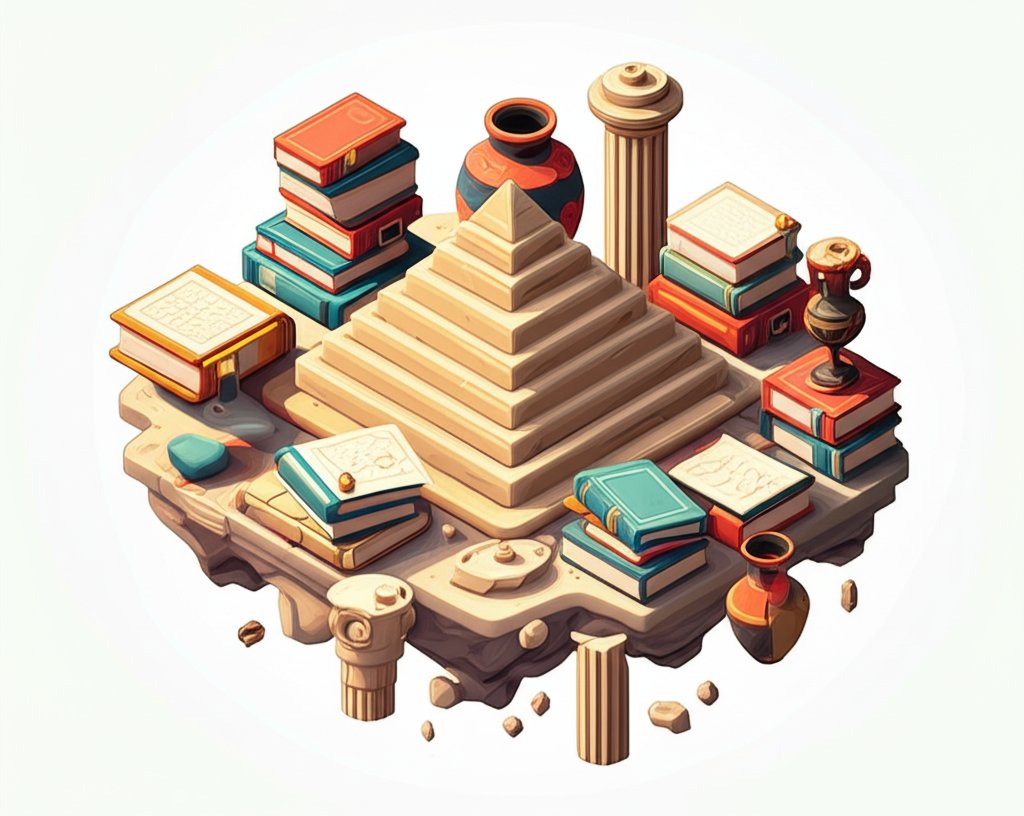
To truly grasp the scope of ancient history, it’s often best to start with comprehensive overviews before diving into specifics. Here, we present some of the most influential and accessible books on ancient civilizations, broken down by key geographical and cultural areas.
Understanding the Cradle of Civilization: Mesopotamia & The Near East
Mesopotamia, often called the “cradle of civilization,” saw the birth of cities, writing, and organized religion. Its stories are foundational to human history.
- “Babylon: Mesopotamia and the Birth of Civilization” by Paul Kriwaczek: An excellent, engaging introduction that brings ancient Sumerians, Akkadians, Babylonians, and Assyrians to life. Kriwaczek’s narrative is rich with cultural detail and makes complex history accessible.
- Why it’s essential: It covers the key innovations and cultural developments that emerged from this crucial region, laying the groundwork for many subsequent civilizations.
- “The Ancient Near East: History, Society and Economy” by Mario Liverani: For those seeking a more academic and detailed exploration, Liverani’s work is a masterful synthesis of archaeological and textual evidence, providing a holistic view of the region’s societies and economies.
- Why it’s essential: Offers an authoritative and comprehensive scholarly perspective on the interconnectedness of early civilizations.
The Land of Pharaohs: Ancient Egypt
Ancient Egypt captures the imagination like few other civilizations, with its magnificent pyramids, mummified pharaohs, and complex religious beliefs.
- “The Rise and Fall of Ancient Egypt” by Toby Wilkinson: A sweeping, chronological narrative covering millennia of Egyptian history, from unification to the Roman conquest. Wilkinson is an acclaimed Egyptologist and his writing is both authoritative and highly readable.
- Why it’s essential: Provides a definitive, yet approachable, overview of one of the longest-lasting civilizations.
- “Ancient Egypt: Anatomy of a Civilization” by Barry Kemp: For those interested in the underlying structures and functions of Egyptian society, Kemp’s book uses archaeological evidence to dissect its political, economic, and social systems.
- Why it’s essential: Moves beyond the pharaohs and monuments to explore the societal fabric that sustained them.
- “Red Land, Black Land: Daily Life in Ancient Egypt” by Barbara Mertz: A more intimate look at the everyday lives of ordinary Egyptians, from their homes and food to their family structures and work.
- Why it’s essential: Illuminates the human experience beyond the grand narratives of royalty.
The Glory that Was Greece: Ancient Greece
The birthplace of democracy, philosophy, drama, and the Olympic Games, Ancient Greece continues to influence Western thought profoundly.
- “SPQR: A History of Ancient Rome” by Mary Beard (Wait, this is Rome! My error. Let’s correct for Greece first.)
- “A History of My Times” by Xenophon (or a good translation of Herodotus/Thucydides): While primary sources, they are essential. For a modern take, consider:
- “The Histories” by Herodotus (translated by Tom Holland): Often called the “Father of History,” Herodotus offers a fascinating, if sometimes embellished, account of the Greco-Persian Wars and the peoples of the ancient world. Holland’s translation makes it highly readable.
- Why it’s essential: A foundational text of Western historiography, offering unique cultural insights.
- “The Peloponnesian War” by Thucydides (translated by Robert Strassler, The Landmark Thucydides): This is the definitive account of the devastating conflict between Athens and Sparta, known for its rigorous, analytical approach to warfare and politics. Strassler’s “Landmark” edition is invaluable for its maps and aids.
- Why it’s essential: A masterpiece of political and military history, offering timeless lessons on power and conflict.
- “Ancient Greece: A Very Short Introduction” by Paul Cartledge: An excellent starting point for beginners, offering a concise yet comprehensive overview of Greek civilization.
- Why it’s essential: Perfect for those seeking a quick, digestible entry into the topic.
The Might of the Republic and Empire: Ancient Rome
From a small city-state to a vast empire, Rome’s legacy in law, engineering, language, and governance is unparalleled.
- “SPQR: A History of Ancient Rome” by Mary Beard: A vibrant, engaging, and often provocative history that challenges conventional narratives, focusing on how Rome became Rome and what it meant to be Roman. Beard is one of the most celebrated classicists of our time.
- Why it’s essential: A contemporary classic that brings Roman history to life with wit and scholarly rigor.
- “The Penguin History of Rome” by Stephen Dando-Collins: A more traditional, yet equally compelling, narrative history that covers the full sweep of Roman power, from its legendary origins to its decline.
- Why it’s essential: A comprehensive and accessible single-volume history for general readers.
- “Daily Life in Ancient Rome” by Alberto Angela: A captivating journey through a typical day in ancient Rome, drawing on archaeological evidence and literary sources to recreate the sights, sounds, and smells of the Eternal City.
- Why it’s essential: Offers an immersive, human-centered perspective on Roman culture.
Beyond the Mediterranean: Asia, Africa, and the Americas
The richness of ancient history extends far beyond the Greco-Roman world, encompassing sophisticated civilizations across the globe.
- Ancient China:
- “China: A History” by John Keay: A comprehensive and engaging single-volume history of China that devotes significant attention to its ancient dynasties, philosophies, and innovations.
- Why it’s essential: An accessible entry point to the vast and complex history of ancient China.
- Ancient India:
- “A History of India” by Romila Thapar (Volume 1): A seminal work that delves into the diverse and intricate ancient history of the Indian subcontinent, from the Indus Valley Civilization to the Gupta Empire.
- Why it’s essential: Provides authoritative insight into one of the world’s oldest and most influential cultural spheres.
- Ancient Mesoamerica (Maya, Aztec, Olmec):
- “1491: New Revelations of the Americas Before Columbus” by Charles C. Mann: While covering all of the Americas, this book offers incredible insights into the sophistication, scale, and environmental impact of pre-Columbian civilizations, including the Maya and Aztec.
- Why it’s essential: Challenges Eurocentric views and highlights the complexity of American indigenous societies.
- Ancient Africa (Nubia, Aksum):
- “Ancient Civilizations of Africa” (UNESCO General History of Africa, Vol. II): A scholarly yet accessible volume that explores the rich and often overlooked ancient civilizations of the African continent, from Egypt’s southern neighbors to great empires further afield.
- Why it’s essential: Offers an authoritative corrective to common historical omissions and highlights Africa’s central role in ancient history.
Thematic Journeys: Diverse Books on Ancient Civilizations
Sometimes, the best way to explore antiquity is through topics that cut across geographical boundaries. These thematic books on ancient civilizations offer fresh perspectives, focusing on specific aspects of human experience that transcend individual cultures.
Daily Life & Social History
Moving beyond kings and battles, these books illuminate the everyday realities, struggles, and joys of ordinary people in ancient times.
- “Daily Life Through History” series (various authors and cultures): Many publishers offer excellent series dedicated to daily life in specific ancient civilizations, providing detailed accounts of family, work, food, housing, and social customs.
- “The Dawn of Everything: A New History of Humanity” by David Graeber and David Wengrow: This groundbreaking work challenges conventional narratives of social evolution, arguing that ancient societies were far more diverse and experimental in their social and political structures than previously imagined.
- Why it’s essential: A thought-provoking book that invites readers to rethink foundational assumptions about ancient societies.
Warfare & Military Strategy
For those fascinated by ancient battles, tactics, and the lives of soldiers, these books on ancient civilizations delve into the art of war.
- “The Art of War” by Sun Tzu: An enduring classic from ancient China, this text offers timeless principles of strategy, leadership, and conflict that remain relevant today.
- Why it’s essential: A foundational text in military theory, revealing ancient tactical thought.
- “By the Spear: Philip II, Alexander the Great, and the Rise and Fall of the Macedonian Empire” by Ian Worthington: A compelling narrative of military genius and empire-building, showing how a small kingdom reshaped the ancient world.
- Why it’s essential: Provides detailed insight into a pivotal period of military innovation and conquest.
- “The Roman Army: The Greatest War Machine of the Ancient World” by Christopher J. Scarre: Explores the organization, training, and campaigns of the legendary Roman legions, detailing their impact on the empire’s expansion and maintenance.
- Why it’s essential: A focused examination of the military engine behind one of history’s greatest empires.
Philosophy, Religion, & Mythology
Explore the spiritual and intellectual foundations of ancient societies, from their profound philosophical inquiries to their rich pantheons of gods and elaborate mythologies.
- “Mythos” by Stephen Fry: A witty and accessible retelling of Greek myths, perfect for beginners looking to understand the narratives that shaped ancient Greek culture and art.
- Why it’s essential: An entertaining and educational introduction to classical mythology.
- “Early Greek Philosophy” by Jonathan Barnes: A rigorous yet clear exploration of the pre-Socratic thinkers who laid the groundwork for Western philosophy, tackling questions of cosmology, ethics, and knowledge.
- Why it’s essential: Essential for understanding the origins of Western philosophical thought.
- “The Egyptian Book of the Dead” (various translations, e.g., by Raymond O. Faulkner): A collection of ancient Egyptian funerary texts, providing unparalleled insight into their beliefs about the afterlife, gods, and cosmos.
- Why it’s essential: A primary source offering direct access to ancient Egyptian religious thought.
Women’s Voices in Antiquity
Historically, women’s roles in ancient civilizations were often marginalized in narratives. Newer scholarship strives to bring their experiences to the forefront.
- “Women in Antiquity” by Sarah Pomeroy: A pioneering work that meticulously reconstructs the lives of women across various ancient Greek and Roman societies, using archaeological and textual evidence.
- Why it’s essential: A foundational text for understanding gender roles and women’s agency in the ancient world.
- “Cleopatra: A Life” by Stacy Schiff: A masterfully researched and engaging biography that re-evaluates one of history’s most iconic female rulers, placing her firmly within her Ptolemaic Egyptian and Roman context.
- Why it’s essential: Offers a nuanced portrayal of a powerful woman navigating complex political landscapes.
Archaeological Discoveries & Scientific Approaches
These books on ancient civilizations focus on the thrill of discovery itself, highlighting how archaeology, genetics, and new technologies are continually rewriting our understanding of the past.
- “Archaeology: A Very Short Introduction” by Paul Bahn: A concise overview of archaeological methods, ethics, and the process of uncovering ancient societies, showing how discoveries inform our histories.
- Why it’s essential: Introduces the scientific backbone behind much of our knowledge of ancient civilizations.
- “Who We Are and How We Got Here: Ancient DNA and the New Science of the Human Past” by David Reich: Explores how ancient DNA analysis is revolutionizing our understanding of human migration, population movements, and genetic relationships across ancient periods.
- Why it’s essential: A cutting-edge look at how science is transforming historical and anthropological studies.
Navigating Your Ancient Library: How to Choose the Right Books on Ancient Civilizations
With such a vast array of books on ancient civilizations, making a choice can feel overwhelming. Here’s a guide to help you select reads that match your interests, knowledge level, and reading style.
For Beginners: Where to Start Your Journey
If you’re just dipping your toes into ancient history, accessibility and engaging storytelling are key.
- Look for “Very Short Introduction” series: Oxford University Press’s “Very Short Introduction” series covers numerous ancient civilizations (e.g., “Ancient History,” “Ancient Egypt,” “Ancient Greece,” “The Roman Empire”) and specific topics. They are concise, authoritative, and excellent starting points.
- Prioritize narrative histories: Books that tell a compelling story, often focusing on key figures or major events, can be more engaging than purely analytical texts for new readers. Mary Beard’s “SPQR” is a superb example.
- Consider general overviews: “A Little History of the World” by E.H. Gombrich (while not exclusively ancient, it provides great context) or single-volume histories of a specific civilization (like Wilkinson’s “The Rise and Fall of Ancient Egypt”) are good choices.
For Deeper Dives: Intermediate & Advanced Reads
Experienced readers or those with specific academic interests will find a wealth of scholarly and specialized books on ancient civilizations.
- Go for multi-volume histories: The Cambridge Ancient History series, for example, offers monumental, detailed, and highly authoritative accounts of various ancient periods and regions, perfect for in-depth research.
- Explore primary sources: Reading translations of ancient authors like Herodotus, Thucydides, Livy, Tacitus, or the Epic of Gilgamesh allows direct engagement with ancient perspectives. Look for “Landmark” editions (e.g., The Landmark Thucydides) which include maps, notes, and essays to aid understanding.
- Specialized monographs: If you have a particular interest (e.g., ancient economics, Roman law, Mycenaean archaeology), seek out academic books that delve into these niche topics. Be prepared for more academic language and detailed analysis.
Understanding Bias and Perspective
No historical account is entirely objective. The most rewarding way to read books on ancient civilizations is with a critical eye.
- Consider the author’s background: Who wrote the book? What is their area of expertise? What might their perspective or biases be? A classical historian might interpret evidence differently from an archaeologist or an anthropologist.
- Identify the source material: What evidence is the historian using? Is it archaeological, epigraphic (inscriptions), numismatic (coins), or literary? How reliable are these sources? Ancient authors often had agendas (e.g., glorifying a ruler, promoting a political view).
- Look for different interpretations: If you read one book that offers a particular explanation for an event (e.g., the fall of Rome), seek out other books on ancient civilizations that present alternative theories. Engaging with these contrasting viewpoints enriches your understanding. This practice helps you reconcile conflicting interpretations and appreciate the dynamic nature of historical scholarship.
The Future of Ancient History: New Books on Ancient Civilizations & Ongoing Debates
The field of ancient history is anything but static. New discoveries, evolving methodologies, and interdisciplinary approaches continually reshape our understanding, leading to exciting new books on ancient civilizations.
The Impact of New Discoveries and Technologies
Groundbreaking archaeological finds, advancements in ancient DNA sequencing, and the application of digital humanities tools are constantly providing fresh data. These often challenge long-held assumptions and compel historians to revisit established narratives. For example, recent revelations about the sophisticated urban planning of the Indus Valley Civilization or the intricate astronomical knowledge of the Maya continue to inspire new scholarship and popular science books.
Embracing Interdisciplinary Approaches
Modern books on ancient civilizations increasingly benefit from interdisciplinary collaboration. Historians work alongside archaeologists, anthropologists, geneticists, linguists, and even climate scientists to paint a more comprehensive picture. This holistic approach allows for a deeper understanding of cultural dynamics, environmental impacts, and the interconnectedness of ancient societies.
Challenging Traditional Narratives & Promoting Inclusivity
A significant trend in contemporary ancient history is the move to challenge Eurocentric biases and to incorporate more diverse voices and experiences into the historical record. This includes greater attention to the roles of women, enslaved people, and marginalized communities, as well as a focus on non-Western ancient civilizations. The aim is to create more inclusive and representative accounts of the past, moving beyond the traditional focus on powerful elites. As a result, many new books on ancient civilizations are emerging that offer fresh, nuanced perspectives on these previously overlooked aspects.
Conclusion: Charting Your Course Through Time

The world of ancient civilizations is boundless, a treasure trove of human stories, triumphs, and failures. From the monumental achievements of forgotten empires to the intimate details of daily life, there is an inexhaustible supply of knowledge waiting to be discovered. The books on ancient civilizations highlighted in this guide represent just a fraction of the incredible scholarship available, but they offer powerful starting points for any explorer of the past.
By choosing books that resonate with your interests and actively engaging with their content, you’re not just reading history; you’re participating in a continuous dialogue with the past. So, take the plunge, select your first voyage, and embark on an intellectual adventure that promises to enlighten, challenge, and inspire. Happy reading!
FAQ: Your Questions About Books on Ancient Civilizations Answered
Q1: What is the single best book for someone completely new to ancient history?
A1: For a truly broad, engaging, and accessible start, Mary Beard’s “SPQR: A History of Ancient Rome” is highly recommended. While focused on Rome, it skillfully weaves in broader ancient historical contexts and demonstrates an approachable style. For a wider, quicker overview, Paul Cartledge’s “Ancient Greece: A Very Short Introduction” or Philip de Souza’s “Ancient History: A Very Short Introduction” are excellent choices.
Q2: Are there any good fictional books that accurately portray ancient civilizations?
A2: While this guide focuses on non-fiction, historical fiction can be a fantastic way to immerse yourself. Look for authors known for meticulous research, such as Colleen McCullough (“The Masters of Rome” series), Robert Graves (“I, Claudius”), or Christian Jacq (Ancient Egypt novels). Always be mindful that fiction takes liberties for storytelling, so it’s best read in conjunction with non-fiction books on ancient civilizations.
Q3: How do historians choose which ancient accounts to believe when they contradict each other?
A3: Historians employ rigorous source criticism. They evaluate a source’s origin, author’s potential biases, intended audience, and purpose. They then compare multiple accounts, look for corroborating archaeological evidence, and consider the historical context. Often, rather than choosing one “true” account, they analyze why different accounts exist and what that reveals about the ancient societies themselves. The best books on ancient civilizations will often discuss these conflicting interpretations.
Q4: What’s the difference between “ancient history” and “classical history”?
A4: “Ancient history” is a broader term, generally encompassing the period from the invention of writing (around 3500 BCE) up to the fall of the Western Roman Empire (476 CE), and includes civilizations worldwide (Egypt, Mesopotamia, Indus, China, Mesoamerica, etc.). “Classical history” usually refers more specifically to the history of ancient Greece and ancient Rome. Many books on ancient civilizations will cover both, or focus on one.
Q5: How often do new discoveries change what we know from books on ancient civilizations?
A5: Constantly! Archaeology is an ongoing field, and new sites are unearthed, new texts deciphered, and new scientific techniques (like ancient DNA analysis) developed regularly. These discoveries often lead to revisions in our understanding of timelines, cultural interactions, and social structures. The most up-to-date books on ancient civilizations will often discuss these recent findings and their implications.











1 thought on “Best Books on Ancient Civilizations: Your Ultimate Guide”
Comments are closed.